In the competitive landscape of textile manufacturing, achieving a deep, consistent black shade is both a technical challenge and a commercial necessity. Solid Sulfur Black stands as a cornerstone solution for this requirement, offering a high-performance approach to coloring cellulose fibers with unmatched intensity. For industrial producers, the ability to maintain shade consistency while managing operational costs is the key to maintaining market leadership in a globalized economy.
The global demand for durable, dark-colored textiles—ranging from heavy-duty workwear to fashion denim—has cemented the relevance of sulfur-based dyeing systems. Unlike other coloring agents, this specific industrial dye is engineered for high utilization rates and superior coverage, ensuring that large-scale production runs remain uniform across thousands of meters of fabric. This reliability reduces waste and enhances the overall return on investment for dyeing houses.
By integrating a precise reduction and oxidation process, manufacturers can utilize sulfur black dye to create an insoluble structure within the fiber, ensuring the color remains locked in despite rigorous use. This technical efficiency makes it the gold standard for those seeking a balance between extreme color depth and economic feasibility in cellulose-based textile production.

Technical Fundamentals of Solid Sulfur Black
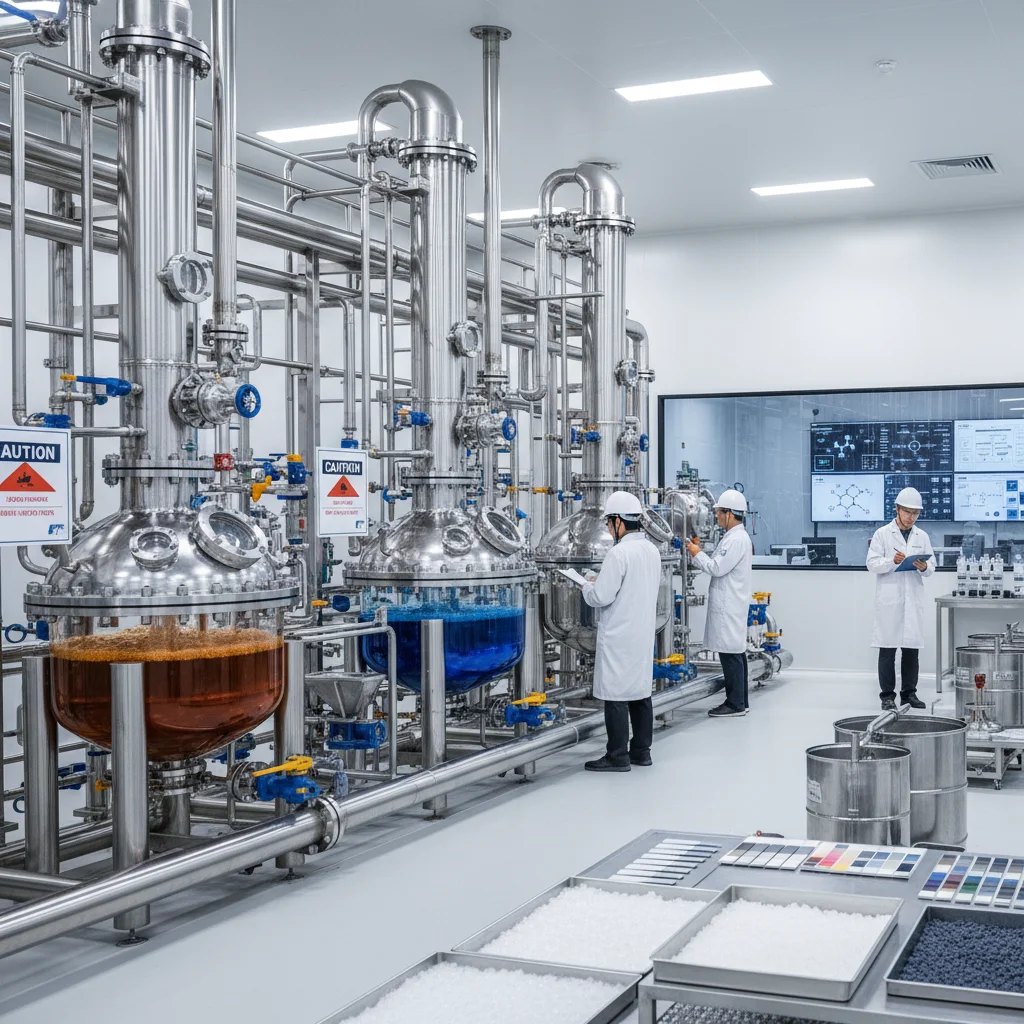
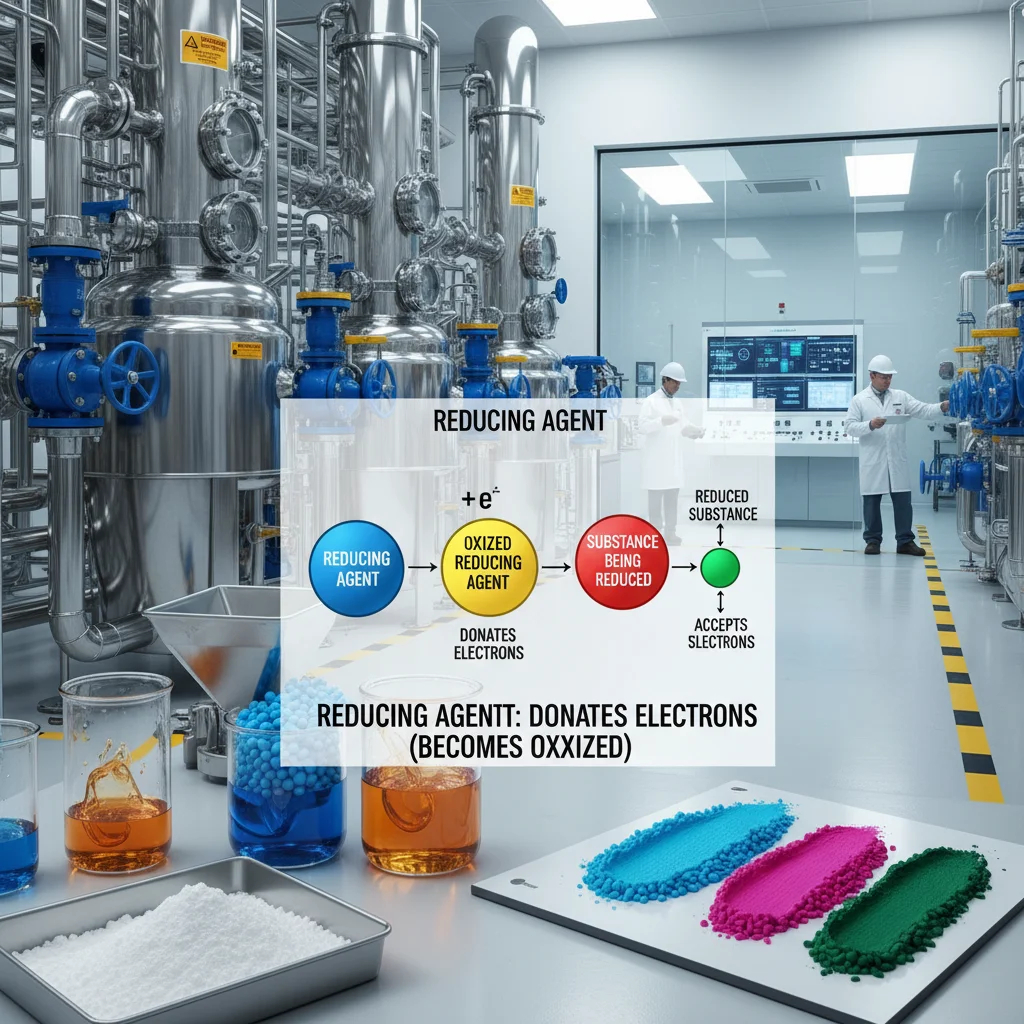
Solid Sulfur Black is an anionic, insoluble powder specifically engineered for cellulose fibers such as cotton, viscose, and linen. Because the dye is naturally insoluble in water, it requires a chemical reduction process in an alkaline medium—typically using agents like sodium sulfide—to become soluble and penetrate the fiber structure. Once inside the fiber, the dye is oxidized back to its insoluble form, creating a dense and uniform visual impact.
This chemical transition is what provides the dye with its characteristic stability and deep shade. By forming a physical barrier within the fiber, it ensures that the intense black color does not easily leach out, providing the high fastness required for industrial workwear and casual clothing. The precision of the reduction and oxidation cycle is the most critical factor in achieving a professional, high-coverage finish.
Global Industrial Relevance and Market Demand
In the global textile industry, the demand for black fabrics remains constant across all sectors, from high-fashion denim to utilitarian industrial uniforms. According to international textile standards, the ability to produce a "true black" that resists fading is a primary quality metric. Sulfur-based dyes address this need by providing a level of depth that is often difficult to achieve with reactive dyes without significantly increasing costs.
The economic pressure on manufacturers in Southeast Asia and other major textile hubs has led to an increased reliance on highly efficient dyeing agents. The ability to achieve maximum dye uptake with minimum waste is not just an environmental goal but a financial necessity. Solid sulfur dyes allow for high-volume production without the prohibitive cost of vat dyes, making them indispensable for mass-market apparel.
Furthermore, as industrial workwear standards become more rigorous globally, the need for fabrics that can withstand harsh rubbing and frequent washing has grown. The inherent durability of the insoluble sulfur structure ensures that safety gear and uniforms maintain their professional appearance over long lifecycles, reducing the frequency of replacement for end-users in industrial zones.
Core Advantages in Mass Production
One of the most significant benefits of using sulfur black dye is its exceptional cost-effectiveness. For manufacturers operating at scale, the raw material cost of sulfur dyes is substantially lower than that of reactive or vat dyes, allowing for a significant reduction in the cost per garment while maintaining a high-end visual result.
Beyond cost, the process stability offered by this dye is a major asset. In high-volume industrial production, predictability is key; the ability to achieve a consistent, deep black shade across different batches ensures that there are no rejected lots. This stability is achieved through the dye's optimized chemical structure, which ensures maximum uptake and uniform coverage on heavy fabrics.
Finally, the versatility of sulfur black dye allows it to be integrated into various production lines. Whether a facility utilizes exhaust dyeing, jig dyeing, or continuous padding systems, this dye adapts seamlessly, providing manufacturers with the flexibility to switch between different fabric weights and types without needing to overhaul their chemical infrastructure.
Performance Metrics and Efficiency Comparison
When evaluating dyeing solutions, the return on investment (ROI) is determined by the balance between raw material cost, processing speed, and final fastness. Solid sulfur black excels in the "Mass Production ROI" category because it combines low cost with high speed and very good wash fastness, making it the optimal choice for denim and workwear.
While vat dyes may offer slightly superior fastness, their processing speed is significantly slower and the cost is much higher. Reactive dyes provide good results but often struggle to reach the same "midnight black" depth as sulfur dyes without multiple dyeing cycles, which increases water and energy consumption.
Comparison of Industrial Dyeing Performance
Versatile Application Methods in Textiles
The adaptability of Solid Sulfur Black allows it to be utilized across a wide array of machinery and processes. In exhaust dyeing, the dye is applied in batches, which is ideal for smaller runs or highly specific shade requirements. Conversely, jig dyeing and continuous padding are used for high-volume fabric production, ensuring that every inch of the material receives an equal distribution of color.
For denim manufacturers, this dye is often the preferred choice for achieving the deep, saturated blacks that define modern urban fashion. Its compatibility with common sulfur auxiliaries and reducing agents means that factories do not need to purchase niche chemicals, further streamlining the supply chain and reducing procurement complexities.
Overcoming Technical Challenges in Dyeing
Despite its advantages, the use of sulfur dyes requires strict adherence to pH and temperature controls. Because the dye is applied in an alkaline bath, any fluctuation in the pH level can lead to uneven shade reproduction or "spotting" on the fabric. Expert process optimization involves fine-tuning the reduction and oxidation cycles to ensure that the dye is fully fixed within the fiber.
Another common challenge is the improvement of rubbing fastness. While sulfur dyes are inherently durable, unfixed dye particles remaining on the surface can lead to color transfer. The professional solution involves a rigorous after-treatment process, including systematic soaping and fixation, which removes surface residues and stabilizes the color within the fiber matrix.
To maintain high quality, manufacturers must implement strict quality monitoring. This includes real-time tracking of dye powder stock to prevent production interruptions and the use of standardized fastness testing to evaluate rubbing and washing results before the fabric leaves the factory.
Investment Return and Economic Impact
The transition to a high-performance solid sulfur dye system offers immediate tangible benefits in terms of raw material expenditure. By reducing the amount of dye required to reach a deep black shade, companies can lower their overall chemical spend without sacrificing the visual quality of the end product.
Moreover, the high utilization rate means that less dye is lost in the effluent, which not only saves money but also reduces the load on wastewater treatment plants. This efficiency creates a positive feedback loop where lower costs and better environmental management lead to higher overall profitability.
Ultimately, the investment return is realized through the ability to capture a larger share of the mass-market textile sector. By offering a durable, deep black product at a competitive price point, manufacturers can better serve large-scale retailers and industrial clients who prioritize both cost and reliability.
Economic and Performance Analysis of Solid Sulfur Black
| Feature Dimension |
Solid Sulfur Black |
Reactive Dyes |
Vat Dyes |
| Raw Material Cost |
Very Low |
Medium |
High |
| Shade Depth |
Exceptional |
High |
High |
| Processing Speed |
Fast |
Medium |
Slow |
| Wash Fastness |
Very Good |
Good |
Excellent |
| Application Ease |
High |
High |
Medium |
| Mass Production ROI |
Maximum |
Medium |
Low |
FAQS
The primary advantages are its extreme cost-effectiveness for mass production and its ability to produce a very deep, intense black shade on cellulose fibers with high efficiency. This makes it significantly more economical than reactive or vat dyes for large-scale industrial use.
Solid Sulfur Black is specifically designed for cellulose-based fibers. This includes 100% cotton, viscose, linen, and various cellulose blends. It is not intended for synthetic fibers like polyester without specific modifiers.
Since the dye is naturally insoluble in water, it cannot penetrate the fiber in its original state. It must be reduced in an alkaline medium using agents like sodium sulfide to become soluble. Only then can it enter the fiber structure before being oxidized back to an insoluble form.
The best way to improve fastness is through thorough after-treatment. Professional soaping helps remove unfixed dye from the fabric surface, and proper fixation processes ensure the color is locked securely within the fiber, reducing rubbing and washing loss.
Yes, it is one of the most preferred choices for denim and heavy-duty workwear. Its ability to provide strong visual impact, high coverage, and excellent durability makes it ideal for the rigorous wear-and-tear associated with these products.
It is highly versatile and can be applied using several industrial methods, including exhaust dyeing (batch), jig dyeing, padding, and continuous dyeing systems, depending on the production volume and fabric type.
Conclusion
Solid Sulfur Black represents the ideal intersection of technical performance and economic efficiency in the textile industry. By offering exceptional shade depth, high fastness, and low raw material costs, it empowers manufacturers to produce high-quality, deep black cellulose textiles at a scale that remains profitable. The combination of process stability and versatility ensures that it remains a staple for denim, workwear, and home textile production globally.
As the industry moves toward more sustainable and automated processes, the focus will likely shift toward further optimizing the reduction and oxidation cycles to reduce chemical waste. Manufacturers are encouraged to invest in precise pH monitoring and professional after-treatment to maximize the lifespan and quality of their dyed fabrics. For those seeking a reliable, high-efficiency black dyeing solution, Solid Sulfur Black remains the most viable industrial choice. Visit our website: www.dyeingchem.com