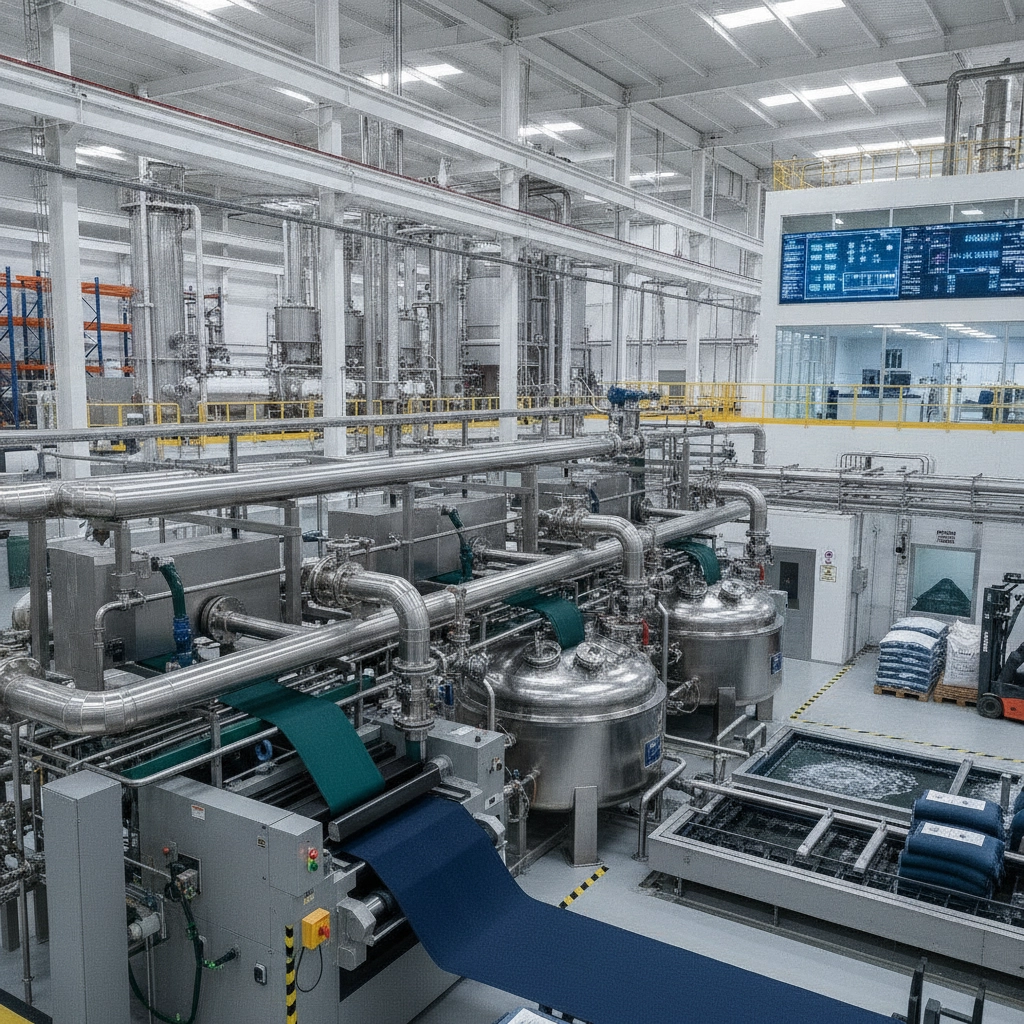
The global textile industry relies heavily on the precise application of textile auxiliary chemicals to transform raw fibers into high-performance fabrics. These specialized agents are not merely additives but are essential catalysts that determine the final hand-feel, color vibrancy, and durability of everything from high-fashion garments to industrial canvases. By optimizing the chemical interactions during processing, manufacturers can significantly reduce water consumption and energy usage, aligning production with modern sustainability goals.
In an era of rapid fast-fashion cycles and increasing regulatory pressure, understanding the chemistry behind these auxiliaries is critical for maintaining a competitive edge. From pre-treatment scouring agents to advanced post-treatment softeners, the right chemical selection ensures that fabrics meet rigorous international standards for safety and quality. The integration of advanced textile auxiliary chemicals allows brands to offer functional textiles, such as moisture-wicking activewear or antimicrobial medical linens, that meet evolving consumer demands.
Ultimately, the strategic implementation of these chemical solutions addresses the core tension between industrial scalability and environmental stewardship. As the industry shifts toward "Green Chemistry," the focus has moved from simple functionality to biodegradable and non-toxic alternatives. Mastering the nuances of textile chemistry enables producers to minimize waste while maximizing the aesthetic and structural integrity of their textile products on a global scale.

Global Relevance of Textile Auxiliary Chemicals
The scale of the global textile market necessitates a highly standardized approach to chemical processing. According to data aligned with ISO standards, the efficiency of dyeing and finishing is almost entirely dependent on the quality of textile auxiliary chemicals used during the production cycle. Without these agents, the inconsistency in dye uptake and fabric shrinkage would make mass production economically unviable.
In major manufacturing hubs across Asia and Europe, the challenge has shifted from mere production to compliance. The industry faces a critical problem: reducing the chemical oxygen demand (COD) in wastewater while maintaining the high-performance characteristics of the fabric. This creates a demand for high-purity auxiliaries that perform better at lower concentrations, reducing the overall environmental footprint of the textile mill.
Defining the Role of Textile Auxiliaries
In simple terms, textile auxiliary chemicals are "helper" substances used alongside primary dyes and fibers to improve the efficiency of the manufacturing process and the quality of the final product. While the dye provides the color, the auxiliary ensures that the color stays bonded to the fiber, that the fabric remains soft, and that it resists wrinkling or shrinking.
These chemicals bridge the gap between raw material limitations and consumer expectations. For instance, raw cotton contains natural waxes and impurities that repel water; pre-treatment auxiliaries (wetting agents and sequesters) remove these barriers, allowing dyes to penetrate the fiber evenly. This intersection of chemistry and material science is what allows for the creation of modern "smart" textiles.
From a humanitarian and industrial perspective, these chemicals enable the creation of protective gear, such as fire-retardant uniforms for emergency responders or moisture-managing fabrics for athletes in extreme climates. By tailoring the molecular structure of the auxiliaries, chemists can imbue ordinary fabrics with extraordinary properties that save lives and enhance human comfort.
Core Components for Fabric Performance
One of the primary factors in selecting textile auxiliary chemicals is Substrate Compatibility. Different fibers—such as polyester, nylon, or organic cotton—react differently to chemical agents. Ensuring that the auxiliary creates a stable bond without degrading the fiber strength is the cornerstone of quality control.
Cost-Efficiency and Dosage Optimization is equally critical. In high-volume manufacturing, a slight reduction in the required amount of a leveling agent or softener can result in millions of dollars in savings. The goal is to achieve maximum effect with minimum chemical load, reducing both the cost per yard and the burden on wastewater treatment plants.
Finally, Environmental Scalability refers to the ability of a chemical to be used across different regional water conditions. Because water hardness varies globally, auxiliaries must be robust enough to perform consistently whether they are used in the soft waters of Northern Europe or the hard waters of Southeast Asia.
Industrial Applications and Use Cases
In real-world contexts, textile auxiliary chemicals are applied across a vast array of specialized sectors. In the denim industry, for example, enzyme-based auxiliaries are used to create the "stonewashed" look without the physical abrasion of pumice stones, which significantly reduces fabric damage and energy consumption.
Furthermore, in the production of medical textiles, antimicrobial auxiliaries are integrated into the fabric structure to prevent the growth of bacteria and fungi. This is particularly vital in remote industrial zones or disaster-relief operations where sterile environments are difficult to maintain, providing an essential layer of protection for both patients and healthcare workers.
Performance Metrics of Various Textile Auxiliary Chemicals
Tangible Advantages and Long-Term Value
The adoption of high-grade textile auxiliary chemicals provides immediate logical benefits, primarily in the form of reduced rework rates. When leveling agents and fixatives work perfectly, the percentage of "off-shade" fabric drops, leading to higher yield and lower material waste. This operational reliability builds trust between the chemical supplier and the textile mill.
Beyond the balance sheet, there is an emotional and ethical value tied to innovation. By transitioning to PFC-free water repellents and biodegradable softeners, companies demonstrate a commitment to the dignity of the workers and the safety of the end consumer. The long-term value lies in brand equity; consumers are increasingly loyal to brands that can prove their fabrics are produced using safe, sustainable chemistry.
Future Trends in Sustainable Chemistry
The future of textile auxiliary chemicals is inextricably linked to the digital transformation of the factory floor. We are seeing the rise of "Smart Auxiliaries" that are designed to work with automated dosing systems, ensuring that the exact milligram of chemical is applied based on real-time sensor data of the fabric's moisture and temperature.
Sustainability is driving a shift toward bio-based surfactants and auxiliaries derived from agricultural waste rather than petroleum. These green innovations are not just ethical choices but are becoming regulatory requirements as governments implement stricter bans on hazardous substances like APEOs (Alkylphenol Ethoxylates).
Furthermore, the integration of nanotechnology is allowing for the creation of "permanent" auxiliaries. Instead of a coating that washes away, nano-auxiliaries bond at the molecular level, providing lifelong stain resistance or UV protection without altering the breathability of the textile.
Overcoming Current Technical Challenges
Despite the advancements, the industry still struggles with the "compatibility paradox," where adding one auxiliary to improve softness might inadvertently reduce the effectiveness of a flame retardant. This requires a holistic approach to formulation, moving away from a "product-by-product" mindset to a "systemic solution" approach.
Another significant challenge is the energy required for drying and curing fabrics after the application of certain textile auxiliary chemicals. Expert insights suggest that the development of low-temperature curing agents is the key to slashing the carbon footprint of the finishing stage.
To overcome these hurdles, manufacturers are investing in collaborative R&D. By simulating chemical interactions in digital twins before physical application, mills can predict outcomes and avoid costly trial-and-error phases, ensuring a seamless transition from laboratory sample to mass production.
Analysis of Technical Solutions for Textile Auxiliary Chemicals
| Challenge Dimension |
Traditional Approach |
Innovative Solution |
Efficiency Gain |
| Water Consumption |
Multiple rinse cycles |
Low-foam wetting agents |
High (40% reduction) |
| Dye Uniformity |
Manual temperature control |
Precision leveling auxiliaries |
Very High (98% consistency) |
| Toxicity |
Formaldehyde-based fixatives |
Bio-polymer alternatives |
Medium (Safety focus) |
| Energy Use |
High-heat stenter drying |
Cold-pad-batch chemicals |
High (Energy saving) |
| Fabric Hand-feel |
Heavy silicone coatings |
Amino-silicone emulsions |
Medium (Better drape) |
| Waste Treatment |
Chemical coagulation |
Biodegradable auxiliaries |
High (COD reduction) |
FAQS
Dyes are the primary agents used to impart color to a fabric. In contrast, textile auxiliary chemicals are supporting agents that facilitate the dyeing process or add specific properties to the fabric. While the dye changes the color, the auxiliaries ensure the dye is distributed evenly, bonded securely, and that the fabric remains soft or water-resistant. Think of dyes as the paint and auxiliaries as the primer, thinner, and sealant that make the paint work effectively.
Yes, absolutely. Although premium textile auxiliary chemicals may have a higher unit price, they often reduce costs through higher efficiency. This includes reducing the amount of water and energy needed, lowering the rate of fabric rejects (off-shade batches), and shortening the overall processing time. In the long run, the reduction in waste and rework far outweighs the initial cost of the chemicals.
It depends on the chemistry. Traditional auxiliaries sometimes contained harmful substances like APEOs or formaldehyde. However, modern industry standards (like OEKO-TEX and ZDHC) have pushed for "Green Chemistry." Most leading manufacturers now produce biodegradable, non-toxic, and skin-friendly auxiliaries. Always check for compliance certifications to ensure the products meet global safety and environmental standards.
Choosing the right chemical requires analyzing the fiber composition (e.g., 60% cotton, 40% polyester). You must consider the desired final effect (softness vs. stiffness) and the dyeing method used. We recommend conducting lab-scale dip tests to check for compatibility and synergy between different agents. Consulting with a technical expert to create a customized "chemical recipe" is the most reliable way to ensure success.
Enzymes act as biological catalysts. In textile processing, they are used for "bio-polishing" to remove protruding fibers (pilling) or for "bio-stoning" in denim to create a faded look without damaging the fabric structure. Because they work at lower temperatures and are biodegradable, enzyme-based auxiliaries are a cornerstone of sustainable textile manufacturing.
The transition should be gradual and data-driven. Start by replacing one high-impact chemical (like a traditional softener) with a bio-based alternative and run a pilot batch. Monitor the KPIs—such as color fastness and hand-feel—against the old standard. By partnering with innovative suppliers who provide technical support, mills can optimize their recipes to maintain quality while meeting sustainability targets.
Conclusion
The strategic use of textile auxiliary chemicals is the invisible force that drives the quality, functionality, and sustainability of the modern garment industry. From the initial scouring of raw fibers to the final application of specialized finishes, these chemicals ensure that fabrics are not only visually appealing but also durable and safe for the consumer. By balancing technical performance with environmental responsibility, the industry can move toward a future where high-fashion and high-ecology coexist.
As we look forward, the integration of bio-based materials and digital precision will redefine the boundaries of textile chemistry. For manufacturers, the path to success lies in adopting a systemic approach to chemical selection—prioritizing efficiency, compliance, and innovation. We encourage you to explore advanced chemical solutions that not only enhance your product's value but also protect the planet for future generations. Visit our website for more professional insights: www.dyeingchem.com