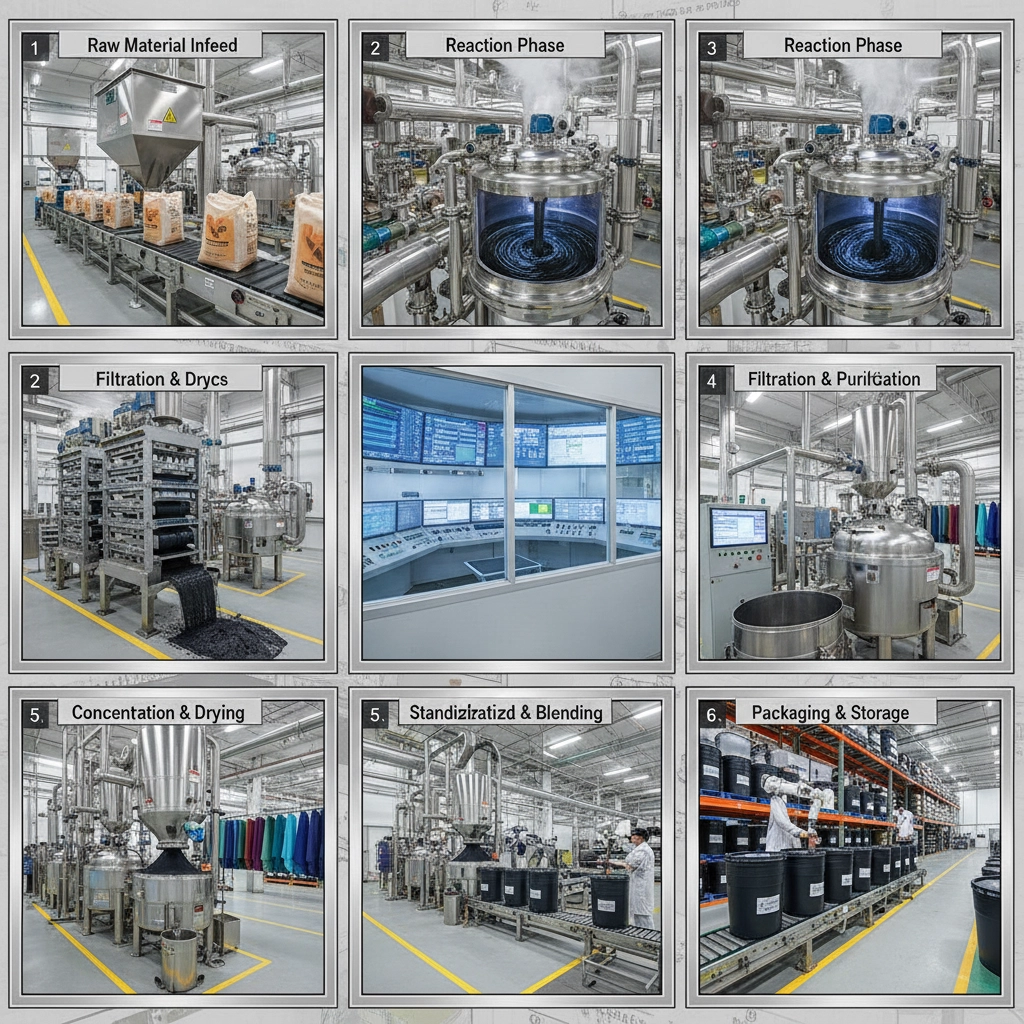
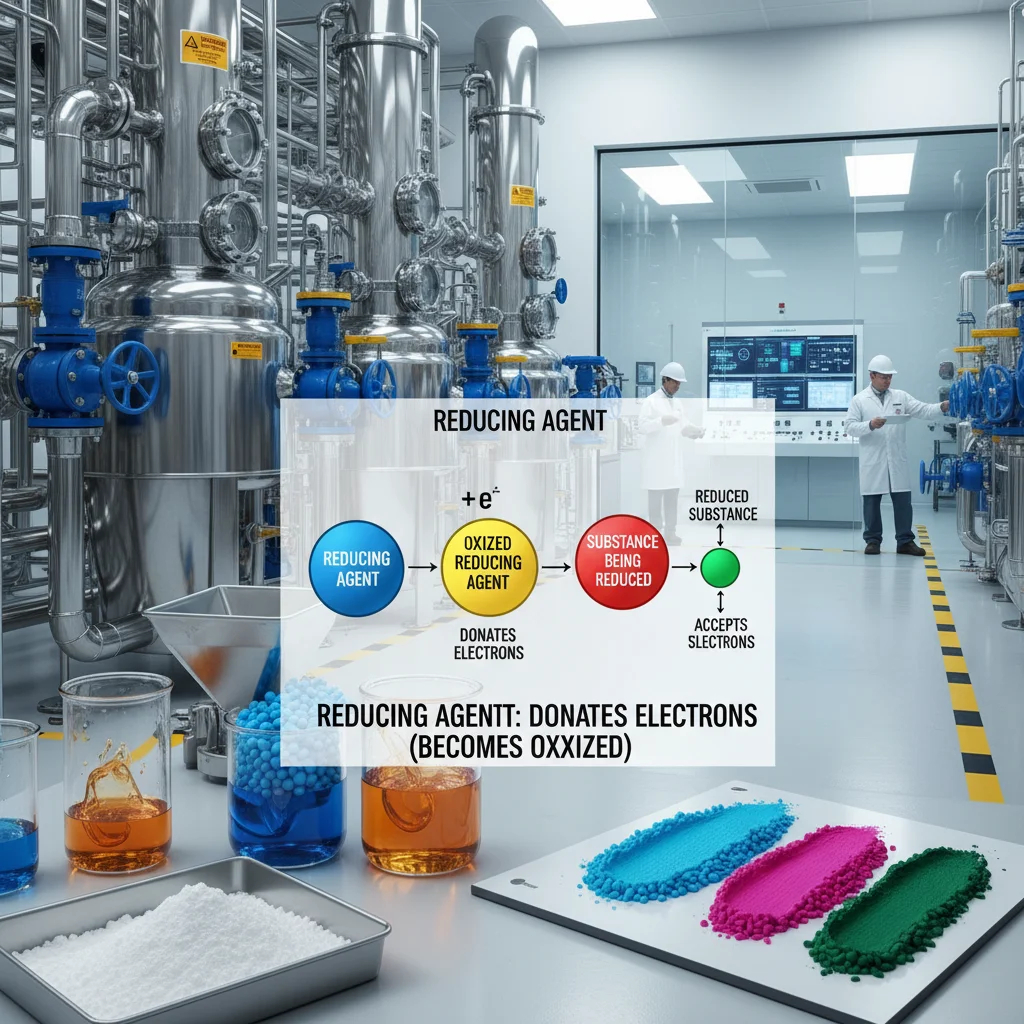
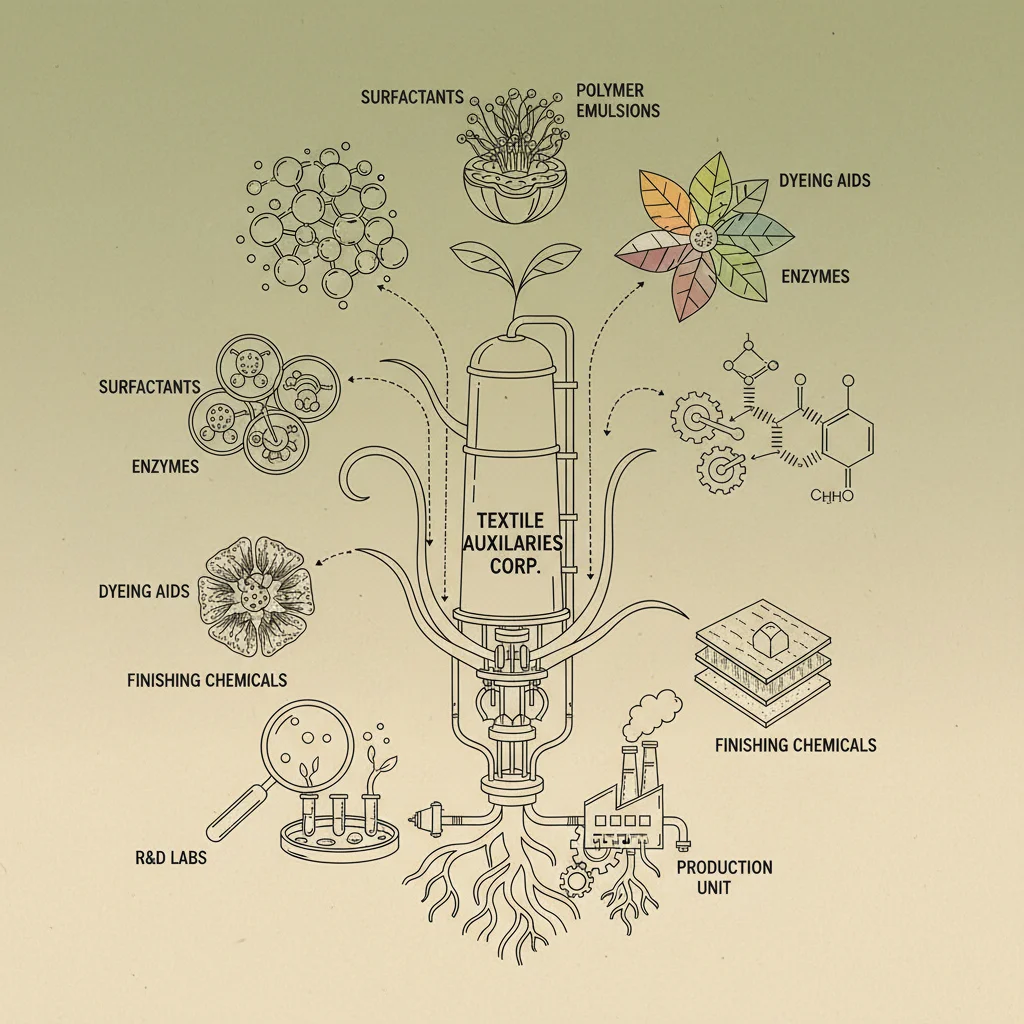
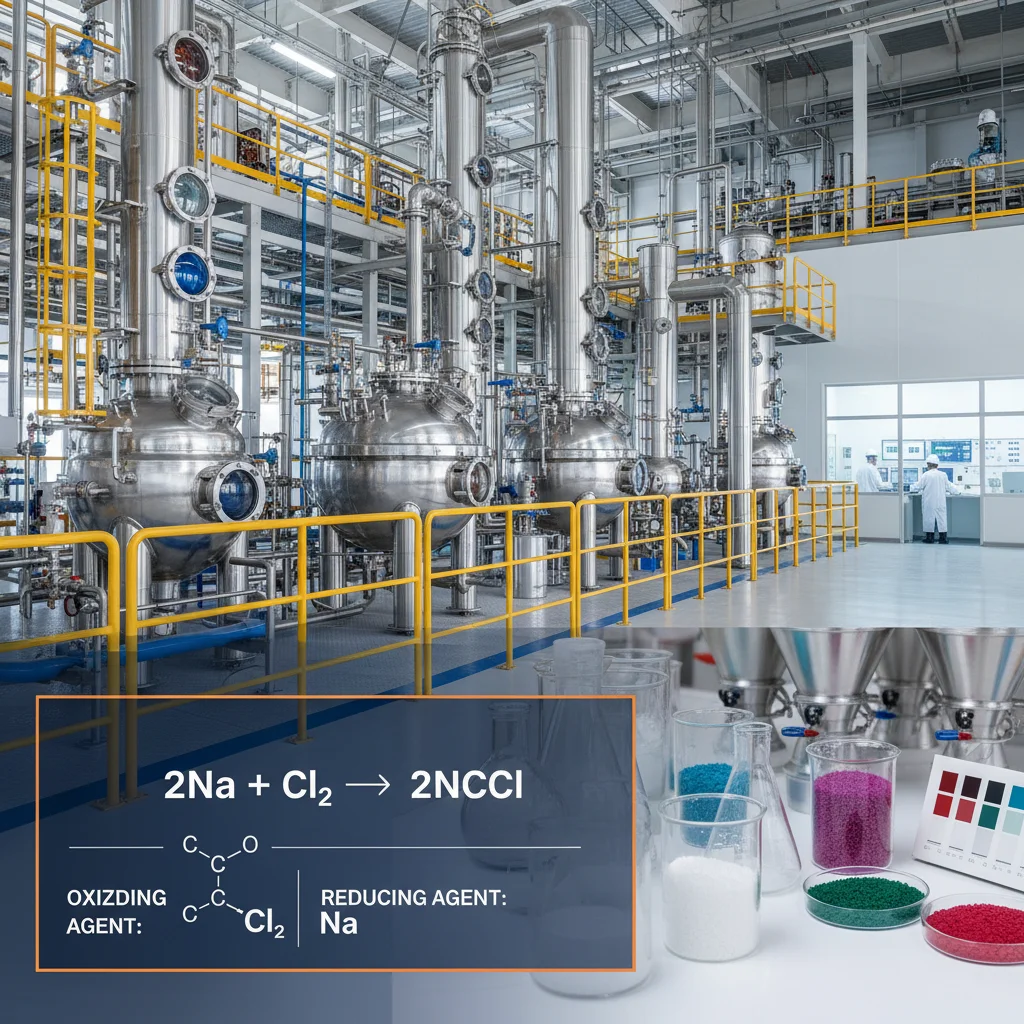
The textile industry is currently witnessing a significant shift toward functional finishes that balance tactile luxury with technical performance. In the realm of specialized chemical applications, the quest for the perfect hand-feel often clashes with the need for moisture management, creating a challenge for manufacturers who rely on high-performance agents. Understanding the synergy between softening agents and traditional dyeing processes, including the use of sulphur dyes in heavy-duty fabrics, is essential for achieving a premium end product.
Modern consumers demand garments that are not only aesthetically pleasing but also breathable and absorbent. This has led to the development of non-silicone hydrophilic softeners and universal softening systems that prevent the hydrophobic barriers typically created by standard silicones. By maintaining the natural capillary action of the fibers, these chemical auxiliaries ensure that performance wear and home textiles remain comfortable, dry, and breathable under various environmental conditions.
For textile engineers, the integration of these softeners into production lines requires a deep understanding of compatibility and process stability. Whether dealing with the deep tones of sulphur dyes in denim or the delicate nature of bamboo blends, the choice of a finishing agent dictates the final drape, flexibility, and skin-friendliness of the fabric, ultimately determining the market value of the garment.

The Role of Hydrophilic Softeners in Performance Textiles
Hydrophilic softeners, particularly non-silicone formulations, are engineered to solve the historical conflict between fabric softness and water absorbency. Traditional silicone agents often leave a hydrophobic film that repels moisture, which is detrimental for towels, activewear, and underwear. By preserving the natural hydrophilicity of the fibers, these specialized agents allow fabrics to absorb and wick perspiration rapidly, ensuring that the wearer remains fresh and dry.
This functionality is critical when working with materials that have undergone intensive dyeing processes, such as the application of sulphur dyes in cotton denim, where maintaining the breathability of the heavy weave is paramount. The hydrophilic system keeps the pore structure of the fabric open, enabling unobstructed airflow and enhancing the capillary effect for superior sweat transport.
Mechanics of Moisture-Wicking Comfort
The core mechanism of a non-silicone hydrophilic softener lies in its ability to reduce fiber friction without creating a moisture barrier. By avoiding the formation of a greasy layer on the fabric surface, the agent ensures that moisture can move freely from the skin to the outer layer of the garment. This results in a cooler, lighter feeling during prolonged wear, which is a key selling point for high-end performance sportswear and bedding.
Furthermore, the dispersion of moisture is evenly distributed across the fabric surface, which accelerates the evaporation process. This is especially beneficial for high-density structures like terry cloth or heavy knits, where moisture tends to trap. The result is a gentle, natural hand feel that is non-greasy and safe for sensitive skin, blending comfort with technical utility.
In industrial applications, this moisture-management capability is often paired with other functional finishes. Whether the fabric uses reactive dyes or the deep blacks achieved by sulphur dyes in traditional workwear, the hydrophilic softener ensures that the functional performance of the textile is not sacrificed for the sake of a soft touch.
Universal Softeners for Diverse Fabric Substrates
Universal softeners are designed as multipurpose solutions for manufacturers handling a wide array of materials. From cotton and polyester to bamboo fibers and spandex blends, these agents provide a consistent, buttery hand feel. Their balanced composition ensures that the fabric's drape is improved and flexibility is increased without adding unnecessary weight or a greasy residue.
A critical advantage of these systems is their neutrality regarding color. When applied to fabrics utilizing sulphur dyes in various shades, the universal softener does not interfere with the vibrancy or fastness of the dye. This preserves the clarity of the color and ensures surface uniformity, which is vital for maintaining quality control in high-speed production lines.
Versatility in application is another hallmark of the universal system, as it can be integrated via padding, exhaustion, or semi-continuous finishing. This adaptability allows it to be used across diverse product categories, including loungewear, children's clothing, and decorative home textiles, providing a reliable, high-quality finish every time.
Process Stability and Production Efficiency
In a modern textile mill, process stability is just as important as the final hand feel. Hydrophilic and universal softeners are formulated to resist yellowing under high heat and maintain strong shear stability during high-speed finishing operations. This means manufacturers can run their lines at maximum efficiency without worrying about precipitation or sedimentation in the chemical baths.
This reliability is essential when processing fabrics that have been treated with sulphur dyes in heavy-duty denim, where high-temperature drying is common. The stability of these softeners ensures a consistent result across thousands of meters of fabric, reducing waste and minimizing the need for costly re-processing.
Performance Efficiency of Finishing Agents
Enhancing Visual Appeal and Surface Smoothness
Beyond the tactile experience, these softening agents significantly improve the visual quality of the textile. By reducing internal fiber friction, the universal softener minimizes the tendency for pilling and creates a smoother, more refined surface. This is particularly useful for garments that have been stiffened during the dyeing or thermosetting stages, as the softener relaxes fiber stresses and restores natural resilience.
Additionally, the use of these agents contributes to improved fabric bulk and rounding, giving the material a fuller, richer appearance. When applied to fabrics colored with sulphur dyes in deep tones, the enhanced surface uniformity helps in achieving a consistent luster and a more luxurious drape, making the final product more visually appealing to the consumer.
Compatibility with Dyeing and Finishing Auxiliaries
One of the most challenging aspects of textile finishing is ensuring that different chemicals do not react adversely. The hydrophilic and universal softeners are engineered for broad compatibility with common auxiliaries such as resins, binders, crosslinking agents, and antimicrobial finishes. This allows manufacturers to build complex finishing recipes without risking precipitation or sedimentation.
This compatibility extends to optical brighteners and various dyeing agents. Whether the process involves the complex chemistry of sulphur dyes in cotton or the precise requirements of synthetic blends, these softeners integrate seamlessly. They maintain the stability of the chemical bath, ensuring that the functional properties of other additives are not compromised.
By utilizing a stable chemical system, mills can reduce the time spent on recipe testing and sampling. The result is a streamlined production process where the final touch—the softness—is achieved without affecting the overall integrity or functionality of the textile, ensuring a clean, fresh, and natural finish.
Comparative Analysis of Softening Systems
Choosing between a hydrophilic softener and a universal softener depends entirely on the intended use of the final garment. The hydrophilic (non-silicone) agent is the gold standard for performance-oriented textiles where breathability and moisture dispersal are non-negotiable. It is the ideal choice for activewear, towels, and bedding where the wearer's comfort depends on the fabric's ability to stay dry.
In contrast, the universal softener is the engine for general apparel and fashion fabrics. It focuses on an elegant touch, improved drape, and reduced friction across a wide variety of substrates. While it provides a luxurious feel, it is designed for versatility, making it the primary choice for loungewear and decorative textiles.
When these two agents are used as part of a comprehensive finishing strategy, they allow a manufacturer to cover all market segments. Whether producing high-performance gear or luxury fashion involving the deep hues of sulphur dyes in denim, these systems ensure that every fabric meets the highest standards of durability and comfort.
Comparison of Softening Systems for Various Textile Applications
| Softener Type |
Primary Benefit |
Best Fabric Match |
Performance Score |
| Hydrophilic (Non-Silicone) |
Moisture-Wicking |
Sportswear / Towels |
9.5 |
| Universal Softener |
Buttery Hand-feel |
Fashion / Loungewear |
9.0 |
| Standard Silicone |
Extreme Softness |
Decorative Fabrics |
6.0 |
| Traditional Wax |
Surface Protection |
Industrial Canvas |
5.0 |
| Natural Oil Finish |
Organic Touch |
Linen / Raw Cotton |
7.0 |
| Cationic Softener |
Anti-Static |
Polyester Blends |
8.0 |
FAQS
No, quite the opposite. Unlike silicone-based softeners that create a water-repellent layer, hydrophilic softeners are specifically designed to preserve and enhance the natural absorbency of the fibers. This ensures that towels can wick moisture rapidly while still feeling soft to the touch.
Yes, universal softeners are formulated to be chemically neutral. They do not interfere with the color vibrancy or fastness of fabrics utilizing sulphur dyes in denim or other cotton textiles, ensuring a consistent and luxurious finish without shade shifting.
Silicone softeners provide an extremely smooth, slippery feel but often create a hydrophobic barrier that blocks moisture. Non-silicone hydrophilic softeners provide a natural, gentle softness while keeping the fabric breathable and absorbent, making them ideal for performance wear.
Yes, both the hydrophilic and universal softeners show broad compatibility with common finishing auxiliaries, including antimicrobial agents, resins, and optical brighteners, allowing for a multi-functional finish without risk of precipitation.
By reducing the friction between individual fibers, these softeners—especially the universal variety—help minimize the tendency for pilling. This results in a smoother surface and extends the overall lifespan and visual quality of the garment.
The universal softener is highly versatile and can be applied via padding, exhaustion, or semi-continuous finishing. For most apparel, padding is the most efficient method to achieve a uniform, buttery hand-feel across the entire fabric surface.
Conclusion
The evolution of textile finishing is defined by the ability to marry comfort with functionality. By utilizing non-silicone hydrophilic softeners and versatile universal agents, manufacturers can overcome the traditional trade-off between softness and absorbency. These solutions ensure that whether a garment is designed for high-intensity sports or high-fashion luxury, it maintains superior breathability, a refined hand-feel, and excellent process stability, even when paired with complex treatments like sulphur dyes in heavy cottons.
Looking forward, the textile industry will continue to move toward "intelligent" finishes that adapt to the wearer's needs while remaining environmentally sustainable. Integrating these advanced softening systems is not just a quality upgrade—it is a strategic move to increase the market value and longevity of textile products. For those seeking to elevate their production standards, exploring these chemical synergies is the key to success. Visit our website: www.dyeingchem.com