Achieving a deep, consistent black shade is one of the most fundamental yet challenging requirements in the textile industry. For decades, sulfur-based dyes have been the gold standard for producing high-intensity black on cellulose fibers, providing the necessary visual depth and durability required for heavy-duty apparel and fashion.
However, traditional powder-based dyeing methods often introduce operational inefficiencies, such as lengthy dissolution times and significant dust pollution. The evolution toward liquid formulations has revolutionized this process, offering a streamlined approach that maintains high color strength while enhancing workplace safety and production speed.
By integrating modern chemical engineering with traditional dyeing principles, the use of sulfur black allows manufacturers to achieve superior penetration and leveling, ensuring that dense fabrics are colored uniformly. This advancement is critical for industries ranging from denim production to industrial workwear.

Operational Advantages of Liquid Sulfur Black
The transition from powder to liquid formulation marks a significant leap in processing efficiency. Liquid sulfur black eliminates the complex and time-consuming dissolution steps typically required for traditional dyes, allowing for direct integration into dye baths. This not only reduces preparation time but also eliminates the risk of powder inhalation, significantly improving the safety and health standards of the textile workshop.
Beyond safety, the liquid form ensures precise dosing and uniform distribution. This consistency is vital for large-scale continuous dyeing and padding processes, where even minor variations in dye concentration can lead to shade inconsistency. By streamlining the workflow and reducing dust pollution, manufacturers can lower their overhead costs while increasing their total throughput.
Core Technical Parameters and Specifications
Liquid sulfur black is engineered as a concentrated anionic liquid, designed specifically for high compatibility with cellulose fibers such as cotton, viscose, and linen. Its mildly alkaline pH value ensures that the fiber structure is optimally primed for dye penetration, resulting in a deep, rich black shade that is highly reproducible across different production batches.
The solubility of the product is a key technical highlight, as it is completely dispersible in water. This prevents the formation of aggregates or clumps in the dye bath, which are common causes of spotting or uneven coloration in traditional dyeing. This stability allows the dye to perform effectively across a wide range of temperatures, making it adaptable to various industrial settings.
Furthermore, the product is designed for long-term storage stability. Unlike some liquid dyes that may suffer from crystallization or sedimentation over time, this formulation remains stable under recommended conditions. This ensures that the color strength remains constant from the first liter to the last, providing peace of mind for inventory management.
The Chemical Mechanism of Color Fixation
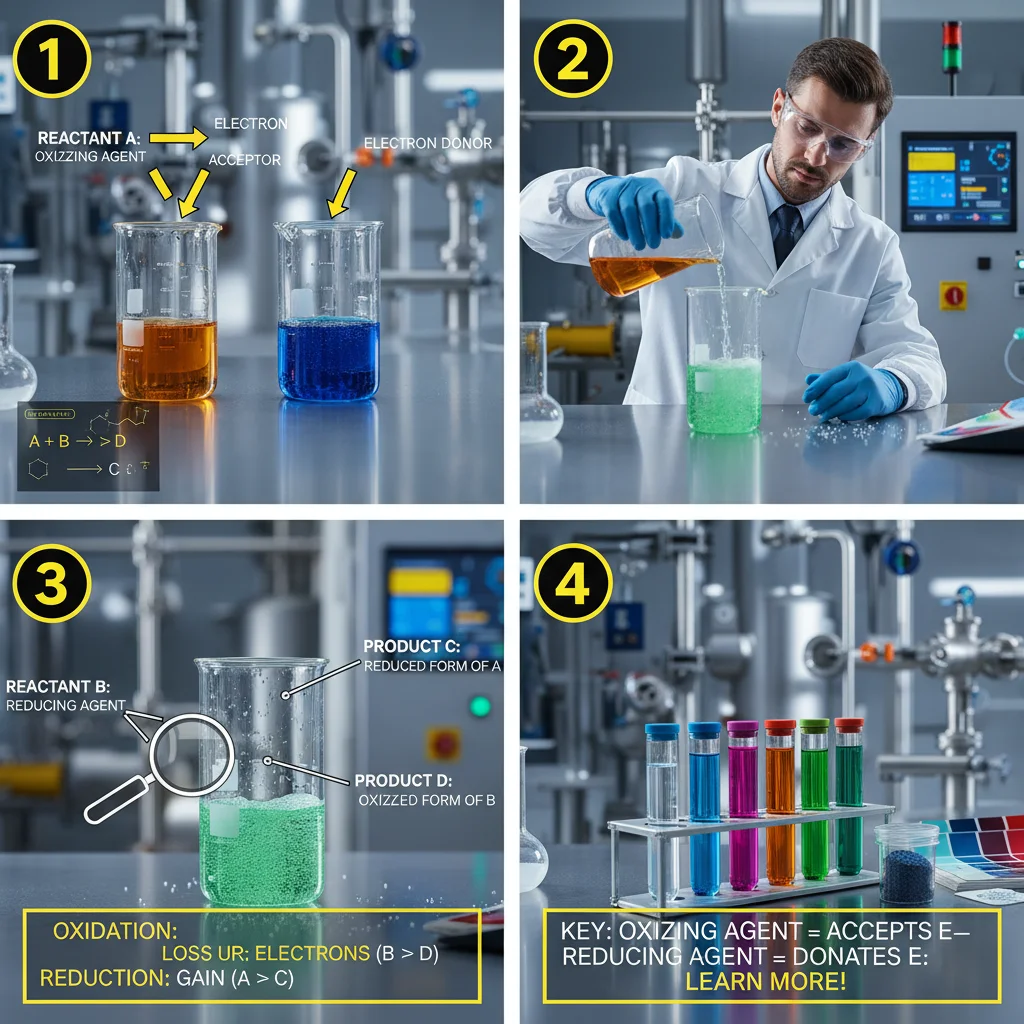
The dyeing process for sulfur black is based on a sophisticated cycle of reduction, penetration, and oxidation. Initially, the dye must be reduced to a soluble leuco form, which allows the molecules to penetrate deep into the amorphous regions of the cellulose fiber. This ensures that the color is not just a surface coating but is embedded within the fabric.
Once the sulfur black molecules have penetrated the fibers, an oxidation step is performed. This process converts the soluble dye back into an insoluble state, effectively trapping the pigment inside the fiber structure. This stable bond is what gives the fabric its characteristic durability and resistance to fading during daily use.
The efficiency of this mechanism depends heavily on the use of proper auxiliaries and controlled temperatures. When executed correctly, the resulting fabric exhibits excellent washing and rubbing fastness, meeting the rigorous quality standards required for high-end denim and industrial workwear.
Performance Comparison in Textile Applications
When evaluating the effectiveness of different dyeing methods, the balance between cost, color depth, and processing speed is paramount. Liquid formulations consistently outperform powder versions in terms of leveling and penetration, especially on heavy-duty fabrics where achieving a uniform shade is notoriously difficult.
Compared to reactive or vat dyes, sulfur-based solutions offer a more cost-effective route to achieving deep black without sacrificing the visual impact required for commercial garments. The following data illustrates the performance ratings across several key industrial metrics.
Comparative Performance Ratings for Sulfur Black Formulations
Global Industry Applications and Use Cases
The versatility of liquid sulfur black makes it a staple in the global garment industry. In the denim sector, it is widely used to create the deep, authentic black tones found in premium jeans and jackets. Because it works efficiently with modern padding and continuous dyeing lines, it is the preferred choice for large-scale mills in textile hubs across Asia and Europe.
Beyond fashion, the dye is essential for the production of industrial workwear and home textiles. In these applications, the focus is on durability and resistance to repeated washing. The stable bond formed between the dye and cellulose fibers ensures that the garments maintain their professional appearance even under harsh usage conditions, such as in remote industrial zones or heavy-duty cleaning environments.
Long-Term Value and Sustainability Benefits
From a commercial perspective, the long-term value of adopting liquid sulfur black lies in the reduction of production waste and rework. By minimizing shade variation and ensuring high reproducibility between batches, manufacturers can significantly lower their rejection rates. This operational reliability translates directly into higher profit margins and improved customer trust.
Sustainability is also a key driver. The elimination of powder dust reduces the environmental footprint within the factory, contributing to a cleaner workspace and lower healthcare costs for employees. Additionally, the compatibility with automated dosing systems reduces chemical waste, aligning production with modern green manufacturing standards.
Moreover, the efficiency of the liquid form reduces the energy required for dissolution, as high-temperature mixing phases are shortened or eliminated. This decrease in energy consumption not only lowers costs but also helps textile mills meet increasingly strict global environmental regulations regarding carbon emissions.
Overcoming Common Dyeing Challenges
One of the primary challenges in sulfur dyeing is ensuring complete fixation and preventing "bleeding" during the first few washes. To overcome this, it is essential to implement a rigorous oxidation and soaping process. Proper after-treatment removes unfixed dye particles from the surface of the fiber, which drastically improves rubbing and washing fastness.
Another common issue is the potential for shade variation in heavy fabrics. The use of high-quality penetrants and leveling agents in conjunction with the liquid dye ensures that the liquor penetrates every fold of the fabric. This prevents the "streakiness" often seen in lower-quality black dyeing operations, providing a professional, uniform finish.
Finally, temperature control during the reduction phase is critical. By maintaining a stable temperature range, manufacturers can prevent premature oxidation, ensuring that the dye penetrates the fiber fully before being fixed. The following table summarizes the key optimization factors for achieving professional results.
Optimization Matrix for Sulfur Black Dyeing Processes
| Process Stage |
Critical Factor |
Typical Solution |
Impact Score (1-10) |
| Preparation |
Dye Dispersion |
Liquid formulation dosing |
9 |
| Dyeing |
Fiber Penetration |
Use of wetting agents |
8 |
| Fixation |
Oxidation Rate |
Controlled aeration/chemicals |
10 |
| After-treatment |
Surface Residue |
Hot soaping process |
9 |
| Quality Control |
Shade Consistency |
Automated dosing systems |
8 |
| Storage |
Sedimentation |
Stabilized liquid form |
7 |
FAQS
Liquid Sulfur Black offers several critical advantages: it eliminates the need for time-consuming dissolution steps, significantly reduces dust pollution in the workplace, and allows for more accurate dosing. This results in higher production efficiency, improved workplace safety, and better shade consistency across different batches compared to traditional powder dyes.
This product is specifically engineered for cellulose fibers. This includes natural fibers like cotton and linen, as well as regenerated cellulose fibers like viscose. It is particularly effective for dense fabrics used in denim, workwear, and home textiles due to its excellent penetration and leveling properties.
To achieve optimal fastness, it is crucial to ensure complete oxidation after the dyeing process to fix the dye inside the fiber. Following this with a thorough soaping and washing process is essential to remove any unfixed dye residues from the fabric surface, which prevents bleeding and rubbing.
Yes, the liquid formulation is specifically designed for compatibility with automated dosing systems and continuous dyeing lines. Its stable chemical structure and water-dispersible nature ensure that it flows consistently through machinery, reducing the risk of clogging and improving process control.
No, the liquid form does not compromise the color depth. In fact, because it disperses more evenly in the dye bath, it often results in a more uniform and rich black shade. The high color strength is maintained, allowing manufacturers to achieve the deep black tones required for premium apparel.
The product is designed for long-term stability; however, it should be stored in a cool, dry place away from direct sunlight. Keeping the containers tightly sealed prevents contamination and maintains the liquid's consistency, ensuring there is no crystallization or sedimentation before use.
Conclusion
The adoption of liquid sulfur black represents a pivotal shift toward more efficient, safe, and consistent textile production. By combining the unmatched color depth of sulfur dyes with the operational convenience of a liquid formulation, manufacturers can overcome the traditional hurdles of dust pollution and dissolution delays. The result is a streamlined process that ensures high-quality, durable black coloration across a variety of cellulose fabrics.
Looking forward, the integration of such advanced dyeing solutions with automated systems will continue to drive sustainability and productivity in the textile industry. For manufacturers seeking to balance cost-efficiency with premium visual results, upgrading to liquid formulations is a strategic necessity. To learn more about our high-performance dyeing solutions, visit our website: www.dyeingchem.com