The dyeing of cotton with sulphur dyes remains a cornerstone of the global textile industry, particularly for producing deep blacks and browns in heavy-duty fabrics. This specialized chemical process is valued for its exceptional wash-fastness and cost-effectiveness, making it the preferred choice for denim and workwear manufacturers worldwide. By leveraging the unique chemical properties of sulphur-based chromophores, producers can achieve intense coloration that withstands rigorous industrial use.
From a global economic perspective, the demand for robust and affordable cotton textiles has kept sulphur dyeing relevant despite the rise of synthetic alternatives. The process involves a complex reduction phase where insoluble dyes are converted into soluble leuco forms, allowing them to penetrate the cotton fiber deeply. This technical precision ensures that the final product maintains its aesthetic appeal over years of wear and repeated laundering cycles.
Understanding the intricacies of dyeing of cotton with sulphur dyes is essential for textile engineers seeking to balance high-performance output with environmental compliance. As the industry shifts toward more sustainable chemistry, optimizing the reduction and oxidation stages becomes critical to reducing water consumption and chemical waste.

The Fundamental Chemistry of Sulphur Dyeing
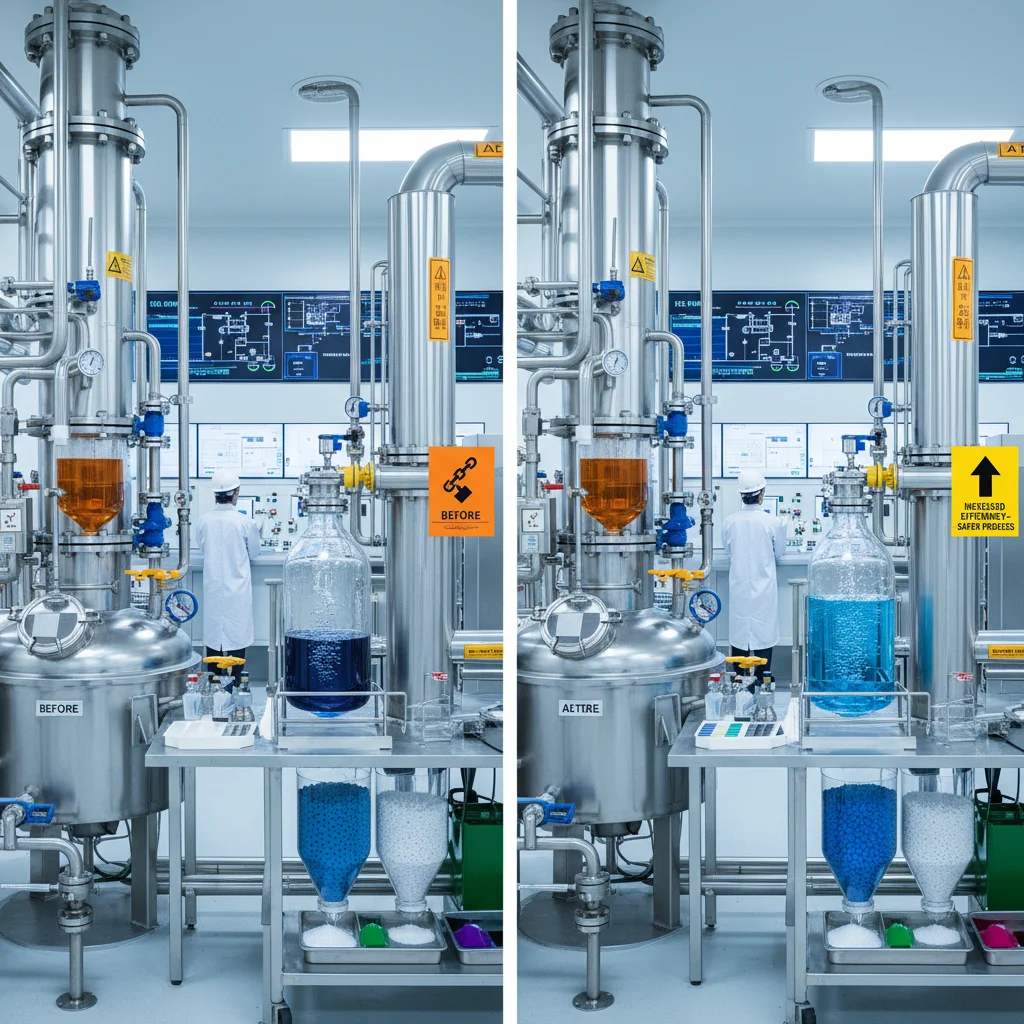
The process begins with the reduction of the sulphur dye using a reducing agent, typically sodium sulphide, in an alkaline medium. This chemical reaction transforms the insoluble dye into a water-soluble leuco compound, which can then migrate into the porous structure of the cotton fiber. Once the fiber is saturated, the leuco compound is oxidized—either through air exposure or chemical oxidants—returning the dye to its original insoluble form and locking the color within the cellulose.
This mechanism is what gives the dyeing of cotton with sulphur dyes its legendary durability. Because the dye precipitates inside the fiber, it becomes physically trapped, creating a bond that is highly resistant to leaching. This makes it an ideal solution for textiles that encounter harsh environmental conditions or frequent industrial scrubbing.
Global Industrial Relevance and Demand
In the current global textile market, the demand for heavy-duty cotton fabrics remains consistent, driven largely by the denim and workwear sectors. According to industrial trends, sulphur dyes are indispensable for achieving the "deep black" shades required for high-end denim, which often combine sulphur and indigo dyes to create multi-dimensional colors. This synergy allows manufacturers to meet the rigorous aesthetic and functional requirements of global fashion brands.
Challenges such as the need for high water consumption and the management of sulphide waste have led the industry to seek more refined application methods. However, the unparalleled cost-to-performance ratio ensures that these dyes remain a staple in manufacturing hubs across Asia and South America. The ability to produce large batches of consistent, dark-colored fabric at a low cost is a critical competitive advantage for these regions.
Furthermore, the adaptability of the process to different cotton blends ensures its longevity. Whether it is 100% pure cotton or cotton-polyester blends, the chemical versatility of sulphur dyes allows for tailored adjustments in the reduction bath, ensuring that the fabric retains its strength while gaining intense coloration.
Technical Factors for Optimal Color Depth
Achieving a uniform and deep shade during the dyeing of cotton with sulphur dyes requires precise control over the pH level and temperature of the dye bath. If the alkalinity is too low, the dye may not dissolve completely, leading to spotting or uneven coloration. Conversely, excessive alkalinity can damage the cellulose fibers, reducing the tensile strength of the final fabric.
The ratio of reducing agent to dye is another critical factor in the dyeing of cotton with sulphur dyes. An insufficient amount of sodium sulphide will result in poor dye penetration, while an excess can lead to the degradation of the dye molecules themselves. Professional dye-houses utilize automated dosing systems to maintain this delicate balance, ensuring that the leuco form remains stable throughout the immersion process.
Finally, the oxidation phase must be carefully managed to avoid "tendering" of the cotton. Tendering occurs when the fabric is exposed to prolonged alkaline conditions without proper neutralization, leading to premature wear. By integrating an efficient rinsing and neutralization sequence, technicians can maximize the brilliance of the dyeing of cotton with sulphur dyes while preserving the integrity of the textile.
Performance Metrics and Cost Efficiency
When comparing different coloration methods, the economic efficiency of using sulphur dyes is unmatched for dark shades. The low raw material cost combined with the high exhaustion rate means that less dye is wasted compared to reactive dyes for similar deep tones. This makes the process highly scalable for massive production runs in the denim industry.
Beyond cost, the performance metrics center on wash-fastness and light-fastness. While sulphur dyes may not match the brilliance of reactive dyes, their ability to stay locked within the fiber makes them superior for garments that undergo heavy abrasion. This reliability is a key driver for the adoption of these methods in the safety apparel sector.
Performance Comparison of Dyeing Methods
Global Application Use Cases
The most prominent application of this technology is found in the denim heartlands of Mexico, Turkey, and China. Here, the dyeing of cotton with sulphur dyes is used to create the deep charcoal and black bases that are then subjected to stone washing or laser distressing. This process creates the high-contrast vintage look that is highly sought after in the global fashion market.
Beyond fashion, this method is widely used in the production of military uniforms and industrial overalls. In these contexts, the focus is not on fashion but on the ability of the fabric to resist fading under intense sunlight and repeated chemical exposure. The robustness of the sulphur bond ensures that the gear remains functional and professional-looking throughout its service life.
Long-term Value and Sustainability
The long-term value of sulphur dyeing lies in its ability to produce garments with a longer lifecycle. By creating a highly durable color bond, these fabrics do not need to be replaced as frequently as those dyed with less stable methods. This "slow fashion" attribute contributes to a reduction in overall textile waste, providing a logical path toward greater sustainability.
From an emotional standpoint, the trust that industrial workers place in their gear is based on reliability. The consistency of the dyeing of cotton with sulphur dyes ensures that the protective properties of the fabric are not compromised by the coloring process. This stability fosters confidence in the safety and durability of the apparel.
Innovation in the field is now focusing on reducing the environmental footprint of the process. New organic reducing agents and closed-loop water recycling systems are being implemented to mitigate the impact of sulphides on local ecosystems, ensuring that the economic benefits of the process do not come at an environmental cost.
Future Innovations in Sulphur Dyeing
The future of the dyeing of cotton with sulphur dyes is leaning heavily toward digitalization and automation. Smart sensors are now being integrated into dye vats to monitor redox potential in real-time, allowing for instantaneous adjustments to the chemical concentration. This eliminates human error and significantly reduces the amount of chemical waste produced per batch.
Moreover, the industry is exploring the use of enzyme-assisted dyeing to lower the required temperatures for the reduction process. By using bio-catalysts, manufacturers can achieve the same color depth at lower energy levels, directly reducing the carbon footprint of the textile mill. This marriage of biochemistry and traditional dyeing is paving the way for "green" sulphur dyeing.
Additionally, the development of liquid sulphur dyes is simplifying the application process. These pre-reduced forms eliminate the need for complex on-site reduction stages, reducing the risk of chemical handling accidents and improving the consistency of the final shade across different production facilities.
Comparative Analysis of Sulphur Dyeing Innovation Paths
| Innovation Type |
Primary Goal |
Implementation Difficulty |
Impact Score (1-10) |
| Digital Monitoring |
Precision Control |
Medium |
8 |
| Enzyme Catalysts |
Energy Reduction |
High |
9 |
| Liquid Dyes |
Process Simplification |
Low |
7 |
| Closed-Loop Water |
Zero Discharge |
Very High |
10 |
| Organic Reducers |
Toxicity Reduction |
Medium |
8 |
| Automated Dosing |
Consistency |
Low |
7 |
FAQS
Sulphur dyes are preferred because they can produce extremely deep, saturated blacks and browns at a much lower cost than reactive or vat dyes. Additionally, they offer superior wash-fastness, which is essential for garments that undergo frequent heavy cleaning, such as workwear and denim.
The process uses a reducing agent (like sodium sulphide) in an alkaline bath to convert the insoluble sulphur dye into a water-soluble leuco form. This allows the dye to penetrate the cotton fibers. Once the fabric is removed and exposed to air or an oxidant, the dye reverts to its insoluble form, trapping the color inside the fiber.
Traditionally, sulphur dyeing has faced challenges due to the use of sulphides and high water consumption. However, modern innovations such as closed-loop water systems, organic reducing agents, and liquid dyes are significantly reducing the environmental impact and making the process more sustainable.
Tendering is the weakening of cotton fibers caused by prolonged exposure to high alkalinity during the dyeing process. It can be prevented by strictly controlling the pH level of the dye bath and ensuring a thorough neutralization and rinsing process after the oxidation stage.
Yes, sulphur dyes are commonly used on cotton-polyester blends. While they primarily bond with the cotton component, the overall effect is a durable, dark shade. For a perfectly uniform look, manufacturers often use a combination of sulphur dyes for cotton and disperse dyes for the polyester portion.
Sulphur dyes are generally significantly cheaper than reactive dyes, especially when producing dark shades. They require fewer auxiliary chemicals for fixation and have a high exhaustion rate, making them the most economical choice for mass-market heavy-duty textiles.
Conclusion
The dyeing of cotton with sulphur dyes remains an indispensable technical process in the textile industry, balancing extreme durability with economic viability. By mastering the chemistry of reduction and oxidation, manufacturers can produce high-performance fabrics that meet the demanding needs of the denim and industrial sectors. The integration of precision monitoring and eco-friendly chemicals is ensuring that this traditional method evolves to meet modern sustainability standards.
Looking forward, the industry must continue to embrace digital transformation and green chemistry to maintain the relevance of sulphur dyes. For textile producers and engineers, the key to success lies in optimizing the balance between color depth and fiber integrity. To explore high-quality auxiliaries and professional solutions for your textile processes, visit our website: www.dyeingchem.com.