Professional Guide to Using Sulphur Black Powder in Textile Dyeing
Professional Guide to Using Sulphur Black Powder in Textile Dyeing
The Ultimate Guide to Sulphur Black Powder in Textile Dyeing
In the competitive landscape of textile manufacturing, achieving a deep, consistent, and durable black hue is a fundamental challenge. The sulphur black powder remains one of the most cost-effective and widely used solutions for dyeing cotton and cellulose fibers. Known for its exceptional depth of shade and strong affinity for natural fibers, this specialized chemical is essential for producing high-quality denim, workwear, and home textiles. Understanding its chemical properties and application methods is key to optimizing production efficiency and ensuring color fastness. In this comprehensive guide, we will explore the technical advantages and practical implementations of this vital dye.

Chemical Composition and Characteristics of Sulphur Black Powder
The chemistry behind sulphur black powder involves complex polysulphides that are insoluble in water. To make the dye soluble and capable of penetrating the fiber, it must undergo a reduction process, typically using sodium sulphide or sodium hydrosulphite. Once the dye is reduced to its soluble "leuco" form, it enters the fiber and is subsequently oxidized back to its insoluble black form, locking the color within the textile structure. This process ensures a high level of wash fastness and a characteristic deep black tone that is difficult to replicate with reactive dyes at a similar cost point.
Technical Highlight: The efficacy of the dyeing process depends heavily on the pH value and the reduction potential of the dye bath, ensuring the sulphur black powder is fully dissolved before fabric entry.
Optimizing the Application of Sulphur Black Powder
To achieve a flawless finish, textile engineers must precisely control the temperature and the concentration of reducing agents. The application of sulphur black powder is most effective when the fabric is thoroughly scoured to remove impurities. Over-reduction can lead to fiber damage, while under-reduction results in uneven dyeing or "spotting." Modern manufacturing plants now utilize automated dosing systems to maintain a consistent chemical balance, significantly reducing waste and improving the reproducibility of the black shade across different batches.
Application Best Practices:
• Ensure precise pH monitoring during the reduction phase
• Utilize high-quality wetting agents for uniform penetration
• Implement a thorough oxidation step to stabilize the color
• Post-dyeing soaping to remove unfixed dye particles
Comparing Sulphur Black Powder with Reactive Black Dyes
When deciding between sulphur black powder and reactive black dyes, manufacturers must balance cost, durability, and environmental impact. While reactive dyes offer superior light fastness, sulphur dyes are unmatched in terms of economy and the specific "matte" deep black look preferred in denim. The sulphur process is generally more robust for heavy-duty industrial fabrics. Below is a detailed comparison showing why sulphur black remains the industry standard for specific segments.
Industrial Applications of Sulphur Black Powder
The utility of sulphur black powder extends across various textile sectors. In the denim industry, it is the primary choice for creating the deep black foundations of black denim jeans, allowing for specific fading effects during stone washing. Additionally, it is widely used in the production of industrial uniforms, canvas bags, and heavy cotton upholstery where durability and cost-effectiveness are paramount. Because it bonds so strongly with cellulose, the resulting fabric maintains its professional appearance even after repeated industrial laundering, making it indispensable for the workwear sector.

Technical Specifications of Premium Sulphur Black Powder
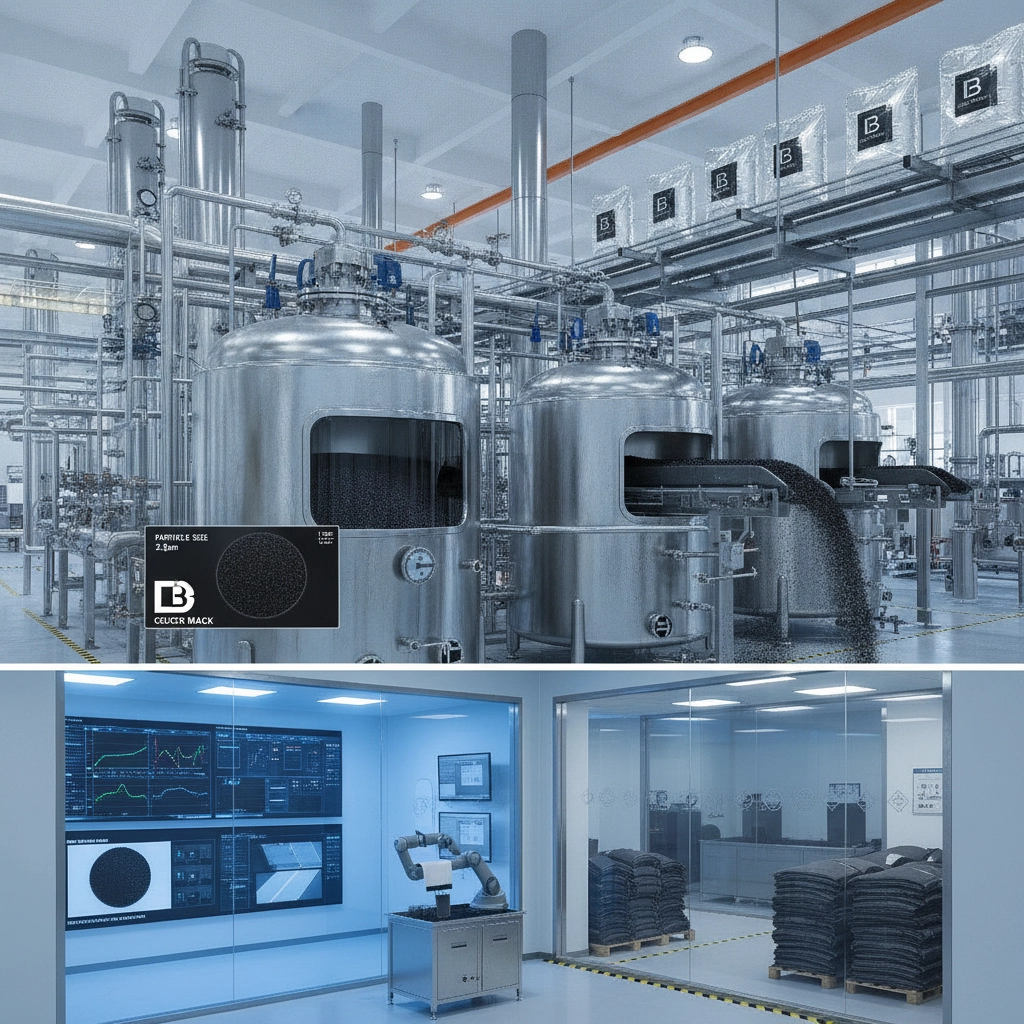
To ensure consistent results, it is critical to source sulphur black powder that meets strict purity and particle size standards. Fine powder ensures faster dissolution and reduces the risk of fabric spotting. Below are the typical technical specifications for a high-grade industrial sulphur black powder used in professional dyeing mills.
Environmental Management in Sulphur Dyeing
As the textile industry moves toward sustainability, managing the effluent from sulphur black powder processing is a priority. The use of reducing agents like sodium sulphide can increase the Chemical Oxygen Demand (COD) of wastewater. To mitigate this, leading manufacturers are adopting advanced oxidation processes and wastewater treatment plants that neutralize sulphides and remove residual dyes before discharge. Implementing a closed-loop water system can significantly reduce the environmental footprint while maintaining the high production volumes required by the global market.
Conclusion: Maximizing Value with Quality Sulphur Black Powder
The sulphur black powder remains an indispensable asset for the textile industry, offering an unbeatable combination of cost-efficiency and depth of color. By mastering the reduction-oxidation cycle and adhering to strict quality specifications, manufacturers can produce textiles that meet the highest standards of durability and aesthetics. For those seeking reliable chemical solutions to elevate their textile production, investing in high-purity sulphur dyes is a strategic move toward operational excellence and market competitiveness.
Frequently Asked Questions (FAQs)
How do I prevent spotting when using sulphur black powder?
Spotting typically occurs due to incomplete dissolution of the dye or poor fabric wetting. To prevent this, always ensure the sulphur black powder is fully reduced in a separate vessel before adding it to the main dye bath. Using high-quality dispersing agents and ensuring the fabric is thoroughly pre-scoured will also allow the dye to penetrate the fibers uniformly. Additionally, maintaining constant agitation in the dyeing machine prevents the dye from settling and creating uneven patches on the material.
What is the best reducing agent for sulphur black powder?
The choice of reducing agent depends on the desired speed of the process and the fabric type. Sodium sulphide is the most common and cost-effective choice for industrial applications. However, for finer fabrics or when a more controlled reduction is needed, sodium hydrosulphite (sodium dithionite) is often used. Many modern mills use a combination of both to optimize the reduction potential while minimizing the harshness on the cellulose fibers, ensuring a deep black shade without compromising textile strength.
Can sulphur black powder be used on synthetic fibers?
Sulphur black powder is specifically designed for cellulose-based fibers such as cotton, viscose, and linen. It does not have a strong affinity for synthetic fibers like polyester or nylon. If you are dyeing a blend (e.g., poly-cotton), the sulphur black powder will only dye the cotton portion of the fabric, leaving the polyester white or unchanged. In such cases, a two-stage dyeing process using a disperse dye for the polyester and a sulphur dye for the cotton is required to achieve a solid black color.
How is the oxidation process handled after dyeing?
Oxidation is the critical final step where the soluble leuco-dye is converted back into its insoluble form. This is typically achieved by exposing the fabric to air (atmospheric oxidation) or by using chemical oxidants such as hydrogen peroxide. Proper oxidation is essential for achieving maximum wash fastness. If the oxidation is incomplete, the fabric may exhibit "bleeding" or rubbing during subsequent processing. A controlled oxidation bath ensures that the sulphur black powder is locked permanently into the fiber matrix.