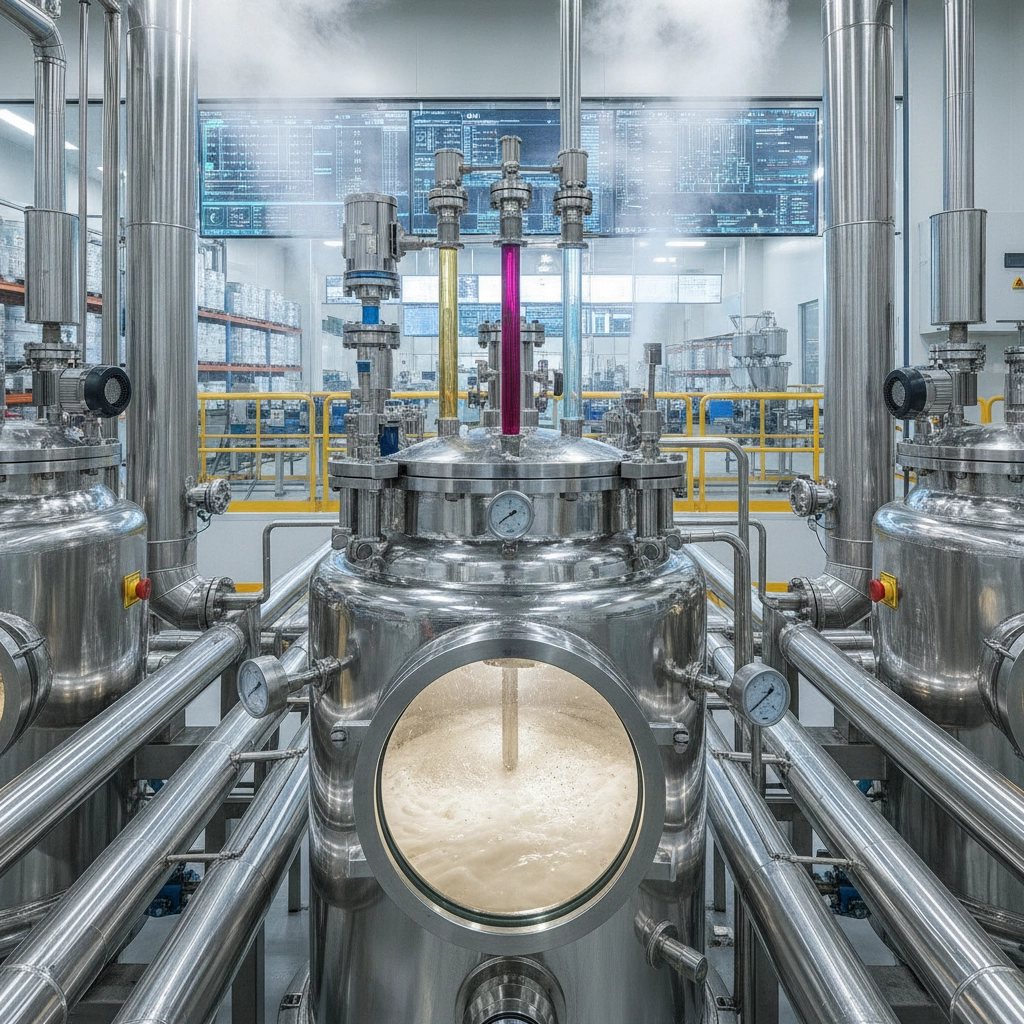
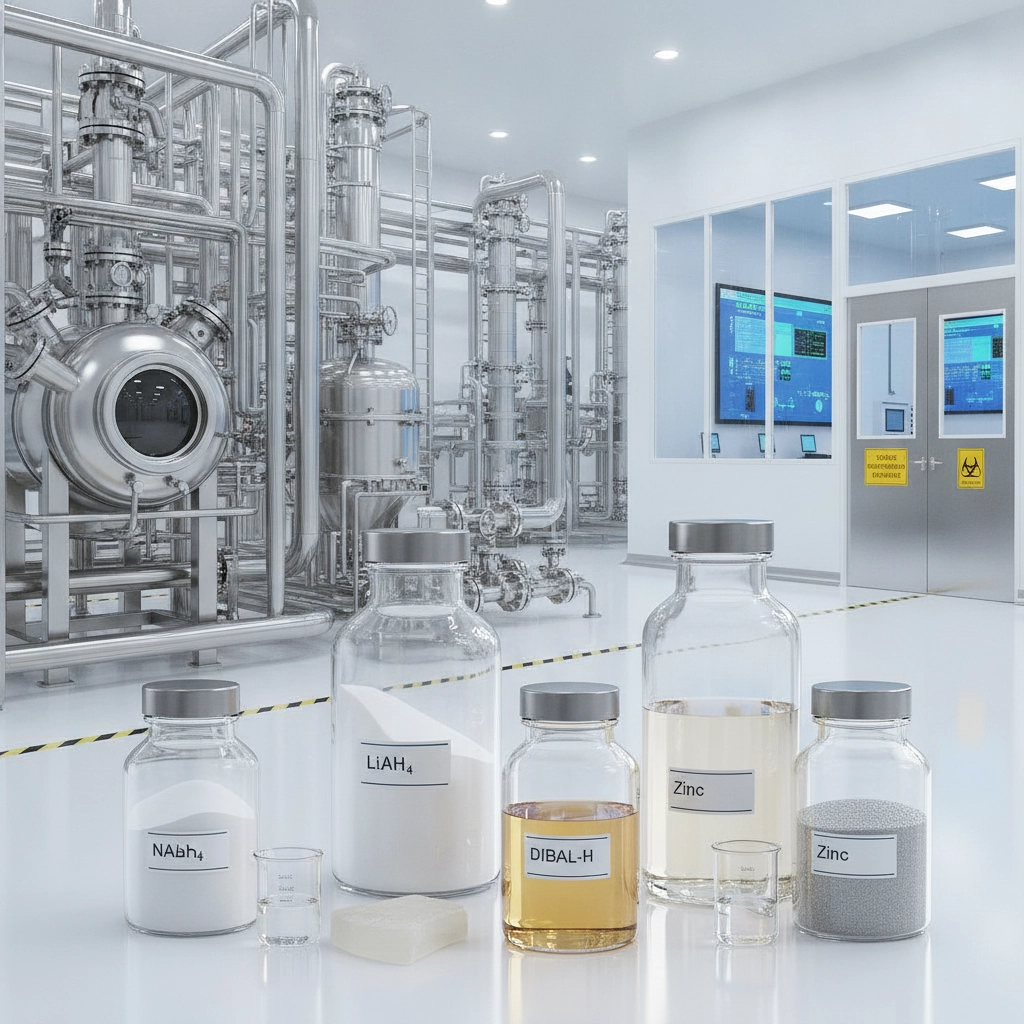
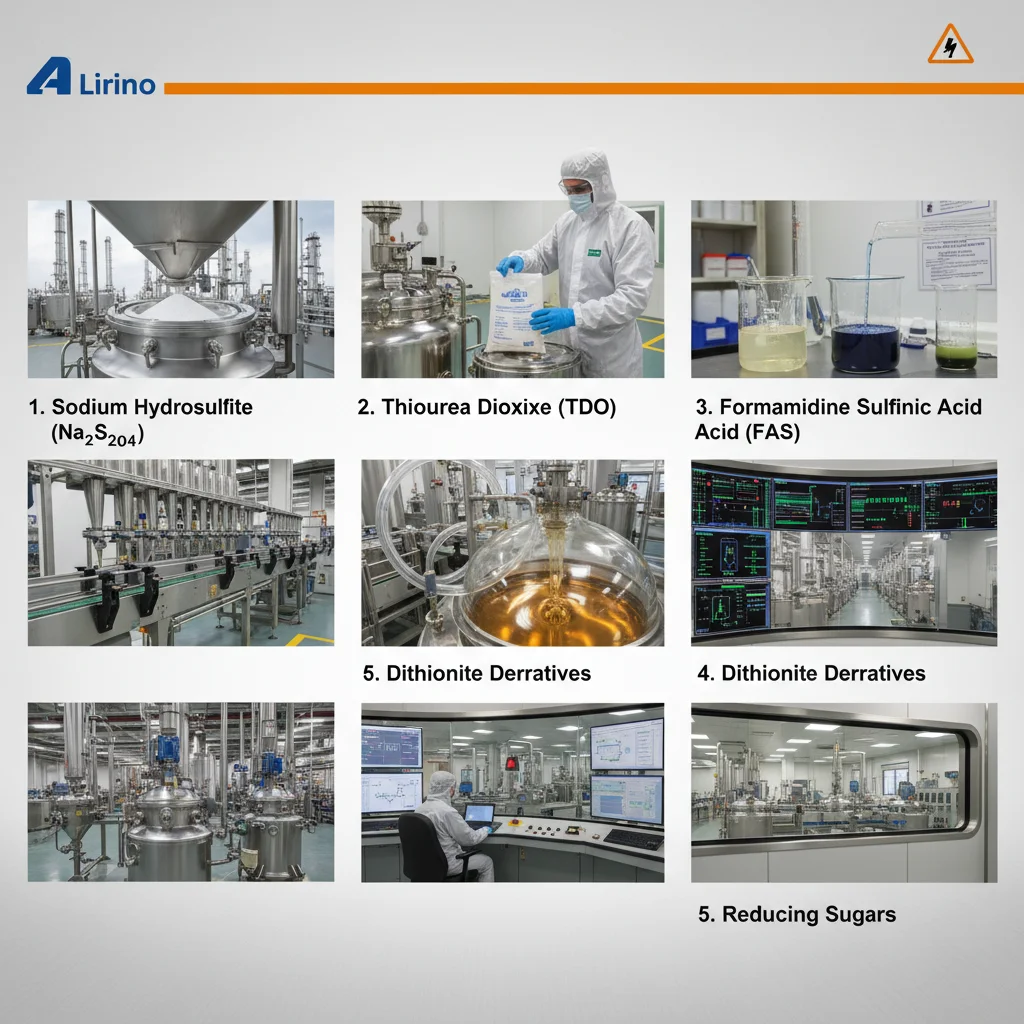
In the sophisticated world of textile chemistry, the precision of chemical reactions often hinges on the strategic use of an oxidizing and reducing agent. These substances are not merely additives but are the fundamental drivers of redox reactions that allow manufacturers to manipulate fiber properties, remove impurities, and achieve precise color shades in the dyeing process. Understanding the delicate balance between oxidation and reduction is essential for any facility aiming to optimize its pre-treatment and post-treatment workflows.
Globally, the textile industry is facing immense pressure to move toward sustainable chemistry while maintaining high-performance standards. The role of an oxidizing and reducing agent has evolved from simple bleaching or stripping to highly controlled processes that minimize water waste and energy consumption. By integrating advanced chemical agents, mills can reduce the harshness of traditional processing, thereby protecting the structural integrity of the fabric.
For professionals in the chemical auxiliaries sector, mastering the application of these agents means achieving a superior level of consistency. Whether it is the reduction of sulfur dyes for deep blacks or the oxidation of organic contaminants during pre-treatment, the correct choice of an oxidizing and reducing agent ensures that the final textile product meets international quality standards and customer expectations for durability and vibrancy.

Global Industry Context of Oxidizing and Reducing Agents
The global textile auxiliary market is currently undergoing a paradigm shift, driven by ISO standards and environmental regulations that demand a reduction in toxic runoff. The strategic implementation of a high-purity oxidizing and reducing agent is central to this transition, as these chemicals are indispensable in the preparation of raw fibers and the fixing of dyes across various substrates.
In regions such as Southeast Asia and India, where textile manufacturing is concentrated, the challenge lies in balancing high-volume output with chemical safety. The misuse of these agents can lead to fabric degradation or wastewater toxicity, highlighting the urgent need for professional-grade auxiliaries that offer predictable reaction kinetics and lower environmental footprints.
Defining Oxidizing and Reducing Agents in Textiles
In the simplest chemical terms, an oxidizing agent is a substance that gains electrons in a reaction, thereby oxidizing another substance, while a reducing agent is one that loses electrons, facilitating the reduction of its partner. In the context of textile manufacturing, these are not just theoretical concepts but practical tools used to alter the molecular structure of dyes and fibers to achieve specific commercial results.
For instance, during the pre-treatment phase, an oxidizing agent is often employed as a bleaching agent to remove natural pigments from cotton or wool, creating a "blank canvas" for subsequent dyeing. Conversely, reducing agents are critical in the application of vat dyes and sulfur dyes, where they convert the insoluble dye into a soluble "leuco" form that can penetrate the fiber core.
The connection to modern industry needs is clear: without the precise application of an oxidizing and reducing agent, the consistency of "Fast Fashion" colorways and the durability of industrial textiles would be impossible to maintain. This chemical duality allows for the complete control of the textile's appearance and tactile feel.
Core Components of Redox Chemistry Efficiency
The efficiency of any oxidizing and reducing agent is primarily determined by its Redox Potential. This is the measure of the tendency of a chemical species to acquire electrons; a higher potential ensures a more aggressive reaction, which is necessary for stubborn stains but must be managed to avoid damaging the delicate cellulose chains of the fabric.
Selectivity and Stability are equally critical. A professional-grade agent must target only the intended molecules—such as the sulfur bonds in a dye—without attacking the fabric itself. Stability ensures that the chemical remains active throughout the dyeing cycle, preventing uneven patches or "streaking" in the finished garment.
Finally, Cost-Efficiency and Dosage Control dictate the commercial viability of the process. By optimizing the concentration of the oxidizing and reducing agent, manufacturers can reduce the amount of neutralizing agents required in the post-treatment phase, significantly lowering the overall cost per meter of fabric produced.
Global Applications and Industrial Use Cases
In real-world industrial contexts, the application of these agents varies by the desired end-product. In the denim washing industry, reducing agents are used to strip indigo from the surface of the yarn to create "vintage" faded effects. This process requires an extremely controlled oxidizing and reducing agent to ensure that the fade is uniform and doesn't result in holes in the fabric.
Beyond fashion, in remote industrial zones producing high-tenacity technical textiles for oilfields or aerospace, these agents are used to remove lubricants and sizing agents during the scouring process. The use of a potent oxidizing agent ensures that the surface of the fiber is perfectly clean, allowing for the maximum adhesion of functional coatings or flame-retardant treatments.
Effectiveness Comparison of Redox Auxiliary Methods
Long-Term Value and Sustainability Advantages
The transition toward high-performance oxidizing and reducing agent solutions offers tangible economic benefits. By reducing the quantity of chemicals needed to achieve a "pure white" or a "deep black," mills can lower their raw material spend and reduce the volume of effluent that must be treated. This not only saves money but also aligns the company with global ESG (Environmental, Social, and Governance) goals.
Beyond the balance sheet, there is a significant human element: safety and trust. Using stabilized, low-toxicity agents reduces the risk of chemical burns and respiratory issues for factory workers. When a brand can guarantee that its fabrics were processed using sustainable redox chemistry, it builds deeper trust with the modern, eco-conscious consumer, adding a layer of emotional value to the physical product.
Future Trends in Redox Auxiliary Innovation
The future of the oxidizing and reducing agent market is leaning heavily toward "Green Chemistry." We are seeing a rise in bio-based reducing agents derived from agricultural waste, which offer similar electronic transfer capabilities to traditional sulfur-based chemicals but with biodegradable by-products.
Digital transformation is also playing a role. Automation and real-time sensors now allow for the "precision dosing" of redox agents based on the pH and temperature of the dye bath. This eliminates human error and ensures that the agent is used at its peak efficiency, preventing the over-saturation of chemicals in the water.
Furthermore, the integration of ozone-based oxidation is replacing traditional bleach in many high-end facilities. This gaseous approach to oxidation significantly reduces water usage and eliminates the need for caustic neutralizing agents, representing a leap forward in sustainable textile post-treatment.
Overcoming Challenges in Chemical Application
One of the most common limitations in current practice is the instability of reducing agents when exposed to air, which can lead to premature oxidation and uneven dyeing. To overcome this, industry experts suggest using stabilized liquid formulations or "just-in-time" mixing systems that keep the oxidizing and reducing agent separated until the exact moment of application.
Another challenge is the residual chemical content that can lead to fabric yellowing over time. The solution lies in the implementation of rigorous "rinsing cycles" and the use of chelating agents that bind to leftover metal ions from the redox process, ensuring that the final garment remains color-fast and pristine throughout its lifespan.
Finally, the lack of technical training in smaller mills often leads to inefficient dosage. Providing comprehensive technical data sheets and consulting services helps these operators understand the stoichiometric requirements of their processes, turning a costly chemical expense into a strategic operational advantage.
Comparative Analysis of Redox Agent Performance in Different Textile Processes
| Application Process |
Agent Type Required |
Critical Success Factor |
Sustainability Score (1-10) |
| Cotton Bleaching |
Strong Oxidizing Agent |
Temperature Control |
7 |
| Sulfur Dyeing |
Strong Reducing Agent |
pH Stability |
5 |
| Indigo Stripping |
Controlled Reducing Agent |
Contact Time |
6 |
| Organic Impurity Removal |
Mild Oxidizing Agent |
Selectivity |
8 |
| Vat Dye Reduction |
High-Potency Reducing Agent |
Solubility Rate |
6 |
| Post-Treatment Neutralization |
Mild Redox Balance |
Rinse Efficiency |
9 |
FAQS
An oxidizing agent removes electrons and is primarily used for bleaching or removing impurities to prepare the fabric. A reducing agent donates electrons and is essential for making certain dyes, like sulfur or vat dyes, soluble so they can penetrate the fibers. The two are often used in sequence: one to prepare the fabric and the other to apply the color.
Yes, if the concentration is too high or the contact time is too long, a strong oxidizing agent can degrade the polymer chains of the fiber, leading to loss of tensile strength or "pinholes" in the fabric. This is why using a stabilized, professional-grade auxiliary and monitoring the pH level is critical for maintaining fabric integrity.
Reducing agents are often sensitive to moisture and air. To maintain their potency, they should be stored in airtight, moisture-proof containers in a cool, dry environment. Many manufacturers now provide stabilized liquid forms that are less prone to premature oxidation than traditional powder forms.
Absolutely. The industry is moving toward ozone-based oxidation and bio-based reducing agents. These alternatives significantly reduce the chemical load in wastewater and eliminate the need for harsh caustic soda, making the entire production cycle more sustainable and compliant with international environmental laws.
Dosage depends on the fiber type, the weight of the fabric, and the desired result. The best approach is to perform a laboratory "dip test" to find the minimum effective concentration. Consulting the technical data sheet provided by your chemical supplier is essential to avoid wasting material or damaging the fabric.
The reactivity of both oxidizing and reducing agents is highly dependent on pH. For example, many reducing agents only work effectively in an alkaline environment. If the pH drifts, the chemical may become inactive or, conversely, too aggressive, leading to uneven dyeing or fabric degradation.
Conclusion
The strategic application of an oxidizing and reducing agent is a cornerstone of high-quality textile production. From the initial bleaching of raw fibers to the complex reduction of deep-shade dyes, these chemicals provide the necessary control to ensure consistency, durability, and vibrancy. By focusing on the balance of redox potential, selectivity, and dosage, manufacturers can significantly enhance their product quality while reducing operational waste.
Looking ahead, the integration of green chemistry and digital precision will redefine how we use these auxiliaries. The shift toward bio-based agents and ozone technology is not just an environmental necessity but a commercial opportunity to lead in a sustainable global market. We encourage textile professionals to audit their current chemical workflows and explore advanced redox solutions to ensure their production remains competitive and eco-friendly. Visit our website for more professional insights: www.dyeingchem.com