In the complex landscape of textile chemistry, understanding the chemical dynamics of oxidizing agent vs reducing agent is fundamental to achieving high-quality fabric finishes. While these terms typically describe electron transfer in chemical reactions, their conceptual application in the textile industry relates to how materials are treated, bleached, and softened to meet consumer demands for comfort and durability.
Global textile manufacturing is currently shifting toward high-performance "smart" fabrics, where the balance between chemical stability and functional softness is critical. The challenge lies in maintaining the natural hydrophilicity of fibers while applying finishing agents that do not trigger adverse reactions—essentially managing the chemical environment to ensure that the fabric remains breathable and absorbent.
By analyzing the interplay of oxidizing agent vs reducing agent principles, manufacturers can better optimize the use of advanced softeners. This article explores how these chemical concepts inform the development of Hydrophilic and Universal Softeners, ensuring that textiles achieve a luxurious hand feel without sacrificing technical performance.
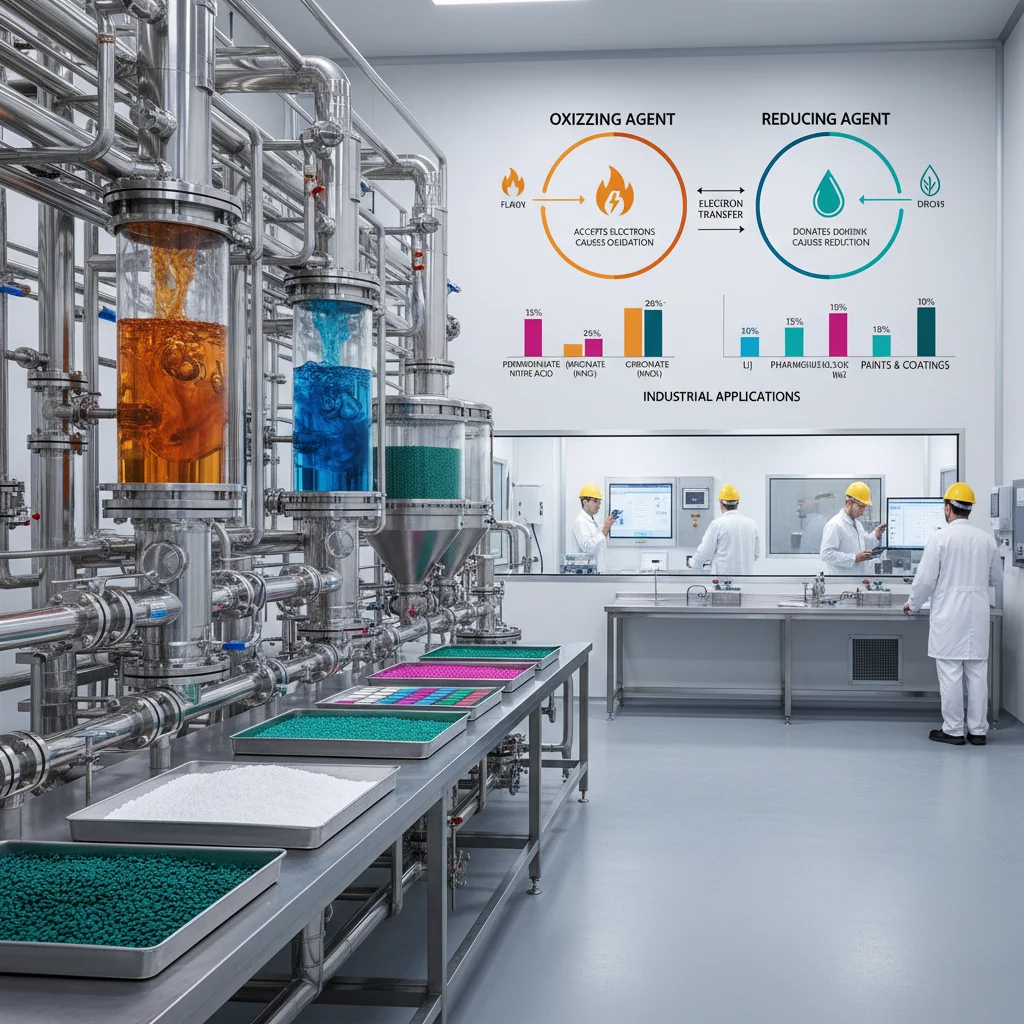
The core distinction in the debate of oxidizing agent vs reducing agent lies in the movement of electrons. An oxidizing agent gains electrons, causing another substance to be oxidized, while a reducing agent loses electrons, reducing the other substance. In textile processing, this chemical dance is what allows for effective bleaching and dye fixation.
Understanding this balance is vital when introducing finishing agents like non-silicone softeners. If a fabric has been treated with harsh oxidizing agents during pretreatment, the subsequent application of a hydrophilic softener must be compatible to ensure that the fiber's capillary structure remains open and functional.
When considering oxidizing agent vs reducing agent in the context of finishing, the primary goal is to avoid degradation of the fiber. Over-oxidation can lead to fabric brittleness, whereas improper reduction can affect color consistency. This is why a stable softener formulation is necessary to "reset" the tactile quality of the fabric after these intense chemical stages.
Traditional silicone softeners often create a hydrophobic barrier that can shield the fabric from further chemical interactions, but they also stop the fabric from absorbing moisture. By moving toward hydrophilic, non-silicone systems, manufacturers can maintain the chemical integrity achieved during the redox stages while adding a soft, natural hand feel.
The synergy between the pretreatment chemistry and the final softening stage determines the end-user's experience. A fabric that has been balanced correctly in terms of its redox history and then treated with a high-performance universal softener will exhibit superior drape and a luxurious touch.
The application of a Hydrophilic Softener (Non-silicone) represents a strategic shift in how we view oxidizing agent vs reducing agent dynamics in finishing. Rather than creating a seal, this agent preserves the natural hydrophilicity of fibers, allowing for rapid moisture wicking.
By avoiding silicone components, the Hydrophilic Softener ensures that the fabric does not become hydrophobic, a common issue when chemical residues from oxidizing agent vs reducing agent processes are not properly managed. This makes it indispensable for activewear and towels.
The result is a garment that feels cooler and more breathable. It facilitates the transport of perspiration away from the skin, utilizing the fabric's natural capillary effect, which remains unobstructed by the non-greasy, gentle finish of the softener.
To understand the efficacy of these products, we must look at how they perform across different textile substrates. Whether dealing with the aftermath of oxidizing agent vs reducing agent treatments on cotton or polyester, the choice of softener dictates the final quality.
The following data illustrates the performance ratings of various finishing approaches, focusing on breathability, hand-feel, and process stability to provide a clear comparison.
The Universal Softener is designed as a versatile tool for manufacturers who need consistent results across various materials. Unlike specialized agents that might react unpredictably to the residues of oxidizing agent vs reducing agent processes, the Universal Softener provides a buttery, smooth hand feel for everything from bamboo fibers to denim.
Its ability to improve drape and flexibility without adding greasiness makes it an elegant choice for fashion fabrics and loungewear. Furthermore, it preserves the vibrancy of dyed fabrics, ensuring that the color clarity is not compromised by the softening process.
In a modern production environment, efficiency is as important as quality. The stability of a softener under high-temperature drying and high-speed shear is critical, especially when the fabric has already undergone stressful oxidizing agent vs reducing agent cycles.
The Hydrophilic and Universal softeners are formulated to resist yellowing and sedimentation. This ensures that the finishing line remains clean and that the output is uniform, regardless of the speed of the machinery.
Additionally, these agents show broad compatibility with other auxiliaries such as antimicrobial finishes and optical brighteners. This seamless integration allows manufacturers to create complex, multi-functional fabrics without worrying about chemical precipitation or adverse interactions.
Choosing between a Hydrophilic Softener and a Universal Softener depends on the intended use of the textile. For performance-driven garments where the balance of oxidizing agent vs reducing agent was optimized for strength and purity, the Hydrophilic option is best for maintaining sweat transport.
For luxury apparel and home textiles, where the tactile "feel" is the primary value driver, the Universal Softener’s ability to reduce fiber friction and minimize pilling is a significant advantage. This increases the perceived value of the garment and extends its lifespan.
Ultimately, integrating these softeners into the production chain allows for a comprehensive finishing system that elevates the fabric from a raw material to a high-value consumer product.
| Product Type | Primary Benefit | Ideal Fabric | Performance Score |
|---|---|---|---|
| Hydrophilic Softener | Moisture Wicking | Activewear/Towels | 9.5 |
| Universal Softener | Buttery Hand Feel | Fashion/Bedding | 9.0 |
| Non-Silicone System | Breathability | Underwear/Socks | 8.8 |
| High-Stability Finish | Heat Resistance | Industrial Knits | 8.5 |
| Anti-Pilling Finish | Surface Smoothness | Denim/Rayon | 8.7 |
| Multi-Fiber Agent | Versatility | Blended Fabrics | 9.2 |
An oxidizing agent, such as hydrogen peroxide, removes color by breaking down chromophores through oxidation. In contrast, a reducing agent is often used in sulfur dye stripping or specific bleaching processes to return the fabric to a colorless state by donating electrons. Balancing these is key before applying softeners.
No, the Hydrophilic Softener is designed to enhance comfort without compromising the fiber's structural integrity. Because it is non-silicone, it doesn't create a brittle layer, ensuring the fabric maintains its strength through repeated wash cycles.
Yes, the Universal Softener is engineered for versatility. It performs exceptionally well on polyester, spandex, rayon, and bamboo blends, providing a consistent, smooth hand feel regardless of the fiber composition.
Unlike silicone softeners that can clog the fabric's pores with a hydrophobic film, non-silicone hydrophilic softeners keep the pore structure open. This allows air and moisture to pass through freely, enhancing the garment's overall breathability.
Absolutely. One of the key advantages of the Universal Softener is its broad compatibility with resins, binders, and antimicrobial agents, allowing manufacturers to integrate multiple functions into a single finishing recipe.
Both the Hydrophilic and Universal softeners are formulated to be low-yellowing, even in high-temperature drying environments. This ensures that the brightness achieved during the oxidizing agent phase of pretreatment is preserved.
The chemical tension between oxidizing agent vs reducing agent defines the early stages of textile production, but the final character of the fabric is determined by the finishing agents used. By strategically selecting between Hydrophilic Softeners for performance and Universal Softeners for luxury, manufacturers can ensure that their textiles are not only chemically stable but also tactilely superior.
As the industry moves toward more sustainable and functional textiles, the focus will shift further toward non-silicone, breathable solutions that enhance wearer comfort without sacrificing environmental or process efficiency. We encourage manufacturers to optimize their finishing recipes to achieve the perfect balance of softness and functionality. Visit our website for more professional textile solutions: www.dyeingchem.com

If you are interested in our products, you can choose to leave your information here, and we will be in touch with you shortly.