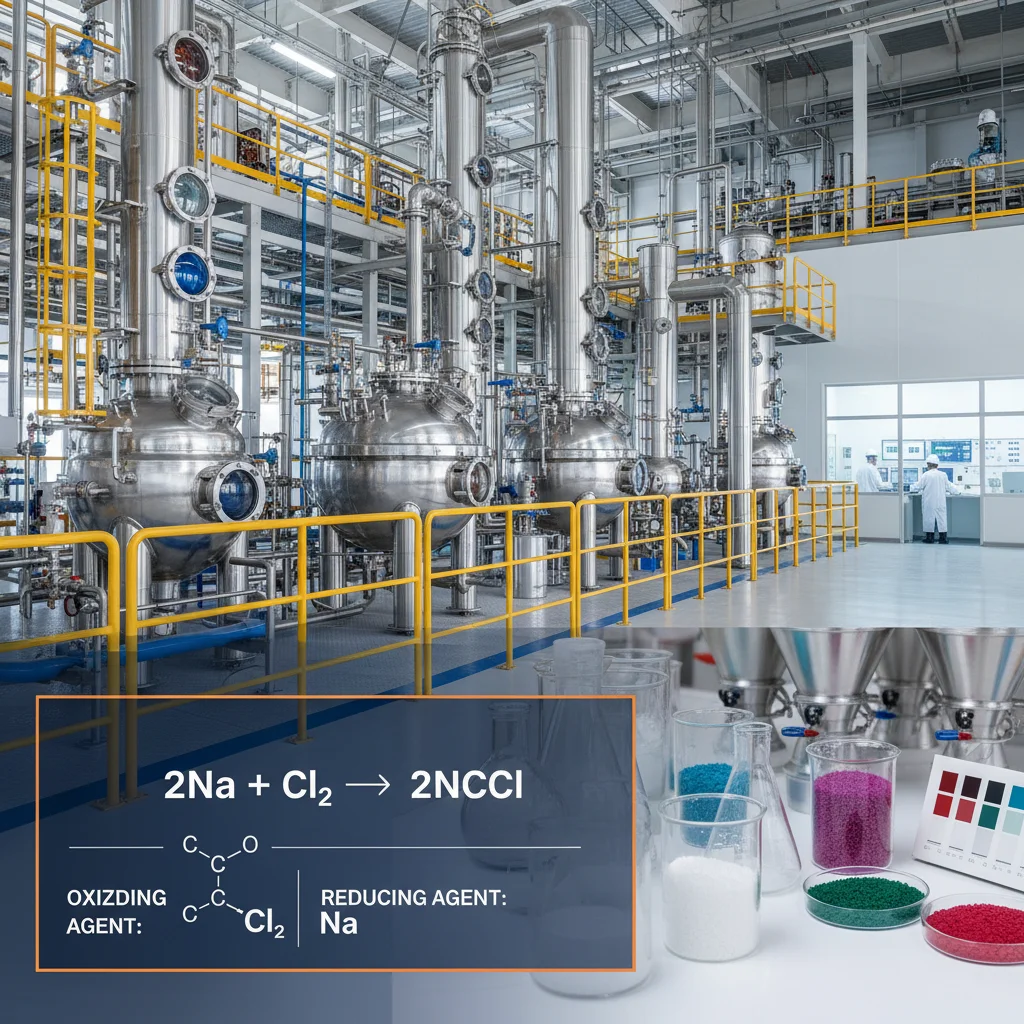
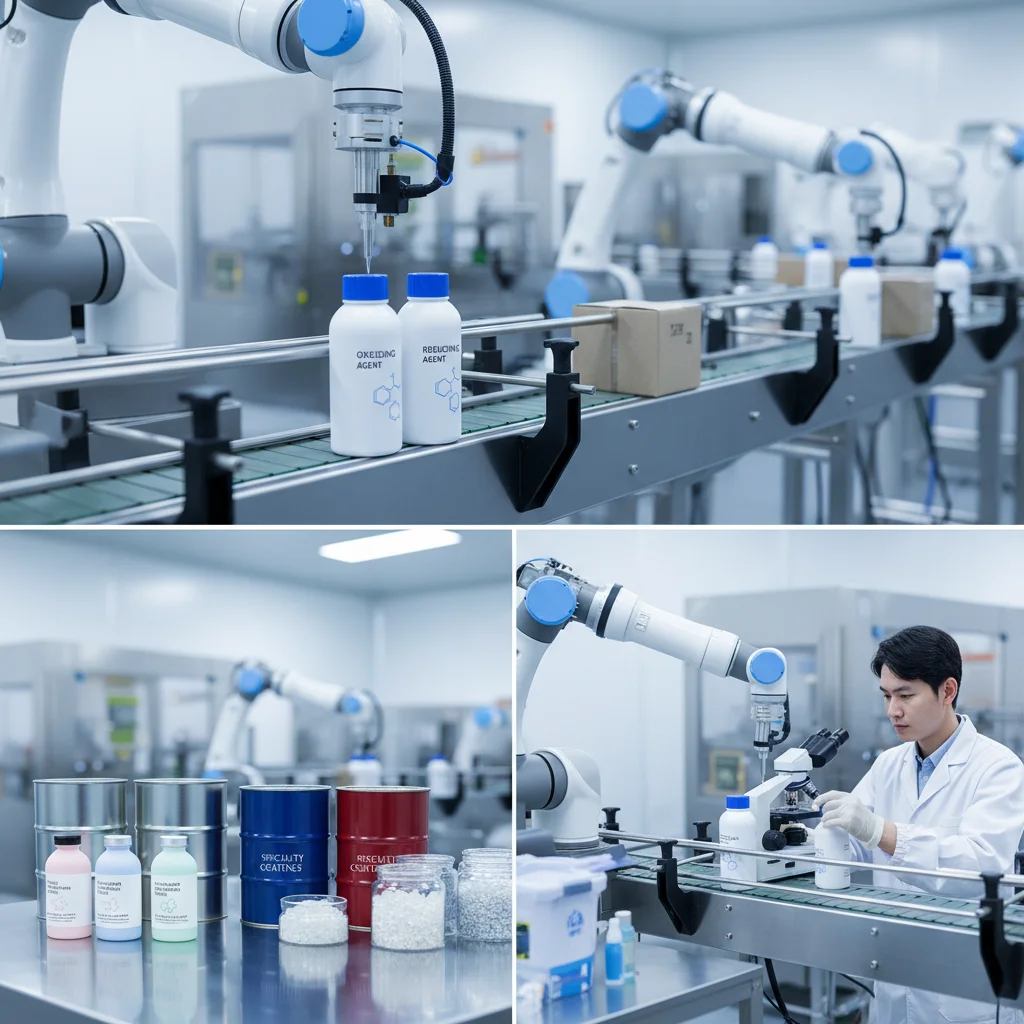
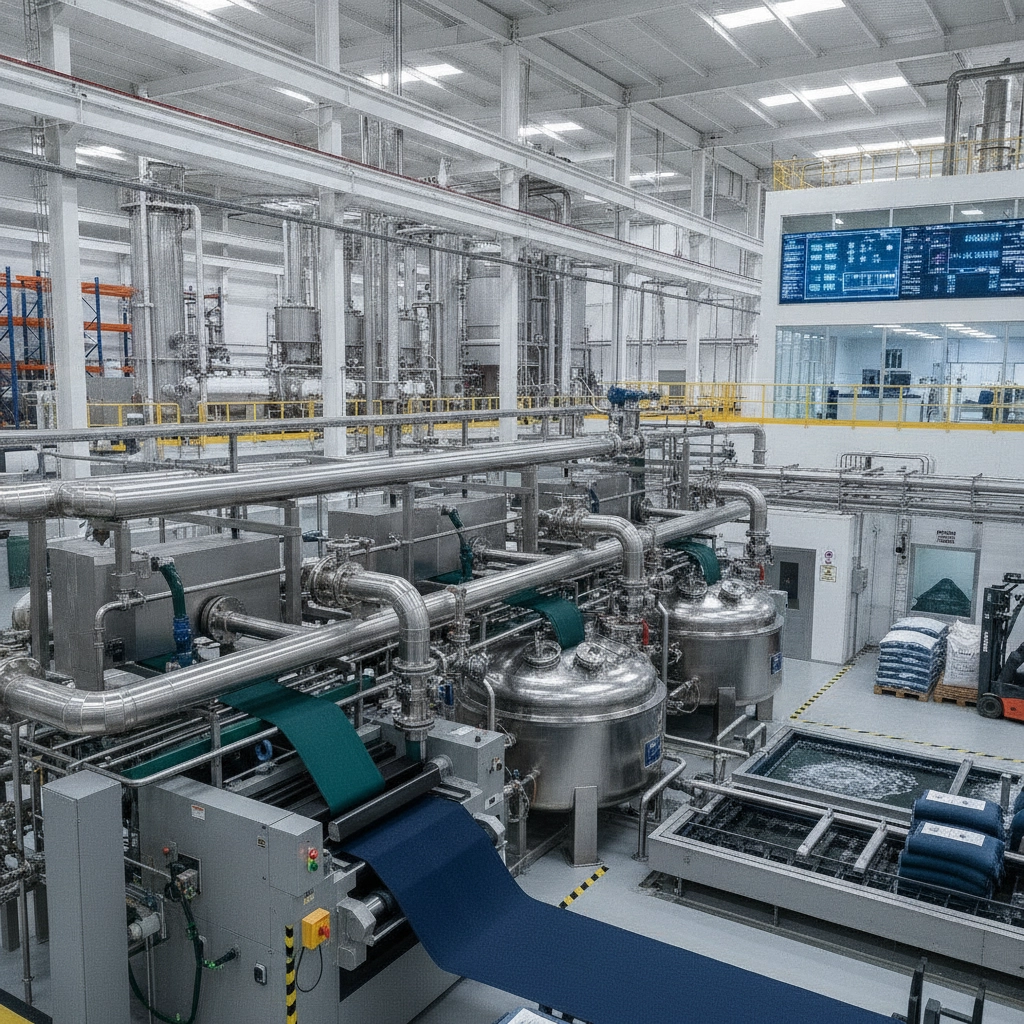
In the intricate world of textile manufacturing, achieving vibrant, precise, and durable patterns requires more than just dyes; it necessitates the strategic application of textile printing auxiliaries. These specialized chemical agents act as the unsung heroes of the fabric finishing process, ensuring that colors adhere perfectly to fibers while maintaining the structural integrity and feel of the material. By optimizing the interaction between the pigment and the substrate, these auxiliaries allow manufacturers to push the boundaries of design and quality.
Globally, the demand for high-performance textiles—ranging from fast fashion to technical industrial fabrics—has placed a spotlight on the efficiency of printing processes. The integration of advanced chemical auxiliaries is no longer just an option but a necessity to meet stringent international standards for colorfastness and environmental safety. As the industry shifts toward more sustainable practices, the role of these auxiliaries has evolved to reduce water consumption and eliminate hazardous runoff, aligning commercial success with ecological responsibility.
Understanding the nuances of textile printing auxiliaries provides a competitive edge for producers seeking to minimize waste and maximize visual impact. Whether it is improving the penetration of a thickener or ensuring the stability of a binder, the right chemical combination can drastically reduce production cycles and costs. This guide explores the technical dimensions, global applications, and future trajectories of these essential components in the modern textile value chain.

The Global Industrial Context of Textile Printing Auxiliaries
The global textile market is currently undergoing a massive transformation, driven by the rise of digital printing and a heightened focus on ISO-certified environmental standards. textile printing auxiliaries serve as the critical link between raw chemical pigments and the finished consumer product, enabling the precision required for modern high-definition prints. In hubs like Southeast Asia and India, the adoption of these auxiliaries has allowed local manufacturers to scale production while meeting the strict chemical restrictions imposed by European and North American import laws.
However, the industry faces a persistent challenge: the balance between chemical efficacy and environmental toxicity. Traditional auxiliaries often relied on heavy metals or formaldehyde, but the current global shift toward "Green Chemistry" is redefining the sector. By utilizing bio-based thickeners and eco-friendly binders, companies are now able to reduce their carbon footprint without sacrificing the brilliance of their textile designs, ensuring that industrial growth does not come at the expense of the planet.
Defining Textile Printing Auxiliaries and Their Purpose
At its simplest level, textile printing auxiliaries are chemical substances added to the printing paste to modify its physical and chemical properties. Unlike dyes, which provide the color, auxiliaries control how that color is delivered, fixed, and preserved on the fabric. They include a vast array of substances such as thickeners, binders, fixatives, and wetting agents, each playing a specific role in ensuring that the printed image remains sharp and resistant to washing or rubbing.
The purpose of these chemicals extends beyond mere aesthetics; they address fundamental humanitarian and industrial needs for durable clothing and technical textiles. For instance, in the production of medical scrubs or industrial uniforms, auxiliaries ensure that prints containing safety information or branding do not fade under harsh sterilization or cleaning cycles. This durability is essential for the longevity of the garment, reducing textile waste in a world where "fast fashion" has created an environmental crisis.
Furthermore, the connection between these auxiliaries and modern industry is found in the pursuit of versatility. Whether working with natural cotton, synthetic polyester, or blended fabrics, the right selection of textile printing auxiliaries allows a single production line to handle multiple substrate types. This flexibility is what enables manufacturers to respond rapidly to changing fashion trends and custom orders, maintaining a lean and responsive supply chain.
Core Components for High-Performance Printing
One of the most critical factors in the success of a print is Viscosity Control. By using high-quality thickeners within the spectrum of textile printing auxiliaries, manufacturers can prevent the "bleeding" of colors, ensuring that the edges of the design remain crisp and well-defined. This is especially vital for intricate patterns where a millimetre of spread can ruin the entire aesthetic of the fabric.
Adhesion and Fixation represent the second core component. Binders and fixatives ensure that the pigment is chemically locked into the fiber. Without these specific textile printing auxiliaries, the colors would simply wash away during the first laundry cycle. The challenge here is to achieve a strong bond without creating a "stiff" hand-feel, maintaining the softness and drape of the textile.
Finally, Surface Tension Modification through wetting agents is essential for uniform coverage. These auxiliaries allow the printing paste to spread evenly across the fabric surface, eliminating spots or streaks. When combined with leveling agents, they ensure that the color intensity is consistent across thousands of meters of fabric, which is a non-negotiable requirement for high-end apparel brands.
Practical Applications Across Global Markets
In real-world industrial contexts, the application of textile printing auxiliaries varies significantly by region and end-use. In the luxury fashion houses of Italy and France, the focus is on "soft-handle" auxiliaries that provide vivid colors without altering the natural feel of silk or cashmere. Conversely, in the mass-production hubs of China and Vietnam, the emphasis is on cost-efficiency and high-speed processing, where auxiliaries must be compatible with rapid-fire rotary screen printing machines.
Beyond fashion, these chemicals are vital in technical textile sectors. For example, in the production of outdoor gear and automotive upholstery, specialized auxiliaries are used to incorporate water-repellent and flame-retardant properties directly into the printed design. In remote industrial zones where water is scarce, the development of low-wash or "dry" printing auxiliaries has become a game-changer, allowing factories to operate with a fraction of the water typically required for steaming and washing.
Efficiency Ratings of Different Textile Printing Auxiliaries Methods
Long-Term Value and Economic Advantages
Investing in premium textile printing auxiliaries yields significant tangible benefits in terms of cost reduction and waste mitigation. While lower-grade chemicals may seem cheaper upfront, they often result in higher rejection rates due to poor colorfastness or uneven printing. By utilizing high-stability auxiliaries, manufacturers can drastically reduce the "re-print" rate, saving on raw materials, energy, and labor hours.
Beyond the balance sheet, there is a profound emotional and logical value in reliability. Brands that can guarantee consistent quality across different batches build lasting trust with their clients. Furthermore, the move toward sustainable, non-toxic auxiliaries enhances the brand's social impact, appealing to the modern conscious consumer who values safety, dignity, and environmental stewardship. Innovation in this field is not just about chemistry; it is about building a sustainable future for the global garment industry.
Innovations and Future Trends in Chemical Auxiliaries
The future of textile printing auxiliaries is being shaped by the digital transformation of the industry. Digital inkjet printing has necessitated the development of ultra-low viscosity auxiliaries that can pass through microscopic nozzles without clogging, while still providing the necessary fixative power once they hit the fabric. This shift is reducing the reliance on massive vats of printing paste, leading to a more agile "print-on-demand" business model.
Another emerging trend is the integration of nanotechnology. Nano-auxiliaries are being developed to create "smart" textiles—fabrics that can change color based on temperature or repel pollutants at a molecular level. These innovations are moving the industry away from simple decoration toward functional engineering, where the printing process adds value through utility rather than just aesthetics.
Sustainability remains the primary driver for innovation. We are seeing a surge in the use of enzyme-based auxiliaries that replace harsh acids and alkalis in the pre-treatment and post-treatment phases. By leveraging biotechnology, the industry is moving toward a closed-loop system where auxiliaries are biodegradable and water can be recycled within the plant, drastically lowering the environmental impact of textile production.
Overcoming Common Challenges in Printing Chemistry
One of the most persistent challenges in the application of textile printing auxiliaries is the incompatibility between different chemical classes, which can lead to paste instability or "clumping." Expert insight suggests that the key to overcoming this is rigorous pre-compatibility testing and the use of stabilizing agents that act as buffers between conflicting chemicals. By optimizing the sequence of addition, chemists can ensure a homogenous mixture that performs consistently.
Another limitation is the struggle to maintain high color brilliance on synthetic blends (like poly-cotton). Often, the auxiliary that works for the cotton portion fails to bind with the polyester. The solution lies in the development of "hybrid" auxiliaries—multi-functional agents designed to bridge the gap between different fiber types. This approach eliminates the need for multiple printing passes, thereby reducing energy consumption.
Finally, the regulatory pressure to remove APEOs (Alkylphenol Ethoxylates) from the supply chain has left some manufacturers struggling to find effective replacements. However, the industry is pivoting toward alcohol ethoxylates and other eco-friendly surfactants that provide the same wetting and dispersing power without the endocrine-disrupting effects. This transition, while challenging, is pushing the industry toward a higher standard of chemical safety.
Comparative Analysis of Auxiliary Solutions for Common Printing Challenges
| Challenge Type |
Traditional Auxiliary Approach |
Innovative Solution |
Efficiency Gain |
| Color Bleeding |
Starch-based thickeners |
Modified Synthetic Polymers |
High (Sharp Edges) |
| Poor Wash-Fastness |
Formaldehyde-based binders |
Polycarboxylic Acid Binders |
Very High (Eco-safe) |
| Fabric Stiffness |
Heavy resin coatings |
Nano-silicone Softeners |
Medium (Better Hand-feel) |
| Uneven Dye Uptake |
Standard wetting agents |
Low-Foaming Bio-Surfactants |
High (Uniformity) |
| Water Consumption |
Multi-stage rinse cycles |
Low-Temperature Fixatives |
Very High (Water Saving) |
| Blended Fabric Gaps |
Separate dye baths |
Universal Hybrid Auxiliaries |
High (Time Saving) |
FAQS
While dyes are the actual coloring agents that provide the hue, textile printing auxiliaries are supportive chemicals. They do not provide color themselves but control the process—regulating viscosity, ensuring the dye sticks to the fabric, and preventing the colors from running. Think of the dye as the paint and the auxiliaries as the primer, thickener, and sealant that make the paint work on a specific surface.
Yes, but different types of auxiliaries are required for different fibers. Natural fibers like cotton usually require different thickeners and binders than synthetic fibers like polyester. However, modern "hybrid" textile printing auxiliaries are now available that are engineered to work effectively across blended fabrics, allowing for a more streamlined production process.
In the past, there was a performance gap, but today's bio-based and formaldehyde-free auxiliaries often outperform traditional chemicals. Innovations in green chemistry have led to binders and fixatives that provide equal or superior wash-fastness while being significantly safer for the worker and the environment. The efficiency is now comparable, often with the added benefit of better fabric softness.
Bleeding is typically caused by incorrect viscosity. To solve this, you should use high-performance thickeners from the textile printing auxiliaries family to ensure the paste maintains its shape on the fabric until it is fixed. Additionally, ensuring the correct ratio of fixatives will help lock the pigment in place, preventing migration during the steaming or curing process.
Many binders can leave a fabric feeling stiff or "plastic-like." To counteract this, manufacturers use softeners—a key type of textile printing auxiliaries—which are added either to the print paste or during a post-treatment wash. Silicone-based or fatty-acid softeners help restore the natural drape and softness of the textile after the chemical fixation process.
You can transition to "low-wash" or "dry-fix" textile printing auxiliaries. These chemicals are designed to fix the dye to the fabric more efficiently, reducing the number of rinse cycles required to remove excess paste. Furthermore, using cold-pad-batch auxiliaries can eliminate the need for high-energy steaming, saving both water and electricity.
Conclusion
In summary, textile printing auxiliaries are indispensable tools that bridge the gap between raw chemical potential and commercial fabric excellence. From the critical role of viscosity control and adhesion to the pursuit of sustainable, non-toxic formulations, these agents define the quality, durability, and environmental footprint of the global textile industry. By integrating the right mix of thickeners, binders, and softeners, manufacturers can achieve a perfect balance of aesthetic brilliance and functional longevity.
Looking ahead, the synergy between digital printing technology and green chemistry will continue to drive the evolution of these auxiliaries. For producers, the path forward lies in adopting smart, bio-based solutions that not only meet international regulatory standards but also enhance the end-user experience through superior fabric feel and safety. Embracing these innovations is the only way to remain competitive in an era where sustainability is as valued as the design itself. Visit our website: www.dyeingchem.com