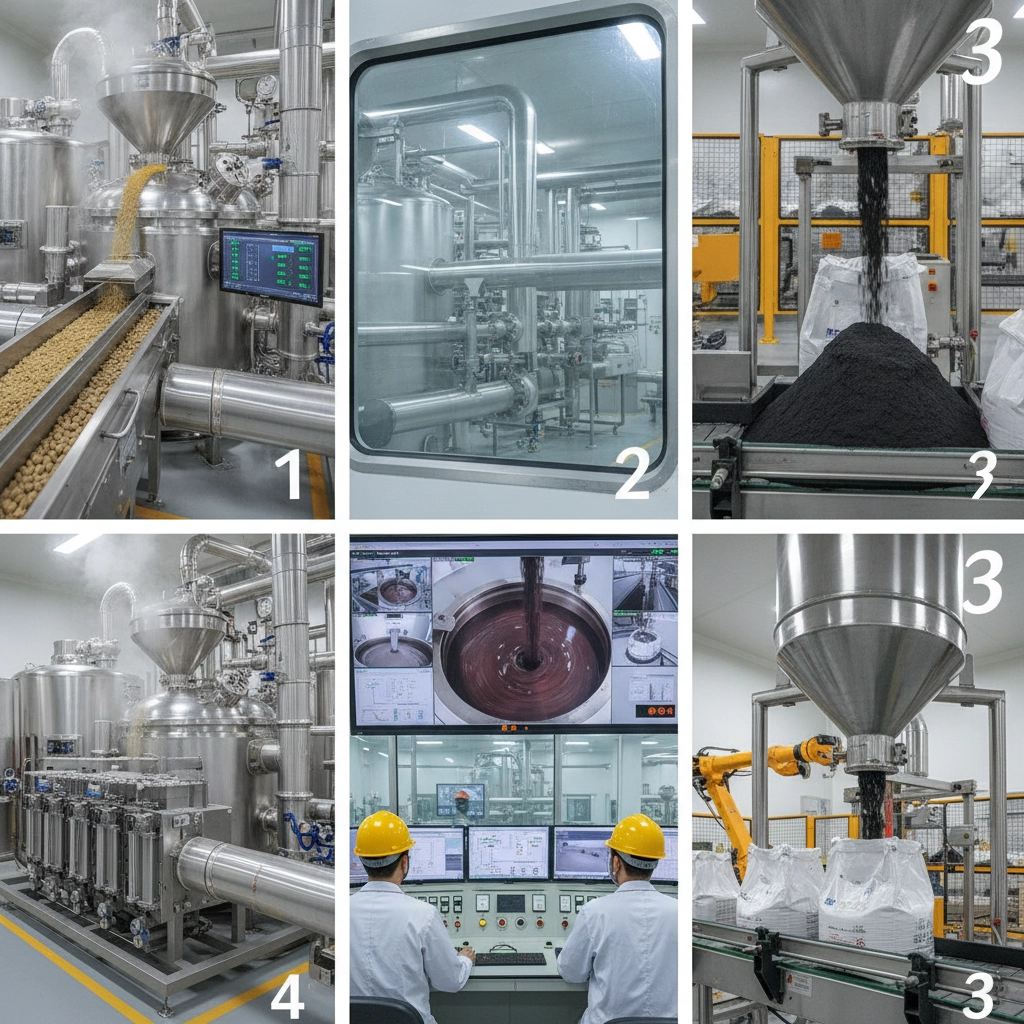

Our Desizing Enzyme Series provides a high-performance, bio-catalytic solution designed to eliminate starch sizing from warp yarns with precision. By hydrolyzing glycosidic bonds, these advanced alpha-amylase formulations convert insoluble starch into water-soluble sugars, ensuring thorough fabric cleanliness without compromising fiber strength or integrity.
Engineered for modern textile mills, this series bridges the gap between industrial efficiency and environmental responsibility. By replacing harsh chemical treatments with biodegradable, bio-based enzymes, manufacturers can significantly reduce water and energy consumption while ensuring perfect compatibility with subsequent bleaching, dyeing, and finishing processes.
Detailed Parameters
| Enzyme Type | Liquid α-Amylase | Working Temperature | 45–95°C |
|---|---|---|---|
| pH Range | 5.5–10.0 | Recommended Dosage | 0.3–1.5% o.w.f. |
| Processing Time | 20–60 Minutes | Foaming Level | Low Foaming |
| Substrate Compatibility | Cotton & Blends | Rinsability | Excellent Wash-off |
| Formulation | Bio-based / Biodegradable | Application Mode | Jet/Continuous/Batch |
Key Advantages
Fiber Protection
Delivers thorough starch hydrolysis with minimal fiber damage, preserving the natural strength of the textile.
Process Efficiency
Fast-acting formulas reduce processing time and improve overall throughput in high-volume production lines.
Thermal Flexibility
Offers wide temperature adaptability from 45°C to 95°C to suit various machinery and fabric types.
Eco-Friendly
Biodegradable formulation meets global sustainability standards, reducing the environmental footprint.
Consistent Quality
Ensures uniform desizing across cotton, denim, and blends for superior dyeing and finishing results.
Resource Saving
Low-temperature options drastically reduce energy and water consumption compared to chemical methods.
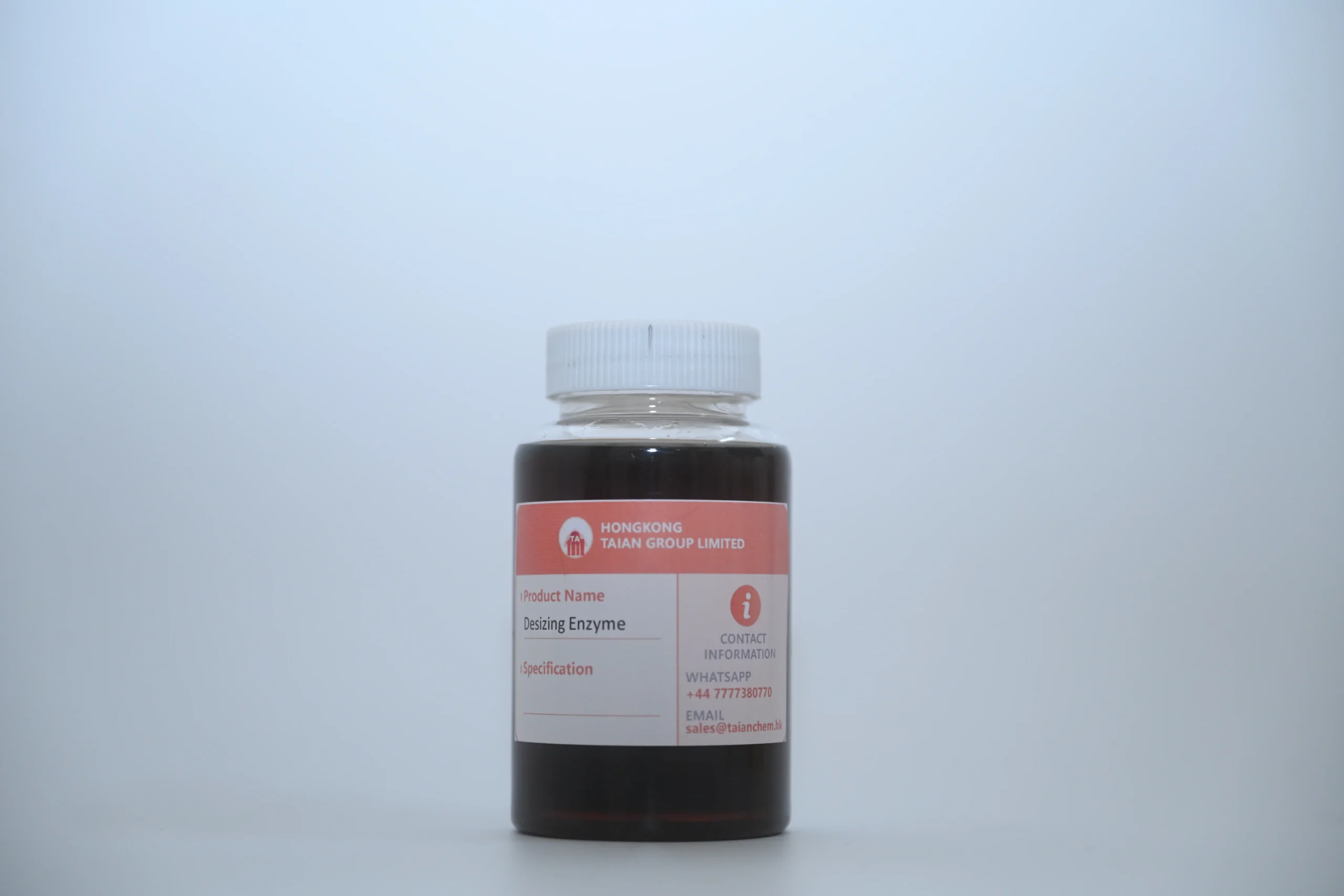
Product Gallery
Management Platforms
Batch Processing
Optimized for batch systems ensuring consistent penetration and hydrolysis.
Continuous Ranges
Thermostable enzymes designed for high-speed, continuous production lines.
Jet Machinery
Low-foaming properties prevent air entrapment in jet dyeing and desizing machines.
Denim Washing
Specially tuned for denim fabrics to achieve the desired wash effect and cleanliness.
Blend Management
Maintains high activity across cotton-polyester and other common textile blends.
Pre-treatment Sync
Seamless integration before bleaching and dyeing for maximum process efficiency.
Investment Return Comparison
| Performance Metric | Traditional Chemical Method | Our Enzyme Series |
|---|---|---|
| Energy Consumption | High (High-Temp Required) | Low (Low-Temp Options) |
| Water Usage | Excessive Rinsing Needed | Reduced (Easy Wash-off) |
| Fiber Strength | Risk of Chemical Degradation | Preserved/Maintained |
| Environmental Impact | High Chemical Residue | Biodegradable / Eco-friendly |
| Process Speed | Slower/Multi-stage | Rapid / Single-stage Hydrolysis |
Frequently Asked Questions
Desizing enzymes act as bio-catalysts that specifically target and break down starch sizing agents used on warp yarns. By converting insoluble starch into water-soluble sugars, they ensure the fabric is clean and ready for subsequent dyeing and finishing without damaging the fibers.
Yes, our Desizing Enzyme Series is designed for versatile use. It is highly effective on cotton, cotton blends, denim, knits, and woven fabrics, ensuring consistent quality across various textile substrates.
We offer different grades: low-temperature enzymes for maximum energy savings, thermostable high-temperature enzymes for continuous production lines, and wide-range enzymes for maximum operational flexibility (45–95°C).
On the contrary, our enzymes improve dyeing results. By removing starch completely and evenly, they ensure better dye penetration and uniformity, preventing "patchy" dyeing often caused by residual sizing.
Yes, the bio-based and biodegradable formulation is specifically designed to help textile mills meet global sustainability and environmental standards by reducing hazardous chemical discharge.
Typical parameters include a dosage of 0.3–1.5% o.w.f. and a processing time of 20–60 minutes, depending on the starch concentration and the specific enzyme grade used.