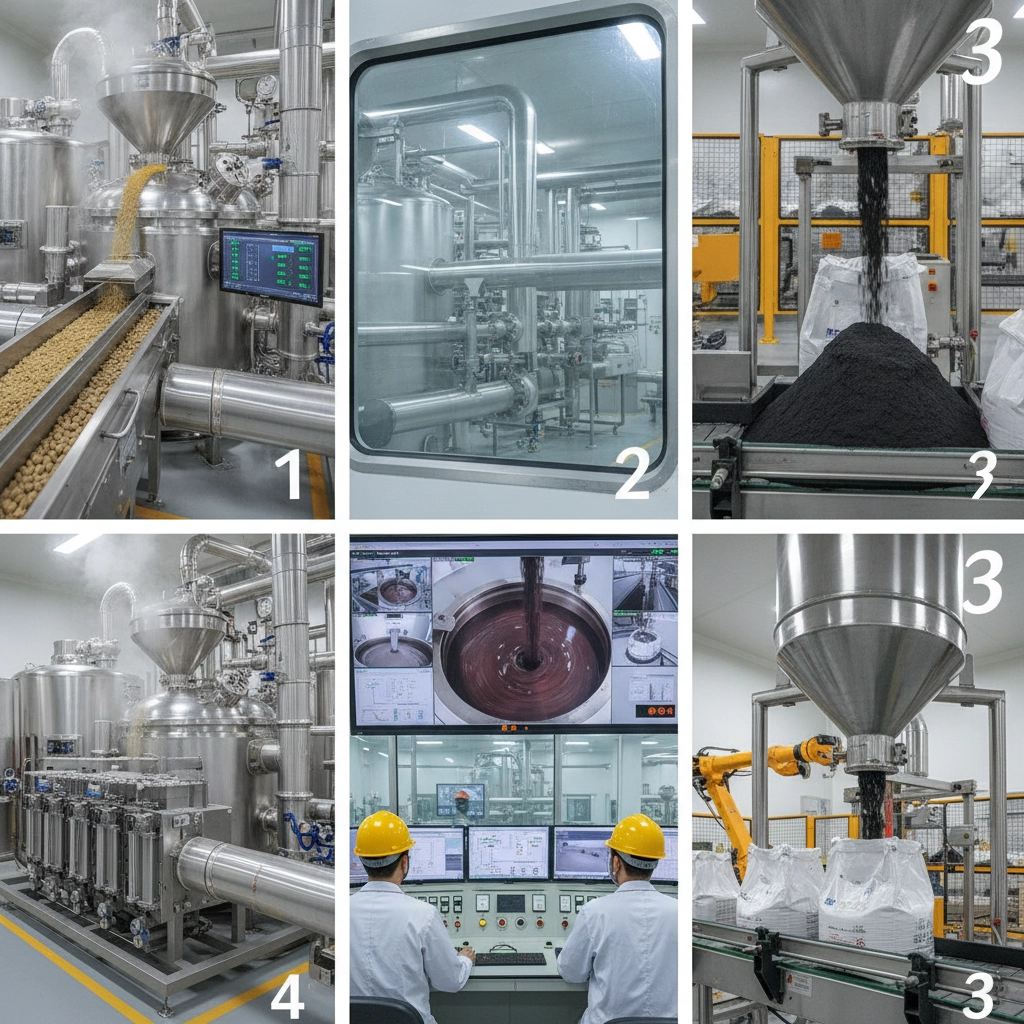
Optimizing Beer Production with Brewing Industry Enzymes
Optimizing Beer Production with Brewing Industry Enzymes
Optimizing Production with Brewing Industry Enzymes
In the sophisticated world of craft and industrial brewing, the secret to consistency, efficiency, and flavor profile often lies in the microscopic world of biocatalysts. The use of brewing industry enzymes has revolutionized how brewers manage starch conversion, protein degradation, and filtration speeds. By integrating specific enzymatic solutions, breweries can maximize extract yields while significantly reducing processing time. This guide explores how these biological tools enhance every stage of the brewing process, from mashing to final clarification, ensuring a premium end product that meets the highest market standards.

The Role of Amylases in Starch Liquefaction
At the heart of the brewing process is the conversion of complex starches into fermentable sugars. Alpha-amylase and beta-amylase are the primary brewing industry enzymes responsible for this critical transformation. Alpha-amylase acts randomly on starch chains to create shorter dextrins, while beta-amylase systematically clips maltose units from the ends. When these enzymes are optimized, brewers can precisely control the "body" of the beer—deciding between a dry, crisp finish or a fuller, maltier mouthfeel. Utilizing exogenous enzymes allows breweries to maintain consistency even when raw material quality fluctuates between harvests.
Pro Tip: Temperature control is vital; alpha-amylase typically peaks around 70-75°C, while beta-amylase is most active between 60-65°C. Balancing these determines the fermentability of the wort.
Enhancing Filtration with Proteolytic Enzymes
One of the most common bottlenecks in brewery operations is "stuck sparging" or slow filtration caused by excessive proteins and beta-glucans. By introducing specific proteases and glucanases, breweries can break down these viscous compounds. This not only speeds up the lautering process but also improves the clarity of the final beer by reducing haze-forming proteins. The strategic application of brewing industry enzymes during the mash phase ensures that the wort flows freely, reducing energy costs and increasing the daily throughput of the brewhouse.

Comparative Analysis of Brewing Industry Enzymes
Different enzymes serve distinct purposes depending on the desired beer style. Whether producing a high-gravity lager or a light ale, understanding the difference between endogenous (natural) and exogenous (added) enzymes is key. Exogenous brewing industry enzymes provide a level of precision that natural malting cannot always guarantee, particularly when using unmalted adjuncts like corn or rice.
Integrating Specialized Brewing Industry Enzymes for Adjuncts
Modern breweries often use unmalted grains like rice or corn to lower costs or achieve a specific flavor profile. However, these ingredients lack the natural enzymes found in malted barley. To compensate, the addition of concentrated brewing industry enzymes becomes mandatory. These specialized enzymes allow for the complete breakdown of non-malt starches, ensuring that no potential fermentables are wasted. This practice not only improves the economic efficiency of the brewery but also allows for a wider variety of product offerings, from light lagers to complex hybrid ales.
Product Specifications for Enzyme Application
Selecting the right enzyme requires a deep dive into technical specifications such as pH stability, temperature range, and activity levels. The effectiveness of brewing industry enzymes is highly dependent on the environment of the mash tun. Using the wrong grade of enzyme can lead to over-attenuation (making the beer too thin) or incomplete conversion (leading to starchy, cloudy beer). Below are the typical specification parameters brewers monitor:
Sustainability and Cost-Efficiency in Modern Brewing
Beyond the quality of the beer, the adoption of advanced brewing industry enzymes contributes significantly to environmental sustainability. By increasing the extract yield from each batch of grain, breweries can reduce their overall raw material consumption and decrease the amount of organic waste sent to landfills. Furthermore, the reduction in boiling times and filtration duration leads to a lower carbon footprint per hectoliter produced. This alignment of economic profit and ecological responsibility makes enzymatic optimization a strategic priority for any forward-thinking brewing operation.
Conclusion: The Future of Brewing via Enzymatic Innovation
The strategic use of brewing industry enzymes is no longer just an option for industrial giants; it is a vital tool for craft brewers seeking perfection and scalability. From ensuring a seamless filtration process to mastering the balance of sweetness and alcohol, these biocatalysts offer unparalleled control over the brewing lifecycle. By investing in high-quality, food-grade enzymatic solutions, breweries can ensure product consistency, reduce operational waste, and ultimately deliver a superior tasting beverage to the consumer.
Frequently Asked Questions (FAQs)
Do added enzymes change the taste of the beer?
When used correctly, brewing industry enzymes do not introduce "off-flavors." Instead, they refine the existing flavor profile by managing the ratio of fermentable sugars to non-fermentable dextrins. For instance, adding a glucanase helps in achieving better clarity without altering the aroma. The goal is to mimic or enhance the natural processes of malting, ensuring that the pure taste of the hops and grains remains the star of the show while removing unwanted haziness or excessive viscosity.
How do I know if my brewery needs exogenous enzymes?
Several red flags indicate a need for additional enzymatic support. If you frequently experience slow lautering times (stuck sparging), if your beer has a persistent chill haze that won't settle, or if you are using a high percentage of unmalted adjuncts and noticing low attenuation, it is time to consider brewing industry enzymes. These tools provide the necessary biological "horsepower" to ensure that your ingredients are fully utilized and your process remains efficient.
Are these enzymes safe for all types of beer styles?
Yes, as long as the enzyme chosen matches the desired style. For example, a brewer making a heavy Stout would avoid over-using beta-amylase to keep some residual sugars for body. Conversely, a Pilsner brewer would welcome enzymes that promote high attenuation for a crisp finish. Because these are biological catalysts that are typically denatured (deactivated) by the boiling process, they do not remain active in the finished beer, making them safe and compliant with international food and beverage standards.
How should brewing industry enzymes be stored?
Enzymes are proteins and can be sensitive to extreme temperatures and light. To maintain maximum activity, they should be stored in a cool, dry place, away from direct sunlight. Some liquid formulations require refrigeration, while powdered versions are more stable at room temperature. Always check the manufacturer's specifications to avoid denaturation, as compromised enzymes will not perform effectively during the mashing process, potentially leading to inconsistent batches.