Understanding Amylase Purpose in Industrial Applications
Understanding Amylase Purpose in Industrial Applications
Understanding Amylase Purpose in Industrial Applications
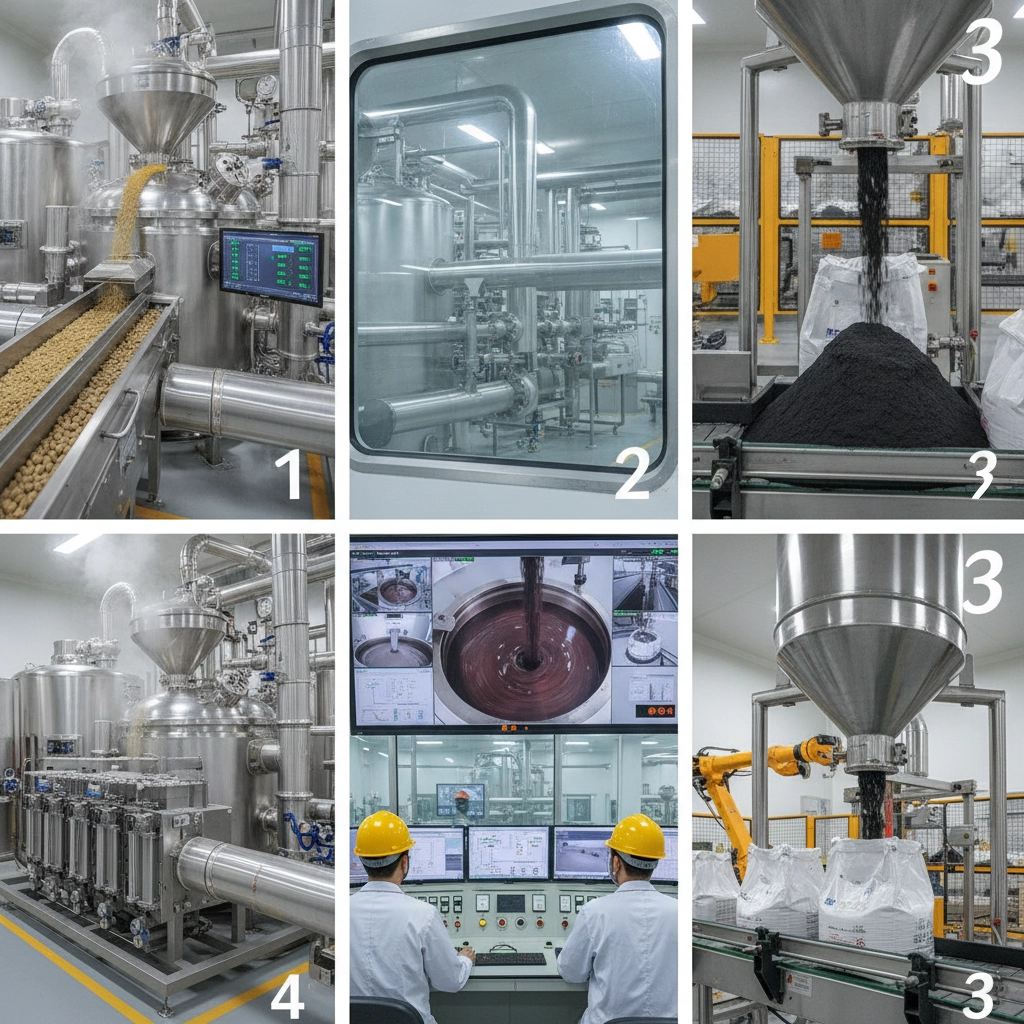
In the world of biochemistry and industrial processing, few enzymes are as versatile and essential as amylase. Whether you are involved in textile processing, food production, or brewing, understanding the amylase purpose is key to optimizing production efficiency and product quality. At its core, amylase acts as a biological catalyst that breaks down complex starches into simpler sugars. This process, known as saccharification, is fundamental to removing impurities and preparing materials for further chemical treatment. By leveraging the power of these enzymes, manufacturers can achieve cleaner finishes and more sustainable production cycles.

The Primary Amylase Purpose in Textile Desizing
In the textile industry, the primary amylase purpose is centered around the "desizing" process. During weaving, warp yarns are often coated with starch (size) to increase their strength and reduce friction. However, this starch layer must be completely removed before dyeing or printing to ensure uniform chemical penetration. Amylase enzymes specifically target the alpha-1,4-glycosidic bonds in starch, converting it into water-soluble dextrins and glucose. This biological approach is far superior to acid desizing, as it protects the cellulose fibers from degradation, ensuring the fabric remains strong and durable.
Industry Insight: Enzymatic desizing using amylase is an eco-friendly alternative that reduces water consumption and eliminates the need for harsh caustic chemicals, aligning with modern green manufacturing standards.
Comparing Alpha-Amylase and Beta-Amylase
Not all amylases function the same way. To fully grasp the amylase purpose in a specific process, one must distinguish between alpha and beta varieties. Alpha-amylase is an endohydrolase, meaning it breaks bonds randomly within the starch chain, rapidly reducing the viscosity of the starch paste. Beta-amylase, conversely, is an exohydrolase that clips maltose units from the ends of the chain. In industrial textile applications, alpha-amylase is the gold standard due to its ability to liquefy starch quickly and efficiently.
Expanding the Amylase Purpose to Food and Biofuels
Beyond textiles, the amylase purpose extends deep into the food and energy sectors. In baking, amylase is added to flour to break down starch into sugars that yeast can ferment, resulting in better loaf volume and a softer crumb. In the production of bioethanol, amylase is the workhorse that converts corn or wheat starch into fermentable sugars, which are then turned into fuel. This ability to transform raw biomass into high-value products makes amylase a cornerstone of the modern bio-economy.

Optimizing Efficiency: Factors Affecting Amylase Activity
To maximize the amylase purpose in any industrial setting, operators must carefully control the environment. Because amylase is a protein, it is highly sensitive to temperature and pH levels. If the temperature is too low, the reaction is sluggish; if it is too high, the enzyme denatures and loses activity. Similarly, maintaining a pH range—typically between 5.5 and 7.0 for most industrial alpha-amylases—is critical for ensuring the starch is fully hydrolyzed without damaging the substrate.
Optimization Checklist:
• Temperature: Monitor for the specific "optimum" point of the enzyme strain.
• pH Balance: Use buffering agents to prevent acidity spikes.
• Calcium Ions: Ensure adequate Ca2+ presence for enzyme stability.
• Concentration: Balance enzyme dosage with starch load for cost-efficiency.
Technical Specifications for Industrial Amylase
Selecting the right grade of enzyme depends on the specific amylase purpose intended for your facility. For high-temperature desizing, thermostable amylases are required to prevent enzyme breakdown during the heating phase. Below is a typical specification table for a high-performance industrial alpha-amylase used in textile and starch processing.
Conclusion: The Vital Role of Amylase in Modern Industry
Whether it is ensuring the perfect dye absorption in a luxury fabric or increasing the yield of a biofuel plant, the amylase purpose is fundamental to efficiency and quality. By understanding the nuances of enzyme activity, temperature control, and the difference between alpha and beta types, industrial operators can significantly reduce waste and improve output. Embracing enzymatic solutions is not just a technical choice, but a step toward a more sustainable and professional manufacturing future.
Frequently Asked Questions (FAQs)
What is the specific amylase purpose in textile desizing?
The specific purpose in textiles is to remove the starch sizing agents applied to warp yarns during weaving. If starch is left on the fabric, it acts as a barrier that prevents dyes and finishing chemicals from penetrating the fibers, leading to uneven coloring and poor quality. Amylase selectively breaks down these starches into soluble sugars, which are then easily washed away with water, leaving the fabric clean and ready for dyeing without damaging the cotton or synthetic fibers.
Can amylase be used on all types of fabrics?
Amylase is primarily used on fabrics that have been sized with starch, which is most common in cotton and blended fabrics. It is highly specific to starch; therefore, it does not attack the cellulose of the cotton or the polymers in synthetic fibers like polyester. This specificity is exactly why it is preferred over chemical desizing agents, which can be aggressive and weaken the fabric. However, for fabrics sized with non-starch materials (like PVA), a different enzyme or chemical treatment would be required.
How does temperature affect the amylase purpose in a reaction?
Temperature is one of the most critical factors. Every amylase has an "optimal temperature" where its catalytic activity is at its peak. For standard amylases, this might be around 40-60°C, while thermostable versions can work above 100°C. If the temperature is too low, the molecules move slowly and the starch isn't broken down efficiently. If it exceeds the stability limit, the enzyme's three-dimensional structure collapses (denatures), rendering it completely inactive. Proper temperature control ensures the process is both fast and cost-effective.
Is enzymatic desizing better than chemical desizing?
Yes, in most modern industrial contexts, enzymatic desizing is superior. Chemical desizing often involves strong acids or alkalis that can degrade the strength of the textile fibers and cause environmental pollution in wastewater. In contrast, the use of amylase is highly targeted, meaning it only affects the starch and not the fabric. It operates under milder conditions, uses less water, and results in a more biodegradable effluent, making it the preferred choice for companies aiming for high quality and environmental compliance.