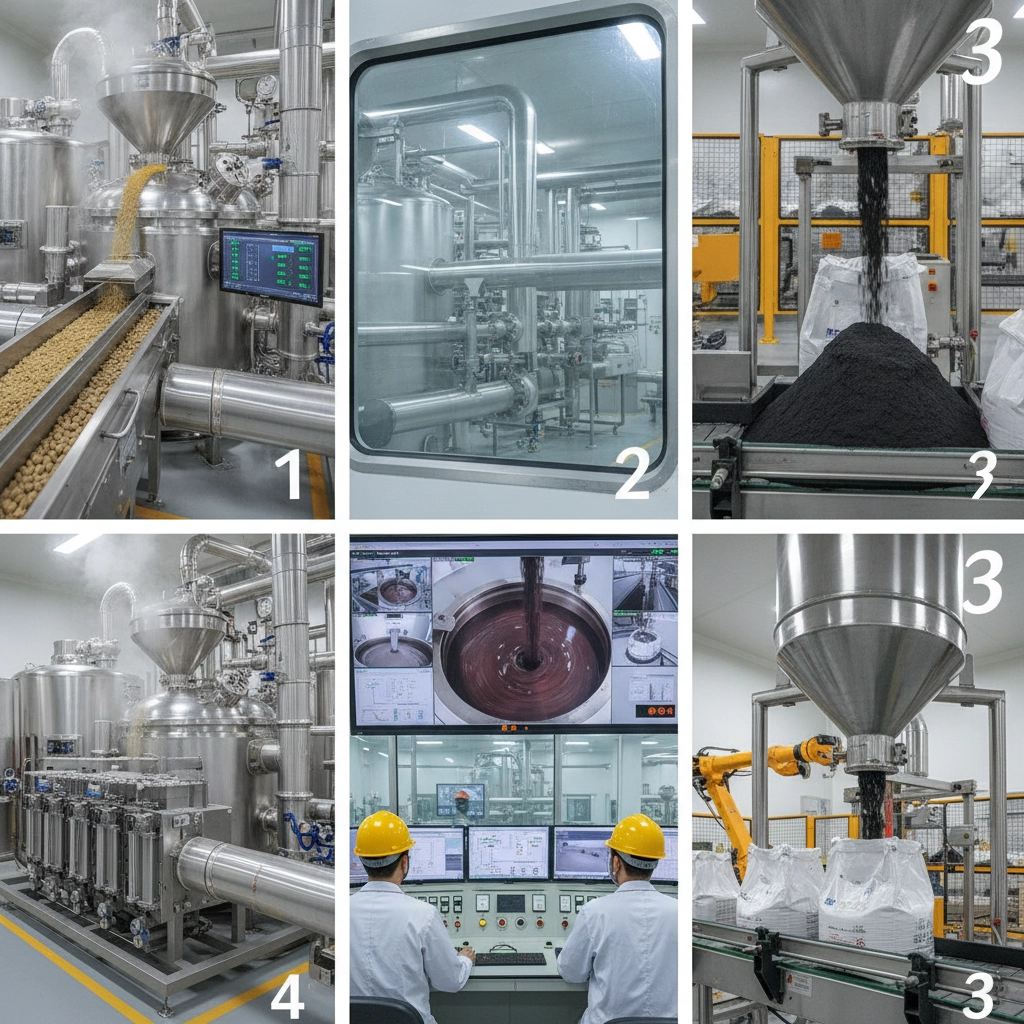
Sustainable Industrial Water Cleaning Using Enzymes Used in Wastewater Treatment
Sustainable Industrial Water Cleaning Using Enzymes Used in Wastewater Treatment
The Power of Enzymes Used in Wastewater Treatment: A Sustainable Approach
As industrialization expands, the complexity of pollutants in our water systems has increased, demanding more efficient and eco-friendly purification methods. The integration of enzymes used in wastewater treatment has emerged as a revolutionary biological solution. Unlike traditional chemical treatments, enzymatic processes are highly specific, biodegradable, and operate under mild conditions, significantly reducing the carbon footprint of water treatment plants. By targeting specific organic pollutants, these biological catalysts accelerate the breakdown of toxins, ensuring that discharged water meets strict environmental standards. In this guide, we will explore the various types of enzymes and how they are optimizing the future of industrial water management.

Mechanism of Action for Enzymes Used in Wastewater Treatment
Enzymes function as biological catalysts that lower the activation energy required for chemical reactions. When applied to wastewater, these proteins bind to specific target molecules—such as fats, proteins, or synthetic dyes—and break them down into smaller, non-toxic fragments. This process is particularly vital in the textile and dyeing industries, where complex aromatic compounds are often resistant to conventional bacterial degradation. The use of enzymes used in wastewater treatment allows for the selective removal of pollutants without disturbing the overall microbial balance of the treatment system, making it a surgical tool for water purification.
Pro Tip: The efficiency of enzymatic treatment is heavily influenced by pH levels and temperature. Optimizing these parameters can increase the degradation rate of organic pollutants by up to 40%.
Types of Enzymes Used in Wastewater Treatment and Their Roles
Different pollutants require different enzymatic "keys" to unlock and decompose. For instance, proteases target protein-based waste, while lipases are essential for breaking down oils and greases that often clog filtration systems. In industrial settings, laccases and peroxidases are highly valued for their ability to degrade phenolic compounds and synthetic dyes. By utilizing a cocktail of enzymes used in wastewater treatment, facilities can achieve a comprehensive cleanup of diverse waste streams, ensuring a higher purity of effluent water.
Comparison: Enzymatic vs. Chemical Wastewater Treatment
When evaluating the best method for water purification, it is essential to compare the sustainability and efficiency of different approaches. Chemical treatments often rely on coagulants or oxidants that can leave behind secondary residues, sometimes creating a new set of environmental problems. Conversely, the application of enzymes used in wastewater treatment offers a precise, biological alternative that naturally decomposes into harmless amino acids. This shift toward "green chemistry" not only protects aquatic life but also reduces the cost of hazardous waste disposal for factories.

Implementing Enzymes Used in Wastewater Treatment in Industrial Plants
Integrating enzymatic solutions into an existing wastewater plant requires a strategic approach. Most plants utilize a hybrid system where enzymes are introduced during the primary or secondary treatment stages. For example, in textile plants, enzymes are added to pre-treat the effluent to break down complex dye molecules before the water enters the biological aerobic tanks. This synergy ensures that the bacteria in the activated sludge process can more easily digest the remaining organic matter. The scalability of enzymes used in wastewater treatment makes them adaptable for both small-scale workshops and massive municipal facilities.
Technical Specifications for Industrial Enzyme Formulations
To ensure maximum efficacy, industrial enzymes are formulated to withstand the harsh environments typical of wastewater streams. These include stabilization agents that prevent the proteins from denaturing under fluctuating temperatures or high salinity. When sourcing enzymes used in wastewater treatment, engineers must consider the enzyme activity (measured in units per milliliter) and the optimal operating window. Below are the general specifications for high-performance wastewater enzyme blends.
Conclusion: Embracing Biological Solutions for Cleaner Water
The adoption of enzymes used in wastewater treatment represents a critical step toward industrial sustainability. By replacing harsh chemicals with targeted biological catalysts, companies can not only improve the quality of their effluent but also align with global environmental regulations and ESG goals. As biotechnology continues to evolve, the efficiency and accessibility of these enzymes will only increase, making them the gold standard for modern water treatment. Investing in enzymatic technology is not just an operational upgrade—it is a commitment to the health of our planet.
Frequently Asked Questions (FAQs)
Are enzymes safer than chemical coagulants in wastewater treatment?
Yes, enzymes are significantly safer. Chemical coagulants often involve aluminum or iron salts, which can leave residual metal sludge that requires specialized disposal. Enzymes, on the other hand, are naturally occurring proteins that are fully biodegradable. They do not introduce toxic substances into the water stream and generally require lower dosages to achieve high specificity in pollutant removal. This makes the use of enzymes used in wastewater treatment an ideal choice for facilities focusing on eco-friendly operations.
Can enzymes treat synthetic dyes and pharmaceutical waste?
Absolutely. Specific classes of enzymes, such as laccases and peroxidases, are designed to break the complex aromatic rings found in synthetic dyes and many pharmaceutical compounds. These "recalcitrant" pollutants are often immune to standard biological treatment, but enzymes can catalyze their oxidation, breaking them down into simpler, biodegradable molecules. This capability is why enzymatic treatment is highly recommended for the textile, pharmaceutical, and chemical industries to ensure clean water discharge.
What is the cost-benefit ratio of using enzymes compared to traditional methods?
While the initial cost per unit of enzyme can be higher than basic chemicals, the long-term benefits often lead to lower overall costs. Enzymes reduce the volume of secondary sludge produced, drastically lowering waste disposal fees. Additionally, because they operate at lower temperatures and pressures, energy costs for heating or aeration can be reduced. When you factor in the avoidance of environmental fines and the improvement in corporate sustainability ratings, enzymes used in wastewater treatment provide a superior return on investment.
How do I determine which enzyme is right for my wastewater stream?
The first step is to perform a detailed waste characterization analysis to identify the primary pollutants (e.g., lipids, proteins, phenols, or cellulose). Once the pollutants are identified, you can select a targeted enzyme or a customized enzyme cocktail. For instance, if your waste is high in fats and oils, lipases are essential. If you are dealing with textile dyes, laccases are the priority. Consulting with a technical specialist at Dyeingchem can help you match the specific enzyme activity to your water's pH and temperature for optimal results.