Optimize Textile Dyeing Using Sulphur Black 200 and Liquid Agents
Optimize Textile Dyeing Using Sulphur Black 200 and Liquid Agents
Optimizing Textile Dyeing with Sulphur Black 200 and Liquid Reducing Agents
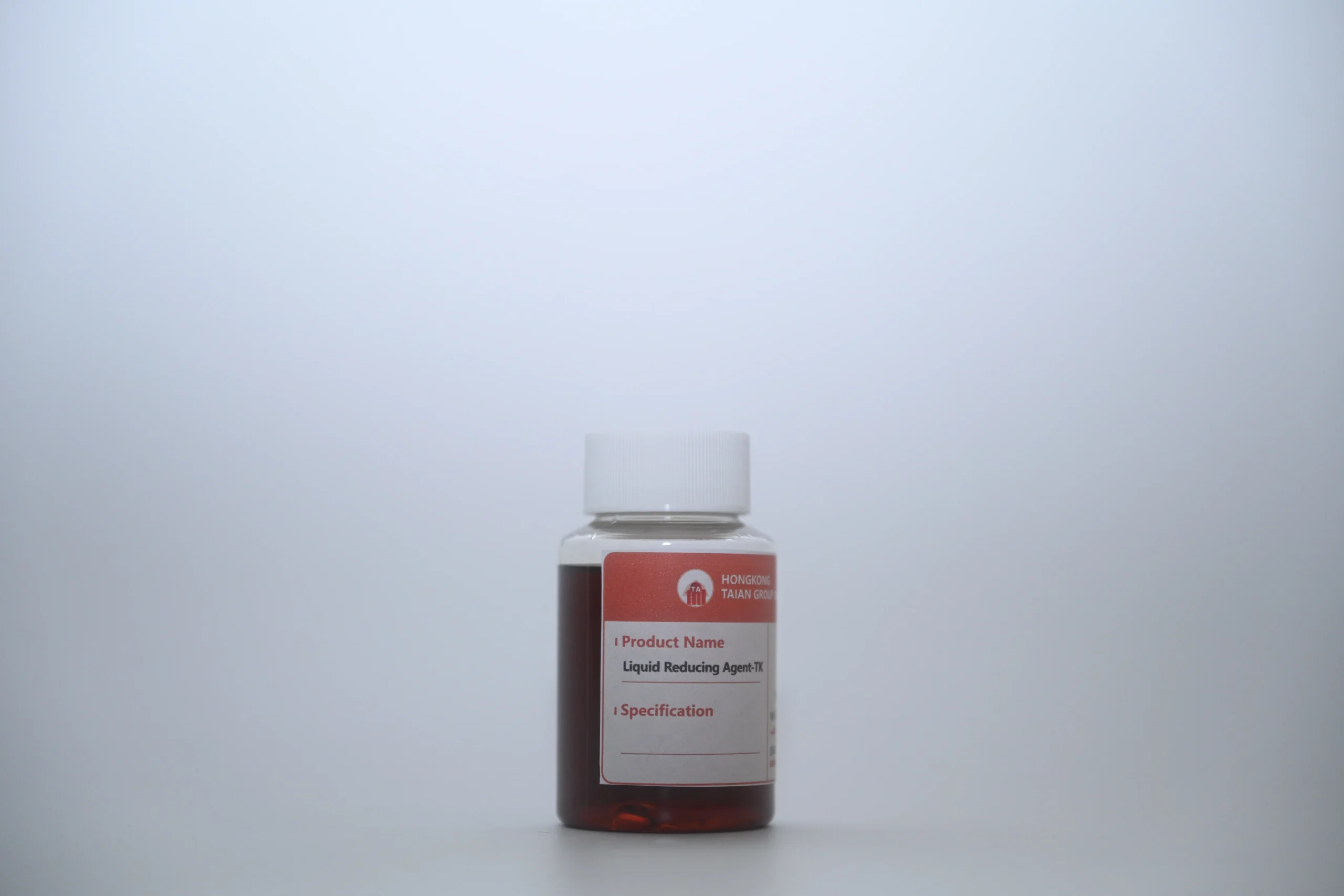
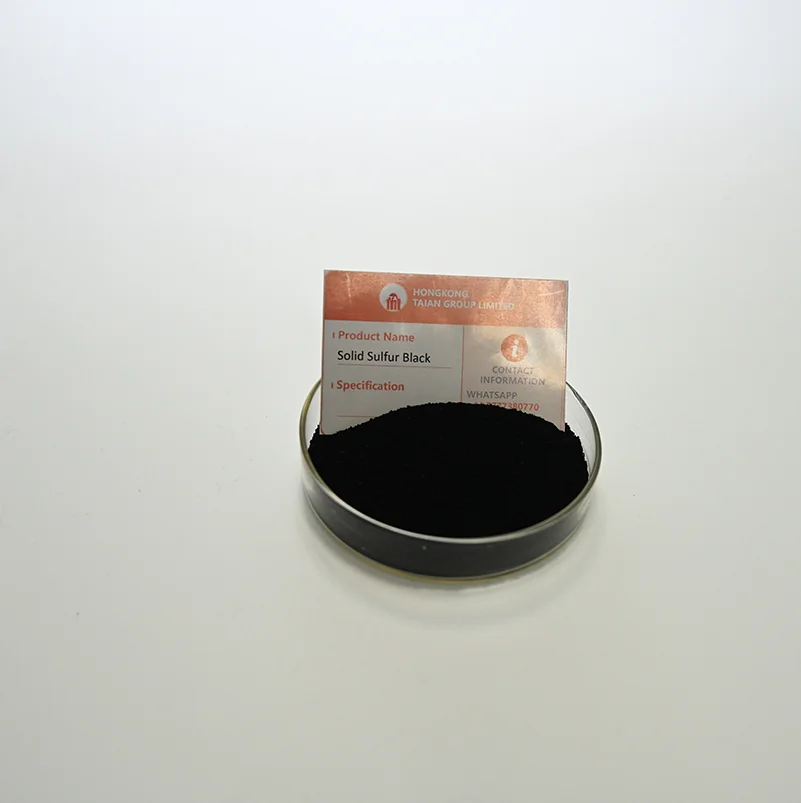
In the professional textile industry, achieving a deep, consistent, and durable black shade is one of the most challenging tasks. The use of sulphur black 200 remains a gold standard for producing intense dark tones on cellulose fibers. However, the success of the dyeing process depends heavily on the efficiency of the reduction phase. To maximize the performance of sulphur black 200, the integration of high-performance chemical solutions like the Liquid Reducing Agent-TK is essential. This combination ensures that insoluble dyes are rapidly converted into their soluble leuco form, allowing for seamless fiber penetration and exceptional color uniformity across large batches.

The Chemistry of Sulphur Black 200 and Reduction
The dyeing mechanism of sulphur black 200 involves a complex chemical reaction where the dye must be reduced to become soluble. Traditional methods often rely on solid reducing agents, which can be cumbersome to dissolve and prone to creating "spots" or unevenness if not perfectly mixed. By utilizing a concentrated liquid agent, manufacturers can ensure a homogeneous reducing environment. This stability prevents the premature oxidation of the dye, which is the primary cause of shade variation in dark-tone dyeing. The result is a more predictable process with significantly higher batch-to-batch reproducibility.
Pro Tip: Using a liquid reducing agent eliminates the dissolving phase, reducing the total production cycle time by up to 15% while increasing the depth of shade for sulphur black 200 applications.
Enhancing Efficiency in Sulphur Black 200 Application
Operational efficiency is critical in modern textile manufacturing. When applying sulphur black 200, the transition from powder-based reducing agents to liquid formulations offers a transformative advantage. Direct liquid application removes the risk of dust inhalation for workers and eliminates the labor-intensive pre-dissolving step. Furthermore, liquid agents are highly compatible with automated dosing systems, ensuring that the precise amount of chemical is added at the exact moment required by the dyeing cycle, thus minimizing chemical waste and optimizing costs.
Performance Comparison: Liquid vs. Solid Agents for Sulphur Black 200
To understand why the industry is shifting toward liquid solutions for sulphur black 200, it is helpful to compare the traditional solid approach with the modern liquid alternative. The primary differences lie in safety, speed, and the final quality of the fabric shade.
Technical Specifications for Optimal Dyeing Results
To achieve the highest quality when working with sulphur black 200, adhering to technical parameters is essential. The Liquid Reducing Agent-TK is engineered to maintain a stable alkaline pH and high reducing strength, ensuring that the dye remains in its soluble form throughout the penetration phase. This is particularly critical for continuous dyeing and padding processes where timing and concentration are paramount.

Versatility Across Fiber Types and Processes
While sulphur black 200 is primarily used for cotton, its application extends to all cellulose fibers, including viscose. The versatility of the Liquid Reducing Agent-TK allows it to be used in exhaust dyeing, padding, and continuous dyeing systems. This adaptability ensures that regardless of the production line, manufacturers can achieve deep, uniform shades with high fastness. By optimizing the reduction cycle, the fabric exhibits better levelness and an exceptional depth of black that meets the most stringent professional standards.
Conclusion: Elevating Quality with Professional Chemistry
Mastering the use of sulphur black 200 requires a synergy between high-quality dyes and advanced auxiliaries. By replacing outdated solid agents with the Liquid Reducing Agent-TK, textile manufacturers can significantly improve their operational safety, reduce labor costs, and ensure a superior final product. The combination of stable reducing power and ease of application makes this a smart investment for any facility aiming for excellence in dark-tone dyeing. Choose the right chemistry to ensure your fabrics achieve a flawless, deep black finish.
Frequently Asked Questions (FAQs)
What is the main benefit of using a liquid agent for sulphur black 200?
The primary benefit is the complete elimination of the pre-dissolving phase. Traditional solid reducing agents require significant time and labor to dissolve, and any undissolved particles can cause streaks or spots in the sulphur black 200 shade. A liquid agent provides immediate, homogeneous reducing power, which leads to higher shade reproducibility and a more efficient production cycle. Additionally, it creates a safer workplace by removing chemical dust.
Can Liquid Reducing Agent-TK be used in continuous dyeing?
Yes, it is perfectly suited for continuous dyeing, as well as padding and exhaust methods. Its concentrated liquid form allows for precise dosing via automated systems, which is essential for maintaining consistent color depth in continuous processes. When paired with sulphur black 200, it ensures that the dye is consistently converted to its soluble form as the fabric moves through the machinery.
How does the reducing agent affect the final color quality of dark shades?
The quality of the final shade depends on the stability of the reduction. A high-performance liquid agent prevents shade variation by maintaining a consistent reducing strength throughout the cycle. This is especially critical for sulphur black 200, where any instability can lead to "bronzing" or uneven dye uptake. By ensuring a stable leuco form, the agent facilitates deeper penetration into the fiber, resulting in a rich, uniform, and professional black finish.
Is this solution compatible with fabrics other than cotton?
Yes, the combination of the liquid reducing agent and sulphur dyes is highly effective for all cellulose-based fibers. This includes not only pure cotton but also viscose and other regenerated cellulose fibers. It ensures excellent penetration and high color fastness across these materials, making it a versatile choice for various garment and home textile applications using sulphur black 200.