Industrial Textile Dyeing Guide for Sulphur Black BR 240
Industrial Textile Dyeing Guide for Sulphur Black BR 240
Optimizing Textile Dyeing with Sulphur Black BR 240: A Professional Guide
In the competitive landscape of textile manufacturing, achieving a deep, consistent, and durable black shade is a constant challenge. The sulphur black br 240 stands as a premier solution for industrial dyeing, offering unmatched color intensity and excellent wash fastness. Whether you are processing heavy denim or fine cotton fabrics, selecting a high-purity sulphur dye is essential for maintaining quality standards. This guide explores the technical advantages, application methods, and efficiency boosts that this specific dye brings to the modern textile mill, ensuring your production lines achieve maximum color yield with minimal waste.

Technical Superiority of Sulphur Black BR 240
The sulphur black br 240 is engineered for high solubility and rapid penetration into cellulose fibers. Unlike standard sulphur dyes, the BR 240 variant is formulated to minimize agglomeration during the reduction process, which prevents spotting and uneven shading on the fabric surface. Its molecular structure allows for a tighter bond with the fiber, resulting in a rich, jet-black finish that resists fading. For manufacturers, this means a reduction in re-dyeing rates and a significant improvement in the overall efficiency of the dyeing cycle, especially when paired with high-quality penetrants to ensure deep fiber infiltration.
Key Technical Edge: Superior reduction stability and ultra-high color strength, allowing for lower dye concentrations to achieve the same depth of shade compared to traditional sulphur blacks.
Comparative Analysis: Sulphur Black BR 240 vs. Conventional Dyes
When comparing sulphur black br 240 to standard sulphur dyes or reactive black dyes, the differences in cost-effectiveness and durability become evident. While reactive dyes offer excellent fastness, the cost per kilogram is significantly higher. Sulphur Black BR 240 provides a balanced approach, delivering the economic benefits of sulphur dyes with a fastness profile that rivals high-end alternatives. Its ability to withstand rigorous industrial laundering makes it the gold standard for workwear and denim production.
Application Process for Sulphur Black BR 240
To maximize the potential of sulphur black br 240, a precise application process is required. The process typically begins with the preparation of the dye liquor using sodium sulphide or sodium hydrosulphide as reducing agents. It is critical to maintain a stable pH and temperature to ensure the dye remains in its soluble leuco form. Incorporating a rapid penetrant during the initial stages allows the dye to reach the core of the fiber quickly, eliminating the risk of "ring dyeing" where the center of the yarn remains white. Once the dyeing is complete, thorough oxidation is necessary to lock the color into the fabric.

Product Specifications of Sulphur Black BR 240
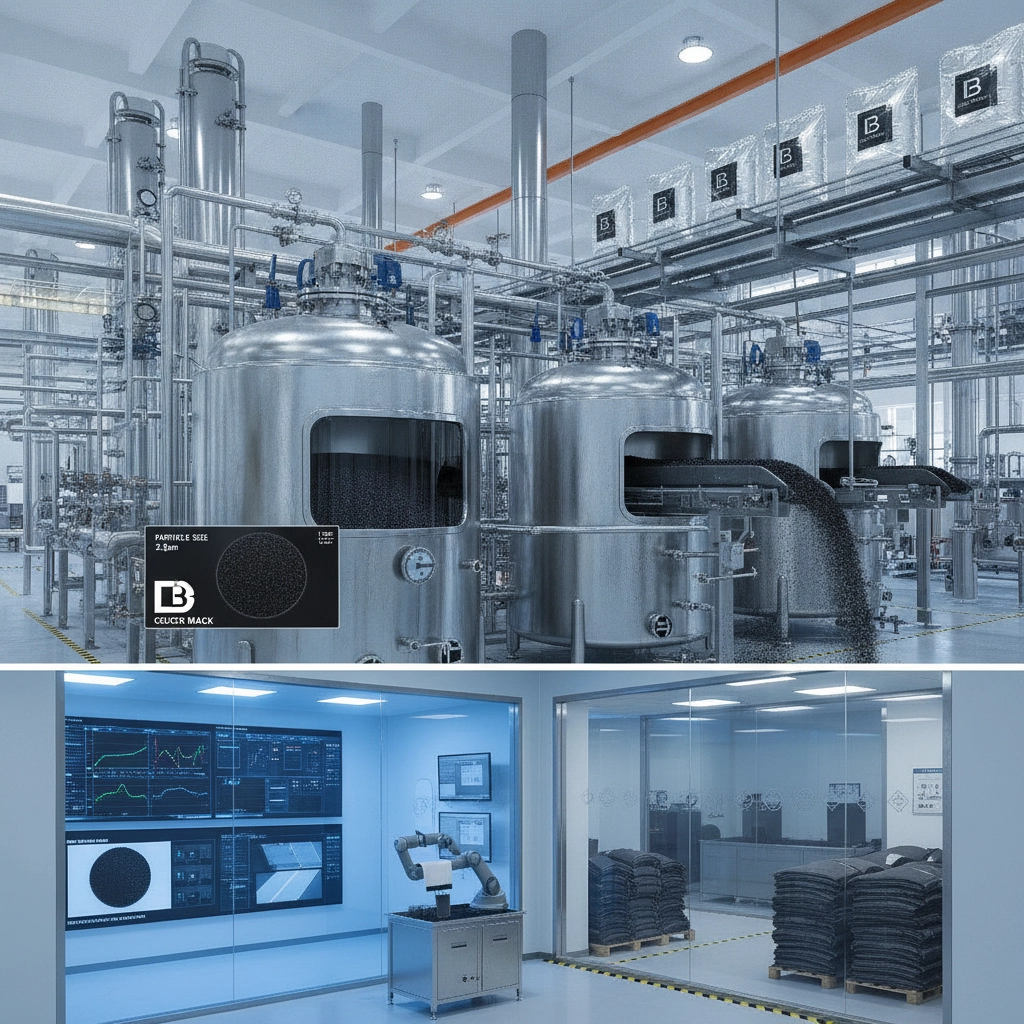
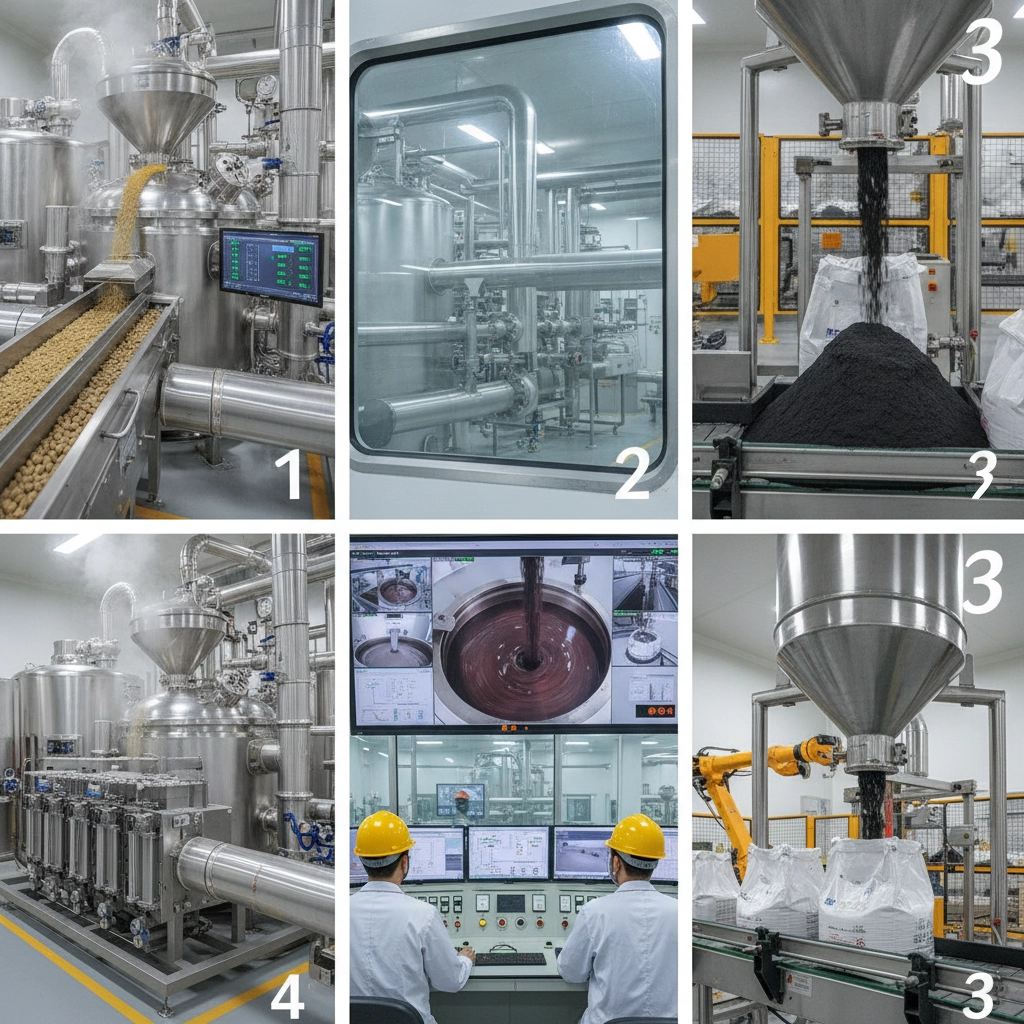
The quality of sulphur black br 240 is defined by its purity and consistency. Our product is manufactured under strict quality control to ensure every batch meets industrial standards. The following specifications highlight the chemical and physical properties that make this dye suitable for high-volume textile production, including its compatibility with various auxiliary chemicals like softeners and surfactants.
Industrial Applications and Market Reach
The utility of sulphur black br 240 extends across various manufacturing sectors. In the garment industry, it is the preferred choice for denim jeans, creating that iconic deep black look that consumers demand. Beyond fashion, it is extensively used in the production of heavy-duty canvases, industrial filters, and automotive upholstery. Because of its robustness and affordability, it allows manufacturers to maintain high profit margins while delivering products that meet stringent quality and durability requirements.
Environmental Compliance in Dyeing
Modern manufacturing requires a shift toward eco-friendly chemistry. The sulphur black br 240 is produced following advanced synthesis methods that reduce the release of harmful by-products. When used in conjunction with modern wastewater treatment plants, the effluent can be managed effectively, ensuring that textile mills comply with local and international environmental regulations. By optimizing the liquor ratio and utilizing efficient reducing agents, factories can reduce water consumption and chemical waste, making the entire dyeing process more sustainable.
Conclusion: Elevating Your Production with Sulphur Black BR 240
Choosing the right chemical components is the difference between a mediocre product and a market leader. The sulphur black br 240 provides the perfect synergy of depth, durability, and cost-efficiency. By integrating this high-performance dye into your production line and pairing it with professional auxiliaries, you can ensure a flawless finish every time. Invest in quality, reduce your waste, and enhance your brand's reputation with the best in sulphur dye technology.
Frequently Asked Questions (FAQs)
How do I prevent spotting when using Sulphur Black BR 240?
Spotting is usually caused by poor dye dispersion or incomplete reduction. To prevent this, ensure that you dissolve the sulphur black br 240 thoroughly in a premix tank before adding it to the main dyeing bath. Using a high-quality rapid penetrant is also highly recommended, as it ensures the dye penetrates the fibers uniformly and quickly, preventing localized concentrations of pigment that lead to spots. Always monitor the pH levels to ensure the dye remains fully soluble during the process.
What is the best fabric for Sulphur Black BR 240?
Sulphur dyes are primarily designed for cellulosic fibers. Therefore, 100% cotton, linen, and viscose are the ideal substrates for sulphur black br 240. It is particularly effective for heavy-weight cottons used in denim and workwear. While it can be used on blends (such as cotton-polyester), the dye will only bond with the cellulosic portion of the blend. For mixed fabrics, a two-stage dyeing process is often used to ensure the synthetic fibers are also colored.
How should I store Sulphur Black BR 240 for long-term use?
To maintain the chemical stability and purity of sulphur black br 240, it should be stored in a cool, dry, and well-ventilated area. Keep the product in its original airtight packaging to prevent moisture absorption, which can lead to caking or degradation of the dye strength. Avoid exposure to direct sunlight and keep it away from strong oxidizing agents. When stored correctly, the dye remains stable and effective for at least 12 months, ensuring consistent results across different production batches.
Does this dye require a specific reducing agent?
Yes, as a sulphur dye, sulphur black br 240 must be reduced to its soluble leuco form to penetrate the fiber. Sodium sulphide (Na2S) or sodium hydrosulphide (NaHS) are the most common and effective reducing agents. The choice between the two often depends on the desired scent profile and the specific wastewater treatment capabilities of your plant. Ensuring the correct concentration of the reducing agent is vital for achieving the deep, consistent black shade characteristic of the BR 240 series.