Industrial Tie Dye – Sustainable & Scalable Textile Solutions | DyeingChem
Industrial Tie Dye – Sustainable & Scalable Textile Solutions | DyeingChem
Industrial Tie Dye: A Colorful Revolution for Modern Manufacturing
At first glance, "industrial tie dye" might conjure wildly patterned shirts spun out of a hippie fever dream. But in reality, this term represents a fascinating intersection of traditional dye art and high-tech manufacturing processes that are making waves on a global scale. Understanding industrial tie dye isn’t just about appreciating textile aesthetics; it’s about recognizing new frontiers in durability, scalability, and sustainable production that impact industries worldwide.
This article will unravel how industrial tie dye integrates deeply with global textile markets, highlighting its core benefits and practical challenges along the way.
The Global Context: Why Industrial Tie Dye Matters
Globally, the textile sector is a cornerstone of many economies, employing over 75 million people worldwide and valued at more than $1.5 trillion. Yet, traditional dyeing methods often waste water and chemicals and create inconsistent product quality. According to ISO standards, sustainable industrial processes are urgently needed to reduce ecological footprints.
Enter industrial tie dye — a technique that blends artisanal aesthetics with automated processes, poised to solve a pressing industry challenge: how to mass-produce vibrant, durable dyed fabrics with less environmental harm. It’s not just a niche trend: major manufacturers in Asia, Europe, and North America are trialing industrial tie dye to meet increasing demand for bespoke textile products in a sustainable way.
Mini takeaway: Industrial tie dye is more than fashion art — it’s an innovative manufacturing strategy responding to global calls for greener, scalable textile solutions.
What Exactly Is Industrial Tie Dye?
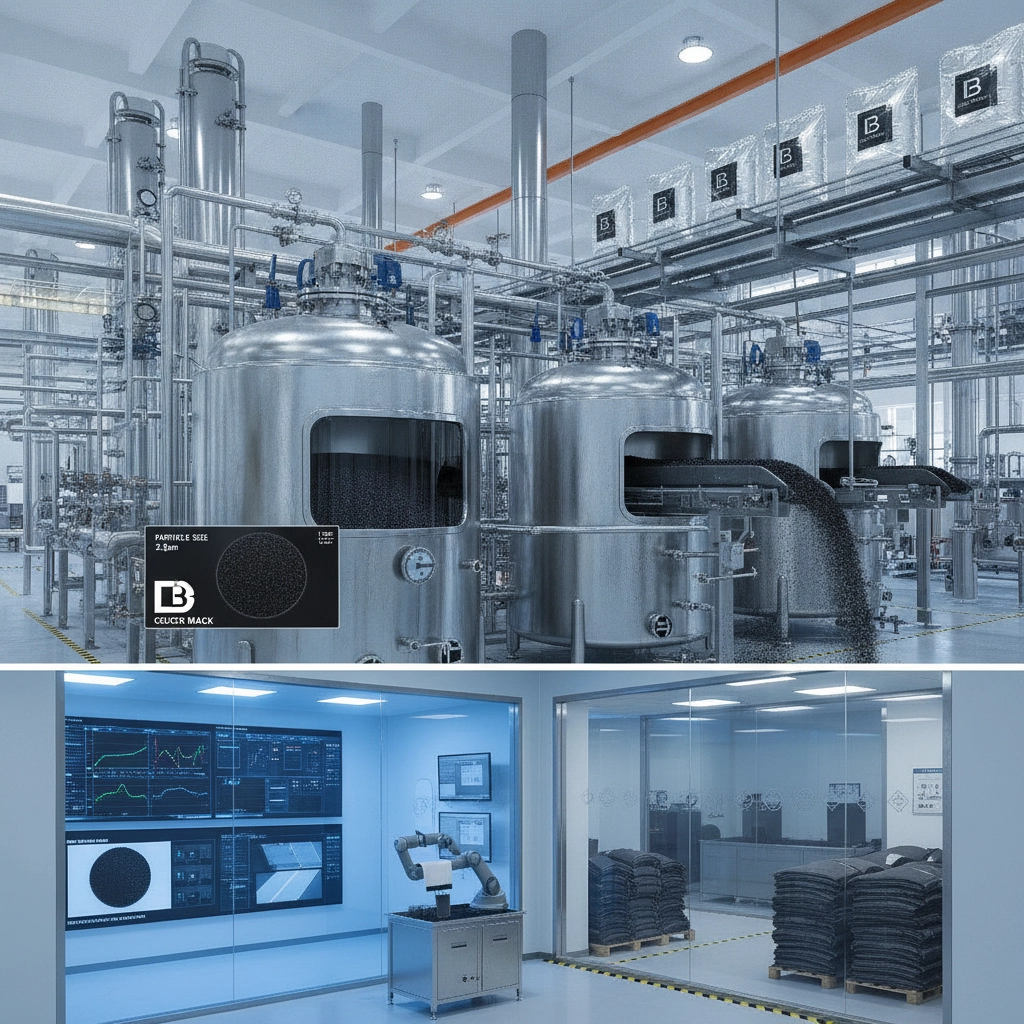
Simply put, industrial tie dye applies the manual tie-dye technique — where fabrics are knotted or folded to resist dye, creating patterns — but on a large scale using modern machinery and chemical processes. Unlike hand-crafted tie dye, which is slow and variable, industrial tie dye uses precision robotics, chemical controls, and drying chambers to reproduce complex patterns consistently and rapidly.
This fusion honors the heritage craft yet meets modern industry needs — from fashion houses wanting limited-run collections to textile suppliers catering to home décor, medical uniforms, and even automotive interiors. Oddly enough, this traditional art form has found new life in cutting-edge factory lines.
Key Aspects of Industrial Tie Dye You Should Know
1. Durability
One main factor that sets industrial tie dye apart is how it withstands wear, washing, and fading. Modern chemical fixatives and pre-treatment processes ensure color longevity unmatched by typical hand-dyed products.
2. Scalability
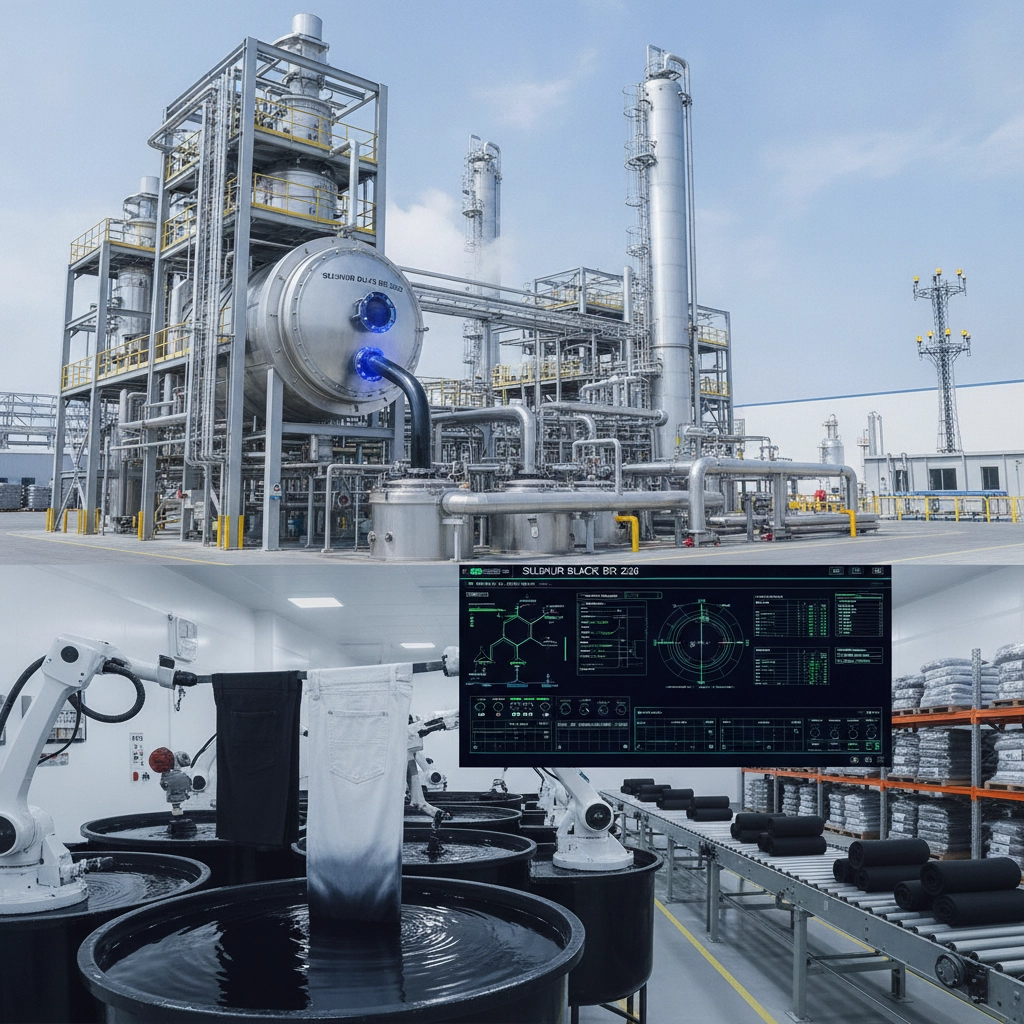
Thanks to automated clamps and conveyor dye baths, producers scale up from dozens to thousands of meters per day. It bridges the gap between bespoke boutique runs and mass manufacturing.
3. Cost Efficiency
While initial setup costs rise with automation, operational expenses drop significantly. Efficient water recycling systems and digital dye controls reduce waste and chemical use, shaving costs over time.
4. Quality Control
Sensors and AI-driven inspections catch irregularities instantly, ensuring that each piece meets consistent standards which is a huge upgrade from manual quality checks.
5. Environmental Impact
By integrating closed-loop water systems and eco-friendly dyes, industrial tie dye addresses pollution concerns, a big headache in the older batch dyeing methods.
6. Design Flexibility
With programmable machines, patterns once painstaking to craft by hand are now repeatable and adjustable on demand, paving the way for rapid customization.
Mini takeaway: The blend of durability, scalability, and eco-conscious design makes industrial tie dye an ideal textile solution for modern demands.
Worldwide Applications: Where Industrial Tie Dye Shines
Walking through the factories of Bangladesh or Italy, you’ll see industrial tie dye in action. Fashion brands leverage it for seasonal lines combining traditional style with high volume. In the home textile sector, duvet covers and curtains feature custom tie-dye patterns produced at scale. Even healthcare garments benefit, as antimicrobial and fade-resistant ties allow hospital linens with visual codes that last through heavy washing.
In disaster relief operations, some NGOs explore dyed fabrics with industrial tie dye techniques to create durable, identifiable tents and tarps that resist wear and sun damage in harsh environments — a colorful solution with serious practicality.
Interestingly, regions like Southeast Asia and Eastern Europe are becoming hubs for innovation in this space, combining rich cultural dye legacies with new-age textile machinery.
Industrial Tie Dye in Action: Key Product Specifications
| Specification | Details |
|---|---|
| Fabric Compatibility | Cotton, Polyester-Blends, Silk |
| Production Speed | Up to 500 meters/hour |
| Water Usage | ~20% less than traditional batch dyeing |
| Color Fastness | Grade 4+ (ISO 105 C06) |
| Automation Level | Fully programmable robotics and AI inspection |
Comparing Top Vendors: Which Industrial Tie Dye Provider Suits Your Business?
| Vendor | Automation | Eco Certifications | Price Range | Special Notes |
|---|---|---|---|---|
| TieDyeTech Co. | High | OEKO-TEX, GOTS | $$$ | Strong AI QC system |
| ColorLoops Inc. | Medium | ISO 14001 | $$ | Good for mid-size runs |
| DyeMasters Ltd. | Low | None | $ | Affordable for startups |
What Are the Main Benefits of Industrial Tie Dye?
- Cost Savings: Lower water and chemical use means reduced utility bills and supply costs.
- Customization: Brands can respond quickly to trends with flexible pattern programming.
- Sustainability: Eco-certifications reassure consumers and comply with tightening environmental regulations.
- Consistency: Automated inspection cuts defects, lifting brand reputation and customer trust.
- Social Impact: Supporting skilled artisans by integrating traditional designs into mass production, preserving cultural heritage.
Future Directions: What’s Next for Industrial Tie Dye?
Innovation never sleeps, and neither does this industry. I’ve noticed emerging trends in the adoption of biodegradable dyes and waterless digital printing techniques that can be combined with tie dye patterns. There’s also growing interest in AI-enabled predictive maintenance for dye machines, which could cut downtime significantly.
Moreover, as industrial tie dye intersects with the broader push towards circular economies, expect more efforts in fabric recycling and closed-loop processing — truly making it greener than ever.
Challenges Worth Mentioning—and How to Tackle Them
Despite the tech, industrial tie dye faces hurdles like:
- High initial equipment costs: Smaller factories may struggle unless financing or leasing options exist.
- Complex maintenance: Automated robots require specialized tech support.
- Raw material variability: Natural fibers respond unpredictably; rigorous testing is essential.
However, many vendors offer scalable solutions, and investments can be offset by long-term savings and brand differentiation. Plus, training programs and partnerships with local artisan groups help smooth out supply chain bumps.
FAQs: Your Industrial Tie Dye Questions Answered
Q1: How does industrial tie dye differ from traditional hand tie-dye?Industrial tie dye uses automated machinery and controlled chemical processes to create consistent, scalable patterns, whereas hand tie-dye is artisanal, slower, and prone to variability. Q2: Can industrial tie dye be eco-friendly?
Absolutely. Many modern industrial systems employ recycled water, use non-toxic dyes, and adhere to certifications like OEKO-TEX and GOTS, significantly reducing environmental impact. Q3: What industries benefit most from industrial tie dye?
Textiles for fashion, home décor, healthcare uniforms, and even automotive interiors capitalize on industrial tie dye’s ability to combine pattern complexity with durability. Q4: Is customization possible with industrial tie dye?
Yes. Programmable machines can switch patterns rapidly, allowing brands to produce unique or small-batch designs cost-effectively. Q5: How can NGOs use industrial tie dye fabrics in disaster relief?
NGOs utilize durable, color-coded tie dye fabrics for tents and tarps that withstand harsh weather, aid visual organization, and support quick deployment solutions in emergencies.
In Closing: Why Industrial Tie Dye Is Worth Watching
Looking at industrial tie dye, you’re actually seeing a fascinating narrative unfold — of heritage crafts meeting 21st-century technology, sustainability, and business savvy. The marriage of artful patterning with efficient factory-scale production unlocks not just aesthetic value but economic, environmental, and social dividends.
If you’re curious to explore how industrial tie dye can elevate your next manufacturing project or product line, it’s worth diving deeper. For more detailed insights and vendor options, visit industrial tie dye and see how this colorful innovation could be exactly the solution your business needs.
References: