Comprehensive Guide to Denim Jean Dye: Processes, Sustainability & Future Trends
Comprehensive Guide to Denim Jean Dye: Processes, Sustainability & Future Trends
What Is Denim Jean Dye and Why It Matters Globally
Denim isn’t just fabric—it’s a cultural icon, an economic engine, and a staple in wardrobes worldwide. At the heart of that classic blue jean look? Denim jean dye. This process colors the fibers to give jeans their signature indigo or alternative shades. Understanding how denim jean dye works and its impact is more than a fashion curiosity; it’s a window into global textile workflows, sustainability challenges, and industrial innovation.
Denim production involves millions of tons of fabric dyed every year, producing significant environmental footprint and economic activity. By appreciating the nuances of denim jean dye, manufacturers, brands, and consumers can better navigate everything from supply chain issues to eco-friendly alternatives, and ultimately push the industry toward better practices.
The Global Landscape of Denim Jean Dye
Did you know the global denim market was valued at over $87 billion in 2023, with Asia-Pacific alone accounting for roughly 60% of denim production? (Source: Statista). Denim jean dye is central to this value chain, because without effective dyeing, denim wouldn’t have the robustness or character it’s famous for.
Yet the industry faces stiff challenges. Traditional indigo dyeing methods consume vast amounts of water—sometimes over 70 liters per pair of jeans—and produce runoff polluting local waterways. Plus, not all dyeing processes produce colors that last under daily wear, which affects garment longevity and brand reputation.
This all points to a crucial tension: how do we balance the undeniable demand for denim fabrics dyed with rich hues while cutting down the environmental footprint? It’s not just about aesthetics—it’s about the sustainability of global textile supply chains.
Defining Denim Jean Dye: More Than Just Color
In simple terms, denim jean dye is a process of coloring denim fabric, usually cotton, using dyes that bond well with the fibers, creating that signature blue or alternative tones. Indigo is the star player, but others like sulfur and reactive dyes have their place.
In industrial terms, it’s the point where raw textile transforms into finished goods ready for production lines—ready to be stitched into your favorite pair of jeans. On a humanitarian level, the dyeing process also reflects trade patterns and impacts labor markets globally. The technologies used influence not only environmental outcomes but also social equity in production countries.
Core Components of Denim Jean Dye
1. Dye Types and Chemistry
- Indigo Dye: Natural or synthetic, indigo provides the distinctive blue tones and must be applied with precision to get the right fade and wear effects.
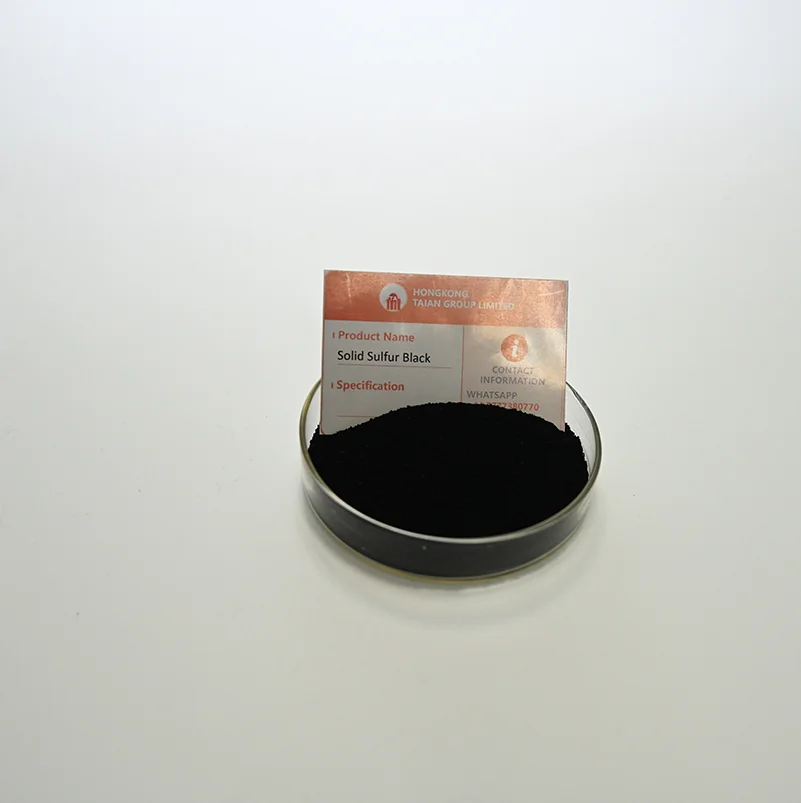
- Sulfur Dye: Offers a palette from black to dark browns and greens, expanding the denim color spectrum.
- Reactive Dyes: Used for brighter, more vibrant colors but require different chemical handling.
2. Durability and Fastness
The power of denim jean dye lies in its ability to resist washing and sunlight fading — called color fastness. High durability means consumers get long-lasting color without frequent replacements, which matters both economically and environmentally.
3. Water & Chemical Consumption
Traditional dyeing can be water-intensive with heavy chemical use. Recent innovations focus on reducing both, using methods like air dyeing and foam dyeing to save resources and minimize toxic discharge.
4. Scalability and Industrial Integration
Jean manufacturers need dyeing solutions that can scale effortlessly from small batches to millions of yards of fabric yearly, integrated smoothly with spinning, weaving, and finishing operations.
5. Environmental and Social Impact
Responsible dyeing practices help lower water pollution, carbon emissions, and promote safer work environments—key factors for global brands emphasizing ESG (Environmental, Social, and Governance) commitments.
Mini takeaway: Denim jean dye isn’t just about making fabric blue. It’s chemistry, sustainability, scalability, and social responsibility all woven together.
Real-World Applications: Who Uses Denim Jean Dye and How?
Around the world, denim jean dye is applied differently according to regional resources and needs. For instance:
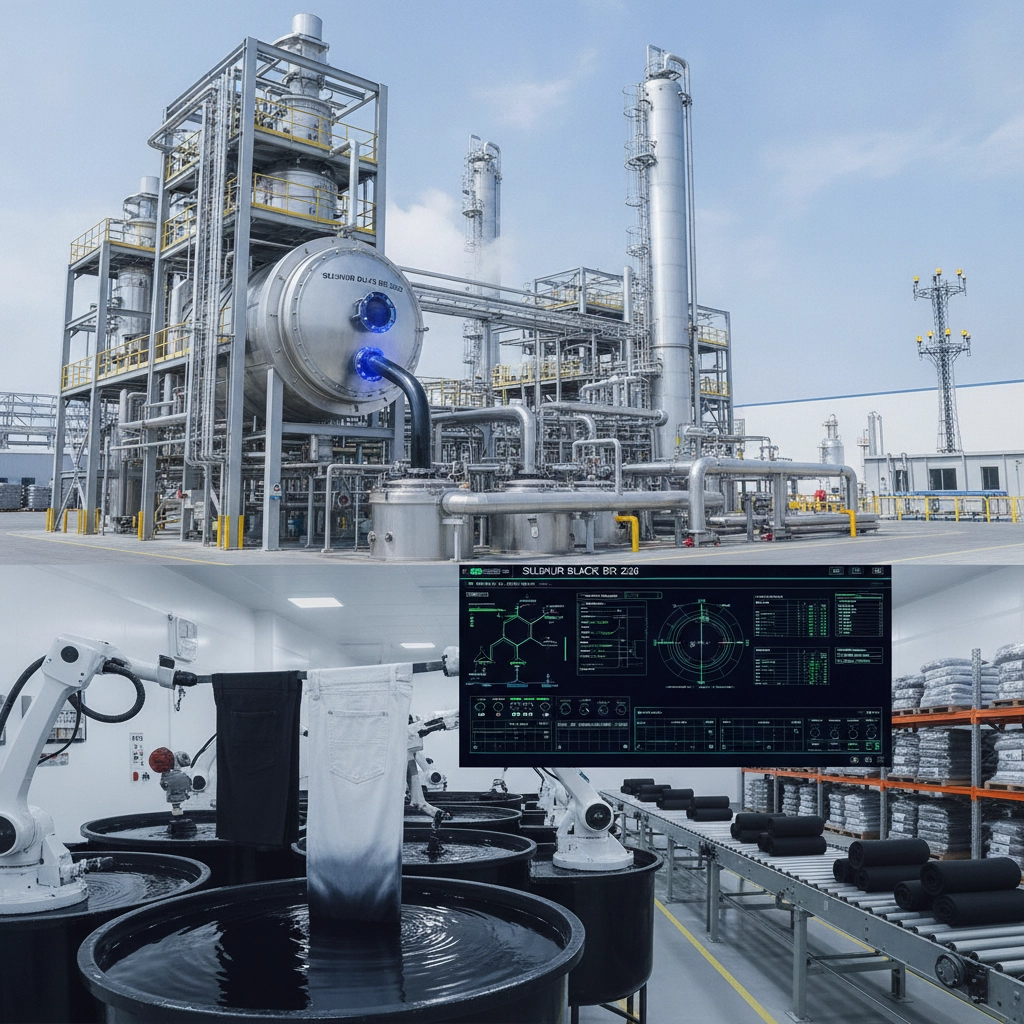
- Asia’s Textile Hubs: Countries like Bangladesh, India, and China utilize large-scale indigo dye vats, supplying global fast fashion brands.
- European Niche Brands: Many employ eco-friendly, low-impact dyes catering to premium markets focused on sustainability.
- Post-Disaster Relief and Workwear: Durable denim, often dyed with robust sulfur or indigo dyes, is favored for workers’ uniforms needing longevity in tough environments.
Even small artisan workshops are adopting alternative dye processes to reduce water usage and produce unique color effects that lend a handcrafted feel.
Advantages and Long-Term Value of Quality Denim Jean Dye
- Cost Efficiency: Proper dyeing reduces waste and reprocessing.
- Sustainability: Innovations cut water use, aiding compliance with environmental standards like ISO 14001.
- Durability: Jeans keep their color and integrity longer, lowering frequency of replacement.
- Social Impact: Cleaner dyeing technologies improve worker safety—an ethical win.
- Consumer Trust: End users know what to expect from brands that invest in advanced dyeing methods.
Emotionally, there's a sense of pride wearing well-crafted denim that lasts and aligns with responsible production values. Actually, I noticed more buyers checking brand sustainability reports before their purchases recently—it’s real.
Future Trends & Innovations in Denim Jean Dye
Here’s where it gets interesting — the crossroads of technology and style:
- Air and Foam Dyeing: These low-water methods reduce the environmental impact drastically.
- Digital Dye Printing: Enables custom patterns and colors with zero water waste, perfect for small-batch designers.
- Bio-Based Dyes: Derived from plants or microbes, these reduce pollutant footprints.
- Automation & AI Control: Improving consistency and cutting chemical overuse.
Overall, the industry leans towards greener, smarter, and more customizable solutions — a win-win for producers and planet alike.
Challenges and How the Industry is Tackling Them
Not everything is smooth sailing:
- High water and energy consumption in traditional methods.
- Worker exposure to hazardous chemicals.
- Balancing fast fashion demands with quality.
- Supply chain transparency issues.
Innovators are tackling these by investing in closed-loop systems to recycle water and chemicals, switching to safer materials, and adopting stricter certification standards. Plus, brands are more vocal about sourcing, requiring suppliers to adopt greener processes—a shift that’s slowly reshaping the entire value chain.
Denim Jean Dye FAQ
- Q: What makes indigo dye so special for denim jeans?
- A: Indigo is unique because it doesn’t fully penetrate cotton fibers; instead, it sits on the fabric surface allowing the familiar fading effect that characterizes classic denim wear.
- Q: How long does the typical dyeing process take for a batch?
- A: Traditional vat dyeing can take from several hours up to a full day depending on fabric volume and processing steps, though newer methods like foam dyeing significantly reduce time.
- Q: Are eco-friendly denim dyes really better for the planet?
- A: Generally yes, as they reduce toxic waste, water usage, and carbon emissions, plus they promote safer working conditions in factories—key factors in sustainable fashion.
- Q: Can small businesses implement advanced dyeing technology?
- A: Smaller workshops benefit from portable or batch technologies like digital dye printers and foam dye systems; costs have been decreasing as demand grows.
Denim Jean Dye Product Specification Table
| Specification | Traditional Indigo Dye | Foam Dye Technology | Digital Dye Printing |
|---|---|---|---|
| Water Usage (liters/kg fabric) | 50-70 | 5-15 | |
| Color Fastness | High | Moderate-High | Variable (depends on print) |
| Environmental Impact | High | Low | Low |
| Suitability for Mass Production | Excellent | Good | Best for Small Runs |
| Set-Up Cost | Medium | High | Low |
Vendor Comparison for Denim Jean Dye Solutions
| Vendor | Technology Offered | Sustainability Rating | Price Range | Global Reach |
|---|---|---|---|---|
| BlueWave Textile Solutions | Advanced Indigo Vat Dyeing | Moderate | $$ | Asia, Europe |
| EcoFoam Dye Tech | Foam Dyeing Equipment | High | $$$ | North America, Europe |
| PrintMaster Digital | Digital Dye Printers | High | $ | Global |
In conclusion, denim jean dye is a fascinating mix of tradition, chemistry, and modern innovation. Its global significance goes beyond fashion, touching on environmental, social, and economic aspects. For brands and manufacturers looking to innovate while safeguarding the planet, understanding these nuances is critical. If you want to dig deeper and explore sustainable denim dye technologies, I’d recommend visiting our hub at denim jean dye. They provide great resources and product insights.
Here’s a cozy thought to leave with: every pair of jeans carries a story of chemical artistry, labor, and evolving eco-consciousness. The next time you slip into denim, you’re part of that story too.