Understanding Sulphur Black Use: Durable, Cost-Effective Pigment Solutions for Industry
Understanding Sulphur Black Use: Durable, Cost-Effective Pigment Solutions for Industry
Understanding Sulphur Black Use: A Vital Ingredient in Modern Industry
Sulphur black use might not be a phrase you encounter daily, but its impact ripples through multiple sectors worldwide. From textile manufacturing to specialized coatings, this pigment is more than just a dye—it’s a cornerstone in industries striving for durability, cost-effectiveness, and sustainability. Grasping its importance is essential not only for manufacturers but also policy makers and environmentalists who are increasingly focused on greener chemical processes and reliable industrial practices.
On a global scale, sulphur black helps power economies reliant on manufacturing and goods production. Given the rise in textile output—The United Nations reported the global textile market was valued at over $1 trillion in 2022—understanding how sulphur black use integrates into these processes offers insight into supply chain efficiencies and environmental considerations.
The Global Context: Why Sulphur Black Matters
Imagine a world where fabrics fade quickly, or consumer products lose their luster after minimal use. Sulphur black pigments underpin the longevity and appearance quality in many applications, reducing waste and enhancing product value. However, global challenges persist in balancing the chemical’s benefits with environmental safety. According to ISO environmental standards, the chemical industry is under pressure to innovate greener alternatives without compromising on performance.
Industries spanning from apparel to automotive parts rely on sulphur black for intense, fastness-oriented coloration. In countries with fast-growing manufacturing sectors like India, Bangladesh, and China, the demand for sulphur black use grows exponentially. But this surging demand prompts questions: how do we manage environmental risks? What about worker safety? And how can innovation lead to better outcomes?
Defining Sulphur Black Use and Its Industrial Role
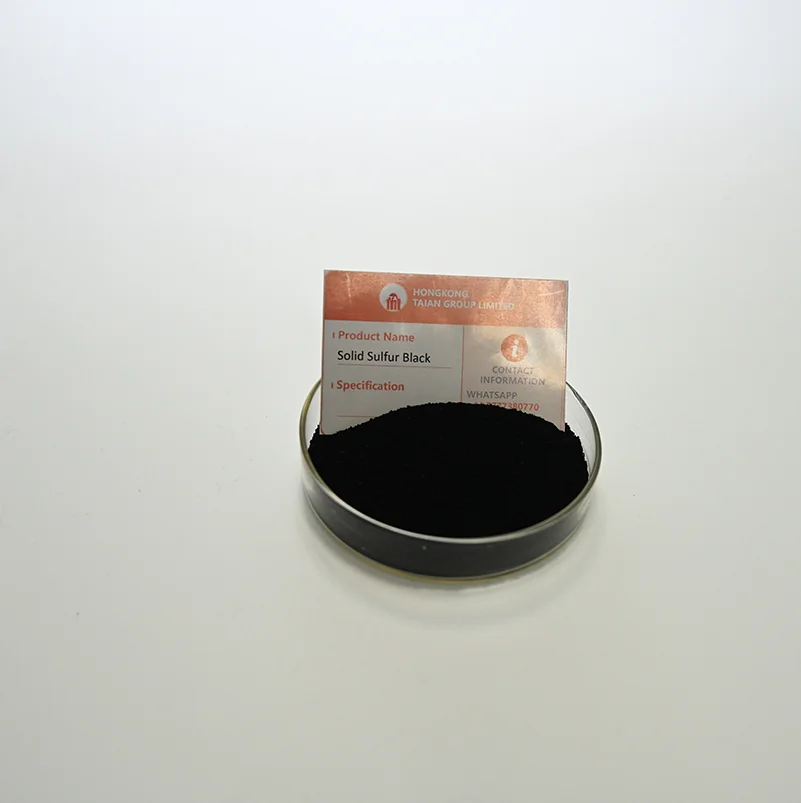
Simply put, sulphur black use refers to the application of sulphur-based pigments in dyeing processes, primarily for fabrics but also for rubber, plastics, and coatings. These pigments are characterized by deep, rich black hues which are remarkably resistant to washing and light exposure. Historically, sulphur blacks have been favored because they are inexpensive and versatile, used predominantly in coloring cotton and blended fabrics.
Modern industry uses sulphur black not just for aesthetics, but also to enhance properties like wear resistance and colorfastness — crucial for products subjected to harsh conditions. Oddly enough, despite their long history, these dyes still hold a competitive edge over many synthetic alternatives, partly due to their simplicity and efficacy.
Key Aspects of Sulphur Black Use
1. Durability and Fastness
One of the defining characteristics is the pigment’s ability to withstand repeated washing and exposure. This makes it a favorite in workwear and uniforms where longevity is non-negotiable.
2. Cost Efficiency
Sulphur black pigments are among the more affordable dyes available. This is vital when working with large production volumes — a small cost saving per unit adds up quickly.
3. Versatility
Beyond textiles, sulphur black finds use in coatings and rubber manufacturing. Its adaptability to different substrates and machinery setups enhances its appeal.
4. Environmental and Safety Profile
While cheaper and efficient, sulphur black dyes have sometimes been criticized for environmental impact due to sulfur-containing byproducts. However, with tighter process controls and effluent treatment improvements, these concerns are steadily addressed.
Mini Takeaway
In essence, sulphur black use offers a blend of value and performance that has stood the test of time — balancing durability, cost, and multi-industry adoption.
How Sulphur Black is Applied Globally
If you peek into manufacturing hubs in Southeast Asia or Eastern Europe, you’ll find sulphur black playing a starring role. From textile mills in Bangladesh clothing the global population, to automotive component manufacturers in Turkey investing in tough rubber seals tinted black — it all traces back here.
In humanitarian logistics, textiles dyed with sulphur black are chosen for refugee camp uniforms due to their stain resistance and low replacement frequency. Similarly, in industrial zones with limited recycling infrastructure, longer-lasting black pigments reduce waste streams.
Product Specification Table
| Property | Typical Value | Units |
|---|---|---|
| Pigment Type | Sulphur Black 1 | - |
| Color Fastness (Light) | 5-6 (ISO 105-B02) | Grade (1-8) |
| Washing Fastness | 4-5 (ISO 105-C02) | Grade (1-5) |
| pH Range (Dye Bath) | 9-11 | - |
| Temperature Stability | Up to 130°C | °C |
Advantages and Long-Term Value of Sulphur Black Use
The benefits stretch from economics to the environment and the very way industries function. Cost advantages come first to mind — especially for mass production where raw material expenses are scrutinized. But there’s an emotional side too. When you wear a jacket with a rich, deep black hue that doesn’t fade or pit during heavy use, that reliability breeds subtle trust in the brand and product.
On sustainability fronts, improved processing techniques reduce harmful effluents, which aligns sulphur black use with growing environmental legislations. That means factories can stay competitive without sacrificing their green credentials. And manufacturers get fewer complaints and returns—always a plus in tight markets.
Vendor Comparison Table: Top Sulphur Black Suppliers
| Vendor | Price Range (per ton) | Purity (%) | Global Reach | Sustainability Certification |
|---|---|---|---|---|
| SulphurCo | $1,200 - $1,500 | 98% | North America, Europe | ISO 14001 |
| BlackChem Industries | $1,000 - $1,350 | 96% | Asia, Africa | No formal certification |
| EcoSulphur Ltd. | $1,300 - $1,600 | 99% | Global | ISO 14001, REACH Compliant |
Looking Ahead: Future Trends and Innovations
Sulphur black use isn’t stagnant. For one, green chemistry principles are pushing developers to discover modified pigments that retain colorfastness with even less environmental fallout. Bio-based sulphur sources and enzymatic processes are on the horizon, promising more sustainable production lines.
Digital textile printing and automation could also redefine how sulphur black dyes are applied, increasing precision and reducing waste. Interestingly, the emergence of circular economy policies worldwide encourages upscaling dye recovery and reusing byproducts that previously polluted waterways.
Challenges and How the Industry is Responding
Of course, sulphur black use isn’t without its hurdles. Handling sulfur-containing compounds calls for strict safety measures to avoid worker exposure to hazardous gases. Plus, treating wastewater from dyeing operations remains costly in many developing areas.
But the good news? Industries globally are investing in closed-loop systems and adopting greener chemistry approaches. Vendors are collaborating to improve supply chain transparency and waste reduction. I suppose it’s a classic case of old meets new — refining a legacy pigment for a more sustainable future.
FAQs About Sulphur Black Use
-
Q: What fabrics are best suited for sulphur black dyeing?
A: Sulphur black dyes work best with cellulosic fibres like cotton and viscose. They provide excellent colorfastness on these materials but are not typically recommended for synthetic fabrics. -
Q: Are sulphur black dyes eco-friendly?
A: While traditionally sulphur black dyes produced sulfur-containing effluents, modern treatment and process improvements have reduced their environmental impact, making them a more sustainable choice than before. -
Q: How long does the black color last on garments dyed with sulphur black?
A: Sulphur black dyes offer very good washing and light fastness. With proper care, garments retain deep black hues for years without significant fading. -
Q: Can sulphur black dyed textiles be recycled effectively?
A: Recycling dyed textiles depends on many factors, but sulphur black dyes generally do not complicate standard fiber recycling processes.
Conclusion
Sulphur black use remains a powerful tool in modern manufacturing—bridging cost efficiency, durability, and industrial versatility. As global industries steer toward sustainability, innovations around this familiar pigment will continue enhancing its utility while addressing environmental concerns.
For companies exploring reliable pigment solutions that carry a legacy and a future, sulphur black offers an intriguing balance. Curious to explore more or source quality pigments? Visit our site: sulphur black use.