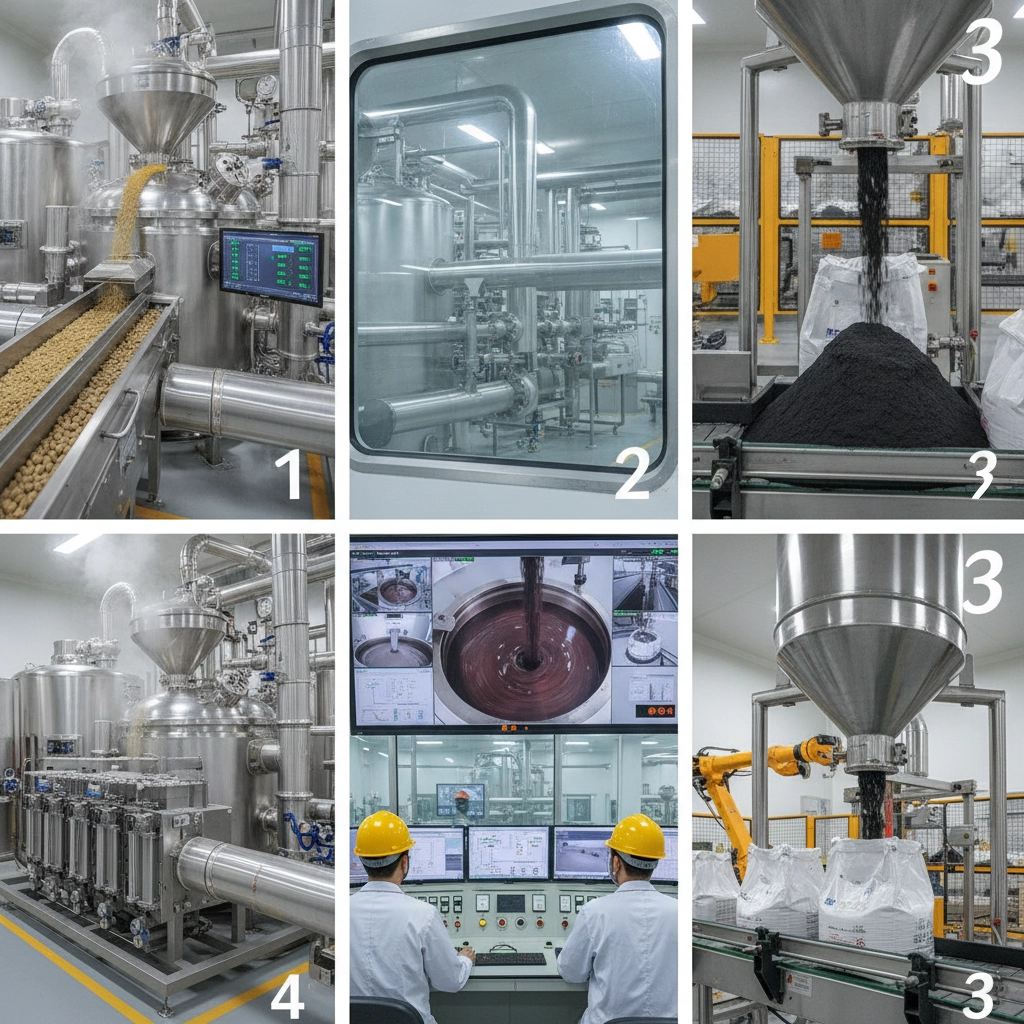
Explore the Types of Industrial Enzymes Transforming Modern Industries
Explore the Types of Industrial Enzymes Transforming Modern Industries
Understanding the Types of Industrial Enzymes: A Key to Modern Industry’s Pulse
If you’ve ever wondered what quietly powers many processes behind the scenes — from brewing your favorite craft beer to cleaning wastewater or even baking bread — enzymes are often the unsung heroes. Types of industrial enzymes are specialized proteins that catalyze, or speed up, countless reactions that would otherwise take ages or require harsh chemicals. Why does that matter? Globally, these biological catalysts help industries slash energy consumption, boost sustainability, and produce products more efficiently and safely.
Getting to grips with the different industrial enzymes out there, their uses, and how they optimize production processes might just be one of the smartest moves for anyone involved in manufacturing, environmental management, or even humanitarian aid. Because these enzymes aren’t just science fiction; they’re pretty much embedded in daily life and the global economy itself.
Why Industrial Enzymes Matter Worldwide
The global enzyme market reached nearly $9 billion in 2023 and is projected to hit $14 billion by 2030, according to industry reports aligned with ISO standards. Their rise traces back to the urgent need for cleaner technologies and greener chemistry — priorities echoed from UN sustainable development goals to corporate ESG commitments worldwide.
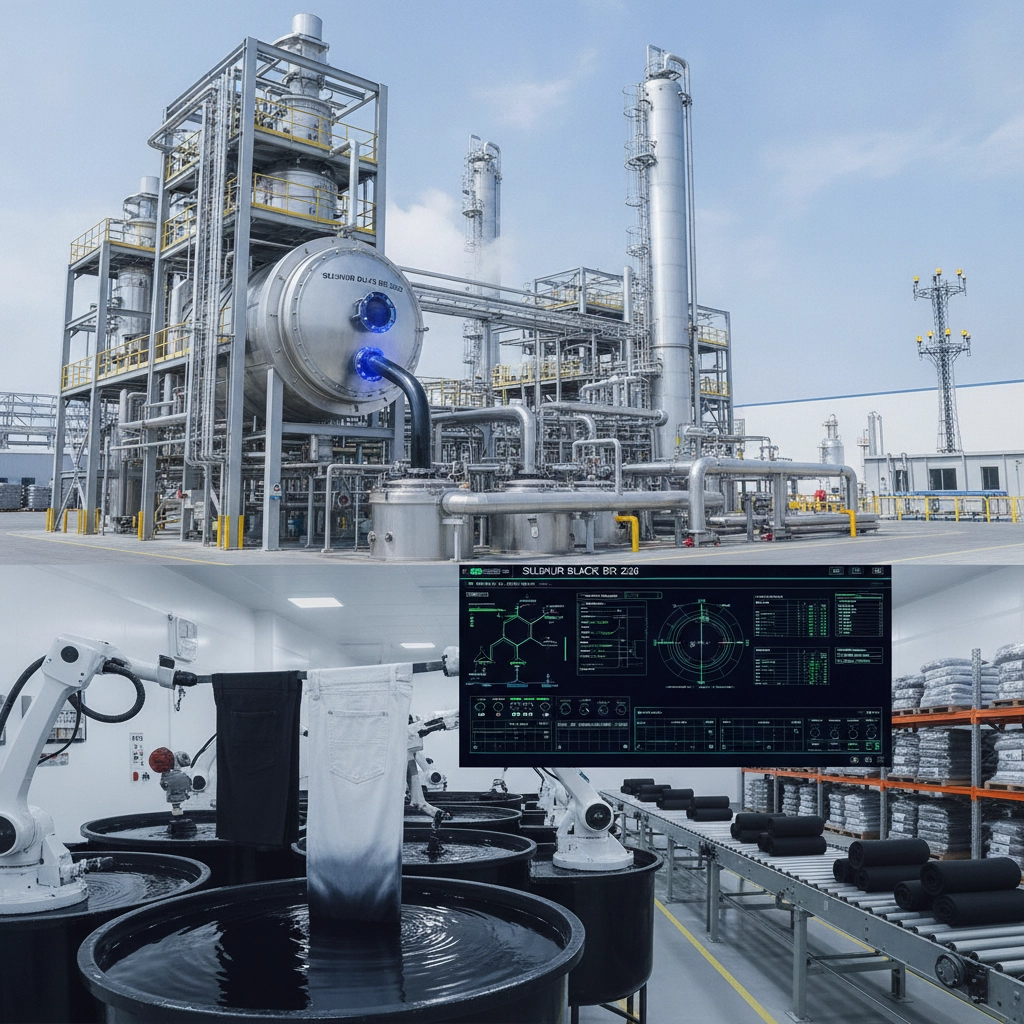
One major challenge tackled by these enzymes is minimizing the environmental footprint of heavy industries and agriculture, where conventional methods consume vast amounts of energy and generate pollution. Consider textile and detergent industries, which historically discharged tons of chemical residues. Types of industrial enzymes now enable safer garment treatments and less toxic cleaning agents, creating ripples of change from factories in Southeast Asia to laundries in Europe.
What Exactly Are Types of Industrial Enzymes?
Put simply, types of industrial enzymes refer to the variety of enzyme classes used in industrial processes. Each serves a specific purpose by breaking down substrates, building molecules, or converting raw materials into valuable products efficiently. For example:
- Proteases break down proteins—great for detergents and leather processing.
- Amylases target starches—useful in brewing, baking, and biofuel production.
- Lipases catalyze fats—commonly used in food processing and wastewater treatment.
- Cellulases degrade cellulose—important for textile treatment and paper manufacturing.
These enzymes often come from bacteria, fungi, or yeasts, tailored to withstand industrial conditions — temperature swings, pH extremes, and large scale operation — unlike their natural brethren.
Mini Takeaway: Industrial enzymes are a diverse toolbox enabling industry to be faster, cleaner, and greener in practical terms.
Essential Qualities that Define Top Industrial Enzymes
1. Stability Under Harsh Conditions
One of the reasons enzymes can be a game changer is their stability. They need to work under high temperature, variable pH, and sometimes in organic solvents. For instance, thermostable enzymes like certain proteases remain effective even above 60°C, which is essential for effective detergents or textile processing.
2. Specificity and Efficiency
Enzymes don’t just speed up reactions blindly; they target specific bonds or molecules, which reduces undesired byproducts. This precision improves yields and quality while saving raw materials, something eco-conscious manufacturers love.
3. Scalability for Mass Production
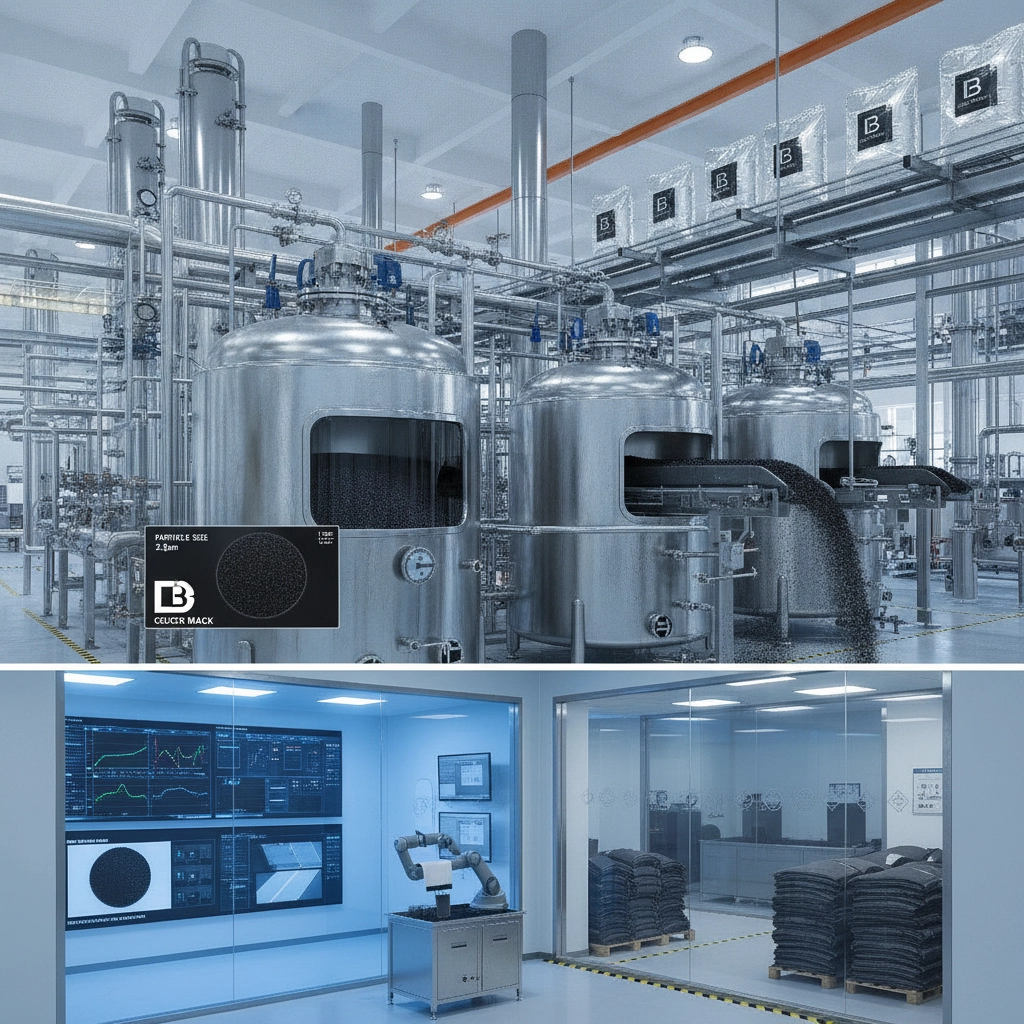
Enzyme manufacturing isn’t artisanal; it’s a biotechnological feat requiring fermentation tanks often as large as small houses. The ability to produce large volumes without loss of activity or purity makes these enzymes industrially viable.
4. Cost Effectiveness
While enzymes may seem pricey upfront, the long-term savings via energy reduction, reduced chemical usage, and faster processing make them economically attractive. Plus, ongoing R&D is driving down costs continuously.
5. Environmental Compatibility
Enzymes biodegrade naturally after use, reducing waste load. Their capacity to replace harsh chemicals aligns well with global efforts to promote sustainability and comply with regulations on pollution control.
Mini Takeaway: The combination of robustness, precision, and eco-friendliness is what makes these enzymes industrial heroes.
How Types of Industrial Enzymes Are Changing Industries Around the Globe
Enzymes have infiltrated nearly every sector:
- Food and Beverage: Amylases and proteases optimize brewing and baking — think fluffier bread or clearer beer.
- Textile and Leather: Cellulases and proteases soften fabrics and help remove impurities without harsh chemicals.
- Detergents: Proteases, lipases, and amylases break down stubborn stains at lower wash temperatures, saving energy.
- Biofuels: Cellulases facilitate biomass conversion to fermentable sugars, supporting renewable energy.
- Pulp and Paper: Enzymes reduce the need for aggressive bleaching agents and improve pulp yield.
Interestingly, regions like Asia-Pacific are leading enzyme demand because of their booming textile and food industries, while Europe and North America focus on specialized enzymes for pharmaceuticals and fine chemicals. NGOs even deploy enzyme-based solutions for efficient waste treatment in disaster zones and refugee camps, where conventional methods falter.
Mini Takeaway: Industrial enzymes span continents and applications, creating ripple effects that cross economic and environmental boundaries.
Product Specification Table: Sample Industrial Enzymes at a Glance
| Enzyme Type | Optimal pH | Temperature Range (°C) | Main Industry Use | Source Organism |
|---|---|---|---|---|
| Protease | 7.0 - 11.0 | 40 - 70 | Detergents, Leather | Bacillus subtilis |
| Amylase | 6.0 - 7.0 | 50 - 65 | Food, Biofuel | Aspergillus oryzae |
| Lipase | 8.0 - 9.0 | 30 - 60 | Food, Detergent | Candida rugosa |
| Cellulase | 4.5 - 5.5 | 50 - 70 | Textile, Paper | Trichoderma reesei |
Vendor Comparison: Leading Industrial Enzyme Suppliers
| Vendor | Product Range | Global Reach | Sustainability Initiatives | Customization Services |
|---|---|---|---|---|
| Novozymes | Comprehensive enzyme portfolio | 150+ countries | Carbon-neutral production goals | Tailored enzyme blends |
| DSM | Focus on food and pharma enzymes | Global | Sustainable sourcing | Process optimization support |
| AB Enzymes | Specialty high-performance enzymes | Worldwide | Enzyme recycling programs | Custom enzyme engineering |
Long-Term Benefits and Value of Industrial Enzymes
So why have companies and governments doubled down on enzymes? Aside from the obvious environmental upside, there’s clear economic sense. Using enzymes translates into:
- Lower energy consumption: Enzymatic reactions often occur at moderate temperatures vs. intense heating, reducing fuel use and emissions.
- Reduced chemical waste: Safer effluents boost compliance and public health.
- Enhanced product quality: More precise action improves texture, flavor, fabric quality, etc.
- Social impact: Cleaner industries help communities near factories breathe easier.
There's also an emotional element: many engineers and operators feel a sense of pride pioneering sustainable manufacturing that feels “right” in a world increasingly aware of climate urgency.
Emerging Trends in Industrial Enzyme Technologies
The enzyme world isn’t standing still. Here’s a quick look at what’s stirring up excitement:
- Protein engineering and synthetic biology: Custom-built enzymes tailor-made for exact processes.
- Digital enzyme screening: AI-driven models help find better candidates fast.
- Green energy collaboration: Enzymes improving biofuel yields and waste-to-energy conversions.
- Automation integration: Smart factories incorporating enzymes with IoT control systems.
Overcoming Challenges in Deploying Industrial Enzymes
Despite obvious perks, hurdles remain. Some enzymes still degrade too quickly, while others require costly pretreatments or aren’t stable enough in extreme settings. Plus, enzyme supply chains can get disrupted due to biological raw material shortages or geopolitical factors.
Experts suggest multi-pronged solutions:
- Developing enzyme blends to boost robustness and extend functional ranges.
- Enhancing enzyme immobilization techniques for reuse and durability.
- Adopting flexible manufacturing models to adjust supply responsiveness.
FAQ: Your Questions About Types of Industrial Enzymes Answered
- What factors determine which enzyme type is suitable for my industrial process?
- Consider the substrate you’re targeting, operating temperature and pH, and desired reaction speed. Enzyme specificity and stability to your process conditions are crucial.
- Are enzyme-based solutions cost-effective compared to synthetic chemicals?
- Yes, especially over time. Initial enzyme costs might be higher, but energy savings, less waste disposal, and improved yields typically offset that.
- Can enzymes be customized to fit unique manufacturing needs?
- Absolutely. Many suppliers offer tailored solutions through protein engineering or blending different enzymes to optimize performance.
- How sustainable are industrial enzymes overall?
- They degrade naturally and help avoid harsh chemicals, making them one of the most eco-friendly options available in industry today.
- How easy is the transition from chemical to enzyme-based processes?
- It depends, but many industries report smooth adoption with technical support. Pilot testing and gradual integration reduce risks.
Wrapping Up: Why Types of Industrial Enzymes Could Be Your next Strategic Move
In the long haul, understanding and leveraging types of industrial enzymes offer a compelling path to more sustainable, efficient, and innovative operations. From lowering costs to helping meet environmental mandates and creating better products, their impact touches every level of manufacturing today.
If this sounds like the direction your business—or the industry you care about—should be moving, then visiting https://www.dyeingchem.com might be a perfect next step to explore solutions, suppliers, and knowledge.
Quick Recap:
Types of industrial enzymes are integral to cleaner, faster, and smarter production worldwide. They represent a bridge between nature and industry, embodying innovation with respect for the planet.