Comprehensive Guide to Enzyme Preparation: Definition, Applications & Innovations
Comprehensive Guide to Enzyme Preparation: Definition, Applications & Innovations
Understanding Enzyme Preparation: A Key Ingredient for Industrial and Environmental Innovation
Enzyme preparation might sound like a niche biochemical topic, but its global impact is anything but small. From food processing to sustainable manufacturing and even humanitarian relief, this field quietly powers countless processes that shape everyday life. Frankly, how well we understand enzyme preparations can define success in industries as diverse as textiles, pharmaceuticals, and biofuels. Let’s unpack what enzyme preparation really means, why it’s crucial worldwide, and how it’s influencing the future.
Why Enzyme Preparation Matters Worldwide
According to a recent ISO study, the global enzyme market is expected to reach nearly $15 billion by 2025, driven largely by a push toward greener industrial practices and health-conscious consumers. Enzymes, by their nature, help catalyze reactions far more efficiently than traditional chemical processes, making them invaluable for reducing waste and energy consumption.
Yet, despite this growth, many industries still wrestle with challenges around enzyme stability, production scalability, and integration into existing workflows. Here, precise enzyme preparation plays a critical role in bridging these gaps.
Defining Enzyme Preparation
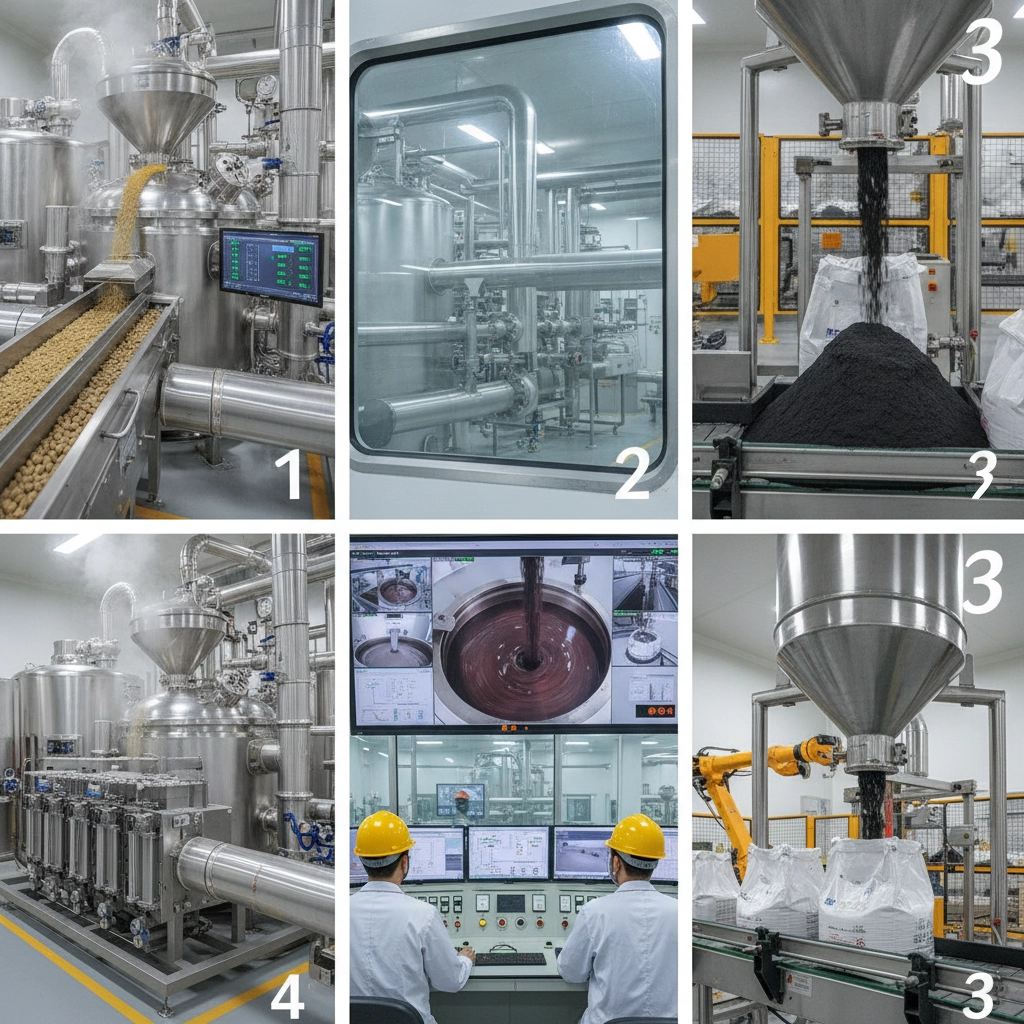
So, what exactly is enzyme preparation? In simple terms, it refers to the process of producing, purifying, and formulating enzymes for industrial or clinical use. Think of it as crafting a high-performance tool: the better you prepare the enzyme, the more effectively it performs its biological role—whether breaking down starch, speeding up fermentation, or even cleaning fabrics.
It’s more than just extraction; enzyme preparation involves stabilizing the enzyme to ensure longevity and consistent activity, tailoring it for specific applications, and sometimes combining it with other substances to enhance its function.
Key Factors in Enzyme Preparation
1. Purity and Specificity
Purity ensures that the enzyme performs without interference from unwanted proteins or chemicals. High specificity means the enzyme targets just the right substrates, which cuts down on side reactions and waste. In practice, this precision is crucial for food safety and pharmaceutical manufacturing.
2. Stability and Shelf Life
Enzymes are proteins, so they're sensitive to heat, pH changes, and moisture. Proper preparation has to protect enzyme integrity during storage and transport. Otherwise, the enzyme might lose its activity long before use.
3. Scalability of Production
Preparing enzymes in lab quantities is one thing; scaling to millions of liters or kilograms is another beast. Industry leaders invest heavily in fermentation tech and purification systems that can ramp up production without losing quality.
4. Cost Efficiency
This is often the crunch point. Sophisticated enzyme preparations that are costly can outprice their benefits. Balancing performance with affordability remains central to wider adoption.
5. Application-specific Formulation
Enzymes often need tweaking for specific environments—think detergents, leather processing, or biofuel production. Formulations may include additives to optimize pH and temperature profiles or to improve mixing.
Product Specification Snapshot
| Specification | Typical Value |
|---|---|
| Enzyme Activity (U/mg) | 500 - 2000 |
| Optimal pH | 4.5 - 6.5 |
| Optimal Temperature | 30°C - 50°C |
| Shelf Life | 12 - 24 months (refrigerated) |
| Formulation | Powder, Liquid, or Granules |
Mini takeaway: Enzyme preparation hinges on purity, stability, scalability, and tailored formulations that meet the demanding specs of various industries.
Global Applications & Use Cases
Globally, enzyme preparations are employed in industries ranging from food and beverages to textiles and waste management. For instance:
- Food & Beverage: Enzymes improve bread rising, clarify fruit juices, and optimize dairy fermentation.
- Textile Industry: Enzyme preparations help in bio-polishing fabrics, reducing water and chemical use.
- Biofuel Production: Cellulase enzymes break down plant biomass into fermentable sugars, creating greener alternatives to fossil fuels.
- Environmental Management: Wastewater treatment plants use enzyme blends to accelerate organic matter breakdown.
Notably, regions like Europe and Asia-Pacific have adopted enzyme tech aggressively, with robust regulatory frameworks encouraging eco-friendly manufacturing. Organizations such as the International Enzyme Commission support research fostering innovation in enzyme prep and application.
Mini takeaway: Enzyme preparations directly contribute to sustainability and efficiency in diverse global sectors.
Advantages & Long-Term Value of Enzyme Preparations
The benefits here are both compelling and practical. Enzymes reduce operational costs by speeding up reactions and lowering energy usage. They are biodegradable, offering a softer environmental footprint compared to harsh chemicals. This brings real social value too, by promoting safer workplaces and cleaner products that consumers can trust.
Emotionally, it feels reassuring to know the products we rely on daily are created with precision biological agents that respect nature’s balance. From a business perspective, enzyme-driven innovations foster brand differentiation and compliance with increasingly strict environmental regulations.
Future Trends & Innovations in Enzyme Preparation
What’s next? Bioengineering is pushing customized enzyme development to new heights, with CRISPR and synthetic biology creating variants more robust across extreme conditions. There's also growing interest in immobilized enzymes which can be reused, dramatically improving cost-effectiveness.
Sustainability remains a hot topic. Industries are exploring enzyme preparations made from renewable feedstocks and integrated with digital monitoring systems to optimize real-time activity—a digital transformation enabling smarter, greener processes.
Check out emerging enzyme preparation solutions combining AI predictions and automation for improved consistency.
Challenges & Practical Solutions
Despite the progress, challenges persist. Enzyme deactivation during storage and transport can erode product value. Also, batch-to-batch variability sometimes impacts process reliability. Experts recommend adopting rigorous quality control and investing in stabilization technologies, like microencapsulation, to shield enzymes until deployment.
Collaboration between enzyme producers and end-users is another way to tailor preparations that meet specific performance benchmarks, alongside trials in real-world environments.
Comparing Top Enzyme Preparation Vendors
| Vendor | Product Range | Global Presence | R&D Capabilities | Sustainability Commitment |
|---|---|---|---|---|
| Novozymes | Extensive (Food, Pharma, Biofuels) | 100+ countries | Strong, proprietary enzyme design | Carbon-neutral initiatives |
| DSM | Targeted enzymes for nutrition, pharma | Global | Collaborative R&D centers | Sustainable sourcing policies |
| Enzyme Development Corp. | Specialized in industrial cleaning enzymes | North America, Asia | Customized enzyme prep solutions | Waste reduction initiatives |
Frequently Asked Questions About Enzyme Preparation
- What is the typical shelf life of enzyme preparations?
Most purified enzyme products last about 12 to 24 months refrigerated, though stabilization techniques can extend this. Proper packaging and controlled storage conditions are essential to retaining activity. - How do enzyme preparations improve sustainability in manufacturing?
By enabling reactions to occur under milder conditions (lower temperature and pH), enzymes reduce energy consumption and chemical waste, thus lowering environmental impact. - Can enzyme preparations be customized for specific industrial processes?
Absolutely. Enzyme formulations are often tailored with additives or altered pH profiles to suit specific substrates or processing conditions, maximizing efficiency. - How do manufacturers ensure consistency in enzyme preparations at scale?
Rigorous quality control, batch testing, and standardized fermentation protocols help maintain enzyme activity and purity across large production runs.
Conclusion
Enzyme preparation stands at the intersection of biology and industry, quietly enabling more efficient, sustainable, and innovative processes worldwide. Understanding how these biological catalysts are crafted and optimized can reveal new pathways toward greener technologies and improved products.
Curious to see enzyme preparation solutions tailored for your industry? Visit our website: https://www.dyeingchem.com for expert insights and customized offerings.
Oddly enough, the more we embrace enzyme technology, the closer we get to nature’s own efficiency — and that feels like a win for all of us.
References: