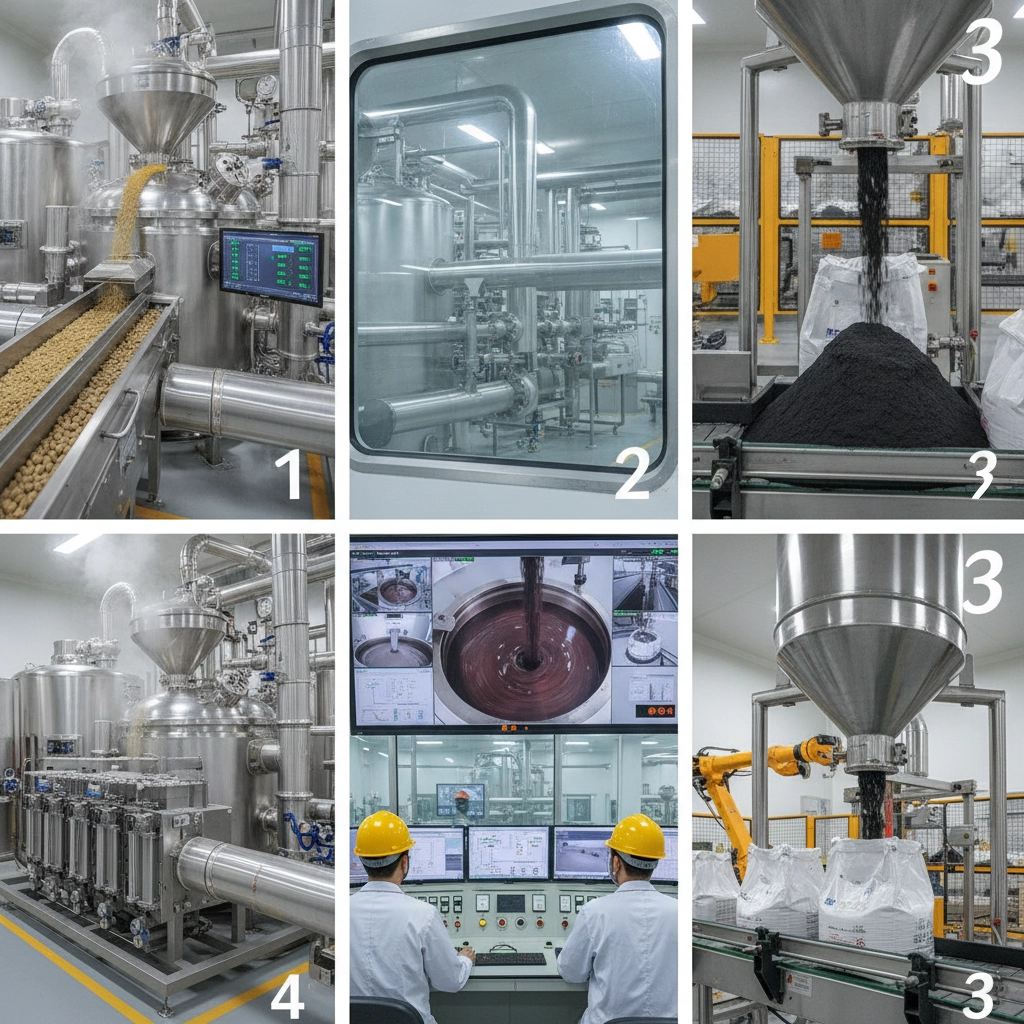
Comprehensive Guide to Bioenzyme Preparation | Sustainable Industrial Solutions
Comprehensive Guide to Bioenzyme Preparation | Sustainable Industrial Solutions
Bioenzyme Preparation: A Key to Sustainable Industrial Solutions
The term bioenzyme preparation may sound a bit technical or niche at first, but it’s increasingly central to solving some of today’s toughest environmental and industrial challenges. Globally, the demand for greener, more effective biological catalysts is booming—driven by industries ranging from waste management to textiles and food processing. Understanding bioenzyme preparation means tapping into innovations that not only accelerate processes but reduce waste, energy consumption, and toxic chemical usage. Simply put, it’s about harnessing nature’s own toolbox to build a cleaner, more efficient future.
Introduction: Why Bioenzyme Preparation Matters Globally
According to the United Nations Environment Programme (UNEP), industrial pollution is still one of the major contributors to global ecosystem degradation. Enzymes—biological molecules that speed up chemical reactions—offer a promising solution to minimize this impact. But enzymes don’t just appear ready to work; they need to be carefully prepared and formulated to work effectively at scale. This is where bioenzyme preparation come into play: tailoring enzymes to fit specific industrial needs, boosting their stability, potency, and usability.
For example, the global enzyme market was valued at nearly $13 billion in 2023, with projections estimating a compound annual growth rate (CAGR) of over 7% through 2030 (Statista). Key challenges in sectors like wastewater treatment, agriculture, and biofuel production hinge on enzyme efficiency and cost-effectiveness. Without proper enzyme preparation, many of these solutions would falter.
What Is Bioenzyme Preparation?
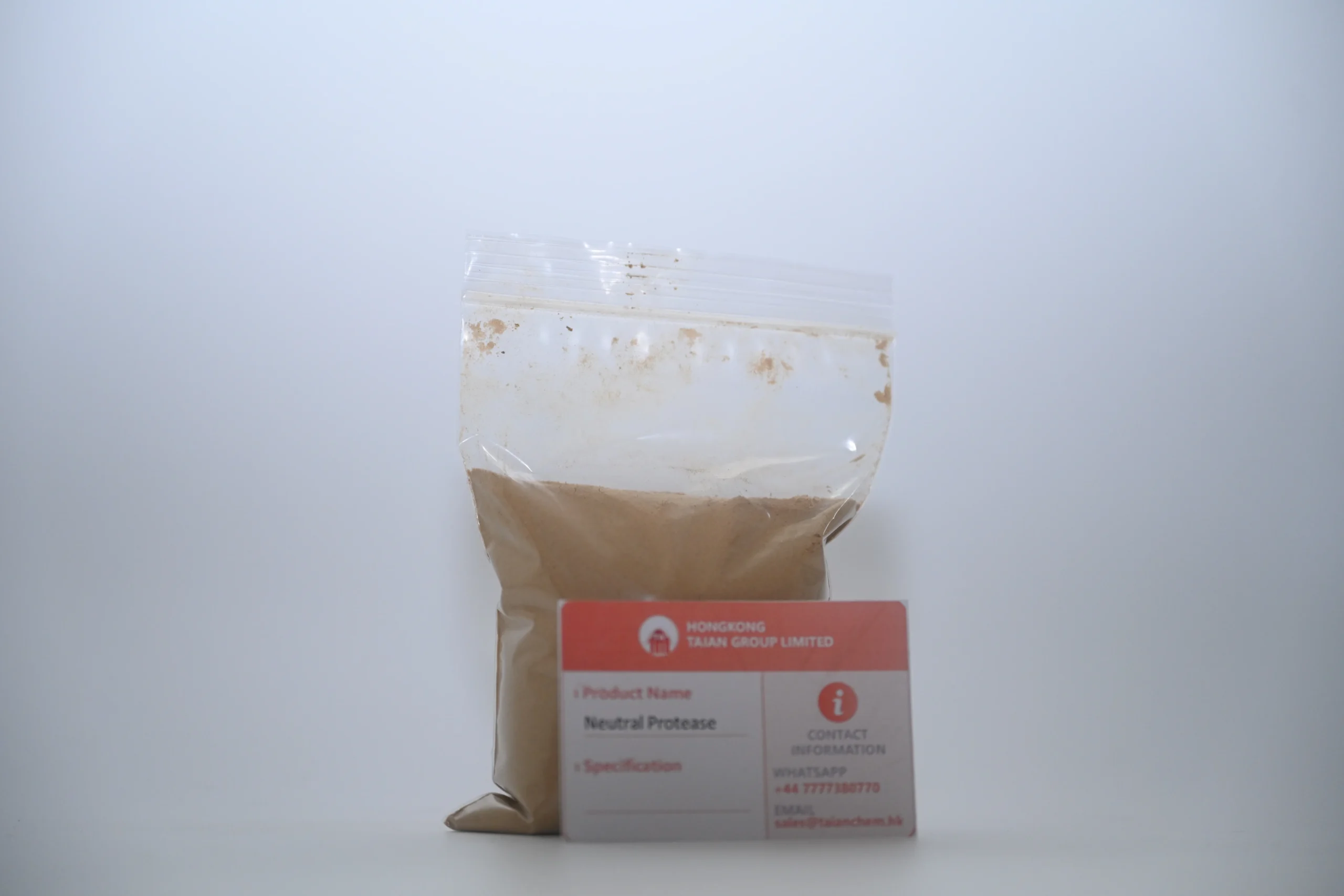
In straightforward terms, bioenzyme preparation involves producing and formulating enzyme mixtures using biotechnology techniques that enhance their performance under industrial conditions. It’s more than just extracting enzymes from microorganisms—it’s about customizing blends, stabilizing them, and packaging for ease of use.
Nowadays, bioenzyme preparations are critical in industries that demand eco-friendly alternatives to harsh chemicals. From cleaning oily spills to accelerating starch breakdown in food, these enzyme mixes have grown into a versatile toolkit—one increasingly aligned with sustainable development goals.
Core Components and Key Factors in Bioenzyme Preparation
1. Enzyme Source and Diversity
Most bioenzyme preparations begin with selecting diverse microbial strains or plant sources. This diversity enables targeted applications—whether it’s proteases for protein breakdown or cellulases for degrading plant fibers. A broad enzyme spectrum often means better effectiveness in complex industrial substrates.
2. Stability and Shelf Life
Enzymes are delicate. Preparing them with additives like stabilizers or immobilizing on various supports helps increase their shelf life and operational stability. This is crucial for deployment in remote or resource-limited settings.
3. Activity Optimization
Tailoring enzyme activity to fit pH, temperature, and substrate types improves their efficiency. Process engineers frequently optimize reaction conditions meticulously during preparation for maximum output.
4. Scalability and Cost Efficiency
In real terms, preparing bioenzymes must be economically scalable. Low-cost fermentation and extraction processes coupled with simplified purification have made it possible to produce bioenzyme preparations at industrial scales, making green tech financially viable.
Product Specification Example: Standard Bioenzyme Preparation
| Specification | Detail |
|---|---|
| Enzyme Types | Protease, Cellulase, Amylase |
| pH Range | 5.0 - 9.0 |
| Optimal Temperature | 40 - 60°C |
| Activity Units | >2000 U/g |
| Shelf Life | 12 months (dry storage) |
Mini takeaway: Bioenzyme preparation is a careful blend of biological sourcing and engineering science that ensures enzymes perform reliably and cost-effectively where they are needed most.
Where Are Bioenzyme Preparations Used Globally?
It’s fascinating how this technology spans continents and climates. For instance:
- Wastewater Treatment: Municipal plants in Europe and Asia implement enzyme-based sludge digestion to reduce pollutants efficiently.
- Agriculture: African farmers adopt enzyme soil conditioners to boost nutrient availability, increasing crop yields sustainably.
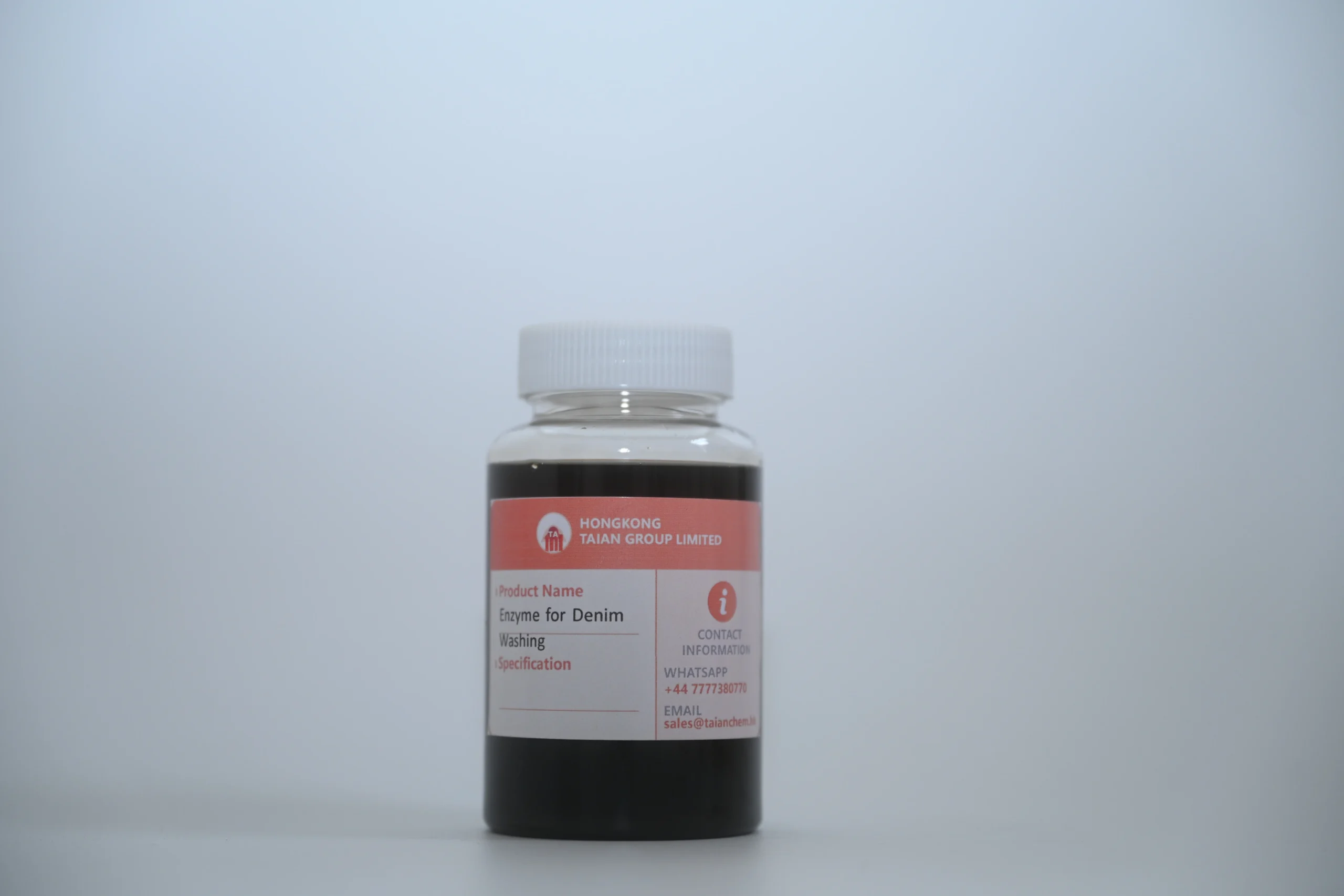
- Textile Industry: Indian textile mills use specific enzymes during fabric processing to enhance texture and reduce water consumption.
- Disaster Relief: In post-disaster cleanup efforts, bioenzyme preparations accelerate degradation of organic waste, preventing secondary health hazards.
These are just glimpses of the widespread adoption—industries and regions alike recognize the value in enzyme-driven solutions.
Vendor Comparison: Popular Bioenzyme Preparation Suppliers
| Feature | Vendor A | Vendor B | Vendor C |
|---|---|---|---|
| Custom Enzyme Blends | Yes | No | Yes |
| Eco-Certifications | ISO 14001 | None | ISO 9001 |
| Price Range | $$ | $ | $$$ |
| Lead Time | 2 weeks | 1 week | 4 weeks |
| Application Support | Comprehensive | Limited | Consulting Available |
Advantages and Long-term Value of Bioenzyme Preparations
There’s an emotional appeal here as well as practical benefits. Beyond just the obvious environmental impact, bioenzymes support innovation and create trust between industries and communities. Their cost savings come from lower energy consumption and reduced chemical handling. Plus, the positive impression of using natural, biodegradable products ties closely to corporate social responsibility goals. After all, embracing bioenzymes reflects a commitment to safety, dignity, and sustainability.
Emerging Trends and Innovations
The next frontier lies in integrating bioenzyme preparations with digital and green technologies. We’re seeing automation streamline enzyme production, precision fermentation techniques enhancing yields, and the design of smart enzyme blends tailored to specific industrial waste streams. Moreover, policies pushing for greener supply chains (check out ISO 14000 standards) will accelerate adoption. Oddly enough, enzymes are also gaining attention in bioenergy, converting biomass into fuels more efficiently.
Challenges and Expert Solutions
Of course, it’s not all smooth sailing. Enzymes can be expensive initially, sensitive to storage conditions, and sometimes inconsistent in large-scale applications. Experts suggest integrating enzyme immobilization technologies and developing more robust microbial strains as ways to overcome these hurdles. Also, fostering collaborations between academia and industry accelerates the translation of research into usable products.
FAQ: Practical Questions About Bioenzyme Preparation
- Q1: How do bioenzyme preparations improve wastewater treatment efficiency?
- They enhance the breakdown of organic matter by catalyzing specific reactions under variable conditions, reducing sludge volume and pollutant load. This leads to faster processing times and lower chemical use.
- Q2: Are bioenzyme preparations safe for agricultural soil applications?
- Yes, most commercial preparations are biodegradable and target organic residues without harming soil microbiota, promoting healthier and more fertile soils.
- Q3: Can bioenzyme products be customized for unique industrial needs?
- Absolutely. Vendors can tailor enzyme blends to specific substrates, temperature ranges, and desired activities, often providing technical support during scaling.
- Q4: What storage conditions prolong enzyme shelf life?
- Dry, cool storage away from direct sunlight helps maintain enzyme stability for up to a year or more, depending on formulation.
- Q5: How is bioenzyme preparation impacting sustainability goals?
- By reducing dependence on harsh chemicals and lowering energy demand, bioenzyme preparations directly support environmental, social, and economic sustainability targets recognized internationally.
Conclusion and Next Steps
In summary, bioenzyme preparation is more than just a biotech process—it’s a pillar for sustainable industrial innovation. From boosting operational efficiencies to advancing environmental stewardship, these biological blends have a proven track record and exciting future. If you’re curious to explore tailored enzyme solutions that align with your industry’s goals, I invite you to visit our website: bioenzyme preparation for more expertise and products.
Reflecting on this, it’s quite inspiring how bioenzymes quietly transform major sectors towards greener, smarter practices. They represent a fine intersection of biology and engineering that resonates deeply with our current world needs.