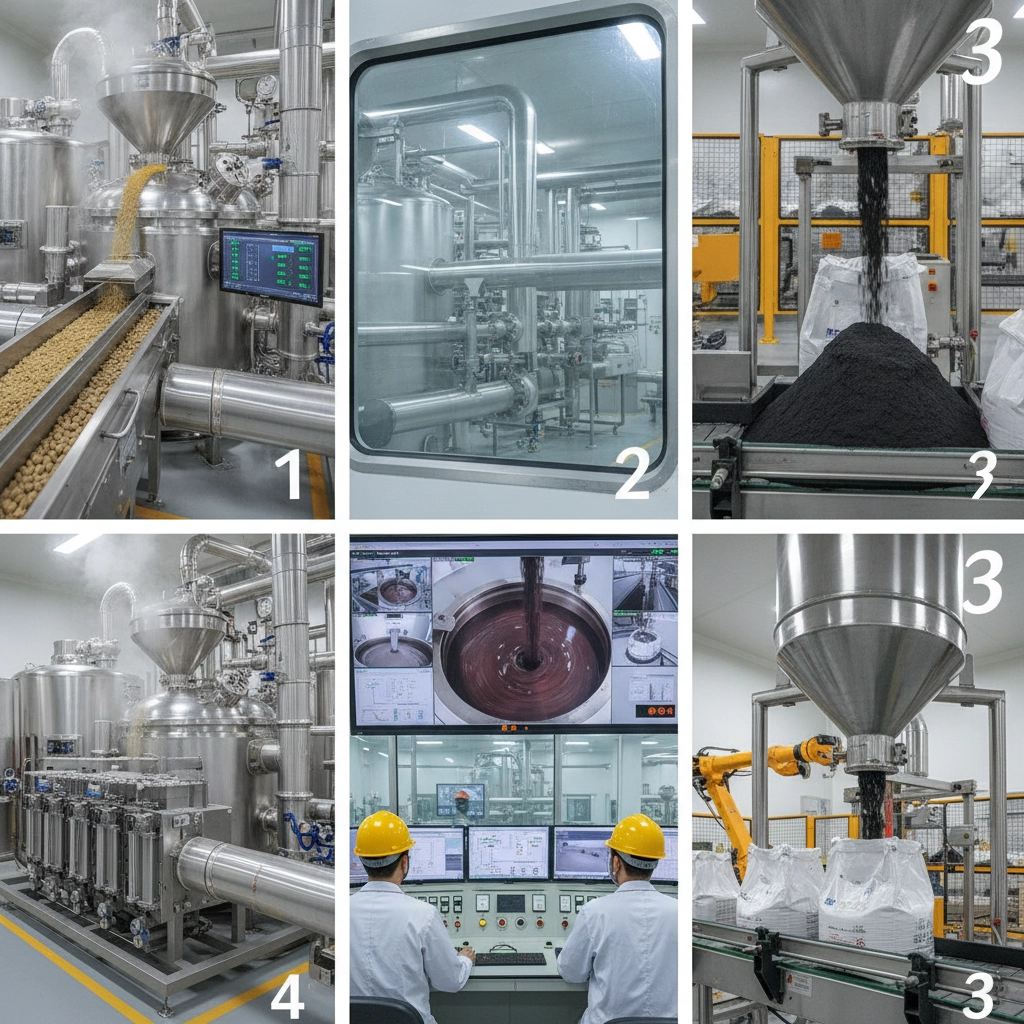
Amylase 100: Key Enzyme for Industrial Efficiency and Sustainability
Amylase 100: Key Enzyme for Industrial Efficiency and Sustainability
Understanding Amylase 100: An Enzyme Shaping Industry and Innovation
In today’s biotechnological landscape, amylase 100 plays a surprisingly pivotal role — not just in food processing but spanning several vital industries worldwide. It’s an enzyme, yes, but also a cornerstone for efficient, sustainable starch breakdown. This enzymatic marvel matters globally because starch conversion influences everything from baking to biofuel production, impacting food security, industrial efficiency, and even eco-conscious manufacturing. Grasping the essence and applications of amylase 100 opens doors to smarter processes and greener practices.
Global Context: Why Amylase 100 Matters
Starch-based products contribute heavily to the global economy. For instance, the food industry alone is projected to reach $25 trillion by 2030 (World Bank). Industries are under pressure to innovate and optimize — whether to enhance food digestibility, speed up production, or reduce waste. Here’s where amylase 100 steps in. This enzyme catalyzes the hydrolysis of starch into simpler sugars, which can then be fermented or converted to various products.
Yet, challenges remain. Traditional starch conversion methods are slow and energy-intensive, occasionally leading to inconsistent results. Efficient enzymes like amylase 100 offer solutions that reduce costs, boost reliability, and lower environmental footprints. Oddly enough, despite being microscopic in scale, it drives big shifts across continents — from the sugarcane fields of Brazil to rice mills in Southeast Asia.
What Exactly Is Amylase 100?
Simply put, amylase 100 is a high-purity alpha-amylase enzyme preparation, designed to rapidly break down starches into maltose and glucose units under controlled conditions. Alpha-amylase attacks the α-1,4-glycosidic bonds in starch molecules, triggering a cascade of simpler sugars essential for fermentation or sweetener production.
In many ways, it’s the microscopic workhorse behind many industrial processes — a natural protein that converts complex carbohydrates with finesse. It connects directly to modern industry demands such as cost-effective bioethanol production, healthier baked goods, and more digestible animal feed formulations.
Key Factors Defining Amylase 100’s Impact
1. Enzymatic Efficiency
This enzyme boasts high catalytic efficiency, meaning it can convert large volumes of starch rapidly, saving both time and energy during manufacturing.
2. Thermal Stability
Amylase 100 can remain active across a broad temperature range (generally 50–90°C), making it versatile enough for different industrial setups. Many commercial amylases falter at high temps, but this one holds steady.
3. pH Range Flexibility
Its functional performance spans mildly acidic to neutral pH (typically 4.5–7.0), which makes it suitable for diverse production lines, from brewing to textile processing.
4. Purity and Consistency
Manufactured under strict conditions, the enzyme is free from unwanted proteases or contaminants, which ensures product consistency and safety — crucial for food and pharma applications.
5. Cost-Effectiveness
While enzyme formulations can get pricey, amylase 100 balances cost against performance, making it a smart choice even for cost-sensitive operations.
Product Specifications of Amylase 100
| Specification | Details |
|---|---|
| Activity Level | ≥ 100 U/mg |
| Optimum Temperature | 60–75°C |
| pH Range | 4.5–7.0 |
| Form | Powder / Liquid |
| Shelf Life | 12 months if stored below 25°C |
Mini takeaway: With robust activity and stability, amylase 100 fits a variety of industrial needs, delivering efficiency where it counts.
Global Applications & Use Cases
The versatility of amylase 100 shines across numerous industries:
- Food & Beverage: Used for bread making to improve dough texture and shelf life, or in brewing to convert starches into fermentable sugars.
- Biofuel Production: The enzyme expedites starch breakdown to sugars, which are fermented into ethanol — an increasingly important fuel worldwide.
- Textile Industry: Employed in desizing treatments where starches applied during weaving need to be removed cleanly and quickly.
- Animal Feed: Improves digestibility by pre-breaking down starch content, aiding nutritional uptake in livestock.
In real terms, in regions like Southeast Asia where rice starch is abundant, factories rely on amylase 100 to upscale fermentable sugar production. Meanwhile, European bioethanol facilities prioritize enzymes with thermal resilience — a key reason for its popularity.
Vendor Comparison: Amylase 100 Providers
| Vendor | Activity (U/mg) | Price (per kg) | Purity Level | Global Reach |
|---|---|---|---|---|
| EnzCorp | 100-110 | $180 | High | Global |
| BioSynth | 95-105 | $165 | Medium-High | Europe, Asia |
| StarchLab | 100 | $175 | High | North America |
Mini takeaway: Selection depends largely on geography, budget, and quality demands — but amylase 100 offerings remain competitive.
Advantages & Long-Term Value
The advantages of incorporating amylase 100 extend beyond just faster starch conversion:
- Cost reduction: Reduced energy input and faster process times.
- Sustainability: Less waste, cleaner production chains, and lower greenhouse gas emissions.
- Product quality: Enhanced consistency, improved nutritional profiles.
- Social impact: Often supports food security by enabling more efficient staple processing.
Emotionally, it feels good knowing such a small catalyst contributes to dignity — making food and fuel accessible to many. It’s a quiet innovator, quietly earning trust across sectors, often without headline glory.
Emerging Trends & Innovations
The enzyme technology space is ripe with innovation. For amylase 100, we see evolving:
- Genetic engineering: Tailoring amylase to withstand extreme pH or temperature conditions beyond naturally possible.
- Green production: Sustainable fermentation methods lowering enzyme manufacturing impact.
- Integration with digital analytics: Real-time enzyme activity monitoring for optimal dosing.
Automation combined with enzymes like amylase 100 promises smarter plants that adjust enzyme levels for peak efficiency on the fly.
Challenges & Practical Solutions
Despite its strengths, users occasionally face:
- Storage sensitivity — enzyme activity degrades if mishandled.
- Batch variability — sometimes minor fluctuations in enzymatic potency occur.
- Compatibility issues — it must align with other additives or process parameters.
Solutions include strict cold-chain management, sourcing from trusted vendors, and pilot testing formulations before large-scale application. Expertise consulting can sidestep many pitfalls.
FAQ: Frequently Asked Questions About Amylase 100
- What industries most commonly use amylase 100?
Food processing, biofuels, textiles, and animal feed are the primary industries benefiting from amylase 100. It’s widely adopted wherever starch-to-sugar conversion is vital.
- How does temperature affect amylase 100’s performance?
Performance peaks between 60–75°C; too low or too high temperatures reduce its catalytic activity. Selecting an enzyme variant suited to your process temperature is crucial.
- Is amylase 100 safe for food applications?
Yes, high-purity amylase 100 is food-grade and typically tested according to ISO and FDA standards, ensuring safety and consistency.
- Can I buy amylase 100 internationally without much hassle?
Most suppliers ship internationally, though you may need to navigate customs for enzyme products. Working with experienced vendors or brokers helps simplify this.
- What storage conditions maximize amylase 100’s shelf life?
Store in a cool, dry place below 25°C, avoiding moisture and direct sunlight. Proper packaging also plays a role — airtight, moisture-proof containers are best.
Wrapping Up: Why Amylase 100 Is a Wise Investment
After spending time with amylase 100, one thing’s clear: its industrial versatility and efficiency make it indispensable in modern production. Not only does it streamline processes, but it also supports sustainability goals and cost savings — a triple win, frankly. Whether you’re running a bakery or a biofuel plant, harnessing the power of this enzyme can push you closer to optimal output and innovation.
Interested in trying out amylase 100? Visit our website: https://www.dyeingchem.com to learn more and contact our experts who can guide you through selection and application.
Mini takeaway: Smart enzyme use like amylase 100 is quietly transforming industries — and with it, the way we think about sustainable manufacturing and food production.
References: