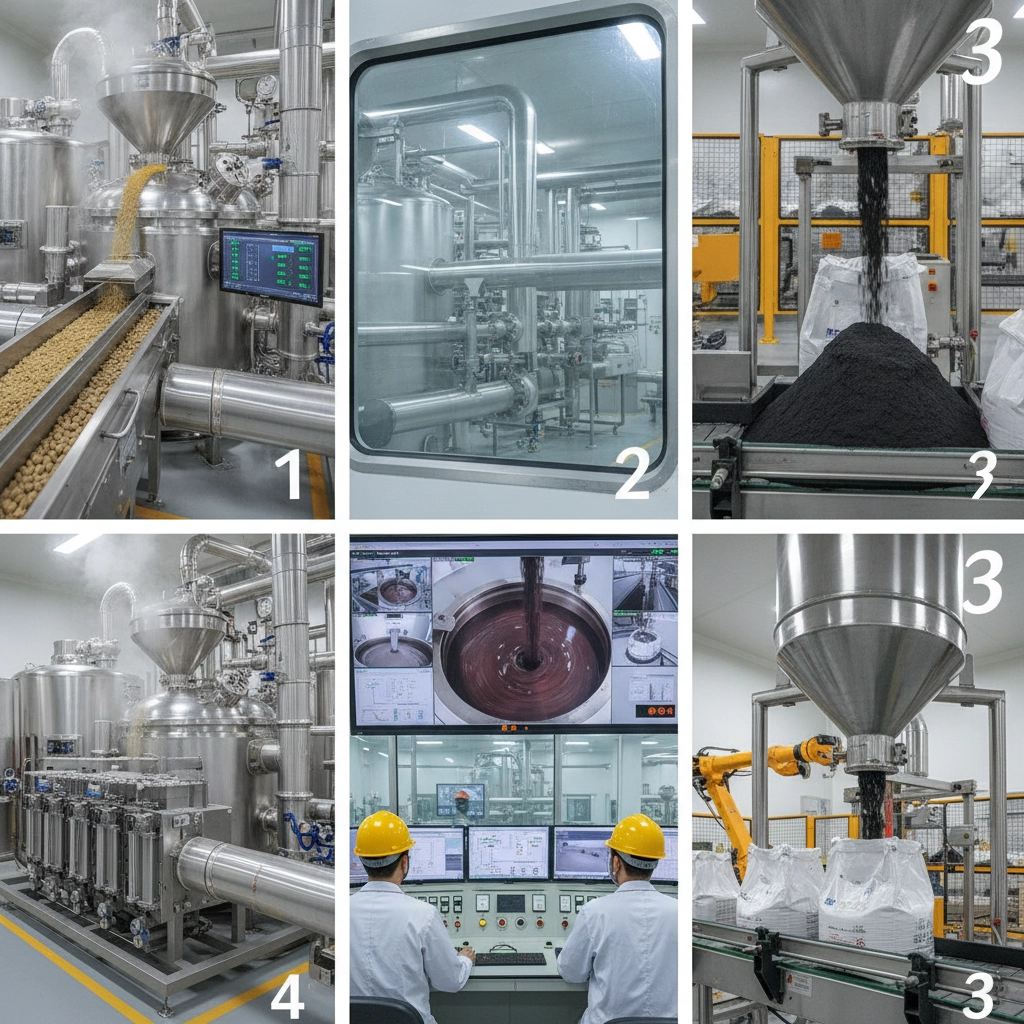
Auto Interior Dyeing Leather: Durable, Sustainable, and Stylish Solutions for Modern Cars
Auto Interior Dyeing Leather: Durable, Sustainable, and Stylish Solutions for Modern Cars
Why Auto Interior Dyeing Leather Matters in Today’s Global Industry
Auto interior dyeing leather is more than just a niche manufacturing step—it’s a growing cornerstone in the automotive and design sectors worldwide. From the luxurious charm of a car’s cabin to sustainable practices increasingly welcomed by eco-conscious consumers, knowing how leather is dyed within auto interiors offers surprisingly broad benefits.
On a global scale, the leather auto interiors market is estimated to grow steadily, driven by rising demand for premium vehicles and stricter environmental regulations pushing for greener production methods. For example, according to the International Trade Centre, leather goods export values have increased 5% annually over the last five years, reflecting growing consumer appetite for quality leather products—a pulse felt keenly in automotive interiors.
Understanding auto interior dyeing leather also tackles practical challenges such as consistency in color durability, ecological impact of dye chemicals, and tailoring production for high-volume assembly lines. In short, it’s a blend of artistry, engineering, and sustainability that impacts everything from global supply chains to your local dealership’s showroom appeal.
Mini takeaway: Auto interior dyeing leather is not just aesthetics; it’s a vital, evolving process that reflects global market demands and environmental responsibility.
Auto Interior Dyeing Leather: What Does It Really Mean?
At its core, auto interior dyeing leather refers to the specialized process of coloring leather components used inside vehicles—think seats, steering wheels, dashboard trims, and door panels. Unlike simple fabric dyeing, this process involves precise chemical treatments aimed at enhancing durability, colorfastness, and resistance to fading caused by sunlight and friction.
It’s a crucial segment of the broader leather finishing industry, where technologies are tailored to withstand the unique environments of cars—from temperature shifts to wear and tear from passengers. In many ways, the process connects modern manufacturing needs with traditional tanning and finishing techniques, bridging the gap between heritage craft and industrial innovation.
On a humanitarian or eco side, improved dyeing methods reduce waste and toxic runoff, aligning with global initiatives like ISO 14001 environmental standards that many manufacturers strive to meet. Thus, it’s not just about looks—it’s clean, efficient, responsible production that meets modern standards.
Mini takeaway: Auto interior dyeing leather is a fusion of advanced chemical science and traditional leathercraft, designed for the rigors of car interiors and global sustainability goals.
Key Factors Impacting Auto Interior Dyeing Leather Quality
1. Durability and Colorfastness
Durability is king. Leather inside cars endures constant contact, sunlight exposure, and temperature swings. The dyes used must penetrate deeply and bind well to leather fibers to avoid fading, cracking, or discoloration. Innovative processes like semi-aniline dyeing are popular because they maintain natural leather textures while enhancing resilience.
2. Environmental Compliance
Sustainability has moved from buzzword to necessity. Manufacturers often choose dyeing compounds with reduced volatile organic compounds (VOCs) and heavy metals. Water-based dyes are gaining traction, reducing chemical runoff and energy consumption, helping companies align with stringent ISO environmental frameworks and global green initiatives.
3. Scalability for Mass Production
Auto manufacturers demand consistent output at scale. Dyeing processes must be adaptable for high volumes without compromising quality. Technologies that allow fast drying and uniform application—like automated dipping or spraying lines—are key to meeting production targets without lag.
4. Color Customization and Matching
Consumer tastes range wildly—from classic blacks and browns to deep burgundies and lighter tans. Precise color matching systems, often employing digital spectrometry, help manufacturers maintain brand color consistency and satisfy OEM specifications. The flexibility to customize shades quickly is a massive efficiency booster.
5. Cost Efficiency
While premium dye processes can be costly upfront, the long-term benefits of reduced waste, better durability, and higher customer satisfaction justify investment. Strategically choosing dye materials and methods can optimize life-cycle costs without cutting corners.
Mini takeaway: Balancing durability, sustainability, scalability, and cost is the juggling act at the heart of modern auto interior dyeing leather techniques.
Global Applications & Real-World Use Cases
The applications of auto interior dyeing leather span continents and industries. In Europe, luxury automakers like BMW and Mercedes-Benz employ advanced customized dyeing to offer distinct interior designs tailored to regional tastes. In Asia, mass-market manufacturers capitalize on eco-friendly dyeing methods to meet growing environmental regulations while boosting cost efficiencies. The U.S. market blends both approaches, merging sustainability with innovation.
Take the case of a Japanese automaker recently deploying a water-based dye system that cut VOC emissions by 40% while maintaining rich, consistent color finishes. Meanwhile, in India, manufacturers of electric vehicles (EVs) seek more sustainable interiors to align with green transportation policies, putting more focus on non-toxic dyeing alternatives.
Oddly enough, even outside traditional automotive cities, suppliers in Eastern Europe and Mexico have ramped up dyeing capabilities to serve North American and European OEMs, showcasing how global supply chain integration is transforming regional industries.
Mini takeaway: Auto interior dyeing leather technologies are spreading globally, adapting to diverse regional demands and pushing greener production standards.
Advantages & Long-Term Value of Auto Interior Dyeing Leather
- Enhanced Aesthetic Appeal: Rich, lasting colors create a better vehicle ambiance, driving customer preferences and brand loyalty.
- Improved Sustainability: Eco-conscious dye methods reduce toxic residues and energy use, supporting environmental goals.
- Increased Durability: Longer-lasting interiors minimize repair and replacement, reducing lifecycle costs.
- Customer Satisfaction: Appealing, comfortable interiors foster emotional connections, improving resale value and safety perception.
- Economic Benefits: Efficient production and lower waste contribute to better pricing and supply chain responsiveness.
Ultimately, these advantages create a virtuous cycle of quality, trust, and innovation that benefits everyone—from manufacturers to end consumers.
Looking Ahead: Trends and Innovations
The future of auto interior dyeing leather is intertwined with cutting-edge technology and sustainability trends. Digital color measurement tools are becoming more precise, enabling “just-in-time” customization without large inventories. Automation in dyeing lines enhances speed and consistency while reducing human error.
Then there’s the surge in bio-based dyes derived from plant materials, something many engineers see as a game-changer to cut reliance on petrochemicals. Coupling this with renewable energy sources in factories and closed-loop water systems marks a shift towards near-zero environmental footprint manufacturing.
Furthermore, 3D printing and additive manufacturing could soon allow complex, multi-tonal interiors dyed directly into leather substitutes or composites—challenging the traditional leather dye market itself.
Challenges & Expert Solutions
Despite progress, challenges remain. Achieving perfect color uniformity across large batches can be elusive. Controlling dye penetration to preserve leather’s natural feel without compromising fastness tests is tricky. Supply chains for eco-friendly dyes can be inconsistent.
Experts suggest rigorous QC protocols using spectrophotometers and accelerated aging tests as a must. Investing in local dye chemical production reduces dependency on volatile markets, stabilizing supply and costs. Plus, sharing best practices across the supply chain—often facilitated by industry associations—is helping the whole ecosystem get better, faster.
FAQ: Quick Answers on Auto Interior Dyeing Leather
- What is the difference between dyeing and painting leather for car interiors?
- Dyeing penetrates leather fibers, offering greater durability and a natural look, while painting coats the surface, which may peel or crack under stress.
- How long does dyed auto interior leather typically last?
- With modern dyeing techniques, leather interiors can retain color and integrity for over 5–7 years under regular conditions, depending on care and exposure.
- Are water-based dyes safe for automotive leather?
- Yes, water-based dyes reduce VOC emissions and are generally safer for workers and the environment, increasingly preferred in sustainable manufacturing.
- Can custom colors be matched exactly across multiple batches?
- With digital color matching and spectrophotometry, manufacturers can closely replicate colors, maintaining consistency even in large-scale production.
- Do dyed leather interiors require special maintenance?
- Regular cleaning with appropriate leather conditioners helps maintain color and suppleness, extending the life of dyed interiors effectively.
Conclusion: The Colorful Road Ahead for Auto Interior Dyeing Leather
Auto interior dyeing leather sits at a fascinating crossroad—melding craftsmanship with industry demands, fulfilling aesthetic expectations while championing sustainability. Every vehicle that rolls off the line carries a subtle story of innovation behind its tinted leather surfaces.
If you're looking to explore how these technologies and products can upgrade your auto interiors, check out trusted suppliers and latest developments at auto interior dyeing leather. It’s worth a deeper dive—because good color isn’t just seen; it’s felt.
Product Specification Table
| Specification | Typical Range | Notes |
|---|---|---|
| Dye Type | Aniline, Semi-Aniline, Pigment | Depends on desired finish & durability |
| VOC Content | Environmental compliance critical | |
| Color Fastness to Light | Grade 4 (ISO 105-B02) | Ensures minimal fading after 72 hrs exposure |
| Drying Time | 15–30 minutes at 60°C | Optimized for assembly line speed |
| Durability (Wear Resistance) | > 100,000 cycles (Martindale Test) | Supports high-use automotive environments |
Vendor Comparison Table
| Vendor | Primary Dye Type | Sustainability Rating | Geographic Reach | Lead Time |
|---|---|---|---|---|
| GlobalDye Solutions | Water-based Semi-Aniline | A+ | North America, Europe, Asia | 4 weeks |
| EcoTex Leather Dyes | Plant-Based Organic | A++ | Europe, Asia | 6 weeks |
| AutoColor Corp | Pigment-Based | B | Global | 3 weeks |
Final Thoughts
When it comes to auto interior dyeing leather, it’s clear the field blends tradition with innovation in a way few industries do. It’s about tangibility—how color endures, how production can be sustainable, how aesthetics influence safety and satisfaction. And frankly, as cars become more personal spaces and sustainability non-negotiable, dyeing technology will only grow in importance.
So next time you settle into a freshly dyed leather seat—whether in an eco-friendly EV or a classic sedan—consider the chemistry, care, and craftsmanship that hold it all together.