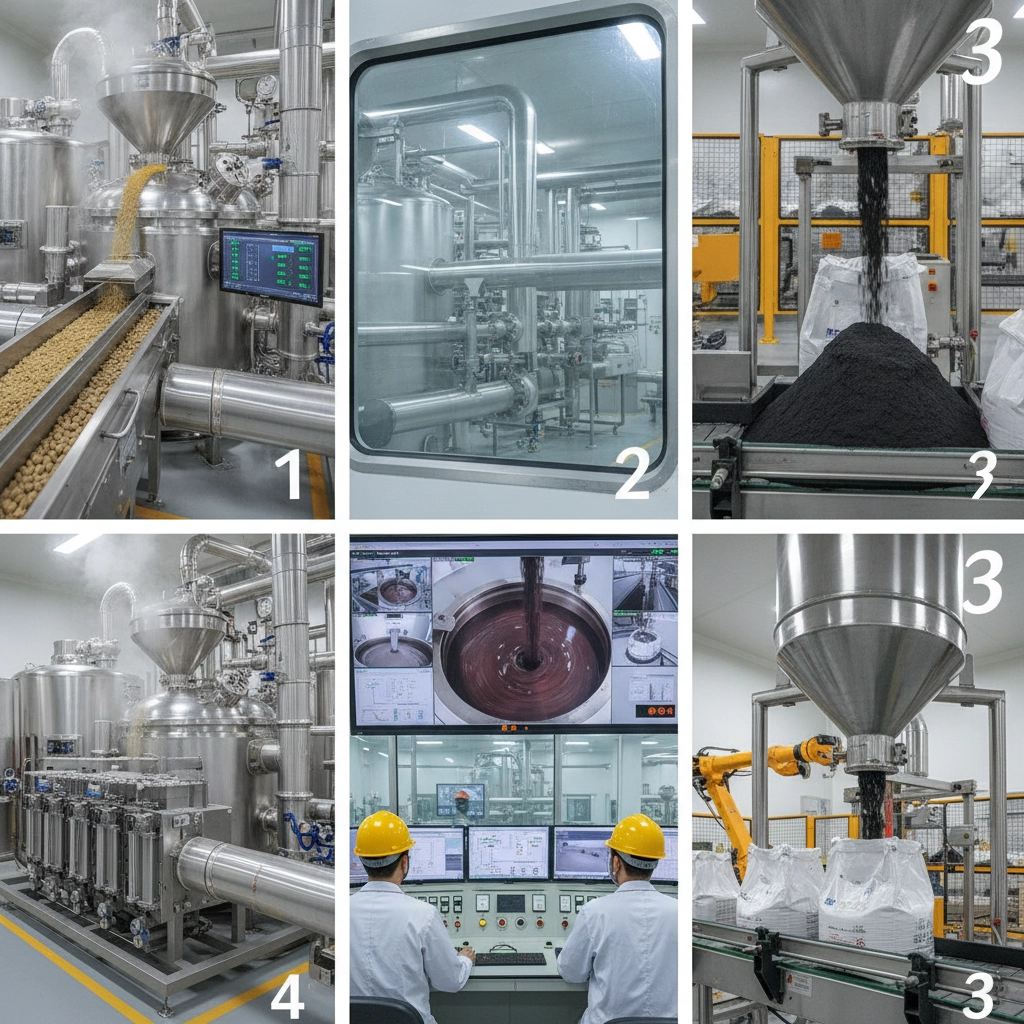
Comprehensive Guide on Amylase For Industries: Benefits, Applications, and Trends
Comprehensive Guide on Amylase For Industries: Benefits, Applications, and Trends
Understanding Amylase for Industrial and Humanitarian Applications
Amylase is one of those fascinating enzymes you might have heard of tucked away in biochemistry classes or food processing stories. But frankly, amylase for various industries is much more than a lab curiosity. Whether you realize it or not, it plays a crucial role worldwide—not only in food production but also in sustainable manufacturing, waste management, and even humanitarian relief sectors. Understanding amylase for these contexts means tapping into cost efficiencies, environmental benefits, and innovative solutions that can impact millions globally.
Introduction: Why Amylase Is a Global Game-Changer
The global enzyme market, valued at over $7 billion in 2022 according to industry reports, shows rising demand for enzymes like amylase for agriculture, food, and biofuel industries. The UN’s Food and Agriculture Organization points out that starch degradation is central to food security and industrial development. But here’s the challenge: in many developing regions, achieving efficient starch processing is hindered by lack of access to reliable enzymatic solutions. Amylase’s role in breaking down starch molecules offers a direct answer to producing affordable food, cleaner fuels, and biodegradable products.
It's odd how something microscopic can confront massive global challenges—like food shortages and environmental degradation. Industries seeking sustainability and scalability turn to amylase-based technologies to meet these needs.
What Is Amylase and Why Is It Important?
Simply put, amylase is an enzyme that catalyzes the breakdown of starch into simpler sugars like maltose and glucose. Naturally occurring in plants, animals, and microbes, it speeds up starch digestion. Today, amylase for industrial use is typically produced through fermentation by fungi and bacteria, making the enzyme readily available for large-scale applications.
Connecting this to modern industry: starch is everywhere—in grains, tubers, and byproducts. Using amylase for efficient starch breakdown facilitates everything from brewing beer to bioethanol production, not to mention textile processing and animal feed enhancement. Plus, it eases the strain on traditional chemical methods that often involve harsher conditions and pollutants.
Key Factors for Effective Use of Amylase
1. Enzyme Activity and Specificity
The efficiency of amylase depends on how specifically it acts on starch molecules and the rate at which it can do so—this is what manufacturers closely monitor. For instance, alpha-amylase works differently than beta-amylase, with applications tailored accordingly.
2. Temperature and pH Stability
Amylases vary widely in the temperature and pH ranges they tolerate. Industrial processes demand enzymes stable in high temps or acidic environments, which means selecting the right amylase for the process is crucial.
3. Production Cost and Yield
Because enzyme production can be resource-intensive, optimizing microbial strains and fermentation methods is ongoing. How affordable the amylase enzyme is can make or break production economics for sectors like biofuel or distilleries.
4. Environmental Impact
One advantage of amylase use is the shift away from chemical treatments, reducing hazardous waste. Still, waste management of residual biomass from enzymatic processes needs consideration.
Product Specification Table: Typical Industrial Amylase
| Specification | Parameter |
|---|---|
| Enzyme Type | Alpha-amylase |
| Optimal Temperature | 60–70°C |
| Optimal pH | 5.5–6.5 |
| Activity Units | ≥ 25,000 U/g |
| Source Organism | Aspergillus oryzae (fungal) |
| Form | Powder/Liquid dilution available |
Global Applications of Amylase
Industries around the world rely on amylase for processes from food manufacturing to renewable energy:
- Food and Beverage: Bread baking, brewing, and syrup production depend heavily on amylase to create consistent texture and sweetness.
- Biofuels: Breaking down starch into fermentable sugars for ethanol in the US and Brazil’s expansive bioethanol sectors.
- Textile Industry: Amylase removes starch-based sizing agents in fabric processing, replacing harsher chemicals used previously in Asia and Europe.
- Animal Feed: Enhancing feed digestibility and nutritional absorption, key to poultry and swine farming in global agriculture.
- Humanitarian Relief: In food aid programs, amylase improves digestibility and shelf stability of starch-rich supplies in disaster zones.
Vendor Comparison: Amylase Suppliers
| Vendor | Activity (U/g) | Price (per kg) | pH Range | Application Focus |
|---|---|---|---|---|
| EnzymeCo | 28,000 | $150 | 5.0–6.5 | Food & beverage |
| BioStarch Ltd. | 22,500 | $130 | 5.5–6.8 | Biofuels |
| GreenEnz | 25,000 | $140 | 5.0–6.0 | Textiles & animal feed |
Advantages and Long-Term Value of Using Amylase
Employing amylase for starch processing offers manufacturers and humanitarian actors several clear advantages:
- Cost Reduction: Reduces reliance on harsh chemicals, cuts energy use, and lowers waste treatment costs.
- Environmental Sustainability: Biodegradable by nature, amylase-enabled processes reduce environmental footprints.
- Improved Product Quality: Consistency in food texture and biofuel yield makes production more reliable and predictable.
- Scalability: Fermentation-based production offers flexible scalability, adapting from small mills to huge industrial plants.
- Social Impact: By enabling affordable food processing and sustainable fuels, amylase helps drive local economies and food security.
Emerging Trends and Future Innovations
Innovation in amylase technologies is ongoing — for example, enzyme engineering is tweaking thermostability and substrate affinity to broaden industrial applications. Digital bioprocessing and automation bring precision to enzyme production. Plus, green chemistry initiatives seek to enhance enzyme recovery and reuse, moving us closer to closed-loop systems.
Interestingly, nano-formulations of amylase have been tested to improve enzymatic activity under harsh industrial conditions. Meanwhile, companies are exploring genetically modified microorganisms to further cut costs and expand enzyme spectrum.
Challenges and Effective Solutions
Despite its benefits, amylase use faces challenges like sensitivity to process conditions, batch variability, and storage stability. Many engineers say controlling enzyme activity under variable temperatures and pH can be tricky. But advances in formulation (immobilization, additives) and supply chain improvements help mitigate these issues.
Also, regulatory hurdles in enzyme approvals mean companies must carefully navigate jurisdictional requirements—hub reliance on certified suppliers offers some assurance here.
FAQs About Amylase for
- Q1: How does amylase improve bioethanol production?
- A1: Amylase breaks down starch into fermentable sugars, which yeast converts to ethanol more efficiently, improving yield and reducing production times in bioethanol plants.
- Q2: Can amylase be used for gluten-free baking?
- A2: Yes, amylase helps modify starches in gluten-free flours to improve dough handling, texture, and shelf life, making it popular in specialized baking.
- Q3: Is amylase safe for food products?
- A3: Absolutely, food-grade amylase enzymes undergo strict safety evaluations and are widely approved by international agencies like the FDA and EFSA for use in processing food and beverages.
- Q4: How can small businesses source amylase cost-effectively?
- A4: Partnering with reputable suppliers who offer tailored packaging sizes and technical support helps small businesses access quality amylase without surplus inventory or waste.
Conclusion
In the end, amylase for various industries isn't just a molecule—it’s part of a vital global ecosystem driving sustainability, efficiency, and innovation. Its ability to transform starch-rich materials into valuable products is reshaping manufacturing and humanitarian aid alike. For businesses wanting to stay competitive or for organizations aiming to enhance food security and clean energy, understanding and adopting amylase technology is simply non-negotiable.
Interested? Visit our website: https://www.dyeingchem.com for expert advice and quality enzymatic solutions tailored to your needs.
Mini takeaway: Amylase is quietly powering global food security and sustainability efforts, proving sometimes the smallest agents spark the biggest change.