Comprehensive Guide on Enzymes for Animal Nutrition: Benefits, Applications, and Future Trends
Comprehensive Guide on Enzymes for Animal Nutrition: Benefits, Applications, and Future Trends
Understanding Enzymes for Animal Nutrition: A Global Perspective
Enzymes for animal nutrition might sound like just another scientific term tossed around in agricultural circles, but they play a surprisingly critical role in ensuring food security worldwide. In essence, these biological catalysts help animals digest their feed more efficiently, unlocking nutrients that would otherwise go unused. This is especially important as global demand for animal protein soars—according to the FAO, global meat consumption is expected to rise by nearly 15% by 2030. Understanding enzymes in this context isn’t just academic; it’s vital for sustainable agriculture, improving animal health, and ultimately feeding billions more people without putting added strain on the environment.
Introduction: Why Enzymes Matter Globally in Animal Nutrition
The planet’s livestock population—approximately 25 billion animals—depends on diets that are often difficult to digest fully. The problem is that many feed ingredients like grains, fiber, or plant-based materials contain anti-nutritional factors or complex polysaccharides our animals can’t break down efficiently on their own. This inefficiency leads to higher feed costs and more waste. Here, specific enzymes such as phytases, proteases, and xylanases come in and unlock nutrition by breaking down these tough compounds.
Globally, yards of research and practice confirm that enzymatic feed additives help reduce methane emissions—a contributor to climate change—and improve overall sustainability in animal farming. Yet challenges remain, particularly in ensuring these enzymes function optimally under varying farm conditions and feed compositions.
Defining Enzymes for Animal Nutrition
Simply put, enzymes for animal nutrition are proteins that accelerate biochemical reactions inside the animal’s digestive system. They enhance the breakdown of feed components into absorbable molecules like sugars, amino acids, and fatty acids. Unlike antibiotics or hormones, these enzymes are natural and often derived from microbial or fungal sources to target specific feed substrates. Their emergence aligns with the growing push for natural, residue-free methods to boost nutrition and reduce waste.
Core Components of Enzymes in Animal Nutrition
1. Specificity
Each enzyme targets a unique substrate – for example, cellulase breaks down cellulose, while phytase releases phosphorus bound in phytic acid. This specificity ensures maximum efficiency when added to feed.
2. Stability
Enzymes must withstand harsh conditions in storage and the animal gut—like high temperatures or low pH—to remain active. This stability influences how they are formulated or delivered.
3. Dosage and Activity Units
The effectiveness depends on the right amount and specific activity level, typically measured in units that indicate how much substrate is converted per minute.
4. Compatibility with Feed Ingredients
The enzyme’s action should not be hindered by feed additives or components. Understanding this compatibility is key to successful application.
5. Scalability in Production
Manufacturers must produce enzymes at scale, with consistent quality and at affordable costs to meet growing global demand.
Mini Takeaway:
- Enzymes for animal nutrition perform targeted, biochemical feed breakdown crucial for improving digestion and sustainability.
- Specificity, stability, and dosage are vital for their effectiveness in real-world applications.
Global Applications & Real-World Use Cases
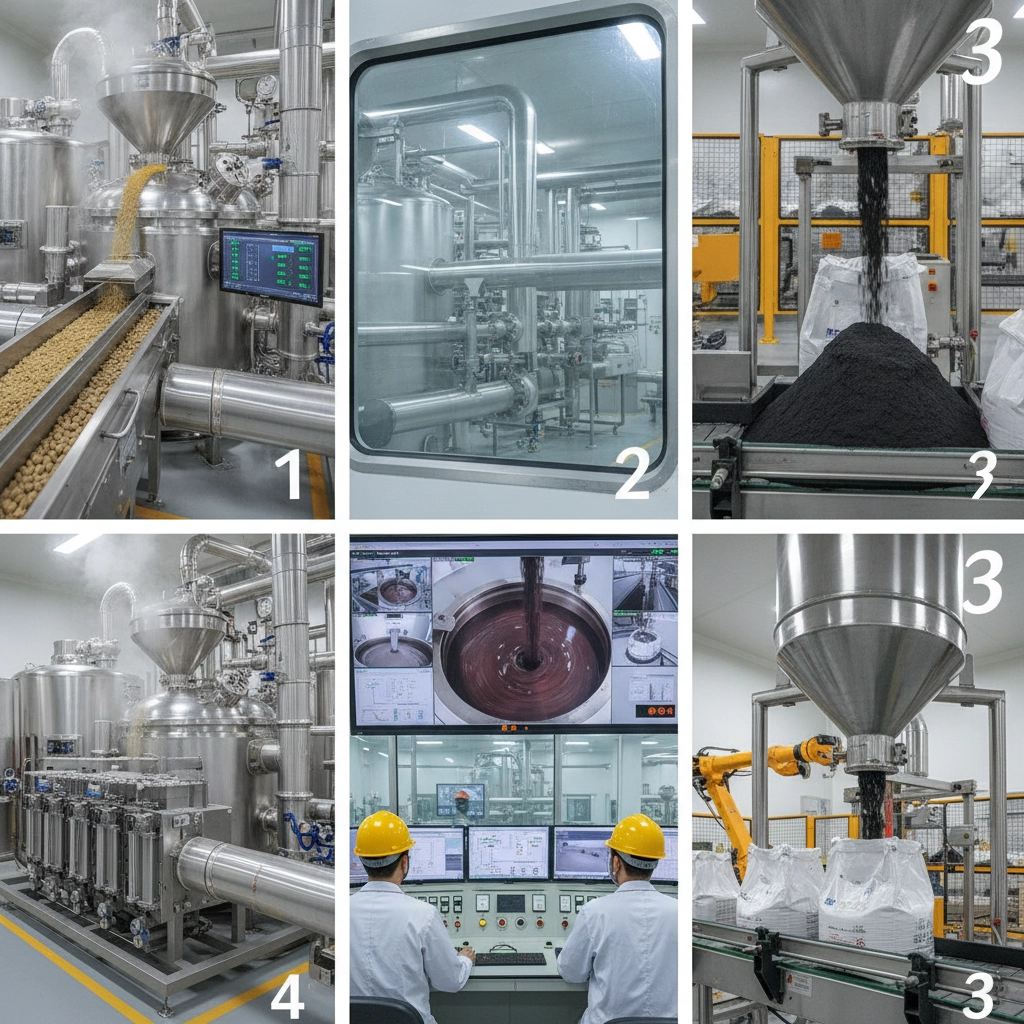
From large-scale dairy farms in Europe to smallholder poultry units in Southeast Asia, enzymes for animal nutrition find diverse applications. In the US, many pig and poultry operations routinely incorporate enzyme blends to improve feed conversion ratios, slashing costs and environmental footprints. Meanwhile, in countries like Brazil, vast cattle ranches leverage enzyme supplements to boost fiber digestibility in tropical grass diets—some of which are notoriously tough to digest.
Another interesting example lies in disaster-stricken regions, where food supplies may be irregular and low quality. Nutritional supplements including enzyme-fortified feed help maintain livestock health under stressful circumstances. Many NGOs working on enzymes for animal nutrition thus see these additives as cost-effective tools to sustain livelihoods when resources are thin.
Product Specification Table: Typical Enzyme Feed Additive
| Component | Function | Activity Unit | Optimal pH | Temperature Stability (°C) |
|---|---|---|---|---|
| Phytase | Releases phosphorus | FTU (Phytase Units) | 4.5 - 5.5 | Up to 70 |
| Xylanase | Breaks down hemicellulose | XU (Xylanase Units) | 5.5 - 6.5 | Up to 60 |
| Protease | Protein digestion | PC (Protease Units) | 6 - 7 | Up to 65 |
Comparing Leading Enzyme Suppliers
| Supplier | Product Range | Global Reach | Sustainability Initiatives | Price Range (per ton) |
|---|---|---|---|---|
| AlphaBio Agri | Phytase, Xylanase, Cellulase | 60+ Countries | Carbon offset program | $3,200 - $4,500 |
| NutraEnzymes | Broader enzyme cocktails | 50+ Countries | Eco-friendly production techniques | $3,500 - $4,700 |
| GreenGut Solutions | Custom enzymatic blends | Global but emerging markets focus | Green chemistry investments | $2,900 - $4,200 |
Advantages & Long-Term Value of Using Enzymes
There’s a straightforward appeal to enzymatic nutrition: better nutrient uptake means less wasted feed, which translates to cost savings. But it’s also about sustainability. Lower methane emissions and improved manure quality reduce environmental load. From a social perspective, improving animal health enhances welfare and food safety—key concerns for producers and consumers alike. Frankly, it feels like those small molecules pack a big punch.
Emerging Trends in Enzyme Technology
The future looks quite bright (or perhaps “active” is the right word) with innovations like enzyme encapsulation to boost gut delivery, genetically engineered enzymes for higher robustness, and digital monitoring of enzyme performance in feedlots. Coupled with sustainability policies from institutions like the ISO, the industry is nudging further towards smarter, greener feed solutions.
Challenges & Innovative Solutions
Admittedly, there’s no one-size-fits-all enzyme. Variability in feed sources or animal species sometimes leads to inconsistent results, which can frustrate farmers. Solutions include personalized enzyme blends and precision farming AI systems that adapt enzyme supplementation in real-time. Also, cost barriers remain, though economies of scale and process improvements are gradually easing this.
Frequently Asked Questions About Enzymes for Animal Nutrition
- Q: How do enzymes improve feed efficiency in livestock?
A: Enzymes break down complex feed components like fiber and phytates, making nutrients more accessible for absorption, leading to better growth and lower feed costs. - Q: Are feed enzymes safe for animals and humans?
A: Yes, enzymes used in feed are rigorously tested and approved by regulatory bodies worldwide. They do not leave harmful residues in meat or milk. - Q: Can enzymes reduce environmental impacts from animal farming?
A: Absolutely. Enzymes reduce methane emissions and nutrient excretion, thus lowering the carbon footprint and pollution. - Q: How should enzymes be stored to maintain activity?
A: Enzymes are sensitive to moisture and heat. Storing them in cool, dry places with airtight packaging extends their shelf life. - Q: Can I use enzyme supplements with any animal feed?
A: It’s best to match enzymes to your specific feed composition. Consulting with a nutritionist or supplier helps optimize results.
Conclusion
Enzymes for animal nutrition represent a nexus where science meets practical farming challenges head-on. They help maximize animal health, reduce environmental footprints, and support the global push to feed a growing population sustainably. If you want to explore enzyme solutions tailored to your needs, visit our website—we’re here to help you harness their full potential.
It’s quite something to see how these tiny proteins quietly power a much bigger impact in our food systems—proof that sometimes, the smallest things really do matter most.