Comprehensive Guide to Mineral Dyes for Textiles – Sustainable & Durable Color Solutions
Comprehensive Guide to Mineral Dyes for Textiles – Sustainable & Durable Color Solutions
Unlocking the Potential of Mineral Dyes for Textiles
Mineral dyes for textiles might not be the buzzword you hear at industry cocktail parties, but their significance is quietly monumental. Globally, textile industries are increasingly focusing on sustainable materials and processes due to environmental concerns and consumer demand. Mineral-based dyes, extracted from natural earth components, present a promising alternative to synthetic dyes. Understanding these dyes is not just about colors — it’s about durability, environmental impact, and even social innovation in fashion and industrial applications.
Why Should We Care About Mineral Dyes?
Worldwide, the textile and apparel industries contribute roughly 10% to global carbon emissions, according to some UN Environment Programme reports (1). Traditional dyeing processes are water-intensive and generate toxic waste, pushing us to search for cleaner solutions. Mineral dyes for textiles offer a way to reduce water pollution, enhance fabric longevity, and potentially bring benefits to remote communities who can source these minerals locally. Oddly enough, these ancient materials have resurfaced as a modern solution to an old problem.
mineral dyes for textilesWhat Exactly Are Mineral Dyes for Textiles?
Put simply, mineral dyes are pigments derived from inorganic minerals—think iron oxides, ochres, and other earthy compounds. Unlike synthetic dyes, they don’t chemically bind to fabrics but rather rely on absorption or a physical reaction, often requiring mordants or other fixing agents. Historically, many cultures used these to color fabrics before the age of synthetic chemistry. Today, mineral dyes are gaining new attention not just for their vibrant earthy tones but also because they align with goals around sustainability and human safety.
Interestingly, these dyes can be sourced from geological deposits near production sites, reducing large supply chain footprints and enabling more localized manufacturing or even artisanal production, which is crucial in humanitarian or developing market contexts.
Core Components and Key Factors to Consider
Durability
Mineral dyes are renowned for their long-lasting color fastness. For example, iron oxide-based pigments resist fading from UV exposure far better than many plant-based dyes. This resilience translates into longer product life, which in turn reduces waste and repeat purchasing.
Environmental Impact
Extraction and processing of mineral dyes generally require fewer harsh chemicals compared to synthetic dyes, lowering toxic discharge into waterways. Many environmental scientists applaud this as a critical step towards greener textile manufacturing (2).
Cost Efficiency
While initial extraction or refining might be costlier, the longevity and reduced need for re-dyeing make mineral dyes economically attractive over the long run. Also, because some minerals are abundant locally, costs connected to transport and import duties can diminish in certain regions.
Color Range and Consistency
Mineral dyes usually provide earth tone palettes — rust, ochre, greenish hues — lending a natural aesthetic. However, the range isn’t as broad as synthetic dyes, and color consistency might vary with mineral source variations. Calibration and quality control remain essential to meet industrial standards.
Safety and Human Health
Unlike some synthetic dyes linked to allergic reactions or carcinogenicity, mineral dyes typically have safer profiles, making them preferable for clothing or products intended for sensitive populations — children, the elderly, or those with allergies. Mind you, sourcing pure mineral pigments free of heavy metal contamination is still essential to ensure safety.
Where Mineral Dyes for Textiles Are Making an Impact
These dyes are definitely not just museum curiosities. Textile brands focused on sustainability in Europe and North America are increasingly offering mineral-dyed apparel lines, appealing to eco-conscious consumers.
- Developing regions: NGOs working with rural artisans in parts of Africa and Asia incorporate mineral dyes to reduce chemical exposure and generate local livelihoods.
- Post-disaster relief clothing: Durability and non-toxicity mean mineral-dyed uniforms or blankets can withstand harsh conditions without environmental harm.
- High-end fashion: Designers leverage the unique textures and tonal variations of these dyes to create niche collections that tell a story of tradition meeting innovation.
Mini takeaway:
Mineral dyes for textiles marry tradition with sustainability, offering potent benefits for diverse industries and global regions focused on greener, safer production.
Advantages and Lasting Value of Mineral-Based Textile Dyes
In real terms, using mineral dyes means more than just avoiding synthetic chemicals:
- Economic savings: The extended lifespan of dyes reduces costs over time.
- Environmental trust: Less contamination promotes community health and regulatory compliance.
- Social dignity: Safer processes for workers translate into better conditions and morale.
- Authentic aesthetics: Earthy hues can resonate deeply with consumers seeking genuine stories behind their garments.
Many industry insiders say mineral dyes are key to circular fashion — keeping materials in use longer and reducing landfill loads.
Looking Ahead: Innovations Shaping the Future of Mineral Dyes
Technology isn’t ignoring mineral dyes. Recent advances include:
- Nanoparticle-enhanced pigments: Improved brightness and colorfastness without losing eco-friendliness.
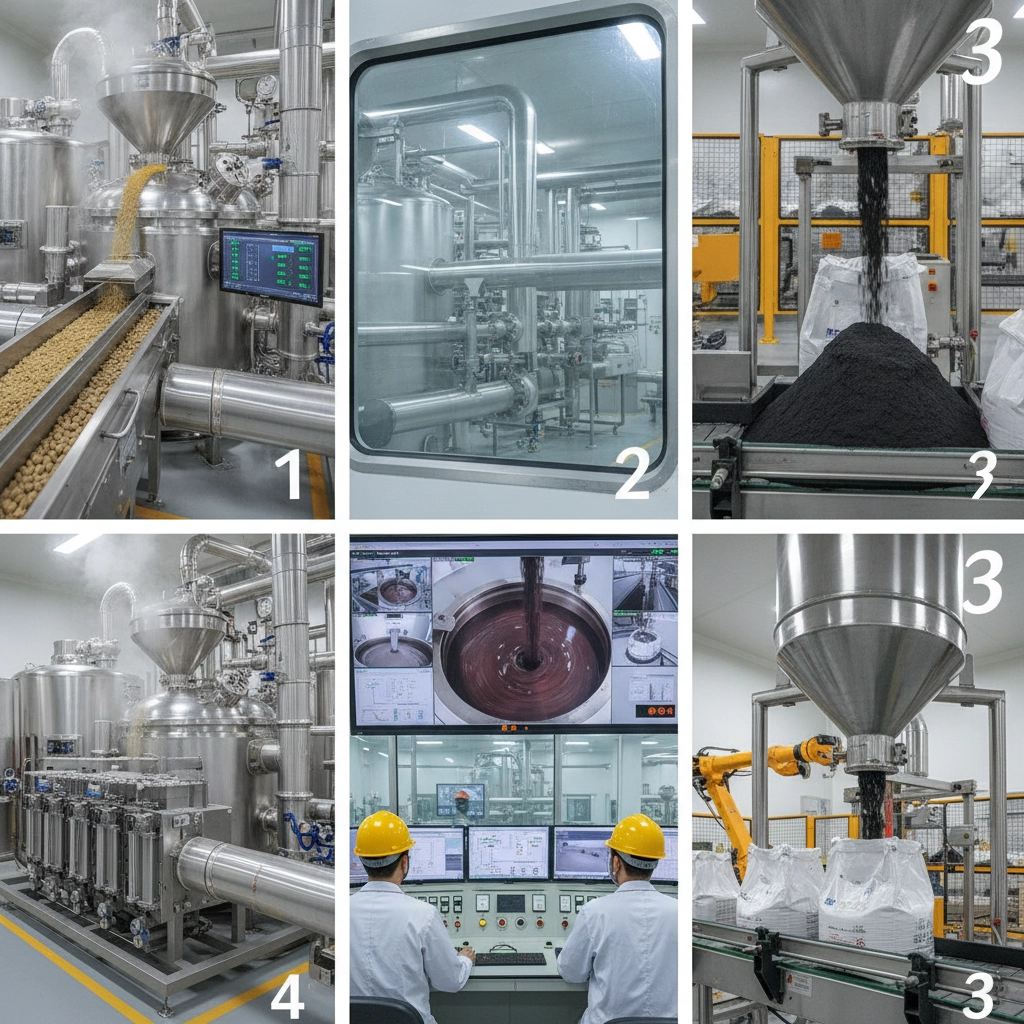
- Automation in extraction and purification: Scales up production while maintaining quality.
- Hybrid dyes: Combining mineral pigments with bio-based polymers for broader color ranges.
- Regulatory support: International organizations pushing sustainability standards encourage adoption.
It feels like mineral dyes sit at a fascinating crossroads of craft and science, where tomorrow’s tech meets yesterday’s wisdom.
Common Challenges and How Industry Is Addressing Them
Of course, no solution is perfect. The main hurdles with mineral dyes include:
- Limited color variety: Vibrant reds or blues are tricky to reproduce purely from mineral sources.
- Batch variability: Natural sources mean pigment properties can shift, complicating standardization.
- Processing complexity: Mineral pigments may require specialized steps to fix on fabrics.
Innovators tackle these by developing synthetic modification methods that retain mineral origins, plus stringent quality testing protocols—testaments to human ingenuity meeting natural limits.
Practical FAQ: Frequently Asked Questions About Mineral Dyes for Textiles
- Q: Are mineral dyes suitable for all textile types?
- A: Mineral dyes work best with natural fibers like cotton, hemp, and wool. Synthetic fibers often need additional chemical processes to bond mineral pigments effectively.
- Q: How do mineral dyes compare to synthetic dyes in water usage?
- A: Generally, mineral dyeing consumes less water because the pigments can often be applied with simpler steps and fewer rinse cycles.
- Q: Can mineral dyes cause skin irritation?
- A: Pure mineral dyes rarely cause irritation, but impurities such as heavy metals must be carefully controlled during pigment sourcing and processing.
- Q: Are mineral dyes environmentally friendly?
- A: Yes, in terms of lower chemical toxicity and biodegradable waste. However, mining practices need to follow sustainability standards to avoid environmental degradation.
- Q: How consistent is the color from batch to batch?
- A: Natural variations in mineral deposits mean colors can shift somewhat. Manufacturers use quality control to minimize these differences, but slight variation is part of the natural charm.
A Quick Look: Typical Mineral Dye Product Specifications
| Specification | Typical Value | Notes |
|---|---|---|
| Pigment Source | Iron oxide (Fe2O3), Ochre, Limonite | Common earth minerals used |
| Color Range | Yellow to deep red to brown | Limited to earth tones |
| Fastness (Light) | 7–8 (ISO 105-B02 scale) | Excellent for outdoor use |
| Water Usage | ~60-80 liters/kg fabric | Lower than many synthetics |
| Toxicity Level | Low (After purification) | Safe if sourced well |
Comparing Top Vendors of Mineral Dyes
| Vendor | Location | Specialization | Sustainability Certification | Pricing Tier |
|---|---|---|---|---|
| EarthHue Textiles | Germany | High-purity iron oxide pigments | GOTS, OEKO-TEX | Premium |
| MineralColor Co. | India | Ochre-based pigment extraction | Fairtrade, ISO 14001 | Mid-range |
| GreenMinerals Ltd. | USA | Nanoparticle-enhanced pigments | Cradle to Cradle Certified | High-end |
Wrapping It Up
Frankly, mineral dyes for textiles feel like a revival of an old craft, but one that’s being supercharged by new science and shifting consumer ideals. Their appeal lies not only in their beautiful, earthy hues but also in their environmental and social advantages — a trifecta that’s increasingly critical in textile manufacturing.
For anyone serious about sustainable fashion, industrial fabric production, or humanitarian textile solutions, exploring mineral dyes is not just worthwhile but almost inevitable. If you want to dive deeper, check out mineral dyes for textiles and see how the industry is turning the earth’s colors into tomorrow’s designs.