Dark Denim Dye: Sustainable Solutions for Modern Denim Production
Dark Denim Dye: Sustainable Solutions for Modern Denim Production
What’s the Big Deal About Dark Denim Dye?
Dark denim dye is more than just a color choice for your favorite jeans. It’s a globally significant element woven deeply into the textile industry's fabric literally and figuratively. Understanding it sheds light on sustainability, cost-efficiency, and the evolving demands of fashion and production worldwide. Why care? Well, denim's impact ripples beyond style—affecting livelihoods, industrial processes, and even environmental policies.
In fact, denim production accounts for a substantial share of global textile dye consumption, with dark denim dyes being pivotal for that timeless, rich blue hue consumers crave. Grasping the ins and outs of this dyeing process opens doors to smarter supply chains, greener manufacturing, and tougher, longer-lasting garments.
Setting the Scene: Why Dark Denim Dye Matters Globally
The denim industry moves mountains—roughly 4 billion meters of denim fabric are produced each year worldwide. According to the World Bank, textile dyeing is one of the most resource-intensive processes in manufacturing, using significant volumes of water and chemicals. Dark denim dye, in particular, requires precision to balance intense coloration against environmental strain.
But here’s the catch: traditional dyeing methods often lead to water pollution and heavy chemical use. The textile sector accounts for about 20% of industrial water pollution globally, and denim washes contribute heavily to that footprint.
Therefore, adopting advanced dark denim dyes that reduce toxic effluents, improve fixation rates, and boost fabric durability is a challenge—and an opportunity. Many brands seize on this gap to innovate in eco-friendly dye formulations.
Dark Denim Dye Defined: What Exactly Is It?
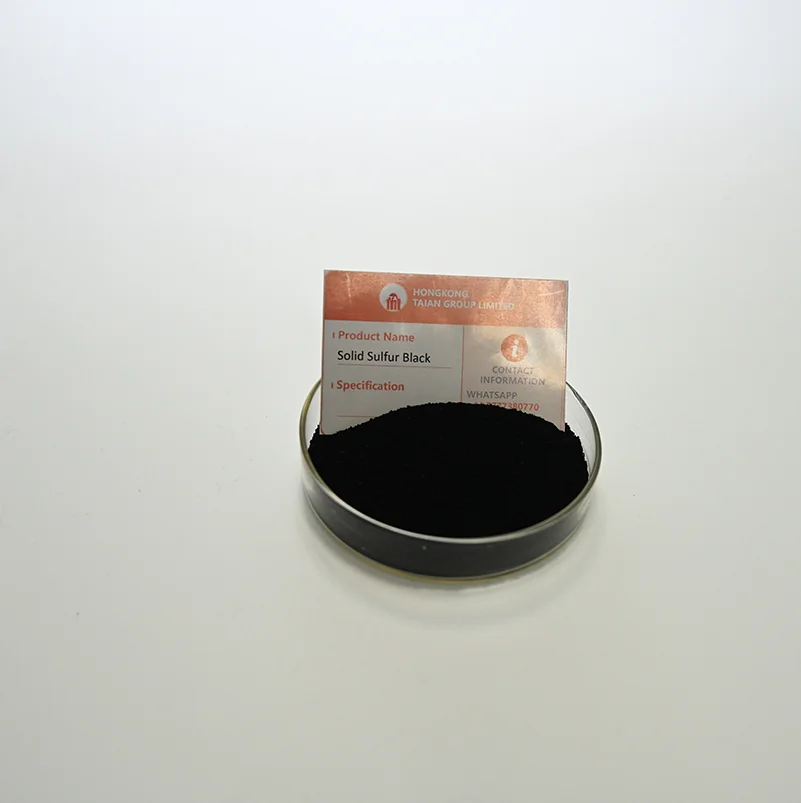
At its core, dark denim dye refers to the specific dyeing compounds and processes applied to denim fabric to achieve a dark, saturated blue—or sometimes black—finish. It involves vat dyes (most notably indigo), reactive dyes, or sulfur dyes, depending on desired effects.
Imagine the classic deep blue jeans—now think about how that color sticks firmly, resists fading, and still feels soft. That’s what dark denim dye techniques aim to optimize.
Its modern significance spans far outside just fashion. Industries and humanitarian efforts requiring durable, respectful clothing lean on dark denim dyes to offer wearers dignity, longevity, and practical comfort.
Core Components That Make Dark Denim Dye Work
Durability: Making the Color Last Through Wash and Wear
The dye has to hold fast—denim goes through twists, spills, and heavy rinsing. Dark denim dyes are engineered to bind tightly with cotton fibers to resist fading. Many engineers emphasize longer-lasting colors come from the right chemistry combined with efficient fixation processes.
Scalability: Dyeing by the Mile
Mass production demands consistent dye batches and continuous processes. Conveyor systems and rope dyeing machines now handle huge volumes, maintaining uniform coloration—a crucial factor for brands catering to global markets.
Cost Efficiency: Balancing Quality vs Price
Achieving that vivid dark color without breaking the bank is tricky. Some dyes may produce amazing hues but at high prices or large environmental costs. Finding affordable dark denim dye that strikes the right balance is a common industry quest.
Sustainability: Eco-conscious Dye Formulations
Water consumption and chemical waste get trimmed by innovations such as low liquor ratios, biodegradable dyes, and improved washing techniques. A lot of brands actively seek dark denim dyes meeting ISO 14001 standards for environmental management.
Color Consistency: Every Pair Should Match
Consumers expect uniformity. Dark denim dye formulas must yield predictable results across batches and fabric variants. This consistency directly translates to customer trust.
Safety & Compliance: Non-toxic, Worker-friendly Processes
Ensuring dyes are free from banned substances and safe for mill workers is non-negotiable. International bodies like Oeko-Tex certify dyes to help brands verify safety.
Dark Denim Dye In Action Around the World
Look at any urban market from Los Angeles to Tokyo, and you’ll see dark denim dye's handiwork everywhere. But its reach goes deeper.
In developing nations, many garment manufacturers use innovated dark denim dyes that reduce water waste—helping communities where water scarcity is severe. For example, factories in Bangladesh and Vietnam increasingly adopt closed-loop dyeing to limit environmental harm while producing globally demanded textiles.
In humanitarian contexts, durable denim dyed with robust dark pigments provides rugged clothing for relief workers. Organizations supplying protective uniforms prefer these dyes because the garments withstand harsh conditions without quick fading.
Fashion houses and brands in Europe and America often partner with dye vendors innovating dark denim formulas that align with consumer demand for responsible sourcing and transparency.
| Specification | Typical Range | Industry Standard |
|---|---|---|
| Dye Type | Indigo, Sulfur, Reactive | Indigo Vat Dye (ISO 105) |
| Color Fastness to Washing | 4-5 (Scale 1-5) | Minimum 4 (ISO 105-C06) |
| Water Usage per kg Fabric | 30-50 Liters | Below 50L (Best Practice) |
| Environmental Compliance | Oeko-Tex, REACH | REACH Certified |
| Drying Time | 2-4 minutes (industrial dryers) | As per equipment specs |
Why Industry Players Favor Dark Denim Dye
The appeal lies in its blend of practical and emotional benefits. Cost-wise, an optimized dark denim dye saves brands money, cutting waste and reducing re-dyeing or rejects.
Sustainably, many companies can honestly claim lower water consumption and pollutant discharge, helping both planet and public image. Socially, wearing denim dyed with durable, worker-safe chemicals shapes trust—customers know their clothes last and do not come at a worker or environment’s expense.
On a human level, the confidence a well-dyed pair of jeans inspires is hard to overstate. It’s about dignity, identity, and innovation meeting tradition.
Where Is Dark Denim Dye Heading? Trends and Innovations
The future feels like a race between greener chemistry and smarter automation. Biotechnology is edging in — enzymes that help fix dyes more cleanly are already making waves. Digital textile printing also allows precise dye placement, minimizing waste.
There’s also a push for carbon-neutral dyeing facilities powered by renewable energy. Plus, real-time quality monitoring with AI reduces errors. For denim lovers and producers alike, excitement surrounds emerging alternatives promising even greater color fastness and ecological care.
Facing the Challenges: Common Issues and Fixes
- High water consumption: Narrowing dye baths, recycled wastewater systems.
- Uneven color distribution: Advances in machinery and dye chemistry to enhance uniformity.
- Toxic chemical residues: Swapping hazardous substances for safer, certified eco-dyes.
- Cost pressures: Balancing R&D investment versus bulk processing.
Manufacturers and brands dedicated to sustainability increasingly collaborate with NGOs and tech firms to address these hurdles. It feels like a slow but steady march toward an industry where beautiful dark denim and environmental responsibility co-exist.
Quick FAQ About Dark Denim Dye
- Q: How does dark denim dye impact the environment?
- A: Traditionally, denim dyeing uses lots of water and chemicals, contributing to pollution. However, newer processes focus on water recycling, low-impact dyes, and strict compliance to reduce this footprint drastically.
- Q: Can dark denim dye affect fabric durability?
- A: Yes, quality dyes and techniques enhance color retention and fabric strength, leading to longer-lasting garments that withstand washing and wear.
- Q: Are dark denim dyes safe for workers?
- A: Certified dark denim dyes (e.g., Oeko-Tex, REACH) ensure non-toxic formulations, promoting safer working conditions in dyehouses.
- Q: What makes a good dark denim dye cost-effective?
- A: A balance between vibrant coloration, high fixation rate (less waste), sustainable inputs, and compatibility with existing equipment keeps costs manageable.
- Q: How can brands ensure consistent dark denim color across batches?
- A: Close control of dye chemistry, machinery calibration, and quality monitoring using spectrophotometers are vital for reproducibility.
Comparing Major Dark Denim Dye Vendors
| Vendor | Eco Certifications | Price Range per Liter | Special Features |
|---|---|---|---|
| Denim Dye Co. | Oeko-Tex, REACH | $15 - $20 | High fixation, low water use |
| BlueTone Solutions | GOTS, ISO 14001 | $18 - $23 | Biodegradable dyes, enzyme blends |
| EcoDenim Labs | REACH, OEKO-Tex Silver | $20 - $25 | Carbon-neutral production |
Final Thoughts and Next Steps
Dark denim dye represents a fascinating intersection of chemistry, industry innovation, and sustainability. It’s clear that as consumers become increasingly conscientious, the call for eco-friendly, cost-effective, and high-performance dark denim dyes will only grow louder.
If you’re curious to deepen your knowledge or explore product ranges, be sure to visit our website: dark denim dye. The future of denim is not just about looking good but doing good—one dye bath at a time.