Leading Sulphur Black Manufacturer for Durable and Sustainable Textile Dyes
Leading Sulphur Black Manufacturer for Durable and Sustainable Textile Dyes
What’s a Sulphur Black Manufacturer—and Why Should You Care?
At first glance, the phrase “sulphur black manufacturer” might sound a bit like industry jargon tossed into a tech manual. But it actually points to a vital role in the textile and dyeing world—especially for the global apparel and industrial fabrics market. Sulphur black dye is one of the essential coloring agents used primarily for cotton and similar fibers, prized for its strong black shade, durability, and affordability.
Worldwide, this pigment supports everything from everyday denim jeans to industrial safety wear—making it a quiet yet powerful player in global manufacturing and distribution chains. The better we understand the niche of sulphur black manufacturers, the more confidently we can choose eco-conscious, high-quality dyed products or innovate in textile chemistry realms.
Global Context: Why Sulphur Black Manufacturing Matters Today
According to UNIDO and industry guides cited by organizations like the ISO, about 60% of all textile dyes worldwide use sulphur-based shades, with black being king. Countries like India, China, and Pakistan dominate sulphur black production, leveraging local resources and massive cotton industries.
However, this widespread use means big challenges too: pollution, health safety, and compliance with strict environmental policies. Textile dyeing is globally a major contributor to industrial wastewater contamination, making the role of sulphur black manufacturers critical—both for innovation in greener production methods and regulatory compliance. Plus, shrinking water resources in textile hubs mean manufacturers have to adapt fast or get left behind.
Simply put: it's not just about making black dye—it’s about sustainable manufacturing under rising global pressure.
What Exactly Does a Sulphur Black Manufacturer Do?
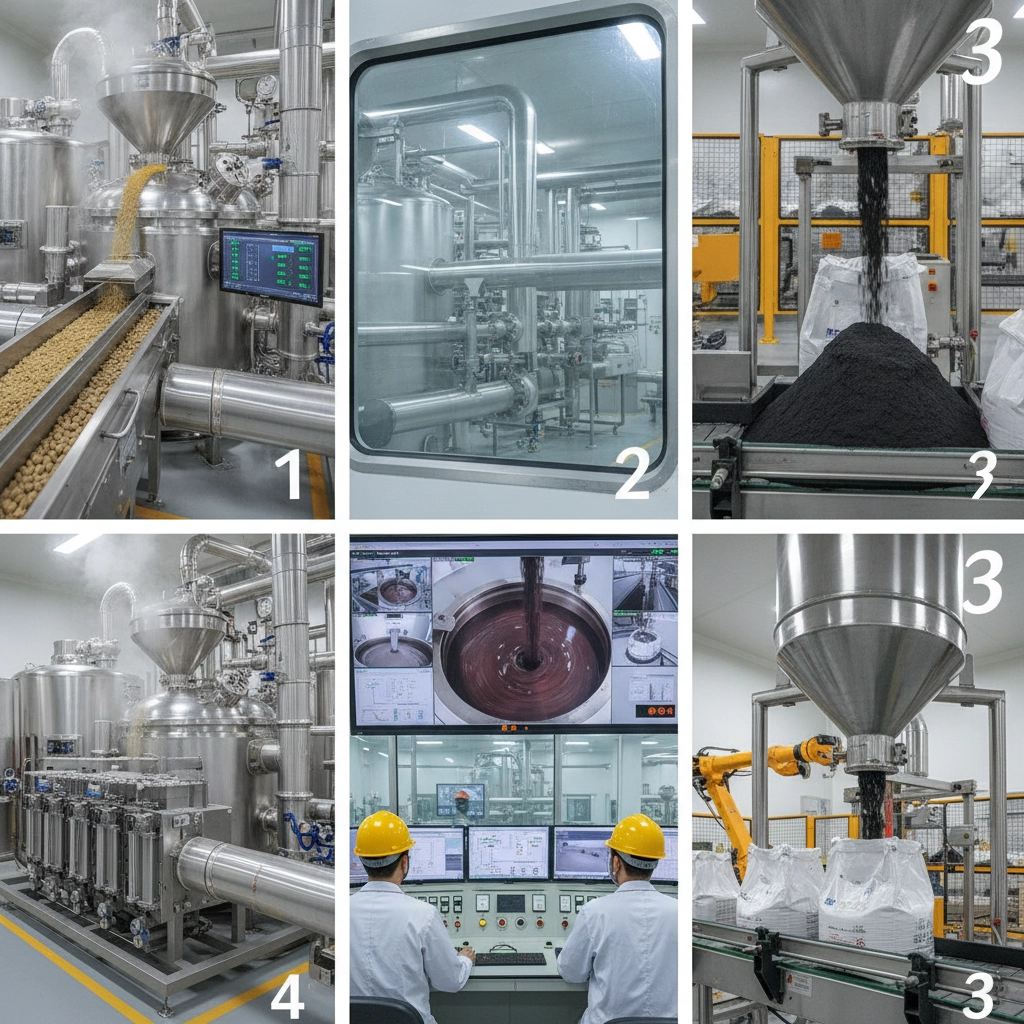
Think of a sulphur black manufacturer as a specialized chemical producer. They synthesize and supply the compound known as sulphur black dye, which is notable for its strong affinity to cellulose fibers like cotton. It’s prepared through complex reduction and oxidation stages, yielding a carbon black pigment that penetrates fibers deeply and locks in color.
Modern industry relies on these manufacturers to ensure dye consistency, colorfastness, and batch scalability, especially for large textile mills. Beyond fashion, sulphur black is used in protective clothing, automotive interiors, and even technical fabrics—a subtle but vital link between chemistry and consumer use.
Key Factors That Define Quality in Sulphur Black Manufacturing
1. Colorfastness & Durability
One of the trademarks of sulphur black is its remarkable resistance to washing and light exposure. Manufacturers aim for dyes that don’t fade after repeated laundering, preserving garment aesthetics and functionality.
2. Cost Efficiency
Compared to reactive or direct dyes, sulphur blacks offer a more affordable alternative, especially important for high-volume production. Many producers balance raw material costs with environmental safeguards—an ongoing challenge.
3. Environmental Compliance
Modern sulphur black manufacturers increasingly embrace eco-friendly processes, reducing sulfur-containing effluents in wastewater. This is critical in regions with stringent discharge regulations like the EU or California State Water Board standards.
4. Scalability & Supply Reliability
The ability to deliver consistent batches at scale defines industrial dye supply. Manufacturers invest in quality control labs and logistics networks to meet global demand.
5. Customization & Technical Support
Many suppliers offer tailored dye formulations or technical assistance to textile mills aiming for specific effects or meeting unique export regulations.
Mini Takeaway:
Ultimately, the best sulphur black manufacturers balance traditional chemistry with modern eco-conscious practices to deliver high-grade, affordable black dyes at scale.
Where and How Sulphur Black Dye Shows Up Worldwide
Textile hubs in Asia—think Bangladesh, Vietnam, China—consume the lion’s share of sulphur black dye. Its affordability makes it the favorite for mass-market denim, work uniforms, and sometimes, artisanal home textiles. Oddly enough, sulphur black dye has even found a niche in composite fabrics used by automotive companies in Europe, prized for its resilience and cost-effectiveness.
In disaster relief situations, where durability and cost are paramount, clothing dyed with sulphur black stands up to harsher conditions. NGOs and manufacturers sourcing sulphur black manufacturers help keep worker uniforms and gear affordable in developing regions too.
Product Specification Table: Sample Sulphur Black Dye Product
| Property | Description / Value |
|---|---|
| Chemical Composition | C14H10N2S4 (approx.) |
| Physical Form | Fine powder |
| pH Range | 5.5 - 7.0 (in 1% solution) |
| Color Strength | Very high depth of shade (black) |
| Fastness to washing | 4-5 (scale of 5) |
| Fastness to light | 3-4 (scale of 8) |
| Typical Application Method | Hot pad steam dyeing for cotton |
Popular Sulphur Black Manufacturers Compared
| Manufacturer | Location | Carbon Footprint Initiatives | Quality Certifications | Typical Customer Base |
|---|---|---|---|---|
| DyeChem Co. | India | Water recycling, renewable energy use | ISO 14001, Oeko-Tex | Large textile mills, Apparel brands |
| Global Dyes Ltd. | China | Emission control technology | ISO 9001 | Industrial textile firms, OEMs |
| EcoBlack Dyes | Turkey | Biodegradable intermediates | REACH, Oeko-Tex | Premium fashion brands |
The Advantages and Long-Term Value of Choosing Quality Sulphur Black Manufacturers
When you source from a reputed sulphur black manufacturer, you’re not just getting a dye. Intangible benefits abound:
- Reliability: Color consistency ensures finished goods meet brand expectations, minimizing costly returns.
- Sustainability: Greener process chemicals and waste treatments align with corporate social responsibility goals.
- Economic Efficiency: Lower costs help keep pricing competitive in fast fashion or industrial textile sectors.
- Innovation: Access to technical support opens doors for customized applications and improved product lifespan.
- Social Impact: Safer, less toxic manufacturing protects local communities and workers.
Future Trends: What’s Next for Sulphur Black Manufacturers?
The dye industry isn’t static, obviously. Several promising trends are shaping sulphur black manufacturing’s future:
- Green Chemistry Initiatives: More bio-based raw materials and enzyme-assisted dyeing to reduce chemical footprint.
- Digital Process Controls: Automation and IoT enhance precision and reduce waste.
- Waterless Dye Technologies: R&D into nano-particle dyes that require less water and energy.
- Traceability: Blockchain and certifications help brands prove supply chain sustainability to consumers.
Still, these tech pivots will require significant investment and collaboration between chemical producers and textile mills alike.
Challenges & Solutions in Sulphur Black Manufacturing
Despite many advances, sulphur black manufacturing faces hurdles:
- Wastewater Treatment: The sulfur compounds can be toxic to aquatic life if untreated. Innovative membrane filtration and advanced oxidation processes are promising solutions.
- Raw Material Variability: Fluctuations in sulfur source quality impact dye consistency—ongoing quality control is key.
- Regulatory Pressure: Emerging restrictions push manufacturers toward cleaner tech, yet sometimes these upgrade costs burden smaller producers.
- Color Consistency: Achieving uniform depth across batches can be tricky; digitized process monitoring helps address this.
FAQ: Frequently Asked Questions About Sulphur Black Manufacturer
Q1: What makes sulphur black dye preferable for cotton fabrics?
Its ability to penetrate and bond strongly with cellulose fibers results in a deep, durable black that resists fading through washing and light exposure. This makes it ideal for everyday clothing and industrial textiles.
Q2: Are sulphur black dyes environmentally safe?
Traditional processes produce sulfur-containing wastewater that requires careful treatment. Leading manufacturers now implement eco-friendly production practices and effluent recycling to mitigate environmental impacts.
Q3: How can textile mills ensure consistency when ordering sulphur black dyes?
Working with reputable manufacturers certified to ISO or Oeko-Tex standards helps guarantee batch-to-batch color uniformity and quality. Technical support is often available to fine-tune dyeing parameters.
Q4: Can sulphur black dye be customized for specific industrial needs?
Yes. Manufacturers frequently tailor dye formulations for different fabric types, fastness requirements, or processing conditions to match niche applications in protective or automotive textiles.
Q5: How can I find reliable sulphur black manufacturers internationally?
Start by researching ISO-certified providers and industry trade portals. Websites like sulphur black manufacturer directories are a good place to begin connecting with vetted suppliers.
In Closing: Why the Sulphur Black Manufacturer Matters For the Long Haul
All things considered, sulphur black manufacturers quietly but decisively influence the look, feel, cost, and sustainability of a huge chunk of global textiles. Choosing the right dye supplier isn’t just an operational decision; it reflects a commitment to quality, the environment, and your brand’s reputation. Curious to explore quality sulphur black dye options? Visit our website: https://www.dyeingchem.com — we’d be happy to help with your textile dyeing needs.