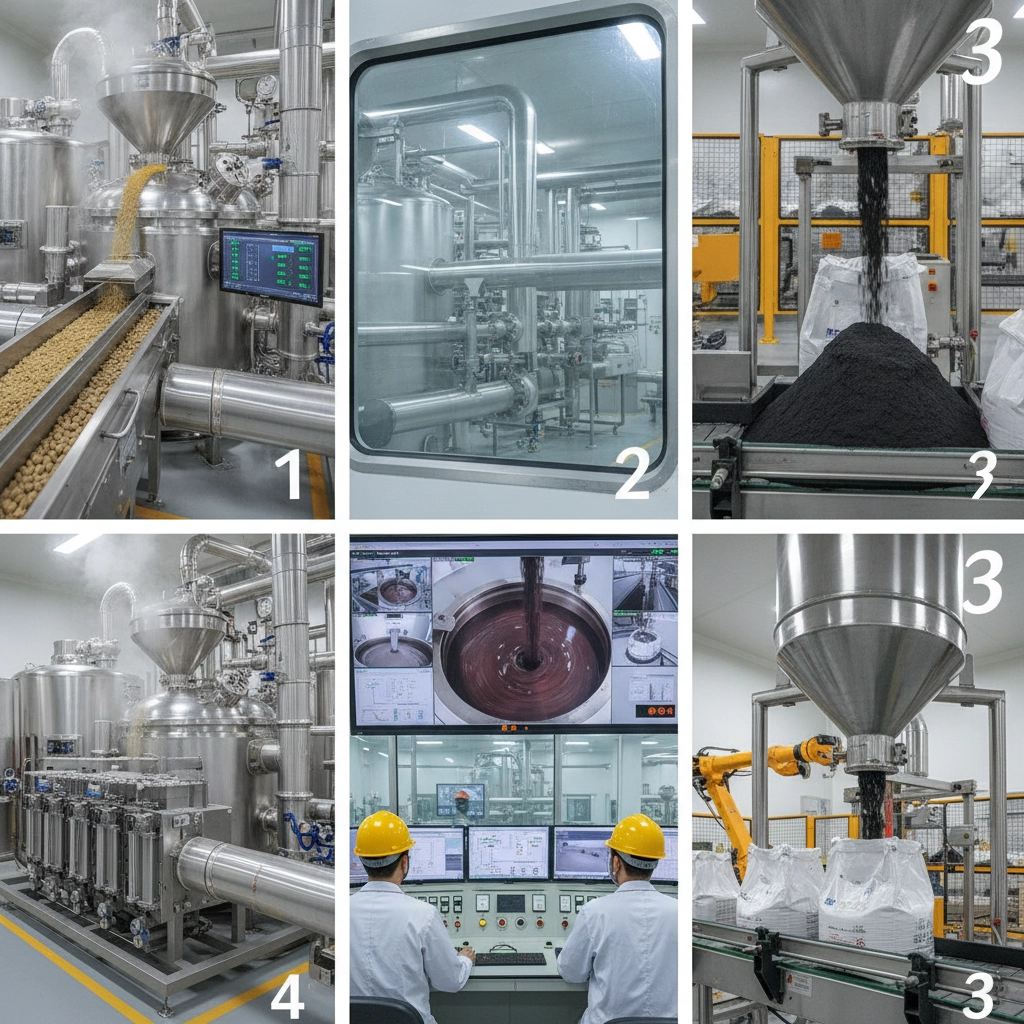
Protein Hydrolysis: Global Insights, Applications & Future Trends
Protein Hydrolysis: Global Insights, Applications & Future Trends
Protein Hydrolysis: Unlocking Molecular Potential in Industry and Beyond
Protein hydrolysis might sound like a complex scientific process best left to biochemists, but in reality, it’s a key player with ripples spanning food technology, pharmaceuticals, agriculture, and even humanitarian efforts. Simply put, it’s the method of breaking down proteins into smaller peptides or amino acids. Why should we care? Well, understanding protein hydrolysis helps industries create tailored nutritional products, improve waste management, and innovate sustainable solutions that address global food security and health challenges.
Introduction: The Global Context of Protein Hydrolysis
Globally, protein demand is soaring — the UN Food and Agriculture Organization estimates that by 2050, world food production must increase by 60% to sustain nearly 10 billion people. That’s where protein hydrolysis gains traction as a technique to enhance protein utilization, aid digestion, and reduce waste. Moreover, with ISO standards increasingly focusing on food safety and quality, protein hydrolysis processes are becoming more standardized and reliable.
But it’s not just about nutrition. In wastewater treatment and environmental remediation, protein hydrolysis helps break down organic pollutants, easing challenges faced particularly in densely populated or industrially active regions. So whether you’re in Europe, Asia, or North America, protein hydrolysis is quietly working behind the scenes to address both health and ecological hurdles.
Mini Summary: The growing demand for optimized proteins and sustainable waste management makes protein hydrolysis a globally relevant process, offering multi-sector solutions tied to health, ecology, and industry efficiency.
What is Protein Hydrolysis?
At its core, protein hydrolysis is a biochemical process where proteins are enzymatically or chemically cleaved into smaller chains called peptides or even down to free amino acids. Think of it as carefully unzipping a complex chain to release the building blocks of life. This is crucial because smaller peptides are easier to digest, absorb, or repurpose in various applications.
Industrially, it’s no longer confined to test tubes — the process finds a home in manufacturing hypoallergenic infant formulas, protein supplements, and functional foods. It also helps convert protein-rich agricultural waste into valuable byproducts, closing sustainability loops while answering humanitarian needs such as improved nutrition in vulnerable communities.
Key Components of Protein Hydrolysis
1. Enzymatic Hydrolysis
Using enzymes like proteases, this approach offers specificity, mild conditions, and cleaner products. Because enzymes target particular bonds, manufacturers can produce hydrolysates with targeted peptide sizes and functions.
2. Acid/Base Hydrolysis
A more aggressive chemical method, usually for lab-based breakdown or extracting amino acids, but less selective and can alter amino acid profiles.
3. Substrate Quality
The source protein matters — whether from dairy, soy, fish, or insect proteins, each responds differently. The input determines yield, taste, and nutritional profile.
4. Reaction Conditions
Temperature, pH, and time control the extent of hydrolysis. Optimizing these parameters is vital for balancing efficiency with product integrity.
5. Downstream Processing
After hydrolysis, filtration, drying, and purification steps tailor products for their end use — from powdered additives to liquid supplements.
Typical Protein Hydrolysis Product Specs
| Parameter | Description | Typical Range |
|---|---|---|
| Degree of Hydrolysis (DH) | Percentage of peptide bonds cleaved | 5 - 20% |
| Molecular Weight Distribution | Size range of peptides | 500 Da - 10 kDa |
| pH | Optimal for enzymatic activity | 6.5 - 8.0 |
| Protein Concentration | In final product | 15% - 90% |
Global Applications & Real-World Use Cases
- Food Industry: Hydrolyzed proteins feature in infant formulas to ease digestibility, in sports nutrition for muscle repair, and as flavor enhancers due to their umami peptides.
- Pharmaceuticals: Peptides generated via hydrolysis serve as bioactive compounds with antioxidant or antihypertensive effects, increasingly explored in clinical nutrition.
- Waste Management: Protein hydrolysis helps decompose animal byproducts and food wastes, reducing landfill loads and producing nitrogen-rich fertilizers.
- Humanitarian Aid: In regions with malnutrition challenges, hydrolysis enables creation of easy-to-digest, fortified protein powders suitable for emergency nutrition.
For example, large NGOs in Africa and Southeast Asia have adopted protein hydrolysis-based supplements in their food security programs—leveraging locally sourced proteins combined with enzymatic hydrolysis to maximize nutrient availability.
Mini Summary: From high-end nutrition to environmental care, protein hydrolysis adapts to needs across continents and disciplines, demonstrating impressive versatility.
Advantages & Long-Term Value
Protein hydrolysis isn’t just about molecular tinkering; the benefits echo through:
- Cost Efficiency: Transforming low-value protein waste into premium ingredients reduces raw material costs and waste disposal fees.
- Sustainability: Enhancing utilization of plant or animal proteins supports circular economy efforts and curbs environmental impact.
- Consumer Safety & Satisfaction: Hydrolyzed proteins reduce allergenicity, opening markets for sensitive groups.
- Innovation & Trust: Producers using controlled hydrolysis can consistently deliver optimized nutrition, strengthening brand credibility.
Oddly enough, it feels like protein hydrolysis quietly revolutionizes food and pharma industries without the usual fanfare — yet its ripple effects touch millions.
Future Trends & Innovations
New horizons are opening thanks to advances in enzymology and process engineering:
- Green Enzymes: Development of more robust, eco-friendly proteases that work at ambient temperatures reduces energy consumption.
- Automation & Digital Monitoring: Smart bioreactors employing AI optimize hydrolysis conditions in real-time, boosting yields and reducing waste.
- Integrating protein hydrolysis with biorefineries: Combining hydrolysis with fermentation or other processes to produce value-added chemicals.
- Personalized Nutrition: Custom hydrolysates tailored to individual health profiles or microbiomes, merging biotechnology with precision medicine.
Challenges & Solutions
That said, protein hydrolysis is not a plug-and-play solution. Some common hurdles include:
- Costly Enzymes: High-quality proteases can be expensive, though advances in recombinant enzyme production may ease this soon.
- Bitterness: Some hydrolysates develop off-flavors, requiring masking agents or process tweaks.
- Process Scalability: Scaling enzymatic hydrolysis can pose challenges due to reaction kinetics and mixing requirements.
- Regulatory Compliance: Ensuring food safety and labeling accuracy demands rigorous testing and documentation.
Industry experts often recommend hybrid approaches (combining enzymatic and physical methods) and leveraging protein hydrolysis knowledge hubs to exchange best practices and develop custom solutions.
Frequently Asked Questions About Protein Hydrolysis
- What are the main methods used in protein hydrolysis?
- Protein hydrolysis typically involves enzymatic methods using proteases, or chemical methods employing acids or bases. Enzymatic hydrolysis is preferred industrially for better control and milder conditions.
- How does protein hydrolysis improve nutritional supplements?
- By breaking down proteins into smaller peptides and amino acids, hydrolysis enhances digestibility and absorption, making supplements easier on the stomach and more bioavailable.
- Is protein hydrolysis environmentally sustainable?
- Yes, when implemented with green enzymes and energy-efficient methods, protein hydrolysis can reduce waste and convert byproducts into valuable resources, supporting sustainability goals.
- What industries benefit most from protein hydrolysis?
- Food and beverage, pharmaceuticals, agriculture, and environmental sectors are among the top beneficiaries, leveraging hydrolysates for nutrition, therapeutics, and waste treatment.
- Can protein hydrolysis processes be adapted for local needs?
- Absolutely. Many projects tailor hydrolysis parameters based on local protein sources and desired end products, aligning with regional nutritional or industrial demands.
Conclusion
Protein hydrolysis stands at an exciting crossroads of science, sustainability, and global nutrition. By understanding and applying this process, industries and humanitarian groups alike unlock new opportunities to feed populations better, reduce waste, and innovate for a healthier planet. If you want to delve deeper or explore tailored solutions, I suggest visiting our website—they offer comprehensive resources and expert guidance on everything protein hydrolysis.
| Vendor | Enzymatic Range | Product Purity | Support & Customization | Sustainability Credentials |
|---|---|---|---|---|
| ProteoTech Ltd. | Wide (plant & animal proteases) | >90% | Comprehensive R&D support | ISO 14001 certified |
| EnzyPro Solutions | Selective proteases, tailored mixes | 88-95% | Customization available | Renewable energy powered plants |
| BioHydro Labs | Small industrial scale focused | 80-90% | Technical training provided | Eco-friendly packaging |
In the end, protein hydrolysis may sound niche, but it’s a quietly evolving field that touches everything from the pills we take to the soups we eat. It’s a neat reminder that sometimes the tiniest molecular changes bring the biggest impact.