Understanding Liquid Sulphur Dyes: Durable, Cost-Effective Textile Solutions
Understanding Liquid Sulphur Dyes: Durable, Cost-Effective Textile Solutions
What Are Liquid Sulphur Dyes and Why They Matter Globally
Liquid sulphur dyes might sound like something from a chemistry class, but they play a surprisingly vital role in industries ranging from textiles to printing. These dyes offer unique benefits—especially in colorfastness and cost efficiency—that help manufacturers worldwide keep products vibrant and durable. With the global textile market expected to hit $1.23 trillion by 2026 (according to Statista), understanding where and how these dyes fit in is essential for anyone dealing with dyeing processes or sustainable manufacturing practices.
In addition to keeping billions of colorful garments, upholstery, and industrial fabrics looking their best, liquid sulphur dyes address key challenges like environmental impact and production speed. That’s why, despite stiff competition from other dye classes, sulphur dyes hold their niche firmly—and why exploring their nuances benefits both producers and consumers alike.
Setting the Global Stage: Liquid Sulphur Dyes in Industry Context
On a broad scale, textile and fabric dyeing is one of the most resource-intensive industrial activities worldwide, consuming nearly 200,000 tons of dyes annually (UNIDO reports). Among these, liquid sulphur dyes stand out because they offer an affordable, robust solution with relatively low waste generation compared to some synthetic counterparts.
But here's the rub: water contamination and process efficiency remain major challenges in dyeing operations. Liquid sulphur dyes tackle these by requiring less energy and water for fixation and washing. This gives manufacturers a real edge as sustainability becomes a non-negotiable benchmark, especially under ISO 14001 environmental management systems.
It’s worth noting the regional hotspots where liquid sulphur dyes thrive: South Asia, Southeast Asia, and parts of Eastern Europe, where large-scale cotton and synthetic fabric production fuels steady demand. However, the challenge persists globally—in balancing cost, environmental stewardship, and performance.
Unpacking the Basics: What Exactly Are Liquid Sulphur Dyes?
Simply put, liquid sulphur dyes are a class of water-dispersible dyes that contain sulphur compounds, known for their excellent affinity to cellulosic fibers like cotton. Unlike powder forms—which require dissolution and careful handling—these liquid variants simplify dosing, reduce dust hazards, and speed up mixing.
In the textile dyeing industry, sulphur dyes are prized for their deep blacks and robust dark shades, often serving low-cost garment sectors that still demand acceptable durability and washfastness. Beyond textiles, they pop up in leather dyeing, paper printing, and even in some industrial marking solutions.
There’s also a humanitarian side: affordable, reliable dyes ensure mass production of colorful fabrics for clothing and shelter in developing regions—improving social dignity through better access to quality textiles.
Key Characteristics of Liquid Sulphur Dyes
1. Durability and Washfastness
One of the first things you hear about liquid sulphur dyes is their ability to withstand multiple washes with minimal fading. Their unique chemical bond with cellulose fibers means colors tend to stay deep and consistent over time.
2. Cost Efficiency
Compared to reactive or direct dyes, liquid sulphur dyes come at a fraction of the cost. This makes them the go-to choice for mass-produced denim, cotton workwear, and other products where budget constraints don’t allow for luxury finishes.
3. Environmental Considerations
While sulphur dyes are historically linked with significant sulfur-based residues, liquid forms enable more efficient usage, reducing waste and minimizing harmful discharge when combined with proper effluent treatments.
4. Application Versatility
These dyes work well in both batch and continuous dyeing processes. Their good dispersion in water aids uniform dye uptake, critical for large textile runs.
5. Ease of Handling
The liquid state means fewer safety concerns over dust inhalation in factories, plus simplified storage and logistics—a factor often overlooked but can save companies thousands yearly.
Mini Takeaway:
Liquid sulphur dyes balance quality, cost, and environmental footprint effectively. Their fast uptake, strong durability, and user-friendly packaging keep them relevant in a fast-changing textile landscape.
Where Liquid Sulphur Dyes Make a Difference Globally
From bustling garment factories in Bangladesh to artisanal textile studios in Eastern Europe, liquid sulphur dyes are everywhere. They supply
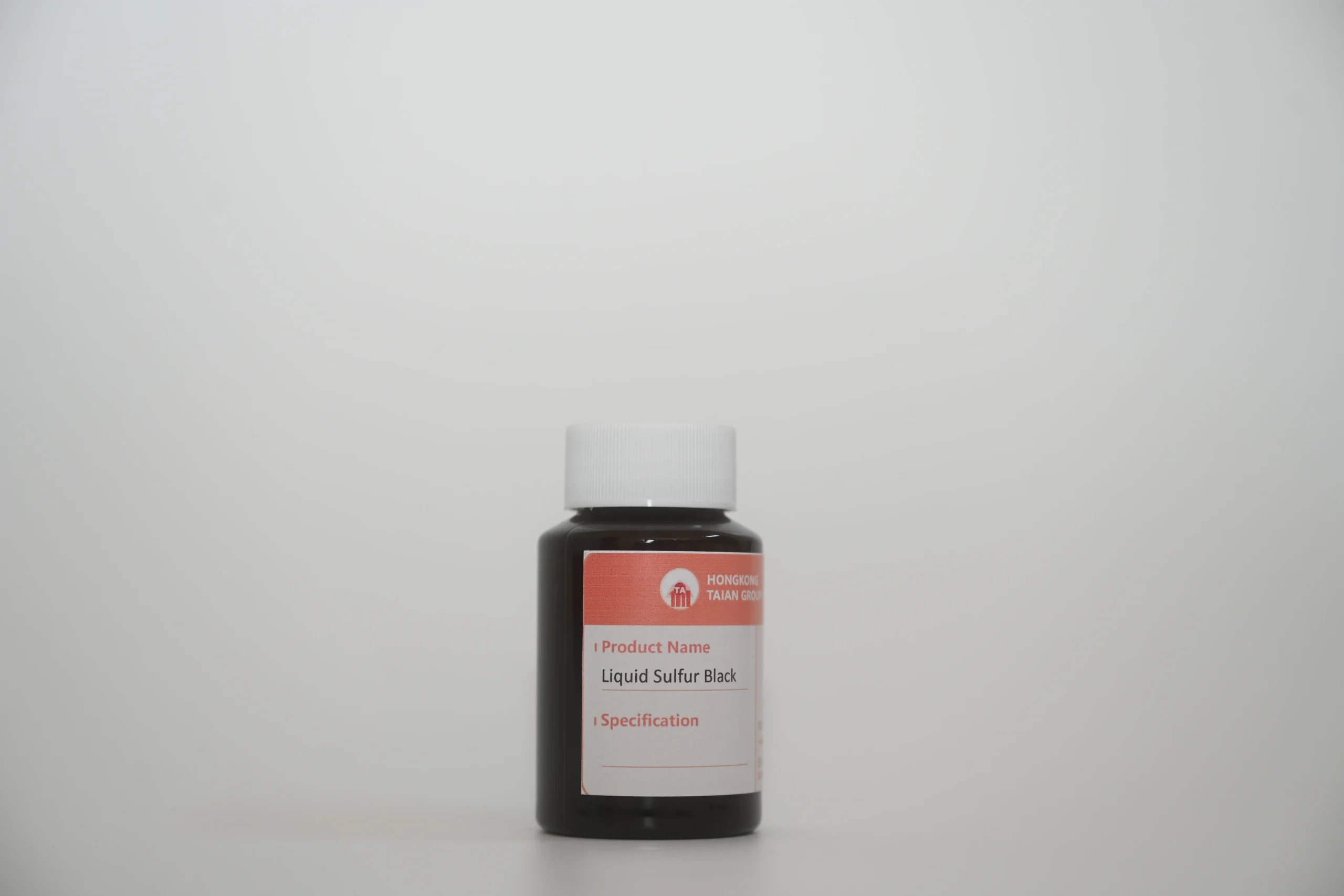
liquid sulphur dyesused in:
- Mass textile production: Cotton black jeans and work uniforms often rely on sulphur dyes for deep, lasting shades.
- Home furnishings: Curtains, upholstery, industrial fabrics—all benefit from the durability and economical application.
- Disaster relief clothing: In post-disaster zones, quick production of affordable, colorful fabrics helps restore hope and dignity.
- Regional crafts and exports: Several SMEs in Southeast Asia use liquid sulphur dyes to produce traditional printed fabrics destined for overseas markets.
Oddly enough, the partnership between traditional dyeing techniques and modern liquid sulphur dyes has breathed new life into regional economies, marrying old-world designs with contemporary efficiency.
Advantages & Long-Term Value of Liquid Sulphur Dyes
So why do manufacturers—and even some fashion brands—keep coming back to liquid sulphur dyes? In real terms, it’s a mix of practical and emotional benefits:
- Affordability: The cheapest good-quality dyeing option for heavy cotton goods.
- Reliability: Colors rarely bleed or fade prematurely.
- Sustainability: Lower energy and water use means smaller ecological footprints.
- Social impact: Enables low-cost production improving workwear, school uniforms, and cultural garment availability.
- Innovation: Continual R&D means liquid sulphur dyes are evolving with better formulations and greener chemistry.
The Product Specification Table for a Typical Liquid Sulphur Dye
| Specification | Details |
|---|---|
| Form | Liquid dispersion (water-based) |
| Color range | Primarily blacks and dark browns |
| Application | Cotton and cellulosic fibers |
| pH range | 6–9 (optimal) |
| Fixation temperature | 85–95°C |
| Fastness | Good wash and rub fastness |
Vendor Comparison: Leading Liquid Sulphur Dye Suppliers
| Vendor | Price (per liter) | Lead time | Global Reach | Eco Certification |
|---|---|---|---|---|
| DyeChem Solutions | $12.50 | 2 weeks | Asia, Europe, Americas | ISO 14001 |
| ColorMix Corp | $13.20 | 3 weeks | Europe, Africa | OEKO-TEX |
| SulphCo Solutions | $11.80 | 1.5 weeks | Asia only | None |
Looking Ahead: Innovations and Future Trends
Interestingly, the brush strokes of sustainability and digitization are painting sulphur dyeing into a new era. Manufacturers are experimenting with bio-based solvents and greener reductants to replace traditional sulfur compounds, which can potentially reduce toxicity in effluents.
Automation in dyeing plants is improving uniformity and cutting waste, while digital process controls mean fewer errors and less rework—crucial for keeping dye consumption low and color consistency high.
Even the potential use of AI-driven color prediction tools could streamline production planning, ensuring colour matches hit the mark on the first try, saving time and raw materials.
Challenges and How Experts Are Tackling Them
As reliable as liquid sulphur dyes can be, they aren’t magic. They still pose disposal and odor concerns if not handled with care, and require exacting process control during fixation to avoid uneven shades or blots.
Experts recommend adopting closed-loop water treatment to minimize sulfur residues released into waterways. Others propose enzyme-assisted dyeing steps to reduce chemical loads. Some pioneering R&D labs are even exploring dye recapture systems to recycle leftover dye effluent—though such technologies are still largely experimental.
FAQ: Your Questions About Liquid Sulphur Dyes Answered
Q1: Are liquid sulphur dyes safe for textile workers?Generally, yes. The liquid formulations significantly reduce inhalation hazards compared to powdered forms, though proper protective equipment and ventilation remain essential for safe handling.
Q2: How do liquid sulphur dyes compare with reactive dyes?While reactive dyes bond covalently and offer brighter shades, sulphur dyes excel in affordability and washfastness for darker colors, making them ideal for bulk industrial applications.
Q3: Can I use liquid sulphur dyes on synthetic fabrics?They perform best on natural cellulosic fibers; synthetic fibers usually require different dye classes for good uptake and colorfastness.
Q4: Is it possible to reduce the environmental impact of sulphur dyeing?Yes. Using controlled fixation processes, adopting effluent treatment technology, and developing greener dye formulations all help curb impacts.
Q5: Where can I buy reliable liquid sulphur dyes?Look for vendors certified with eco standards like ISO 14001 or OEKO-TEX. DyeChem Solutions offers a competitive range with global shipping options.
Wrapping It Up: Why Liquid Sulphur Dyes Remain Essential
In the intricate dance of textile manufacturing—where cost, quality, and sustainability must all align—liquid sulphur dyes hold a robust position. Their unique combination of affordability, durability, and evolving greener chemistry means they’re unlikely to fall out of favor anytime soon. For industries looking to balance budget with responsible production, they’re a dye worth knowing more about.
Thinking about giving your next batch a boost with liquid sulphur dyes? Visit our website: https://www.dyeingchem.com and explore solutions tailored to your needs.