Understanding Sulphur Dye in Textile Industry – Durable, Cost-Effective Fabric Coloring
Understanding Sulphur Dye in Textile Industry – Durable, Cost-Effective Fabric Coloring
The Subtle Art and Science of Sulphur Dye in Textile
Whether you’re a textile engineer, a fabric enthusiast, or just someone intrigued by how your clothes get their color, “sulphur dye in textile” is a topic that quietly shapes an enormous chunk of the industry. Globally, these dyes contribute to affordable, durable colorants used in millions of garments and household textiles, not to mention big industrial fabrics. Understanding sulphur dyes gives insight into cost-effective manufacturing, sustainable practices, and the challenges textile producers face worldwide.
Why Sulphur Dye Matters on a Global Scale
Textile production is one of the world’s largest industries, accounting for more than 350 million tons of fabric produced annually (World Bank, 2023). Sulphur dyes, known for their vibrant blacks, browns, and navy blues, play a major role — providing a balance between vivid color and cost efficiency. In countries like India, Bangladesh, and China, where textile exports dominate economies and provide millions of jobs, sulphur dye is a staple. Yet the process has a shadow side: environmental risks from dye effluents and handling safety.
As the world pushes for greener industry standards (ISO 14001 compliance becoming widespread), sulphur dye solutions are reinventing themselves — aiming for cleaner chemistry and better resource management. Put plainly: whether it’s mass-market fast fashion or niche industrial textiles, the way sulphur dyes are applied and managed reflects broader sustainability challenges and opportunities.
Mini Takeaway:
Sulphur dye’s global importance is twofold: economic impact in textile-heavy regions and the growing environmental urgency tied to its use.
What Exactly Is Sulphur Dye in Textile?
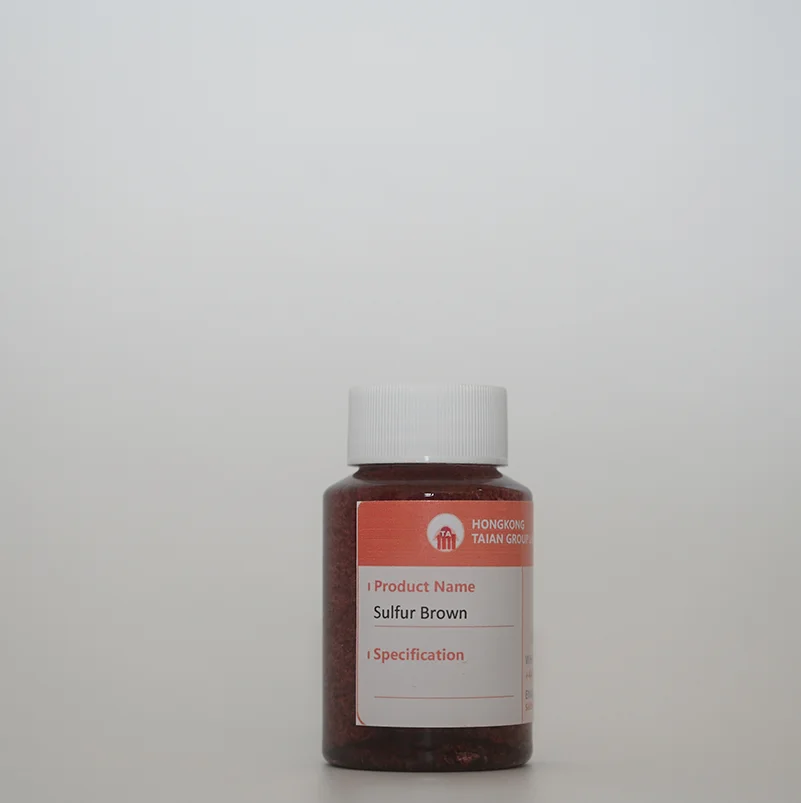
Simply put, sulphur dyes are colorants created by combining organic compounds with sulfur during production. They interact with cellulose fibers—which make up cotton and other common textiles—through a reduction and oxidation process. This chemically bonds the dye inside the fabric rather than merely coating it.
The beautiful thing here is how this method ensures durability and wash-fastness, making sulphur dyes invaluable in industries demanding rugged, long-lasting color. It’s a technique perfected over decades, connecting traditional chemistry with modern textile demands. Oddly enough, sulphur dyes are also seen as a sort of link between cost-conscious mass markets and eco-conscious textile innovation, since they historically use less energy than other dye types.
Core Attributes of Sulphur Dye and Why They Matter
Durability
One of the foremost reasons sulphur dyes are favored is their impressive resistance to washing and light exposure. Once fixed, the color won’t easily fade, which extends the textile’s life.
Cost Efficiency
Compared to reactive or vat dyes, sulphur dyes are cheaper to produce and apply. This keeps the price of finished products more accessible for mass markets, especially in developing countries.
Scalability
Whether producing thousands or millions of meters of fabric, sulphur dyeing processes are highly adaptable. Large mills and small workshops alike can implement them with modest investment.
Environmental Impact
This is where things get tricky: sulphur dyes generate sulfide-rich wastewater, posing disposal challenges. However, innovation in effluent treatment and closed-loop systems is steadily mitigating this.
Color Range and Usage
While not as spectacularly colorful as some dyes, sulphur dyes cover deep blacks, browns, and navy blues well. These are fundamental shades across garments, upholstery, and industrial fabrics.
Table: Typical Sulphur Dye Specifications
| Specification | Value | Notes |
|---|---|---|
| Color Range | Black, Brown, Navy Blue | Limited but essential colors |
| Fastness to Wash | High | Long-lasting color retention |
| Cost per kg | $2.50 - $3.50 | Cost-effective for mass production |
| Environmental Concern | Sulfide wastewater | Needs advanced treatment |
| Application Type | Cellulose fibers (cotton, viscose) | Broad textile compatibility |
Real-World Uses: Where and How Sulphur Dyes Are Applied
Right now, sulphur dyes hold a strong position in areas where cost and durability override need for dazzling color variety. For example:
- South Asian Garment Industries: Millions of cotton shirts and trousers rely on sulphur dye for black and navy hues.
- Upholstery in Public Transport: Buses and trains use sulphur-dyed fabrics that must deal with tough wear and frequent cleaning.
- Workwear and Uniforms: Industrial and service uniforms often use sulphur-dyed fabrics for their resistance and affordability.
- Disaster Relief & Humanitarian Organizations: Affordable and quick-to-produce textiles colored with sulphur dye support shelters and supplies in remote or crisis conditions. (See sulphur dye in textile for related products.)
Mini Takeaway:
Sulphur dyes thrive in demand situations where longevity and cost are paramount — not just fashion.
The Many Advantages and Long-Term Benefits of Sulphur Dye
Imagine running a garment factory in a country with tight margins and unpredictable resources. Sulphur dyes help keep operations lean, while customers get that reliable black or brown they expect. It’s also about sustainability — fewer energy requirements during dyeing means a smaller carbon footprint compared to other methods, even if wastewater challenges remain.
Socially, durable colors mean clothes last longer, reducing waste for consumers. Emotionally, they create trust — if your uniform always looks sharp, it inspires confidence and respect. Innovation is also ongoing, with manufacturers testing blends and treatments to enhance sulphur dyes’ appeal in eco-sensitive markets.
Looking Forward: Trends and Innovations in Sulphur Dye Use
The biggest buzz around sulphur dyes nowadays involves “green chemistry” approaches, including:
- Biodegradable dye precursors to reduce toxicity.
- Closed-loop dyeing systems capturing and recycling sulfides.
- Digital process controls improving dye uniformity and efficiency.
- Hybrid dyes offering brighter hues while retaining sulphur dye advantages.
Further, regulatory pressure, especially in the European Union and emerging Asian markets, drives chemical suppliers to rethink formulations. Oddly enough—sometimes the best tech leaps happen when you try to fix an old problem.
Addressing Challenges Head-On
It’s no secret sulphur dyes have environmental and technical hurdles. The sulfide-laden wastewater can impact waterways, and color gamut is limited. Still, manufacturers and researchers are championing solutions:
- Advanced effluent treatment plants are now more common, with chemical oxidation techniques reducing harmful compounds.
- Embedding stricter quality control to reduce dye overuse and pollution.
- Exploring blends with natural dyes to diversify colors and lessen sulfur dependence.
Frankly, it’s a balancing act — cost pressures versus environmental responsibility — but progress has a steady rhythm.
Frequently Asked Questions About Sulphur Dye in Textile
- What makes sulphur dyes preferred for black and brown fabrics?
- Sulphur dyes offer unmatched wash-fastness and color depth in these shades at a lower cost than alternatives, making them ideal for durable garments and industrial fabrics.
- Are sulphur dyes environmentally safe?
- They can pose pollution risks due to sulfide-rich effluents, but modern treatment methods and eco-friendly innovations are reducing environmental impact significantly.
- Can sulphur dyes be used on synthetic fabrics?
- No, sulphur dyes react specifically with cellulose fibers like cotton and viscose. Synthetic fibers require different dye classes.
- How do sulphur dyes compare cost-wise with reactive dyes?
- Sulphur dyes are generally cheaper to produce and apply, making them attractive for large-scale production where cost controls are critical.
- Is color fading an issue with sulphur-dyed textiles?
- Color fastness is one of sulphur dyes’ strengths; they resist fading from washing and sunlight better than many other dye types.
Supplier Snapshot: Comparing Top Sulphur Dye Vendors
| Vendor | Price Range (per kg) | Eco-friendly Options | Global Availability | Product Range |
|---|---|---|---|---|
| TexDyne Chemicals | $2.50 - $3.20 | Limited; Emerging Green Range | Asia, Europe | Blacks, Browns |
| Global Dye Solutions | $2.80 - $4.00 | Yes; Advanced Biodegradable Options | North America, Asia | Full Sulphur Range, Custom Blends |
| Eastern Sulphur Dyes | $2.30 - $3.10 | No | Asia, Africa | Basics Only |
Wrapping Up: Why Sulphur Dye Is Still Essential Today
In the ever-shifting world of textiles, sulphur dyes hold their ground firmly. They combine pragmatic durability with an affordability that keeps large sectors afloat, while quietly evolving toward greener solutions. It’s a dye that tells a story — of industry scale, chemistry, and sustainable innovation threading through the fabric of society.
If you’re interested in exploring more about sulphur dye and textile applications, drop by our detailed platform for in-depth info, product lines, and expert advice. Because sometimes, understanding something as simple as a colorant can open doors to smarter, cleaner, and more meaningful textile manufacturing.
Final Mini Takeaway:
Sulphur dye in textile reflects a fascinating intersection of tradition, cost-consciousness, innovation, and responsibility — a reminder how even the humblest materials matter in global industries.