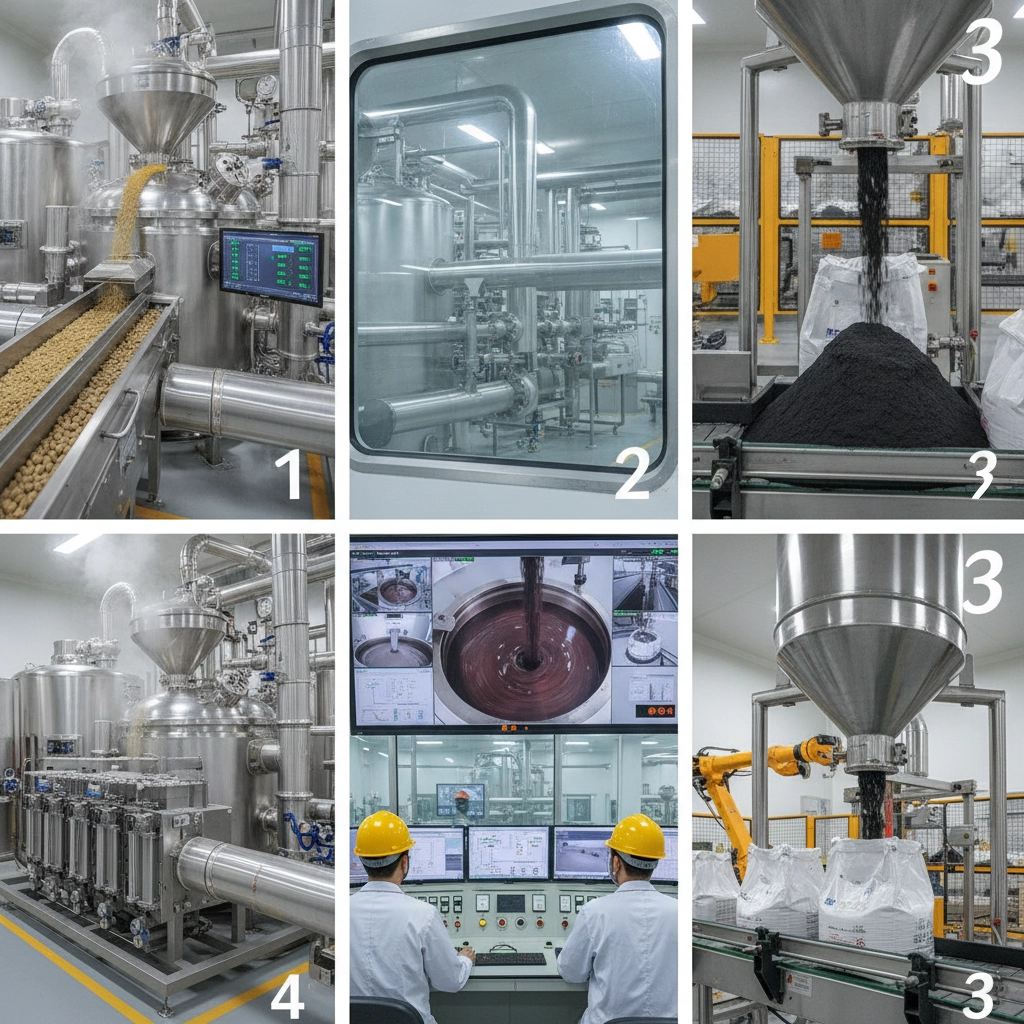
What Is Feed Enzyme? Benefits, Uses, and Industry Insights
What Is Feed Enzyme? Benefits, Uses, and Industry Insights
Understanding Feed Enzyme: A Key to Sustainable Animal Nutrition
Feeding the world’s growing population is no small feat, and the agricultural sector is perpetually on the lookout for ways to improve efficiency. Feed enzymes have emerged as surprisingly powerful allies in this quest. Simply put, they’re biological catalysts added to animal feeds to improve nutrient uptake—resulting in better growth, lower feed costs, and less environmental impact. Given today's global push for sustainability and food security, the significance of feed enzymes not only echoes across farms worldwide but also in global markets and policy discussions.
The Global Context of Feed Enzyme Usage
To put this in perspective, the UN Food and Agriculture Organization estimates that livestock accounts for nearly 40% of the global agricultural GDP. Animals require protein, energy, and minerals, but many feeds contain components that are tough to digest—think non-starch polysaccharides (NSPs) or phytates. This is where feed enzymes step in, breaking down those complex molecules to unlock nutrients otherwise wasted.
Industries worldwide are embracing these enzymes to tackle rising feed costs and reduce environmental nitrogen and phosphorus emissions—a major concern addressed by policies like the European Union's Nitrate Directive. Oddly enough, feed enzymes align quite well with the circular economy, since they help minimize resource loss throughout the livestock supply chain.
What Exactly Are Feed Enzymes?
At their core, enzymes are proteins that speed up chemical reactions. Feed enzymes are specialized ones designed for animal diets. For example, phytase breaks down phytate, releasing phosphorus, while xylanase degrades complex carbohydrates, enhancing energy availability.
This is more than just nutrition science. In regions with limited feed resources or where environmental sustainability is a growing concern, these enzymes can mean the difference between profit and loss, or even the health of local ecosystems. Humanitarian agencies concerned with livestock health in developing countries also spotlight feed enzymes as a sustainable nutrition solution, reflecting their rising global importance.
Key Components and Performance Factors of Feed Enzymes
1. Specificity
Each enzyme targets a particular compound—whether cellulose, hemicellulose, or phytate—to improve digestibility. Selecting the right enzyme blend is essential for optimal feed efficiency.
2. Stability
Enzymes must withstand harsh processing conditions like heat during pelleting and maintain activity in the acidic stomach environment. Manufacturers often engineer feed enzymes with enhanced thermostability to meet these needs.
3. Dosage and Compatibility
Proper dosing ensures maximum benefit without waste. Additionally, enzymes must be compatible with other feed additives and ingredients to avoid activity loss.
4. Regulatory Compliance
Feed enzymes are subject to rigorous safety and efficacy testing; standards vary but all seek to ensure animal safety, human food safety, and environmental protection.
Feed Enzyme Product Specifications
| Specification | Typical Value | Notes |
|---|---|---|
| Enzyme Type | Phytase, Xylanase, Protease blends | Blended for broad spectrum activity |
| Activity Unit | ≥ 5,000 FTU/g for phytase | FTU: Phytase Units |
| Thermostability | Up to 85°C for 5 minutes | Suitable for feed pelleting process |
| pH Range | 3.5–7.5 | Effective in animal gut environment |
Global Applications & Real-World Use Cases
- Asia-Pacific Farms: Many poultry and swine producers rely on feed enzymes to lower dependency on soybean meal imports, cutting costs and improving sustainability.
- European Livestock Industry: Stringent environmental regulations push use of enzymes to reduce phosphorus excretion and mitigate water pollution.
- African Smallholders: Feed enzymes aid in digesting poor-quality crop residues, boosting livestock productivity in challenging environments.
- Humanitarian & Development Organizations: Projects aimed at increasing food security often incorporate feed enzymes for enhancing livestock nutrition in vulnerable communities.
Clearly, feed enzymes aren’t just a luxury for industrial farms; they’re becoming integral to global agricultural development and environmental strategies alike.
Vendor Comparison: Popular Feed Enzyme Suppliers
| Vendor | Product Range | Price Range (USD/kg) | Special Features | Global Reach |
|---|---|---|---|---|
| Novozymes | Wide (phytase, carbohydrase, protease) | 20–30 | High thermostability & activity | Global |
| AB Vista | Enzyme blends and specialty | 18–25 | Focus on precision dosing | Strong in Europe & Asia |
| DSM Animal Nutrition | Custom enzyme systems | 22–28 | Tailored for specific feed challenges | Global |
Advantages & Long-Term Value of Feed Enzymes
Feed enzymes bring a slew of both economic and environmental benefits:
- Cost Savings: Better digestion translates directly to lower feed costs – feed accounts for 60–70% of animal production expenses.
- Environmental Impact: Enzymes cut phosphorus and nitrogen waste, reducing runoff and water contamination.
- Animal Welfare: Improved nutrition means healthier animals, which often correlates with lower antibiotic use and more ethical farming.
- Supply Chain Efficiency: Feed enzymes enable the use of alternative, local feed ingredients—great in fluctuating global markets.
Emotionally speaking, there’s a lot of comfort in knowing that innovation helps farmers preserve both their livelihoods and the planet. In real terms, that blend of innovation and trustworthiness can reshape entire communities.
Future Trends & Innovations in Feed Enzyme Technologies
The horizon looks promising for feed enzymes. We’re seeing:
- Genetic Engineering: New enzymes with tailored specificities and improved stability to meet diverse feedstocks.
- Digital Feed Formulation: AI-driven platforms recommend precise enzyme blends based on feed analysis.
- Sustainability-Centric Policies: Governments incentivize enzyme use to meet climate targets.
- Integration with Probiotics: Combining enzymes with gut-friendly microbes for synergistic benefits.
These trends hint at a more sustainable and tech-savvy livestock industry, balancing productivity and ethical stewardship.
Challenges & Expert Solutions in Feed Enzyme Use
Of course, challenges remain. Enzymes may lose activity due to improper storage or feed processing conditions. Also, variability in feed ingredient composition can affect efficacy. Not to mention, initial costs and lack of awareness among smallholders limit widespread adoption.
Experts suggest comprehensive training programs for farmers and transparent trials demonstrating benefits. Innovations such as microencapsulation protect enzymes through processing and digestion, enhancing benefits. Collaboration between feed manufacturers, researchers, and farmers remains key.
Frequently Asked Questions About Feed Enzyme
- Q: What types of feeds benefit most from feed enzymes?
- A: Feeds rich in cereals, bran, and plant residues typically benefit because of their high fiber and phytate content. Feed enzymes break down these components for better nutrient absorption.
- Q: Can feed enzymes completely replace traditional feed additives?
- A: Not entirely. Feed enzymes complement additives by improving nutrient availability but usually work best alongside a balanced nutritional program.
- Q: How do feed enzymes impact environmental emissions?
- A: By improving nutrient digestibility, enzymes reduce excretion of nitrogen and phosphorus, which helps mitigate pollution of soils and waterways.
- Q: Are feed enzymes safe for all animal species?
- A: Most commercially available feed enzymes have been tested for major livestock species like poultry, swine, and cattle. Appropriate dosing and species-specific formulations ensure safety.
Conclusion: Why Feed Enzymes Matter for the Future of Animal Nutrition
Feed enzymes represent a blend of science and practical wisdom—enhancing animal nutrition while lowering costs and conserving the environment. Their role, frankly, is only growing as the world demands more sustainable food systems. Whether you’re a feed manufacturer, farmer, or policymaker, understanding feed enzymes opens doors to smarter, greener agricultural practices.
Ready to dive deeper? Visit our website at https://www.dyeingchem.com for expert insights, product info, and tailored solutions.
Mini takeaway: Feed enzymes are simple proteins with a profound impact, bridging nutrition, economics, and sustainability in animal agriculture worldwide.
References:
1. Food and Agriculture Organization of the United Nations (FAO), Livestock and environment
2. European Commission, Nitrates Directive
3. Wikipedia contributors, Feed enzyme - Wikipedia