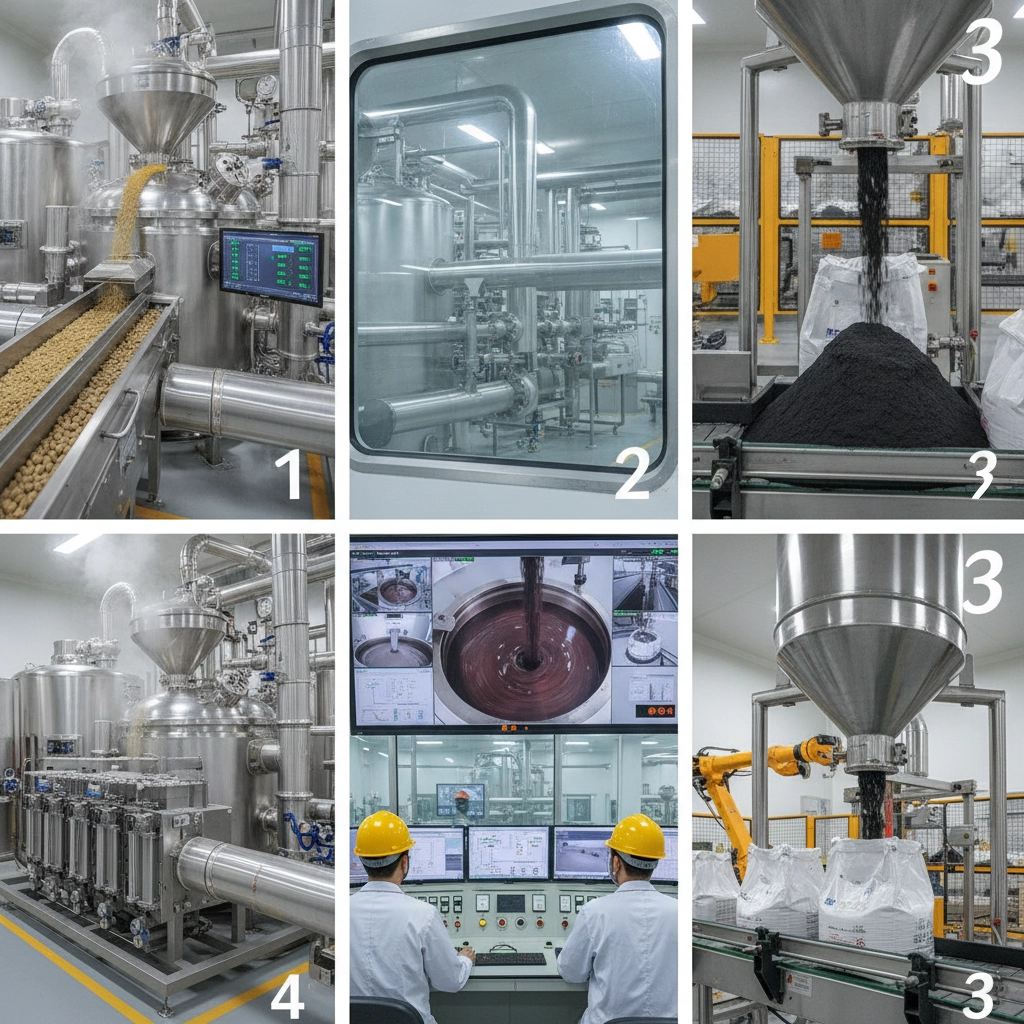
Efficient Role of Enzymes Used in Juice Clarification Process
Efficient Role of Enzymes Used in Juice Clarification Process
Maximizing Clarity: The Role of Enzymes Used in Juice Clarification
In the beverage industry, achieving a crystal-clear, visually appealing juice is essential for consumer acceptance and product stability. The process of removing suspended particles, proteins, and pectins is where enzymes used in juice clarification play a pivotal role. By breaking down complex polysaccharides that cause turbidity, these biological catalysts ensure a professional finish without compromising the nutritional value or taste of the fruit. Whether dealing with apple, grape, or citrus juices, the right enzymatic treatment can significantly reduce processing time and increase yield. In this guide, we explore how these specialized enzymes transform cloudy extracts into premium, transparent beverages.

How Enzymes Used in Juice Clarification Work
The primary cause of cloudiness in raw fruit juice is pectin, a complex polysaccharide found in plant cell walls. Pectin creates a protective colloid that keeps small particles suspended in the liquid, preventing them from settling. The enzymes used in juice clarification, specifically pectinases, act by hydrolyzing these pectin molecules. Once the pectin backbone is broken, the electrostatic stability of the suspension is destroyed, allowing suspended solids to aggregate and precipitate. This process not only clears the juice but also lowers the viscosity, making subsequent filtration and ultrafiltration processes far more efficient.
Pro Tip: Temperature and pH control are critical. Most clarification enzymes operate optimally between 40°C and 55°C; exceeding these limits may denature the enzyme, while lower temperatures slow down the clarification rate.
Types of Pectinases for Maximum Transparency
Not all pectin is the same, and neither are the enzymes. Depending on the fruit source, different types of enzymes used in juice clarification are employed. Pectin methyl esterase (PME) removes methoxyl groups, while polygalacturonase (PG) breaks the glycosidic bonds of the pectin chain. For the most stubborn cloudiness, pectin lyase (PL) is often used to cleave the pectin chain directly. Using a cocktail of enzymes usually yields the best results, as they work synergistically to completely dismantle the pectin network, ensuring that no haze returns during storage.
Comparing Enzymatic vs. Traditional Clarification
Before the widespread use of high-efficiency enzymes used in juice clarification, producers relied on gelatin or bentonite fining agents. While effective, these methods often resulted in the loss of valuable juice components and required longer settling times. Enzymatic treatment is more precise, faster, and maintains the natural aromatic profile of the fruit. The following table highlights the stark differences in efficiency and quality between the two approaches.
Industrial Specifications for Clarification Enzymes
For manufacturers, choosing the right grade of enzymes used in juice clarification involves looking at activity units and purity. High-activity enzymes allow for lower dosage rates, reducing the overall cost of production. It is also vital that the enzymes are food-grade and non-GMO to comply with international food safety standards. Below is a typical specification table for a commercial pectinase blend used in the industry.
Optimizing Yield and Cost with Enzyme Treatment
Integrating enzymes used in juice clarification into the production line doesn't just improve aesthetics; it directly boosts the bottom line. By reducing the viscosity of the mash, manufacturers can extract more juice from the same amount of raw fruit. Furthermore, the reduction in "filter cake" buildup means that filters need to be cleaned less frequently, reducing downtime and labor costs. When implemented correctly, enzymatic depectinization can increase juice recovery by 5% to 15%, depending on the fruit variety.

Environmental Impact and Sustainability
In an era of green manufacturing, the shift toward biological catalysts is a significant win. The enzymes used in juice clarification are biodegradable and replace harsher chemical clarifiers that might leave residues in the wastewater. This reduction in chemical oxygen demand (COD) in factory effluent makes waste treatment easier and more eco-friendly. By optimizing the process naturally, beverage companies can meet strict environmental regulations while delivering a "clean label" product to health-conscious consumers.
Conclusion: The Future of Juice Processing
The application of enzymes used in juice clarification has revolutionized the way we produce clear, stable, and high-quality fruit beverages. From increasing yields to reducing the environmental footprint, these biological tools are indispensable for modern beverage production. As biotechnology continues to evolve, we can expect even more specific and efficient enzyme blends that will further refine the taste and clarity of juices worldwide. Investing in the right enzymatic solutions is not just a technical choice, but a strategic business move toward quality and sustainability.
Frequently Asked Questions (FAQs)
Do enzymes used in juice clarification affect the taste?
No, when used at the recommended dosages, these enzymes do not alter the flavor profile of the juice. In fact, they often improve the taste by removing bitter pectin-bound compounds and increasing the release of natural aromatic compounds. Because they are highly specific biological catalysts, they target only the pectin and do not break down the sugars or organic acids that give the juice its characteristic flavor. Once the juice is pasteurized, the enzymes are heat-inactivated, leaving no active residue in the final product.
How do I know when the clarification process is complete?
The most common industry method is the "alcohol test." A small sample of the treated juice is mixed with an equal volume of ethanol. If the juice remains clear, the pectin has been fully degraded. If a gel or precipitate forms, pectin is still present, and further enzymatic treatment is required. Additionally, measuring the viscosity change or monitoring the flow rate during filtration can provide real-time indicators of the clarification progress. Regular testing ensures that the juice will not develop a secondary haze during storage.
Can these enzymes be used for all types of fruit juices?
While the general principle of depectinization applies to most fruits, different juices require specific enzyme blends. For instance, apple and grape juices are highly pectin-rich and require strong pectinase complexes. Citrus juices, on the other hand, may require a combination of pectinases and cellulases to handle the unique fiber structure of the pulp. It is always recommended to perform a small-scale trial to determine the optimal enzyme blend and dosage for a specific fruit variety. You can explore professional-grade solutions at dyeingchem.com.
Are these enzymes safe for consumption?
Yes, the enzymes used in juice clarification are produced from safe, food-grade microorganisms and are widely approved by global food safety authorities (such as the FDA and EFSA). They are considered processing aids rather than additives because they are inactivated by heat during the final pasteurization step. This means they do not function as active ingredients in the final bottled product, making them safe for all consumers, including those with dietary restrictions. Always ensure your supplier provides the necessary COA (Certificate of Analysis) and safety data sheets.