Essential Guide to Brewing Enzymes for Flavor and Efficiency
Essential Guide to Brewing Enzymes for Flavor and Efficiency
The Essential Guide to Brewing Enzymes: Enhancing Flavor and Efficiency
In the intricate art of fermentation, the role of biochemical catalysts is indispensable. Brewing enzymes are the unsung heroes that transform raw grains into fermentable sugars, directly influencing the body, clarity, and taste profile of the final beverage. Whether you are a craft brewer or an industrial producer, understanding how to leverage these biological tools can lead to higher yields and a more consistent product. This guide explores the science behind these catalysts and how they optimize the brewing process from mashing to filtration.

The Science of Brewing Enzymes in Mashing
During the mashing phase, the primary goal is the conversion of complex starches into simple sugars. This is achieved through the action of specific brewing enzymes such as alpha-amylase and beta-amylase. While malt naturally contains these enzymes, exogenous additions can provide greater control over the fermentability of the wort. Alpha-amylase randomly breaks down starch chains into smaller dextrins, while beta-amylase clips maltose units from the ends of these chains. Balancing these two ensures that the brewer can decide between a "dry" finish or a "full-bodied" mouthfeel.
Pro Tip: Temperature precision is key. Beta-amylase typically peaks at lower temperatures (60-65°C), while alpha-amylase is more active at higher temperatures (70-75°C). Controlling this thermal profile defines your beer's alcohol potential.
Optimizing Wort Quality with Specialized Brewing Enzymes
Beyond basic starch conversion, modern brewing utilizes a variety of specialized brewing enzymes to solve specific production challenges. For instance, glucanases are often employed to break down beta-glucans, which are gummy polysaccharides that can cause "stuck sparges" and cloudy beer. By reducing the viscosity of the mash, these enzymes accelerate filtration and improve the brightness of the final product. The strategic application of these catalysts allows for the use of higher proportions of unmalted adjuncts, reducing raw material costs without sacrificing quality.

Comparative Analysis of Common Brewing Enzymes
Choosing the right enzyme depends on the desired outcome of the brew. While some focus on sugar yield, others target the physical properties of the liquid. The following table compares the most utilized brewing enzymes used in professional settings to highlight their distinct roles and impacts on the wort.
Integrating Brewing Enzymes into Industrial Workflows
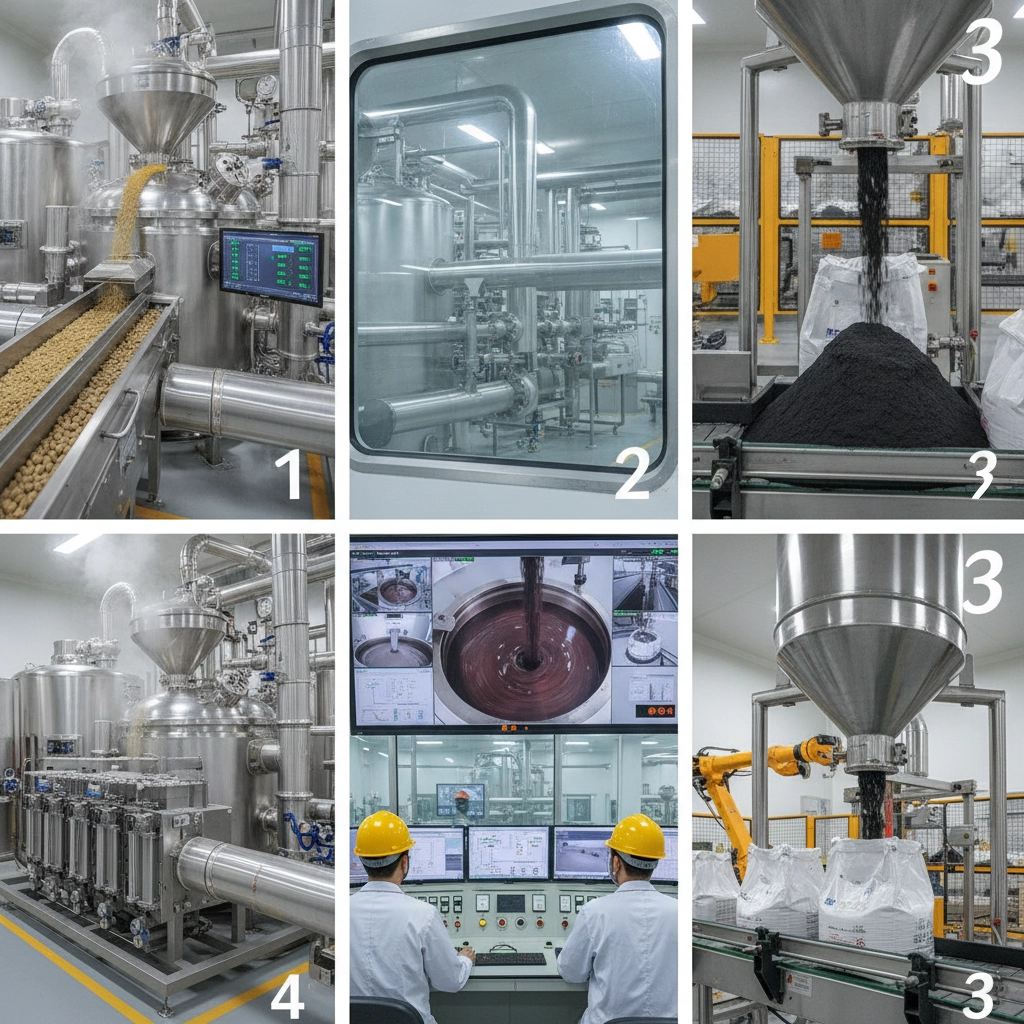
For large-scale breweries, consistency is the most significant challenge. The integration of standardized brewing enzymes allows producers to mitigate the natural variability of malt harvests. By dosing precise amounts of enzymes, a brewery can ensure that every batch has the exact same fermentable sugar profile, regardless of the grain's origin. This industrial precision not only stabilizes the flavor but also optimizes the efficiency of the fermentation tanks, reducing the overall time required for a batch to reach maturity.
Technical Specifications for Enzyme Selection
When selecting a supplier for brewing enzymes, technical specifications are paramount. Parameters such as pH stability, temperature ranges, and activity units (U/g) determine the effectiveness of the catalyst. High-purity enzymes reduce the risk of introducing unwanted off-flavors and ensure a cleaner fermentation process. Below are the typical specification benchmarks for professional-grade brewing catalysts:
The Future of Brewing: Biotechnology and Sustainability
As the industry moves toward more sustainable practices, the evolution of brewing enzymes is focusing on reducing energy consumption. By using highly efficient enzymes that work at lower temperatures or faster rates, breweries can significantly lower their carbon footprint. Furthermore, the shift toward non-GMO and organic-certified enzyme sources is meeting the growing consumer demand for "clean label" products. These innovations ensure that efficiency does not come at the cost of environmental responsibility or ingredient purity.
Conclusion: Mastering the Art of Brewing Enzymes
The strategic use of brewing enzymes is the bridge between traditional craft and modern scientific precision. From improving the efficiency of the mash to refining the final clarity and mouthfeel of the beverage, these catalysts provide brewers with unprecedented control over their product. By selecting high-quality, technically specified enzymes and integrating them thoughtfully into the workflow, producers can achieve a perfect balance of yield and flavor. Invest in the right biochemical tools today to ensure the consistency and excellence of every pour.
Frequently Asked Questions (FAQs)
Do brewing enzymes change the natural taste of the beer?
When used correctly, brewing enzymes do not introduce "artificial" flavors; rather, they optimize the release of flavors already present in the raw materials. For example, by breaking down complex starches into maltose, they enhance the sweetness and fermentability. However, over-using certain enzymes, like proteases, could potentially lead to a loss of body or head retention if the proteins are broken down too aggressively. The key is precise dosing based on the specific grain bill and desired style of the beer.
Can I use exogenous brewing enzymes with any type of grain?
Yes, they are particularly useful when using adjuncts like corn, rice, or sorghum, which lack the natural amylase levels found in malted barley. Exogenous enzymes allow these grains to be efficiently converted into fermentable sugars. Whether you are brewing a traditional ale or a modern lager with high adjunct content, these enzymes ensure that the starch conversion is complete, maximizing your extract efficiency and ensuring a stable fermentation process.
How should brewing enzymes be stored for maximum stability?
Enzymes are proteins and are sensitive to temperature and moisture. To maintain their activity, they should be stored in a cool, dry place, away from direct sunlight. Many industrial enzymes are stable at room temperature for several months, but refrigeration is often recommended for long-term storage to prevent denaturation. Always ensure the container is sealed tightly to avoid contamination and moisture absorption, which can lead to a decrease in the enzyme's potency over time.
What is the difference between liquefaction and saccharification?
Liquefaction is the initial process where alpha-amylase breaks down long-chain starches into shorter-chain dextrins, effectively "thinning" the mash and making it more liquid. Saccharification is the subsequent step where beta-amylase and other enzymes break those dextrins down into simple, fermentable sugars like maltose. Both steps are essential; without liquefaction, the mash would be too viscous for beta-amylase to work efficiently, and without saccharification, the yeast would have no fuel to produce alcohol.