Guide to the Best Enzyme Used in Washing Powder for Cleaning
Guide to the Best Enzyme Used in Washing Powder for Cleaning
The Essential Guide to Enzyme Used in Washing Powder for Superior Cleaning
In the modern era of laundry care, achieving a spotless clean is no longer just about the amount of detergent used, but about the science behind the formula. The integration of a specific enzyme used in washing powder has revolutionized how we treat stubborn stains, allowing for effective cleaning at lower temperatures. These biological catalysts break down complex stains into smaller, soluble molecules that can be easily washed away by water. Understanding which enzymes to use and how they function is key for manufacturers and consumers alike who seek high-efficiency cleaning solutions that are also environmentally friendly.

How the Enzyme Used in Washing Powder Works
Enzymes are specialized proteins that act as biological catalysts, meaning they speed up chemical reactions without being consumed in the process. When a specific enzyme used in washing powder encounters a stain, it binds to the target molecule (the substrate) and breaks the chemical bonds holding the stain to the fabric. This process is highly specific; for example, an enzyme targeting proteins will not affect a grease stain. This precision allows for the removal of tough grime without damaging the delicate fibers of the clothing, making biological detergents a safer alternative to harsh chemical bleaches.
Pro Tip: Most high-end detergents use a "cocktail" of multiple enzymes to ensure that protein, starch, and fat-based stains are all addressed in a single wash cycle.
Types of Enzymes and Their Specific Functions
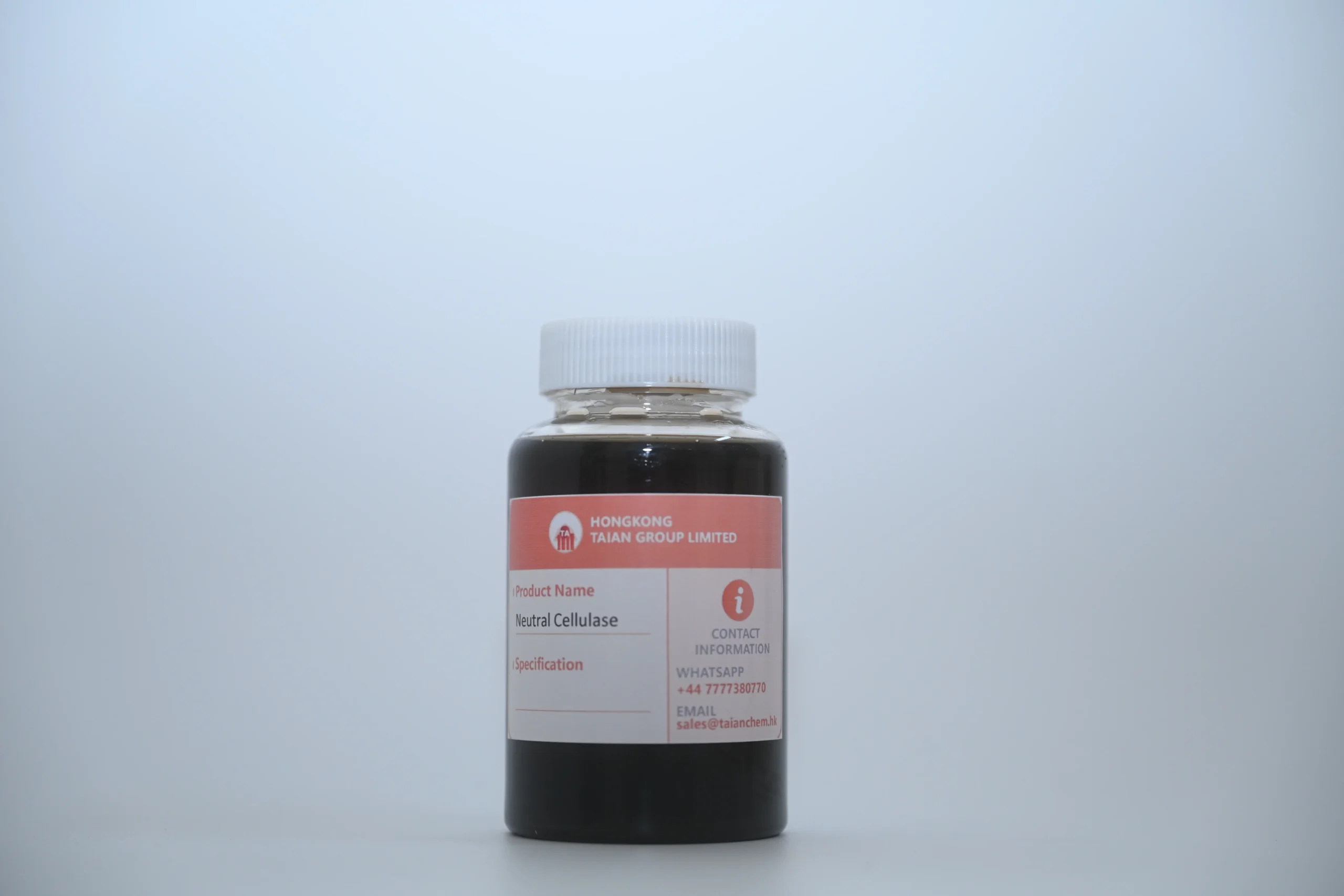
Not all stains are created equal, and therefore, not every enzyme used in washing powder performs the same task. Proteases target protein-based stains like blood or grass, while Amylases break down starches from foods like pasta or chocolate. Lipases are essential for removing oily residues and fats. Additionally, Cellulases are often added not just for cleaning, but to prevent "pilling" by removing micro-fibers from the surface of the cotton, keeping colors bright and fabrics smooth. Combining these ensures a comprehensive cleaning effect across all fabric types.
Comparing Biological vs. Non-Biological Detergents
The primary difference between biological and non-biological detergents is the presence of an enzyme used in washing powder. Biological detergents are generally more effective at removing organic stains and can operate at lower temperatures, saving energy. However, non-biological detergents are preferred for delicate fabrics like silk or wool, as the proteases in bio-detergents can potentially degrade the protein structure of these natural fibers. Below is a detailed comparison of their performance and characteristics.
Optimizing the Enzyme Used in Washing Powder for Stability
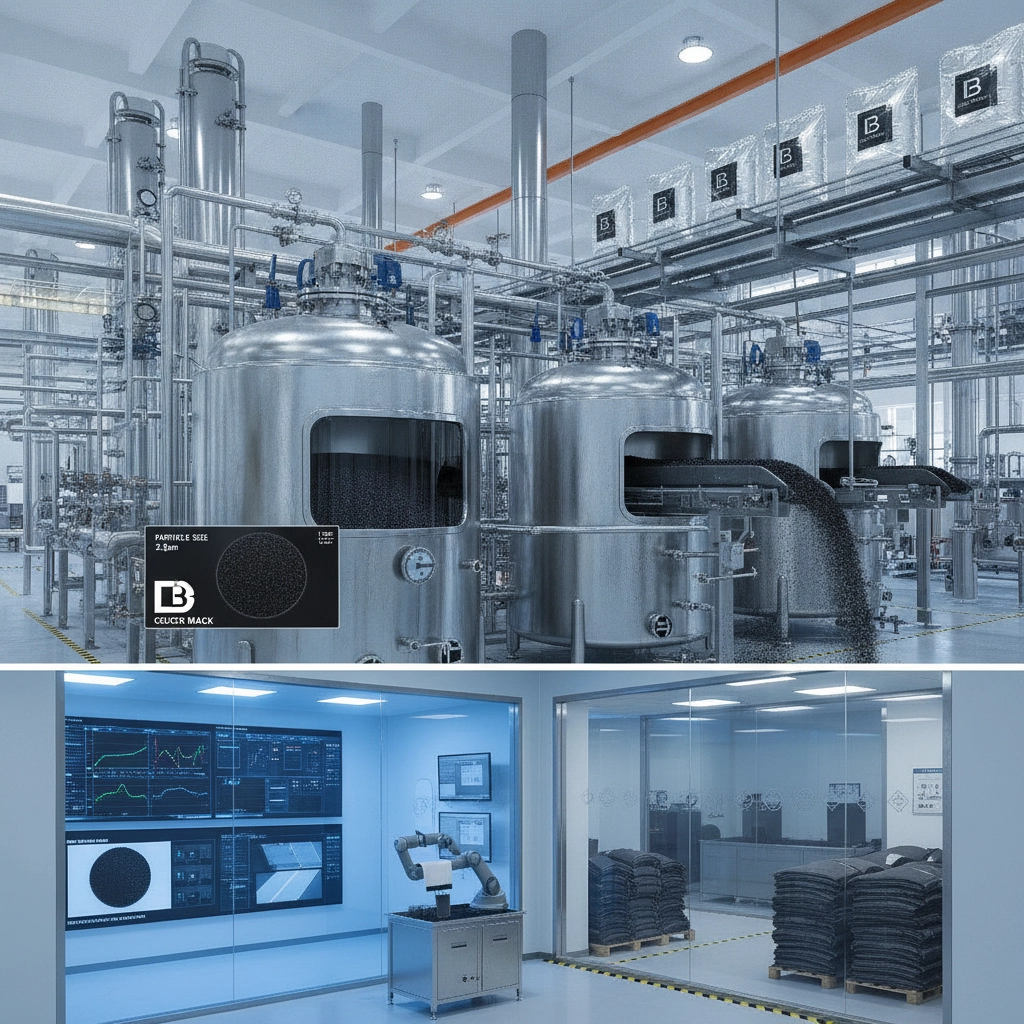
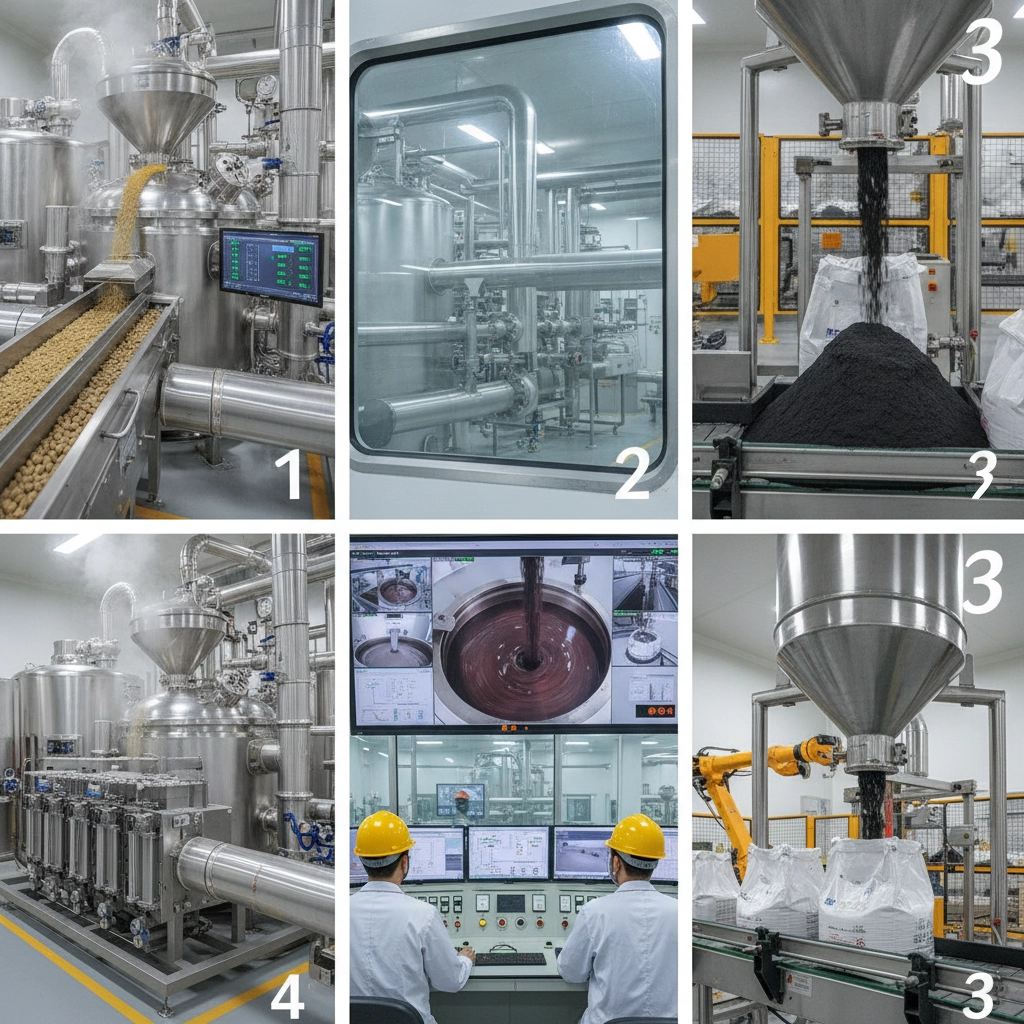
One of the biggest challenges for chemists is ensuring that the enzyme used in washing powder remains stable during storage. Enzymes are sensitive to heat and pH levels; if they degrade in the box, they won't work in the machine. To solve this, manufacturers use granulation techniques or encapsulation, where the enzyme is coated in a protective layer that only dissolves when it hits the water. This ensures a long shelf life and consistent performance for the end-user.

Product Specifications for Industrial-Grade Laundry Enzymes
For industrial detergent production, selecting the right grade of enzyme used in washing powder is critical. The activity level, pH stability range, and solubility are the primary metrics used to determine quality. High-activity enzymes allow manufacturers to use lower concentrations while achieving the same cleaning results, reducing overall costs and environmental impact. The following table outlines the typical specifications for common laundry enzyme additives.
Conclusion: The Future of Laundry with Bio-Enzymes
The integration of the right enzyme used in washing powder is no longer a luxury but a necessity for high-performance laundry care. By leveraging the power of nature, we can achieve cleaner clothes with less energy and fewer harsh chemicals. Whether you are a manufacturer looking to improve your product line or a consumer aiming for sustainable living, embracing enzyme technology is the way forward. Visit DyeingChem for professional chemical solutions and high-quality additives.
Frequently Asked Questions (FAQs)
Can I use enzyme-based detergents on wool or silk?
It is generally recommended to avoid biological detergents containing proteases on wool and silk. Because wool and silk are made of proteins (keratin and fibroin), the protease enzyme used in washing powder cannot distinguish between the stain and the fabric itself. Over time, this can lead to the degradation of the fibers, causing holes or thinning of the material. For these delicate items, a non-biological detergent or a specialized wool wash is the safest choice.
Do enzymes work better in hot or cold water?
Enzymes are designed to work at specific temperature ranges, but most modern laundry enzymes are optimized for "cool" to "warm" washes (typically between 30°C and 40°C). If the water is too cold, the enzyme activity slows down significantly. Conversely, if the water is too hot (usually above 60°C), the protein structure of the enzyme can denature, meaning it unfolds and loses its ability to function. Therefore, mid-range temperatures provide the perfect balance for maximum efficiency.
Are biological enzymes safe for sensitive skin?
For the vast majority of people, enzymes are perfectly safe. However, some individuals with extremely sensitive skin or specific allergies may experience irritation from the proteases. This is because the enzyme may interact with the proteins in the skin's surface. If you have a known allergy to biological detergents, switching to a non-bio version is recommended. Always ensure a thorough rinse cycle to remove any residual enzyme used in washing powder from the clothing.
How do enzymes contribute to environmental sustainability?
Enzymes significantly reduce the environmental footprint of laundry in two main ways. First, they allow for effective cleaning at lower temperatures, which drastically reduces the electricity consumption of washing machines. Second, because they are highly efficient, they reduce the need for harsher chemical surfactants and phosphates that can pollute waterways. Being biodegradable, the enzyme used in washing powder breaks down naturally in the environment, making it a cornerstone of "green" chemistry.