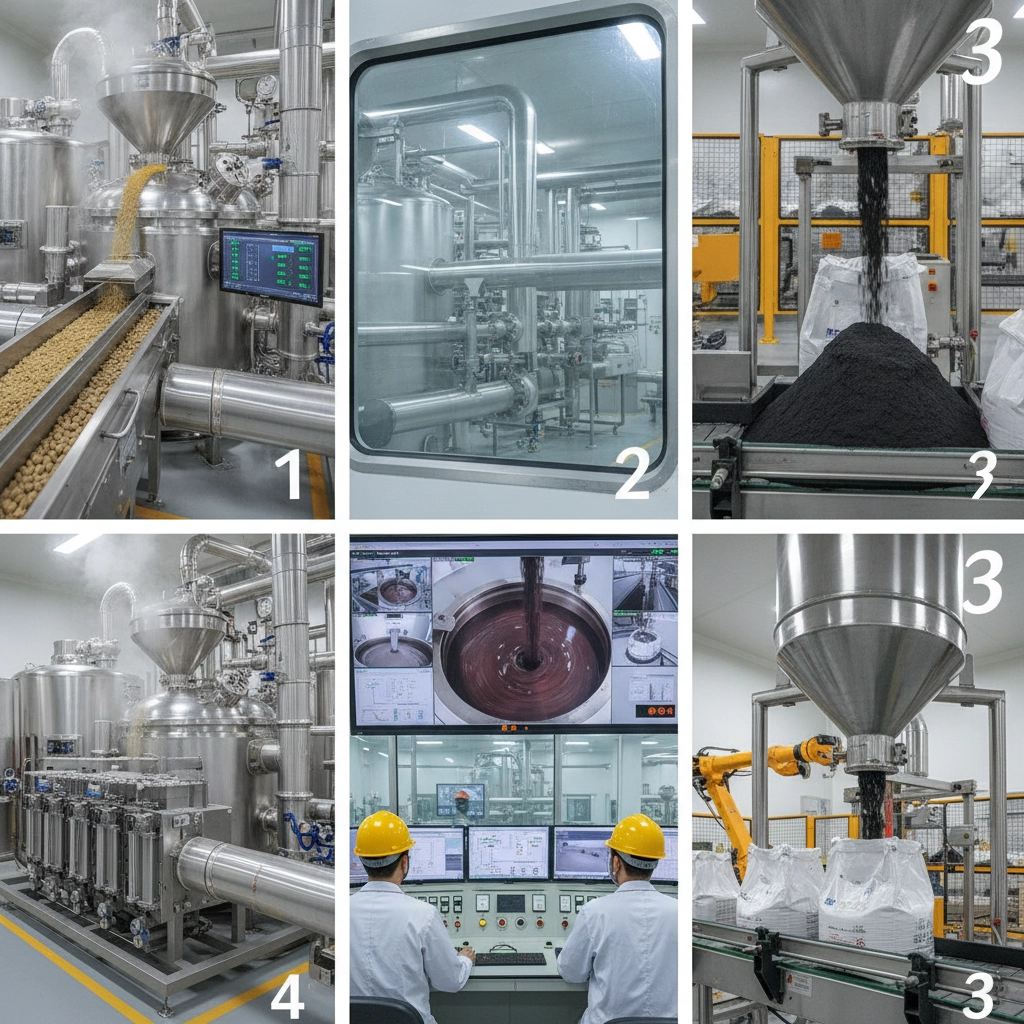
Maximizing Efficiency with enzymes used in industrial biotechnology
Maximizing Efficiency with enzymes used in industrial biotechnology
Maximizing Efficiency with Enzymes Used in Industrial Biotechnology
In the modern era of sustainable manufacturing, the role of biological catalysts has become indispensable. The strategic application of enzymes used in industrial biotechnology allows companies to transition from harsh chemical processes to "green" chemistry. These powerful proteins accelerate reactions with extreme precision, reducing energy consumption and minimizing waste. Whether in textile processing, biofuel production, or pharmaceutical synthesis, industrial enzymes provide a competitive edge by enhancing product quality while adhering to strict environmental regulations. This guide explores the diverse types of enzymes and their transformative impact on global industries.

The Versatility of Enzymes Used in Industrial Biotechnology
The scope of enzymes used in industrial biotechnology is vast, spanning multiple categories of biocatalysts. Proteases, for instance, are essential for breaking down proteins in detergents and leather processing. Amylases are widely employed to convert starch into fermentable sugars for the food and beverage industry. Meanwhile, Lipases play a critical role in the production of biodiesel and the modification of fats. The primary advantage of these enzymes is their substrate specificity, meaning they only target specific molecules, which eliminates the creation of unwanted by-products often found in traditional chemical synthesis.
Industry Insight: The shift toward enzymatic processes is driven by the need for lower operating temperatures and pressures, which directly results in significant cost savings on utility bills for large-scale factories.
Comparing Biological Catalysts vs. Chemical Catalysts
When analyzing the performance of enzymes used in industrial biotechnology against traditional inorganic catalysts, the differences in efficiency and environmental impact are stark. While chemical catalysts often require high heat and toxic solvents, enzymes operate under mild conditions. This not only protects the integrity of delicate raw materials but also ensures a safer working environment for employees. The following comparison highlights why the industrial sector is rapidly pivoting toward bio-based solutions.
Key Applications of Enzymes Used in Industrial Biotechnology
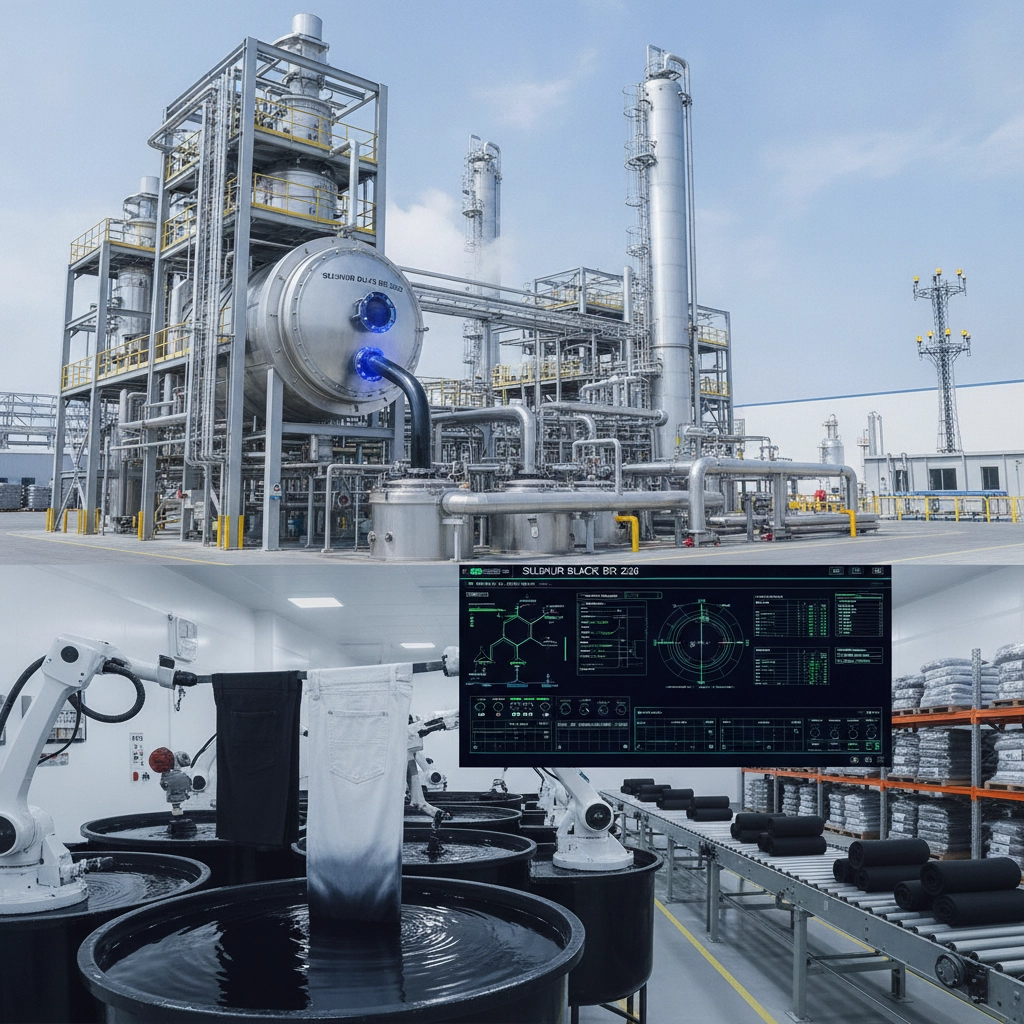
The practical application of enzymes used in industrial biotechnology is most evident in the textile and paper industries. In denim processing, for example, cellulases are used for "biostoning," replacing the need for pumice stones and reducing water pollution. In the pulp and paper sector, xylanases help in bleaching pulp, which significantly decreases the amount of chlorine required. Beyond these, enzymes are crucial in the production of high-fructose corn syrup and the synthesis of semi-synthetic antibiotics, proving that biotechnology is the backbone of modern industrial efficiency.

Challenges and Innovations in Enzyme Engineering
Despite their benefits, natural enzymes often struggle with the harsh conditions of industrial reactors, such as extreme pH levels or high temperatures. To overcome this, scientists utilize protein engineering and directed evolution to create "robust" enzymes. These modified enzymes used in industrial biotechnology are tailored to withstand industrial stress while maintaining high catalytic activity. Immobilization techniques—where enzymes are attached to a solid support—further allow for the recovery and reuse of the catalyst, drastically reducing the cost per unit of product produced.
Technical Specifications of Common Industrial Enzymes
For procurement managers and engineers, understanding the specifications of enzymes used in industrial biotechnology is essential for optimizing reaction yields. Factors such as Optimal pH, Thermal Stability, and Activity Units determine the suitability of an enzyme for a specific process. Below is a detailed specification table for the most frequently utilized enzymes in the chemical and textile sectors.
The Future of Sustainable Bio-Manufacturing
Looking ahead, the integration of enzymes used in industrial biotechnology with AI and machine learning is set to revolutionize catalyst design. We are moving toward an era of "custom-built" enzymes that can perform reactions previously thought impossible. By reducing the reliance on petroleum-based chemicals and cutting carbon emissions, enzymatic technology is not just a business choice—it is a necessity for a sustainable planet. Companies that adopt these biological tools today will lead the industrial landscape of tomorrow.
Conclusion: Embracing the Power of Biocatalysis
The implementation of enzymes used in industrial biotechnology represents a paradigm shift in how we approach production. From unmatched specificity and energy efficiency to the reduction of toxic waste, the benefits are undeniable. As the global market continues to prioritize sustainability and "green" certification, the reliance on enzymatic solutions will only grow. Investing in high-quality biological catalysts is the most effective way to optimize operational costs while safeguarding the environment.
Frequently Asked Questions (FAQs)
Why are enzymes preferred over chemical catalysts in the textile industry?
Enzymes are preferred because they are biodegradable and operate under much milder conditions. In the textile industry, traditional chemical processes often require extreme pH levels and high temperatures, which can damage the fabric fibers and create toxic wastewater. Using enzymes used in industrial biotechnology allows for targeted action—such as removing sizing agents or creating stone-washed effects—without compromising the strength of the textile or harming the environment. This results in a more sustainable production cycle and higher quality finished goods.
Can industrial enzymes be reused multiple times?
Yes, through a process known as immobilization. In their free form, enzymes are often lost during the product recovery phase. However, by immobilizing the enzyme on a solid support (such as an ion-exchange resin or a ceramic membrane), the biocatalyst remains fixed in the reactor while the substrate flows through it. This allows the manufacturer to reuse the same batch of enzymes for many cycles, significantly lowering the cost of production. This is a key strategy in the large-scale production of pharmaceuticals and biofuels where enzyme costs can be a significant factor.
What factors affect the activity of enzymes used in industrial biotechnology?
The activity of industrial enzymes is primarily influenced by temperature, pH, and substrate concentration. Each enzyme has an "optimal range" where it performs most efficiently. If the temperature is too low, the reaction slows down; if it is too high, the enzyme may denature (unfold) and lose its function. Similarly, extreme pH levels can disrupt the ionic bonds of the protein structure. Maintaining these parameters through precise reactor control is essential to ensure consistent yields and prevent the waste of expensive biocatalysts.
Are enzymatic processes truly more cost-effective than chemical ones?
While the initial cost of high-purity enzymes can be higher than some bulk chemicals, the overall operational expenditure (OPEX) is usually lower. This is due to several factors: lower energy requirements for heating, reduced spending on waste treatment and neutralization, and higher product purity which reduces the need for expensive downstream purification steps. When you factor in the regulatory fines avoided by reducing pollution and the premium customers pay for "eco-friendly" products, the adoption of enzymes used in industrial biotechnology becomes a highly profitable long-term strategy.