Ultimate Guide to Buy Bio Enzyme for Industrial and Home Use
Ultimate Guide to Buy Bio Enzyme for Industrial and Home Use
The Ultimate Guide to Buy Bio Enzyme for Industrial and Home Use
In an era where sustainability is no longer optional but a necessity, shifting toward biological cleaning solutions has become a priority for many industries. When you decide to buy bio enzyme cleaners, you are investing in a powerful, eco-friendly alternative to harsh chemical solvents. Bio enzymes, or enzymatic cleaners, leverage the natural power of proteins to break down organic pollutants, oils, and stains without damaging the environment. Whether you are managing a large-scale textile facility or looking for a greener way to maintain your home, understanding the science and application of these biological catalysts is key to achieving superior results. In this guide, we will explore why these enzymes are game-changers for modern cleaning and how to choose the right product for your specific needs.

How Bio Enzymes Work to Eliminate Tough Stains
Unlike traditional detergents that rely on surfactants to "push" dirt away, bio enzymes act as biological catalysts. They target specific types of organic molecules—such as proteins, lipids, and starches—and break them down into smaller, water-soluble pieces that can be easily rinsed away. This molecular-level precision is why many professionals buy bio enzyme solutions for treating stubborn industrial greases or organic residues. Because enzymes are biodegradable, they leave no toxic residue behind, making them an ideal choice for facilities that must adhere to strict environmental regulations. The efficiency of these enzymes is highly dependent on the temperature and pH levels of the environment, which is why selecting a professional-grade formula is essential for consistent performance.
Pro Tip: To maximize the effectiveness of your bio enzyme cleaner, ensure the surface is not excessively hot, as extreme heat can denature the protein structure of the enzyme, rendering it inactive.
Why You Should Buy Bio Enzyme Instead of Chemical Solvents
The decision to move away from caustic chemicals is often driven by both health and environmental concerns. Traditional solvents can release Volatile Organic Compounds (VOCs) into the air, posing risks to workers and contributing to smog. In contrast, when you buy bio enzyme products, you are opting for a non-corrosive solution that is safe for most surfaces and skin. Furthermore, enzymes continue to work long after the initial application; they "eat" the organic matter deep within porous surfaces, preventing odors from returning. This long-term efficacy provides a better return on investment compared to surface-level chemical cleaning.
Industrial Applications: Where to Buy Bio Enzyme Solutions
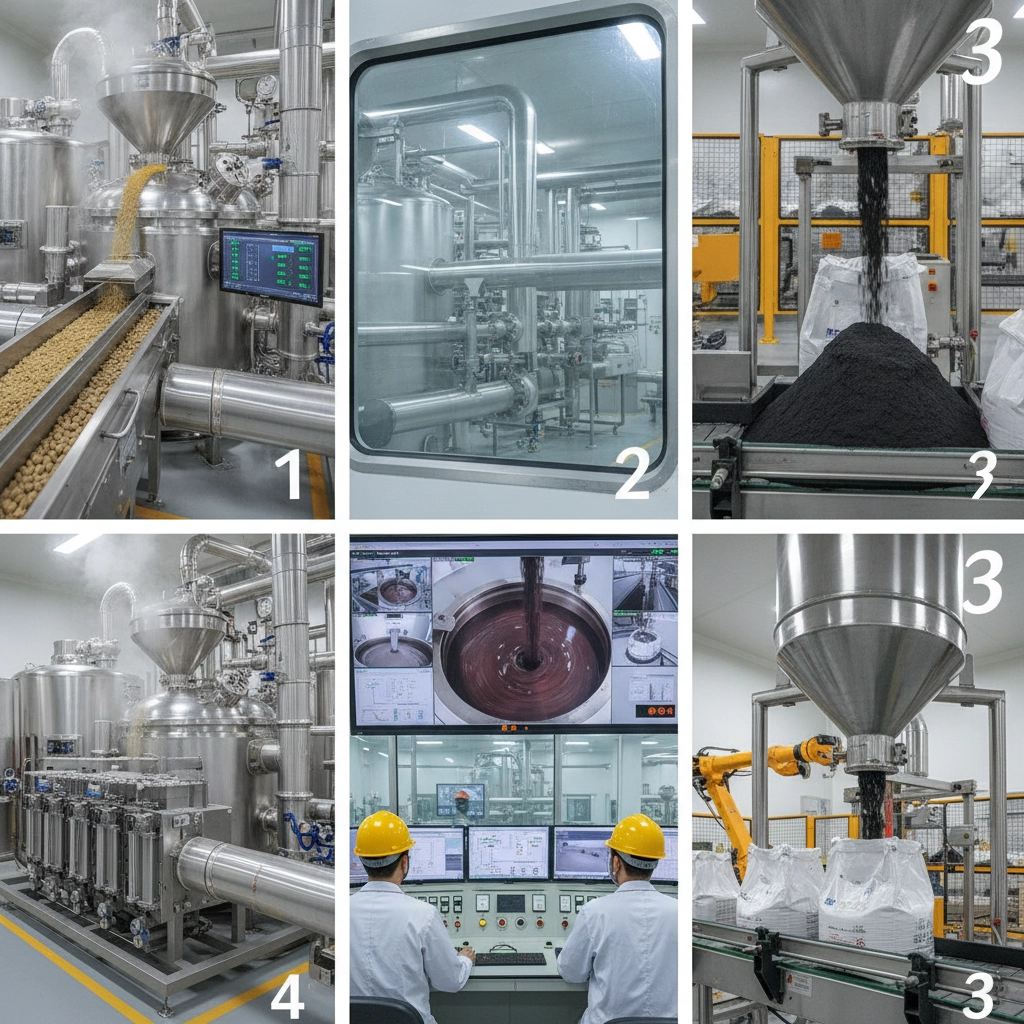
The application of enzymatic technology extends far beyond simple household cleaning. In the textile and dyeing industries, specialized enzymes are used for "biopolishing" and "biostoning," which refine the fabric surface and create a soft feel without the need for abrasive pumice stones. When companies buy bio enzyme concentrates for industrial use, they can significantly reduce their water consumption and wastewater toxicity. Other key sectors include food processing plants, where enzymes break down fats and proteins on machinery, and wastewater treatment plants, where they accelerate the decomposition of organic sludge. Integrating these biological agents into your SOPs ensures a cleaner facility and a smaller carbon footprint.

Key Specifications to Consider When You Buy Bio Enzyme
Not all bio enzymes are created equal. Depending on the target pollutant, you will need a specific type of enzyme. For example, proteases target protein-based stains (blood, grass), while lipases are essential for fats and oils. To ensure you get the best performance, you should review the technical specifications before you buy bio enzyme products. Below is a typical specification table for a multi-purpose industrial bio enzyme concentrate:
Best Practices for Using Bio Enzyme Cleaners
To get the most value when you buy bio enzyme products, proper application is critical. First, always clear away loose debris from the surface. Second, apply the solution and allow it to "dwell." Unlike chemicals that work instantly, enzymes need time to biologically digest the stains. For heavy industrial grease, leaving the solution to sit for 30 to 60 minutes can drastically improve results. Finally, avoid mixing bio enzymes with bleach or strong acids, as these substances will kill the living enzymes and render the product useless. By following these simple steps, you ensure the biological catalysts can perform their job at peak efficiency.
Storing and Managing Your Bio Enzyme Inventory
Because bio enzymes are proteins, they are sensitive to environmental conditions. To maintain the shelf life of your product after you buy bio enzyme concentrates, store them in a cool, dry place away from direct sunlight. Extreme heat can cause the enzymes to break down over time, reducing their activity levels. It is also recommended to keep containers tightly sealed to prevent contamination. For large-scale operations, implementing a "First-In, First-Out" (FIFO) inventory system ensures that you are always using the freshest batches, guaranteeing that your cleaning protocols remain effective and efficient.
Conclusion: Transitioning to a Greener Future
Choosing to buy bio enzyme cleaners is more than just a purchase—it is a commitment to environmental stewardship and operational safety. By leveraging the power of nature, industries can achieve professional-grade cleanliness without the hazardous side effects of traditional chemistry. From reducing wastewater toxicity to improving workplace health, the benefits are clear. Embrace the biological revolution and upgrade your cleaning standards today for a cleaner, safer, and more sustainable tomorrow.
Frequently Asked Questions (FAQs)
Are bio enzyme cleaners safe for all surface types?
Generally, bio enzyme cleaners are much safer than chemical solvents because they are non-corrosive. They are excellent for concrete, stainless steel, plastics, and most fabrics. However, it is always recommended to perform a small patch test on highly sensitive or porous materials, such as untreated marble or certain antique woods, to ensure there is no unforeseen reaction. Because they target organic matter specifically, they typically do not harm the inorganic structure of the surfaces they clean.
How long does it take for bio enzymes to work?
Unlike chemical cleaners that provide an instant (though often superficial) result, bio enzymes require a "dwell time." For light cleaning, 10 to 15 minutes may suffice. For deep-set industrial grease or organic odors, allowing the product to sit for 30 to 60 minutes is ideal. This allows the enzymes to fully penetrate the surface and catalyze the breakdown of the organic molecules. In some heavy-duty cases, the product can be left overnight for maximum efficacy.
Can I mix bio enzymes with other cleaning agents?
It is strongly advised NOT to mix bio enzyme cleaners with bleach, ammonia, or strong acidic descalers. Enzymes are proteins, and harsh chemicals like bleach are designed to destroy proteins. Mixing them will denature the enzyme, effectively "killing" the active biological component and rendering the solution useless. For the best results, use the bio enzyme cleaner as a standalone product or follow a specific sequence recommended by the manufacturer on the DyeingChem website.
Do bio enzymes help with odor removal?
Yes, bio enzymes are exceptionally effective at odor removal. Traditional air fresheners simply mask smells with fragrance, but enzymes address the root cause. Odors are usually caused by bacteria feeding on organic matter. Bio enzymes break down that organic matter (the food source for the bacteria), which eliminates the odor permanently. This makes them the gold standard for cleaning drains, carpets, and industrial waste areas where organic decomposition is present.