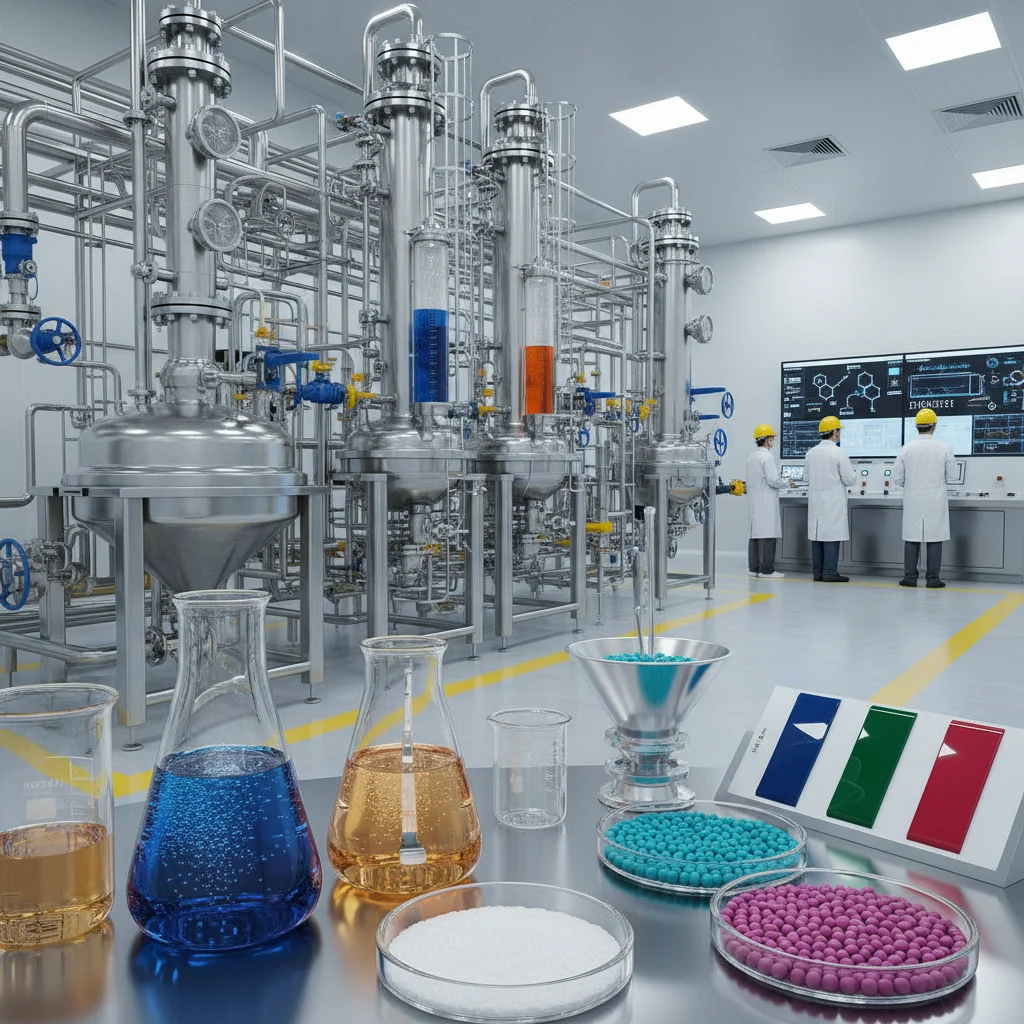
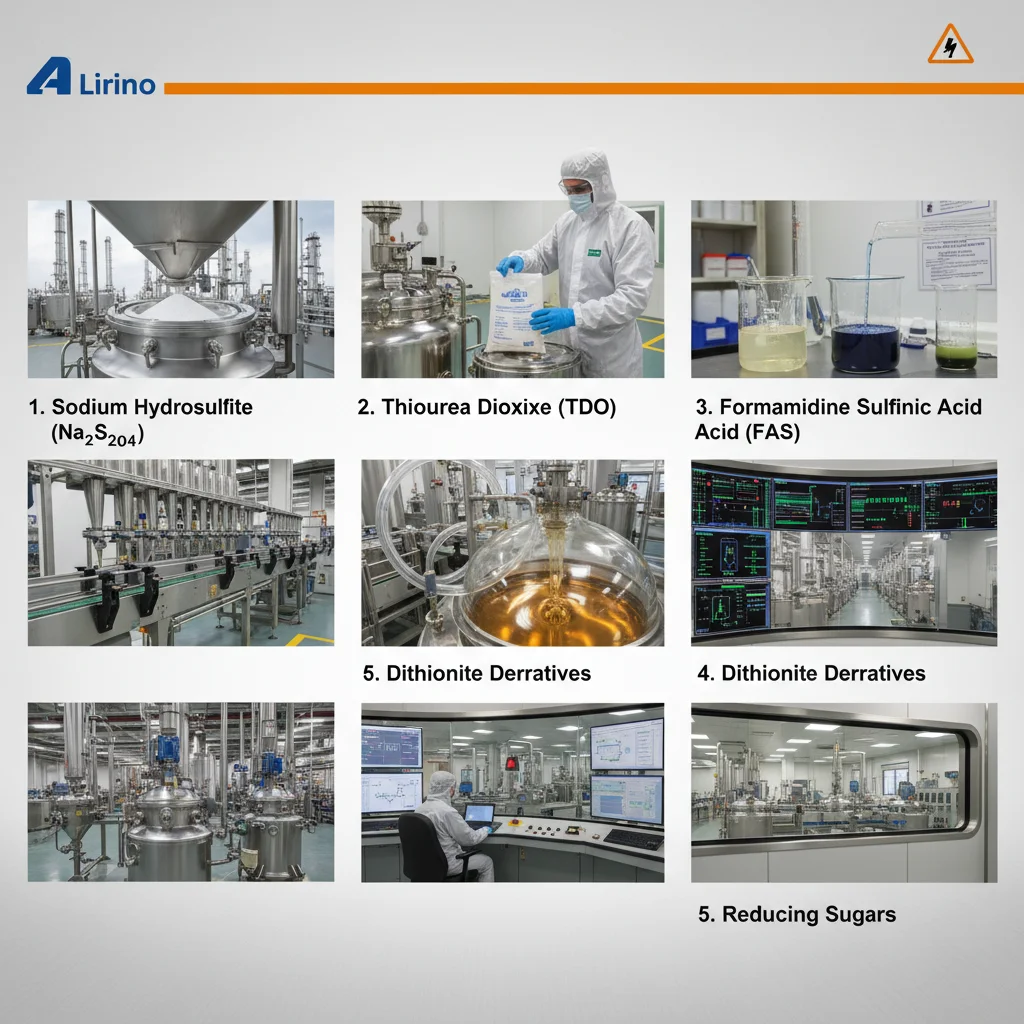
In the high-stakes world of textile finishing, understanding the chemical dynamics of color removal is essential for achieving the perfect vintage look. Many professionals often ask, what is a strong reducing agent when trying to determine the most effective way to strip dyes or create high-contrast fading in denim. While the industry utilizes various chemical pathways, the goal remains the same: to precisely control the molecular breakdown of dyestuffs to meet evolving fashion trends.
The quest for authentic fading and a "lived-in" feel has pushed manufacturers to move beyond simple washing. By integrating advanced bleaching and stone washing agents, the industry can simulate years of wear in a matter of hours. This process requires a deep understanding of how agents interact with cellulose fibers, ensuring that the visual transition from dark to light is smooth and the fabric's structural integrity is maintained.
Globally, the demand for premium denim and garment-dyed cotton has transformed the way we view textile auxiliaries. No longer just "chemicals," these agents are precision tools that allow designers to sculpt the aesthetic of a garment. From subtle soft washes to dramatic, high-contrast vintage finishes, the synergy between color-reducing components and mechanical abrasion defines the quality of modern apparel.

The Role of Color-Reducing Agents in Denim Finishing
In the context of textile manufacturing, the primary function of a bleaching agent is to act as the core color-reducing component. By selectively removing dyestuffs from targeted areas of the fabric, these agents allow manufacturers to create washed-out tones and highlight zones. For those wondering what is a strong reducing agent in a commercial sense, it is a formulation capable of breaking down color bonds at a molecular level without causing excessive damage to the cellulose fibers.
This ability to reduce color is fundamental for brands seeking distinctive fading patterns and premium surface aesthetics. When these agents are applied correctly, they produce a spectrum of light, medium, or extreme fading effects that replicate the naturally aged appearance of vintage garments, all while maintaining the strength and quality of the textile.
Precision Control for Uniform Fading Effects
A critical advantage of utilizing modern, carefully formulated bleaching agents is the ability to achieve predictable and uniform results. Unlike crude methods that can leave uneven splotches or harsh patches, industrial-grade agents ensure a smooth transition from darker to lighter areas. This precision is indispensable for denim, where consistent aesthetics across thousands of units are a requirement for quality control.
The process targets dyes at the molecular level, which minimizes the risk of fiber brittleness or yellowing—common problems associated with harsher, uncontrolled oxidizing treatments. By fine-tuning parameters such as concentration, temperature, and processing time, technicians can achieve anything from a gentle washed-blue tone to a near-white bleach finish.
This level of control extends beyond denim to other cellulose-rich materials, including cotton twill, heavy canvas, and garment-dyed cotton. The result is a refined color transition that enhances the garment's visual value while ensuring the fabric remains durable and safe for the end consumer.
Achieving Authentic Vintage Textures via Stone Washing
While bleaching handles the color, stone washing agents focus on the physical and chemical abrasion of the fabric. These agents are engineered to replicate the tactile and visual effects of traditional pumice stones, but they do so with far greater precision and significantly less fabric damage.
When operators ask what is a strong reducing agent in the context of texture, they are often looking for the chemical synergy that allows abrasion to enhance the penetration of bleaching in exposed areas. This creates the characteristic high-low contrast seen on seams, hems, and pockets.
By softening the outer layer of cotton fibers, these agents create subtle irregularities and broken surface textures that are hallmarks of authentic vintage denim. This controlled action avoids the operational challenges of natural stones, such as sludge buildup and machinery clogging, leading to a cleaner and more professional production environment.
Enhancing Fabric Softness and Tactile Quality
Beyond the visual impact, the combination of bleaching and stone washing agents dramatically improves the "hand feel" of the garment. Stone washing agents help relax the fibers and break down the inherent stiffness of rigid denim or heavy cotton twill, resulting in a smooth, breathable, and lived-in feel that consumers expect from premium brands.
This softening effect ensures that the garment drapes more naturally on the body, improving both fit and wearability. Instead of requiring the consumer to wash the garment multiple times to "break it in," the industrial process delivers a comfortable, high-quality finish immediately upon purchase.
Performance Impact of Reducing and Softening Agents
Versatility Across Diverse Wash Styles
One of the most powerful aspects of the Bleaching Agent and Stone Washing Agent system is its extreme flexibility. Because these products can be adjusted independently, wash technicians have the creative freedom to design signature finishes. Whether it is a light stone wash for subtle fading or a high-contrast snow wash, the system adapts to the designer's vision.
This versatility supports a wide array of styles, including enzyme-bleach washes for clean aging and distressed washes for a more rugged, industrial texture. By modifying dosage, bath ratios, and agitation intensity, manufacturers can quickly pivot their production to align with seasonal trends or specific brand identities.
Operational Efficiency and Industrial Sustainability
Modern auxiliaries are not just about aesthetics; they are about improving the bottom line. By replacing traditional pumice stones with advanced Stone Washing Agents, factories significantly reduce equipment wear and tear. This eliminates the common problem of drainage blockages and extends the lifespan of expensive industrial washing machinery.
From a sustainability perspective, the reduction of stone waste and the use of stable, controlled bleaching processes help manufacturers align with cleaner production standards. High-performance agents minimize the need for rework, reducing the amount of water and energy consumed per garment produced.
Furthermore, the predictability of these chemicals leads to lower defect rates. When the results are consistent, the cost of waste is minimized, making the entire production cycle more cost-effective and environmentally considerate.
Synergistic Impact of Dual-Action Treatments
The true magic happens when bleaching and stone washing agents work in tandem. While the bleaching agent handles the chemical reduction of color, the stone washing agent prepares the surface. This dual-action approach ensures that the color reduction is not just a flat surface change but a three-dimensional effect that highlights the architecture of the garment.
For those exploring what is a strong reducing agent system, the answer lies in this synergy. The mechanical abrasion increases the surface area and opens the fibers, allowing the bleaching agent to penetrate more effectively in high-friction zones, which results in the deep, authentic contrast that defines premium vintage denim.
Ultimately, this combined system provides a comprehensive solution for fashion manufacturers. It balances the need for dramatic visual impact with the necessity of fabric strength, providing a high-value finish that meets the rigorous standards of the global apparel market.
Comparison of Dual-Action Treatment Outcomes
| Wash Style |
Primary Agent Focus |
Visual Effect |
Fabric Hand-Feel |
| Light Stone Wash |
Low Bleach / Med Stone |
Subtle, Natural Fading |
Soft & Breathable |
| Snow Wash |
High Bleach / High Stone |
High Contrast White Patterns |
Textured & Rugged |
| Enzyme-Bleach |
Balanced Bio-Reduction |
Clean, Smooth Aging |
Very Smooth / Silk-like |
| Distressed Wash |
Extreme Abrasion Focus |
Rugged, Torn Aesthetics |
Coarse but Flexible |
| Vintage Acid Wash |
Selective Bleaching |
Retro Marbled Effect |
Dense & Substantial |
| Soft-Blue Fade |
Mild Bleach / Mild Stone |
Gentle Casual Tone |
Lived-in Comfort |
FAQS
In denim finishing, a strong reducing agent refers to a chemical formulation, such as a high-performance bleaching agent, capable of effectively breaking the molecular bonds of dyestuffs. This allows for the removal of color from the fabric to create specific fading patterns, ranging from subtle highlights to extreme white washes, without compromising the structural integrity of the cotton fibers.
Stone washing agents use a combination of mechanical and mild chemical abrasion to mimic the effect of pumice stones. Unlike actual stones, these agents do not create sludge, do not clog drainage systems, and cause significantly less accidental damage to the garment, providing a more controlled and sustainable industrial process.
Yes, the system is highly versatile. These agents are effective on a variety of cellulose-rich materials, including cotton twill, heavy canvas, and garment-dyed cotton. They are widely used in streetwear and casual fashion to achieve vintage aesthetics across different silhouettes and fabric weights.
Poorly formulated or overly harsh bleaching agents can cause brittleness. However, modern high-quality agents are designed to target the dye molecules specifically, minimizing the impact on the cellulose chain. When used with the correct concentration and temperature, they maintain the fabric's strength and flexibility.
High-low contrast is achieved through the synergy of stone washing and bleaching. The stone washing agent creates surface abrasion on seams and edges; these "opened" areas then allow the bleaching agent to penetrate more deeply, creating a stark contrast between the faded highlights and the protected darker zones.
Modern auxiliaries are designed for efficiency and sustainability. By reducing the need for natural stones (and the resulting waste) and improving the predictability of the wash (reducing rework and water waste), these agents help manufacturers meet cleaner production standards compared to traditional methods.
Conclusion
The integration of high-performance bleaching agents and stone washing agents has revolutionized the way the textile industry approaches vintage aesthetics. By combining molecular color reduction with controlled mechanical abrasion, manufacturers can now produce garments that exhibit authentic fading, superior softness, and high visual contrast. This dual-action system not only meets the creative demands of modern fashion brands but also enhances operational efficiency by reducing machinery wear and environmental impact.
Looking forward, the move toward sustainable chemistry will continue to drive the evolution of these auxiliaries. For manufacturers aiming to balance premium quality with ecological responsibility, adopting precision-engineered agents is the most viable path. We encourage you to explore how these advanced solutions can elevate your production standards and design possibilities. Visit our website: www.dyeingchem.com