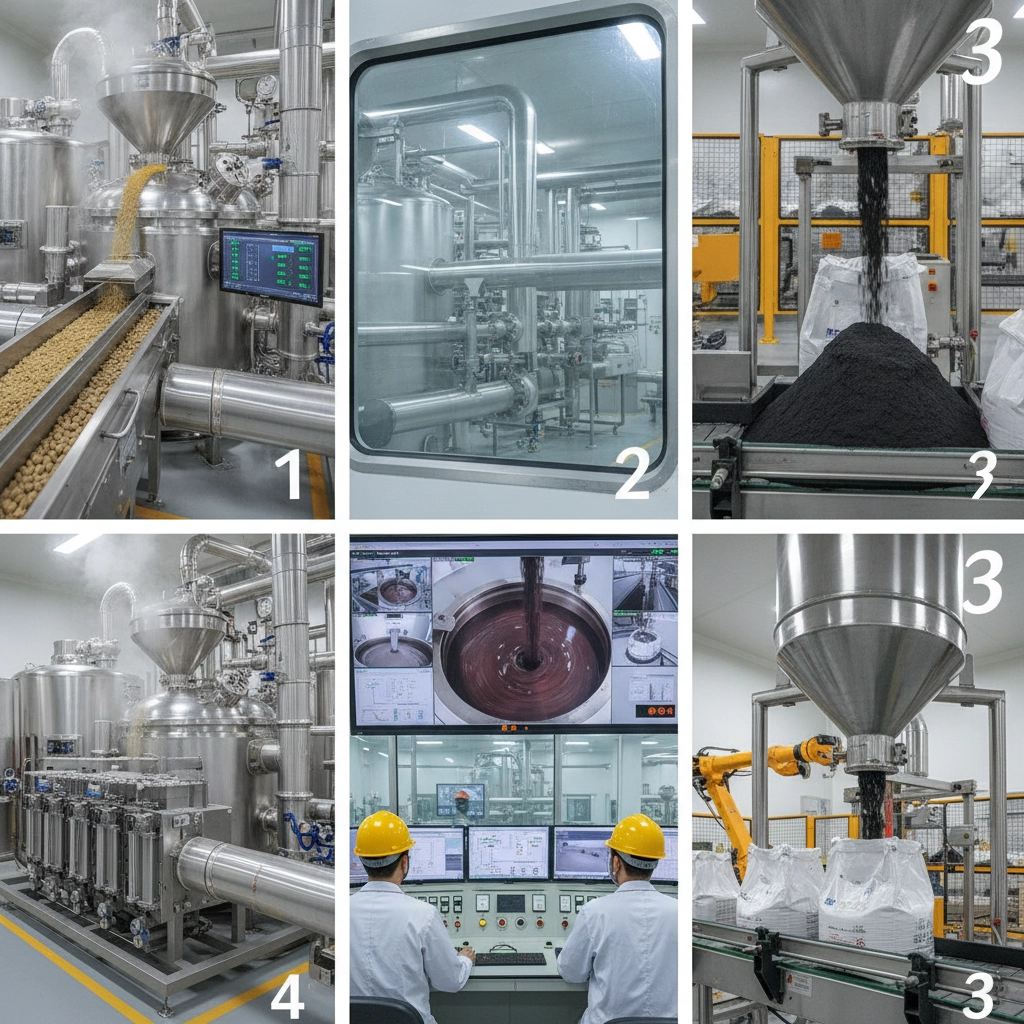
How Enzymes and Industry Drive Sustainable Innovation Today
How Enzymes and Industry Drive Sustainable Innovation Today
The Role of Enzymes and Industry: Driving Sustainable Innovation
In the modern era of manufacturing, the intersection of enzymes and industry has sparked a revolution in how we produce textiles, chemicals, and consumer goods. Enzymes, acting as biological catalysts, allow industrial processes to occur at lower temperatures and with fewer harsh chemicals, significantly reducing the environmental footprint. As global regulations push for "green chemistry," industries are shifting away from traditional caustic methods toward enzymatic solutions. This transition not only improves operational efficiency but also enhances the quality of the final product. In this guide, we will explore how these biological powerhouses are transforming various industrial sectors.

Biocatalysis: The Core of Modern Industrial Application
At its heart, the application of enzymes and industry relies on the principle of biocatalysis. Unlike traditional chemical catalysts, enzymes are highly specific, meaning they only act on a particular substrate. This precision eliminates unwanted side reactions, leading to higher purity in chemical synthesis. For instance, in the pharmaceutical industry, enzymes are used to synthesize complex drug molecules with exact chirality, which is often impossible with standard synthetic chemistry. This specificity reduces waste and lowers the energy required for purification processes, making the entire production cycle more sustainable and cost-effective.
Industry Insight: Biocatalysts can operate under mild conditions (neutral pH and low temperatures), which prevents the degradation of heat-sensitive materials during industrial processing.
Transforming Textiles through Enzymes and Industry
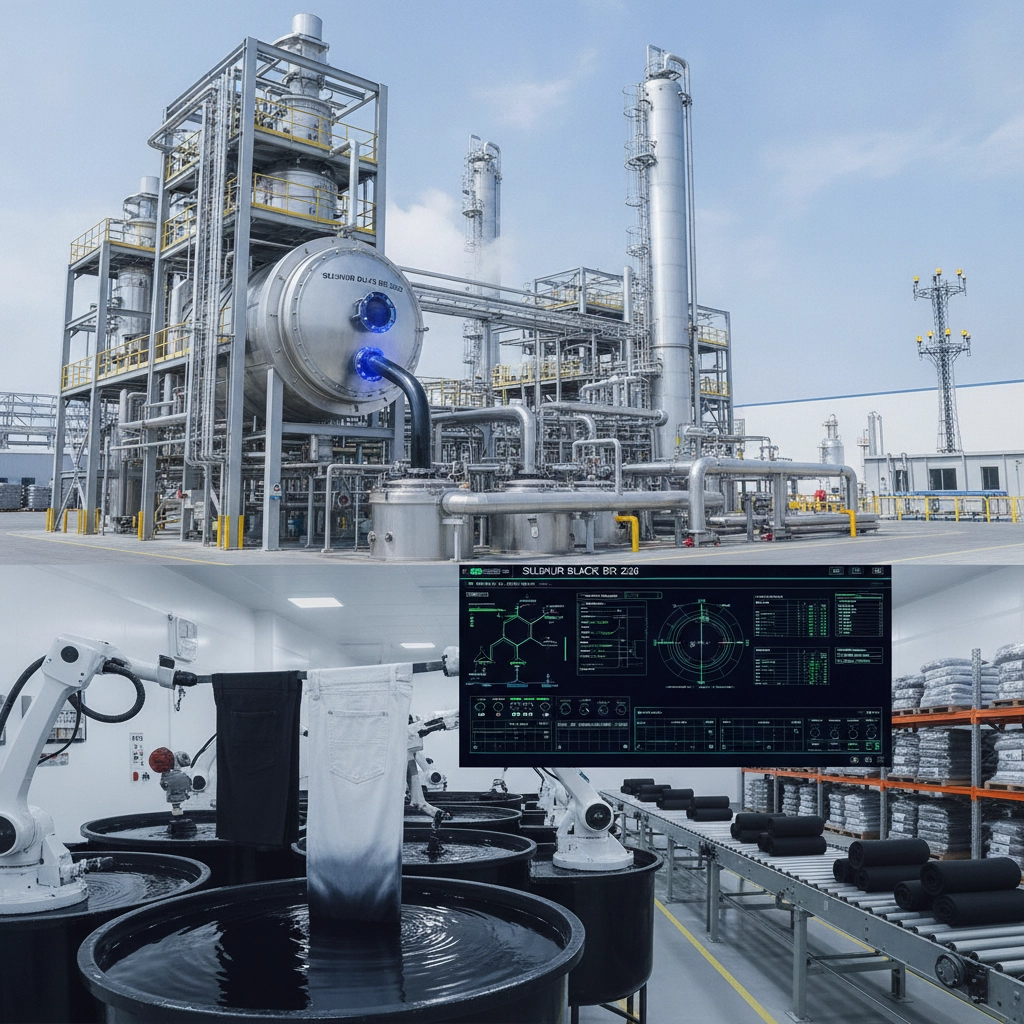
The textile sector has perhaps seen the most dramatic shift through the integration of enzymes and industry. Traditional fabric processing often involves aggressive bleaching and scouring with strong alkalis. However, enzymatic scouring uses pectinases to remove impurities without damaging the cellulose fibers. Furthermore, the "stone-washing" look of denim, once achieved by using actual pumice stones, is now frequently performed using cellulase enzymes. This enzymatic approach provides a more uniform finish and drastically reduces the amount of sludge and wastewater generated by the mills.
The Environmental Impact of Enzymes and Industry Integration
One of the most compelling arguments for the synergy between enzymes and industry is the drastic reduction in pollution. Traditional industrial catalysts often rely on heavy metals like nickel or palladium, which can be toxic and difficult to recover from waste streams. Enzymes, being proteins, are completely biodegradable. Furthermore, because they operate at lower temperatures, they significantly lower the carbon emissions associated with industrial heating. By replacing harsh acids and bases with enzymes, companies can reduce their Biological Oxygen Demand (BOD) and Chemical Oxygen Demand (COD) in wastewater, simplifying the treatment process and ensuring compliance with environmental laws.

Economic Advantages: Efficiency and Cost Reduction
While the initial cost of specialized enzymes can be higher than basic chemicals, the long-term economic benefits of enzymes and industry partnerships are undeniable. Reduced energy consumption is the primary driver of cost savings. For example, a process that previously required heating a vat to 90°C might now function perfectly at 40°C. Additionally, enzymes often increase the yield of the desired product by reducing side-product formation. This means less raw material is wasted and less time is spent on downstream processing. When factored into the total cost of ownership, enzymatic processes often prove more profitable than their traditional counterparts.
Future Trends in Enzymes and Industry Optimization
The future of enzymes and industry lies in protein engineering and synthetic biology. Scientists are now creating "extremozymes"—enzymes designed to work in extreme heat, cold, or acidity—expanding the range of industrial applications. Immobilization technology is another breakthrough, allowing enzymes to be fixed onto a solid support so they can be reused multiple times, further slashing costs. As AI-driven protein folding (like AlphaFold) accelerates the discovery of new catalysts, we can expect a surge in specialized enzymes that can degrade plastics or capture carbon more efficiently than any current method.
Conclusion: Embracing the Enzymatic Future
The integration of enzymes and industry represents a pivotal shift toward a circular economy. By leveraging the power of nature's catalysts, manufacturers can achieve higher precision, lower energy costs, and a significantly reduced environmental impact. Whether it is the creation of eco-friendly denim or the synthesis of life-saving medicines, enzymatic solutions provide a roadmap for a sustainable industrial future. Investing in these biological technologies is no longer just an ethical choice, but a strategic business imperative for any forward-thinking company.
Frequently Asked Questions (FAQs)
Are industrial enzymes safe for the environment?
Yes, industrial enzymes are generally considered very safe and environmentally friendly. Unlike inorganic catalysts that may contain heavy metals, enzymes are proteins and are fully biodegradable. They allow industrial processes to operate at lower temperatures and neutral pH levels, which reduces the amount of hazardous waste and toxic runoff entered into water systems. By replacing corrosive acids and strong alkalis, they help industries meet stringent environmental standards and move toward a "green chemistry" model.
How do enzymes reduce costs in the textile industry?
Enzymes reduce costs primarily through energy savings and process optimization. For instance, enzymatic desizing and scouring occur at much lower temperatures than chemical hydrolysis, leading to a significant drop in heating costs. Additionally, enzymes increase the specificity of the reaction, which means fewer raw materials are wasted and there is a reduced need for expensive wastewater treatment processes. The reduction in water usage and chemical disposal fees further contributes to the overall cost-efficiency of the production line.
What is the difference between a chemical catalyst and an enzyme?
The main difference lies in specificity and operating conditions. Chemical catalysts are often broad-spectrum and may require extreme heat or pressure to be effective, often producing various side-products. Enzymes are highly specific biocatalysts, meaning they only bind to one specific molecule (the substrate), resulting in a very pure product. Furthermore, enzymes typically function at ambient temperatures and physiological pH, whereas chemical catalysts often require harsh environments. This makes the synergy of enzymes and industry much more sustainable.
Can enzymes be reused in industrial processes?
Traditionally, enzymes were used in "batch" processes and lost after one use. However, modern industry now employs "enzyme immobilization." This involves attaching the enzyme to an inert, insoluble material (like a polymer bead or ceramic support). This allows the enzyme to be easily recovered from the reaction mixture and reused for multiple cycles. Immobilization not only makes the process more economical but also increases the stability of the enzyme against temperature and pH fluctuations, making them more robust for heavy industrial use.