Sustainable Production of Industrial Enzymes from Plants Guide
Sustainable Production of Industrial Enzymes from Plants Guide
Production of Industrial Enzymes from Plants: A Sustainable Frontier
The global shift toward green chemistry has placed a significant spotlight on the production of industrial enzymes from plants. Unlike traditional microbial fermentation, plant-based enzyme extraction leverages the natural biological machinery of flora to create catalysts that are essential for textiles, biofuels, and pharmaceuticals. By utilizing botanical sources, industries can reduce their carbon footprint while maintaining high catalytic efficiency. This transition not only promotes environmental sustainability but also opens new avenues for bio-based innovation in chemical processing. In this guide, we will explore the technical mechanisms, advantages, and industrial applications of plant-derived enzymes.

The Biological Basis of Plant-Derived Enzymes
Plants are natural chemical factories, producing a vast array of enzymes to facilitate growth, defense, and metabolism. The production of industrial enzymes from plants focuses on identifying specific proteins—such as cellulases, pectinases, and proteases—that can be scaled for commercial use. These enzymes are typically sequestered in vacuoles or chloroplasts, requiring precise extraction methods to maintain their tertiary structure and activity. Understanding the plant's genetic blueprint allows scientists to optimize the yield of these biocatalysts through selective breeding or metabolic engineering.
Industry Insight: Plant-based enzymes often exhibit unique stability profiles, particularly in pH-sensitive environments, making them superior to animal-derived alternatives in specific industrial dyeing and finishing processes.
Advanced Extraction Processes for Industrial Enzymes
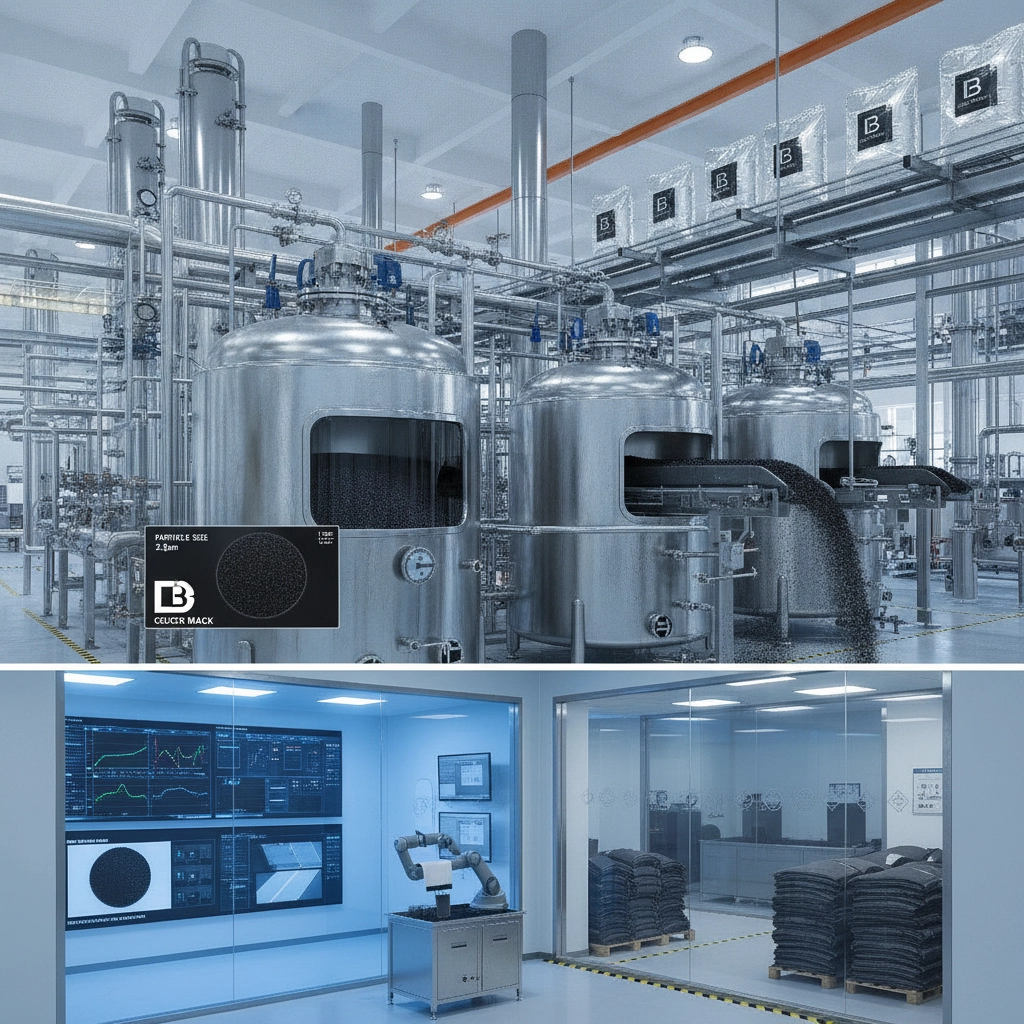
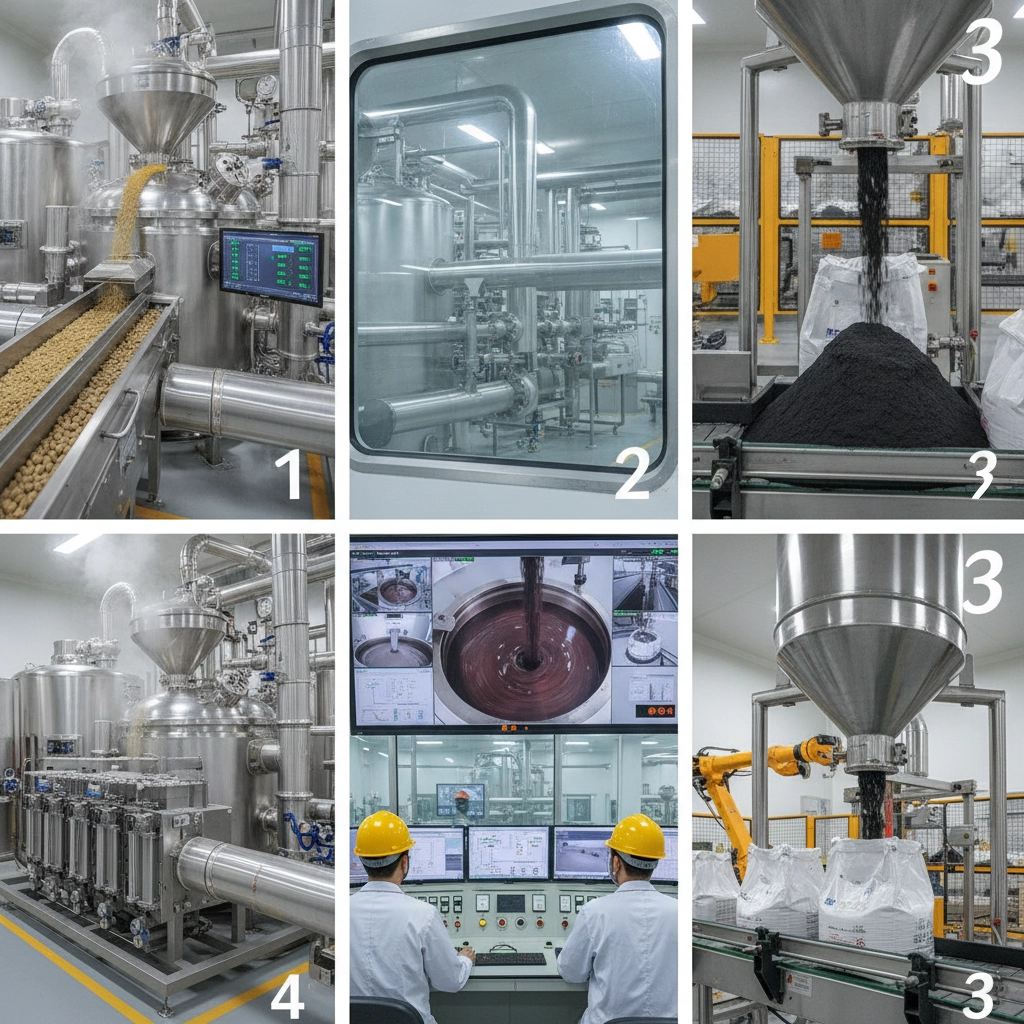
Extracting enzymes from plant tissues is a complex process that involves cell wall disruption and protein purification. The modern production of industrial enzymes from plants typically employs a series of steps: homogenization, centrifugation, and ultrafiltration. To prevent denaturation, these processes are conducted at controlled temperatures. The use of aqueous two-phase systems (ATPS) has emerged as a highly efficient method for purifying enzymes while preserving their biological activity, ensuring that the final product meets stringent industrial purity standards.

Comparing Plant Enzymes vs. Microbial Enzymes
While microbial fermentation is the current industry standard, the production of industrial enzymes from plants offers distinct advantages in terms of "natural" labeling and specific substrate affinity. Plant enzymes are often more biocompatible and can be sourced from agricultural waste, contributing to a circular economy. However, microbial systems usually offer faster production cycles. The choice between the two depends on the required purity, the scale of production, and the specific application in the chemical supply chain.
Industrial Applications of the Production of Industrial Enzymes from Plants
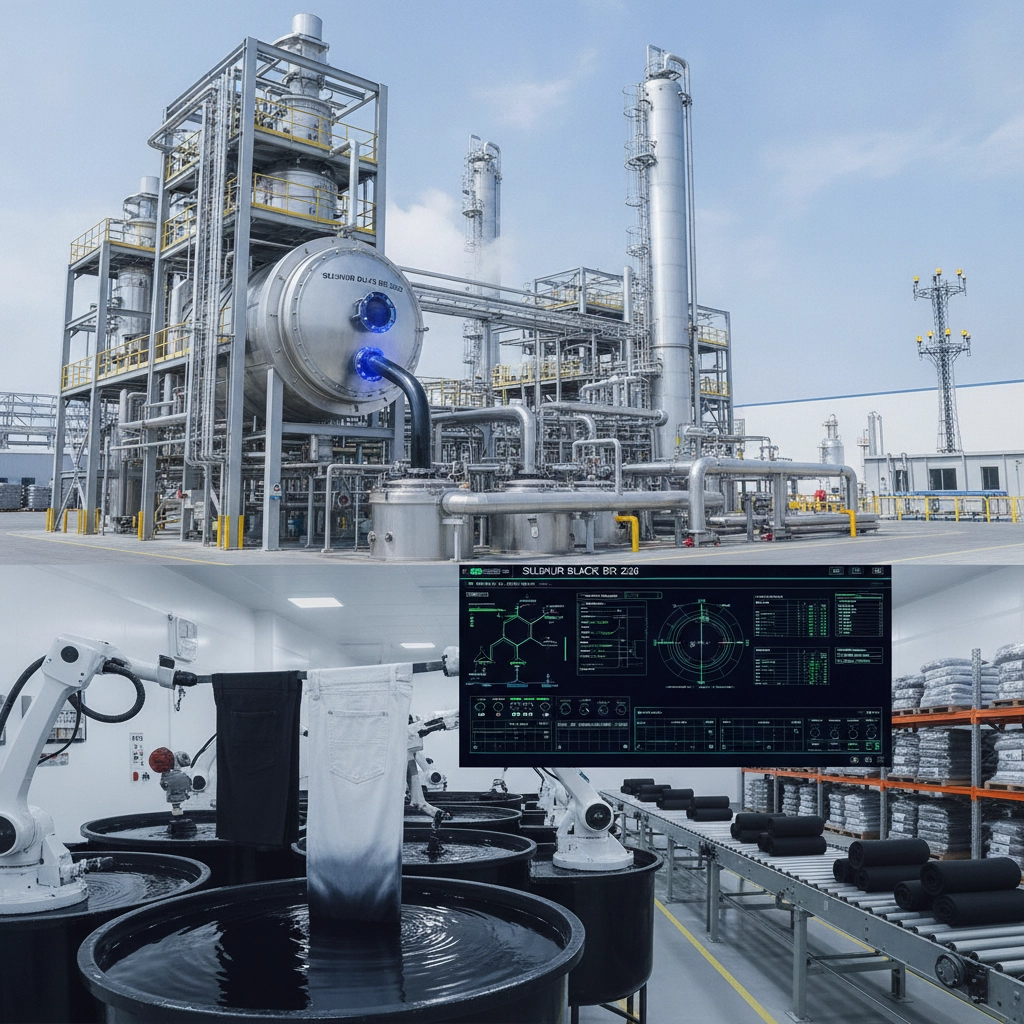
The commercial utility of plant-based enzymes spans multiple sectors. In the textile industry, enzymes are used for bio-polishing and stone-washing denim, reducing the need for harsh chemicals. In the food industry, pectinases are vital for juice clarification. The production of industrial enzymes from plants also supports the biofuel sector by breaking down lignocellulosic biomass into fermentable sugars. By integrating these biocatalysts into industrial workflows, companies can achieve higher precision in chemical reactions while adhering to strict environmental regulations.
Technical Specifications of Common Plant Enzymes
To ensure the efficacy of the production of industrial enzymes from plants, manufacturers must adhere to strict technical specifications. These include enzyme activity units (U/mg), thermal stability limits, and purity percentages. Below is a specification table for the most commonly utilized industrial enzymes derived from plant sources, highlighting their operational ranges and primary uses.
Conclusion: The Future of Plant-Based Biocatalysis
The production of industrial enzymes from plants represents a pivotal move toward a sustainable industrial future. By harnessing the natural efficiency of plants, we can replace energy-intensive chemical processes with elegant, biological solutions. As extraction technologies evolve and metabolic engineering advances, the scalability and cost-effectiveness of plant enzymes will continue to improve, making them a primary choice for eco-conscious manufacturers worldwide. Embracing these green catalysts is no longer just an ethical choice, but a strategic business advantage.
Frequently Asked Questions (FAQs)
How does plant-based enzyme production differ from microbial fermentation?
Plant-based production involves extracting enzymes directly from plant tissues or utilizing plant cells as bio-factories, whereas microbial fermentation uses bacteria or fungi in bioreactors to secrete enzymes. Plant-derived enzymes often possess different stability characteristics and are viewed as more "natural" in consumer-facing products. While microbial methods are generally faster and easier to scale, plant-based methods are becoming increasingly competitive due to their lower carbon footprint and the ability to use agricultural waste as a raw material source.
Are plant-derived enzymes stable enough for industrial use?
Yes, many plant enzymes are remarkably stable. For instance, papain from papaya is known for its high thermal stability and ability to function across a wide pH range. To further enhance stability, industrial producers often use immobilization techniques, where the enzyme is attached to a solid support. This prevents denaturation and allows the enzyme to be reused across multiple production cycles, significantly reducing costs and increasing the efficiency of the production of industrial enzymes from plants.
Which industries benefit most from these enzymes?
The textile and food industries are the primary beneficiaries. In textiles, plant-based cellulases enable a "green" finish for fabrics without the use of toxic acids. In the food and beverage sector, enzymes like pectinase are essential for improving the clarity and yield of fruit juices. Additionally, the pharmaceutical industry utilizes plant proteases for specialized protein degradation and synthesis. As the demand for sustainable chemistry grows, these enzymes are becoming essential tools for companies aiming to meet ESG (Environmental, Social, and Governance) goals.
Is plant-based enzyme production cost-effective?
Initially, extraction from plants was more expensive than microbial fermentation due to the lower concentration of enzymes in plant tissues. However, the cost is decreasing rapidly due to two factors: the use of agricultural side-streams (waste) as free raw materials and the advent of advanced purification technologies. When considering the total cost of ownership—including waste treatment and regulatory compliance for chemical alternatives—the production of industrial enzymes from plants is increasingly seen as a cost-effective and future-proof investment.