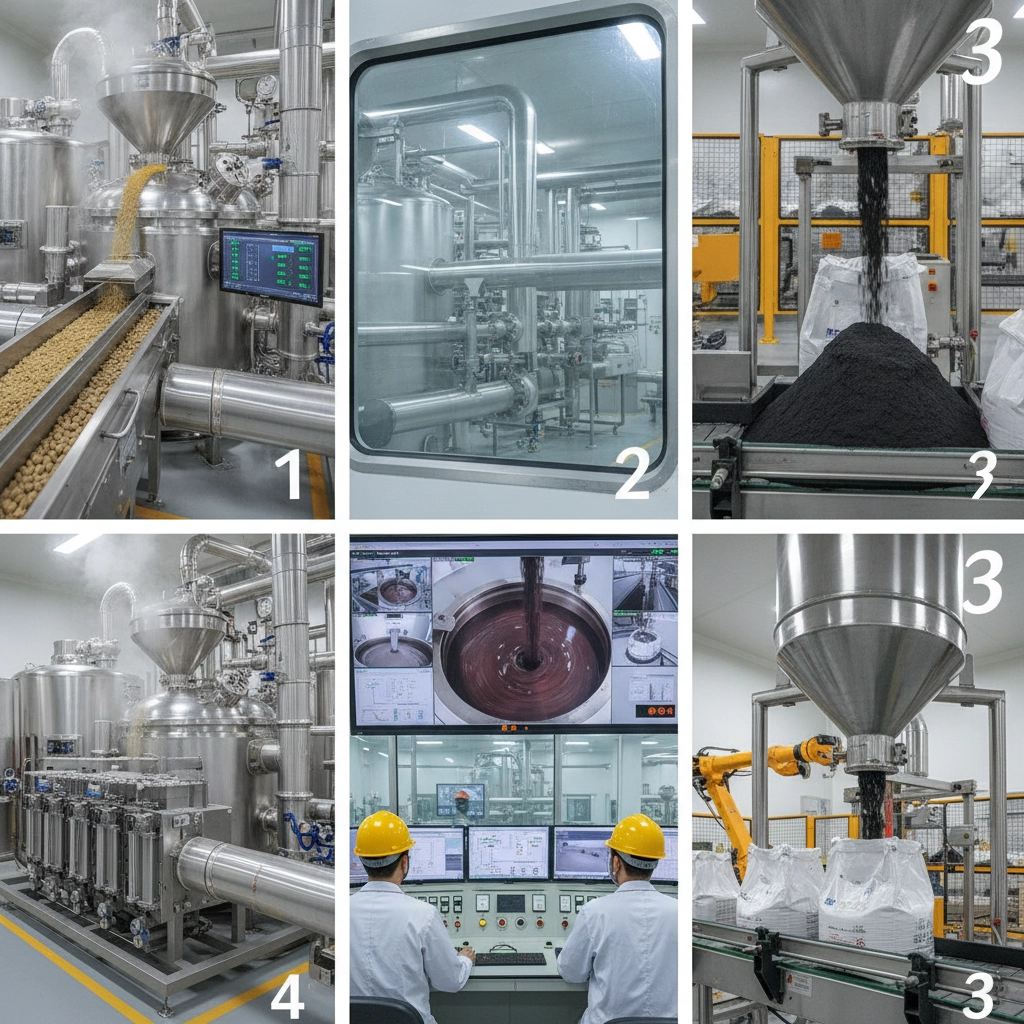
The Revolutionary Role of enzymes in paper industry and Pulping
The Revolutionary Role of enzymes in paper industry and Pulping
The Revolutionary Role of Enzymes in Paper Industry
The modern pulp and paper sector is undergoing a significant transformation, moving away from harsh chemicals toward sustainable, biological catalysts. The integration of enzymes in paper industry processes has proven to be a game-changer, offering an eco-friendly alternative to traditional bleaching and refining methods. By leveraging the specificity of biocatalysts, manufacturers can now reduce energy consumption, lower water usage, and minimize the environmental footprint of their operations. In this guide, we will explore how these biological tools optimize production and enhance the quality of the final paper product.

Biocatalysis: Enhancing Pulping Efficiency
One of the primary applications of enzymes in paper industry pulping is the reduction of lignin. Traditionally, this required massive amounts of chlorine and caustic soda. However, xylanases can selectively hydrolyze the xylan backbone in pulp, making the remaining lignin more accessible to bleaching agents. This process, known as bio-bleaching, allows mills to achieve the same brightness levels with significantly fewer chemicals. The result is a cleaner effluent stream and a more sustainable production cycle that aligns with global environmental standards.
Industry Insight: Bio-bleaching can reduce the amount of chlorine dioxide required by up to 20%, significantly lowering the toxicity of wastewater treated by paper mills.
Optimizing Drainage and Retention
Improving the drainage of the pulp slurry is critical for increasing the speed of the paper machine. By applying specific enzymes in paper industry workflows, such as using cellulases or pectinases, manufacturers can modify the surface of the fibers. This reduces the "slime" and fine particles that typically clog the wire, leading to faster water removal and higher production rates. Better drainage not only speeds up the process but also reduces the amount of energy required for the drying section, directly cutting operational costs.
Comparative Analysis of Chemical vs. Enzymatic Processing
When comparing traditional chemical treatments to the use of enzymes in paper industry, the advantages of biocatalysis become evident. Chemical processes are often non-selective, attacking both the lignin and the cellulose, which can weaken the structural integrity of the fiber. In contrast, enzymes are highly specific, targeting only the desired molecular bonds. This precision ensures that the paper retains its strength while achieving the desired purity and brightness.
Application of Enzymes in Waste Paper Recycling
Recycling is a cornerstone of the sustainable paper industry, but "de-inking" remains a challenge. The use of enzymes in paper industry recycling helps in breaking down the adhesives and sizing agents that bind ink to the fiber. Amylases and lipases are frequently employed to remove starch and wax-based coatings from recycled materials. This ensures that the resulting recycled pulp is cleaner and more consistent, allowing for a higher percentage of recycled content without compromising the quality of the final paper sheet.

Technical Specifications for Industrial Enzymes
To achieve optimal results, the selection of the correct enzyme grade is vital. Factors such as pH stability and thermal resistance determine the efficiency of the catalyst within the mill's existing infrastructure. Most industrial-grade enzymes in paper industry applications are designed to work in moderately alkaline or acidic environments. Below are the typical specifications for the most commonly used enzyme types:
The Future of Green Chemistry in Pulping
Looking ahead, the application of enzymes in paper industry is expected to expand toward the synthesis of nanocellulose. Nanocellulose, produced through precise enzymatic hydrolysis, offers incredible strength and lightness, opening doors for biodegradable packaging that can replace plastics. As biotechnology advances, we will see "cocktails" of enzymes tailored to specific wood species, maximizing yield while virtually eliminating toxic waste. This shift is not just about efficiency—it is about the survival of the industry in a carbon-conscious world.
Conclusion: Embracing Enzymatic Innovation
The adoption of enzymes in paper industry processes represents a critical step toward a circular bio-economy. From reducing bleaching chemicals to optimizing recycled pulp quality, these biological catalysts provide a dual benefit: superior product performance and reduced environmental impact. For paper manufacturers, transitioning to enzymatic solutions is no longer an option but a necessity to remain competitive and compliant with global ecological standards. Investing in green chemistry today ensures a sustainable tomorrow for the global paper trade.
Frequently Asked Questions (FAQs)
How do enzymes actually reduce the use of chlorine in bleaching?
Enzymes like xylanases work by breaking down the xylan, a complex sugar that acts as a "glue" protecting the lignin within the wood fibers. By selectively removing this xylan, the lignin becomes exposed and much easier to remove. Consequently, the bleaching chemicals (like chlorine dioxide) can target the lignin more effectively, meaning a much smaller dose of chemicals is required to reach the desired whiteness of the paper. This significantly reduces the amount of organochlorine compounds released into the environment.
Can enzymatic treatments affect the strength of the final paper?
When used correctly, enzymes actually help preserve fiber strength. Traditional chemical pulping often involves aggressive pH levels and high temperatures that can degrade the cellulose chains, leading to shorter fibers and weaker paper. Because enzymes in paper industry applications operate under mild conditions and are highly specific, they avoid attacking the structural cellulose. This results in a higher quality fiber with better bonding properties, maintaining or even improving the tensile strength of the finished product.
Are enzymes cost-effective for large-scale paper mills?
While the initial cost of high-grade enzymes may be higher than some bulk chemicals, the overall operational expenditure (OPEX) is usually reduced. The cost savings come from multiple avenues: lower energy consumption due to milder operating temperatures, reduced spending on expensive bleaching chemicals, and lower costs for wastewater treatment. Additionally, the increase in production speed (due to better drainage) allows mills to produce more tonnage per hour, which significantly improves the return on investment (ROI) over the long term.
What is the main challenge in implementing enzymatic processes?
The primary challenge is the sensitivity of enzymes to their environment. Unlike robust chemicals, enzymes can be denatured (deactivated) by extreme pH shifts or temperature spikes. Therefore, implementing these processes requires precise monitoring and control systems to ensure the pulp stays within the enzyme's "optimal window." Many mills solve this by integrating automated dosing and temperature control systems to maximize the activity of the enzymes in paper industry workflows.