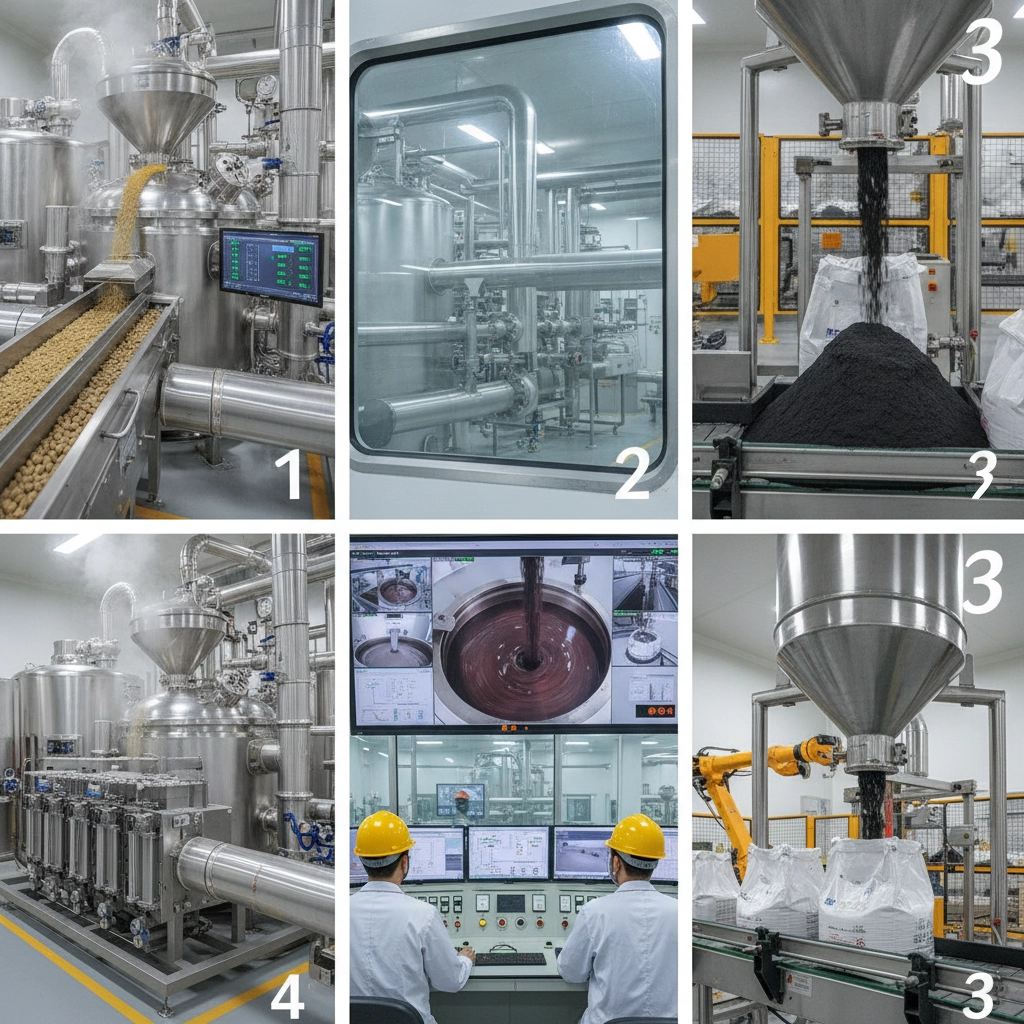
Industrial Innovation and the Efficient Use of Bio Enzyme
Industrial Innovation and the Efficient Use of Bio Enzyme
Understanding the Use of Bio Enzyme in Modern Industry
In an era where sustainability and efficiency are the driving forces of industrial innovation, the use of bio enzyme has emerged as a game-changer. Bio-enzymes, nature's catalysts, are biological proteins that accelerate chemical reactions without being consumed in the process. From textile processing and wastewater treatment to advanced detergent formulation, these organic molecules offer a greener, more efficient alternative to harsh synthetic chemicals. By reducing energy consumption and minimizing toxic waste, bio-enzymes help companies achieve their ESG goals while maintaining high production standards. In this guide, we will explore how these powerful tools are transforming various sectors.

The Science Behind Bio-Enzymatic Catalysis
The effectiveness of the use of bio enzyme lies in its specificity. Unlike traditional chemical catalysts that may cause side reactions, enzymes operate on a "lock and key" mechanism, targeting only specific substrates. This precision allows industrial processes to run at lower temperatures and neutral pH levels, significantly reducing the carbon footprint of manufacturing plants. For instance, in the textile industry, enzymes replace caustic soda for desizing and scouring, protecting the fabric integrity while ensuring a cleaner finish. This transition not only improves the quality of the end product but also ensures a safer environment for the workforce.
Pro Tip: To maximize the efficiency of bio-enzymes, it is critical to maintain optimal temperature and pH levels, as enzymes are sensitive to extreme environmental changes which can lead to denaturation.
Industrial Applications and the Use of Bio Enzyme
The versatility of bio-enzymes allows them to be applied across a multitude of sectors. In the food industry, they are used to improve dough consistency and juice clarity. In the leather industry, they facilitate the bating process, replacing inorganic salts. However, it is in the chemical and textile sectors where the use of bio enzyme provides the most drastic improvements. By automating the breakdown of complex organic matter, enzymes streamline production lines and reduce the need for intensive rinsing cycles, thereby saving millions of gallons of water annually.

Comparing Bio Enzymes vs. Chemical Catalysts
When evaluating the transition from traditional chemistry to biotechnology, the benefits become clear through a direct comparison. The use of bio enzyme typically results in lower operating costs over time due to energy savings and reduced waste disposal fees. While synthetic chemicals are often cheaper upfront, their long-term environmental impact and regulatory compliance costs make them less sustainable.
Optimizing the Use of Bio Enzyme for Maximum ROI
Implementing biotechnology requires a strategic approach to ensure the highest return on investment (ROI). The use of bio enzyme is most effective when tailored to the specific raw materials being processed. For example, cellulase is essential for bio-polishing fabrics, while amylase is critical for removing starch. By optimizing the dosage and contact time, factories can reduce their cycle times by up to 30%, leading to higher throughput and lower energy bills.
Optimization Checklist:
• Analyze substrate composition before enzyme selection
• Implement precise pH and temperature control systems
• Monitor wastewater COD levels to quantify environmental gain
• Conduct pilot tests to determine the minimum effective dosage
Technical Specifications of Common Industrial Enzymes
To provide a practical understanding of the use of bio enzyme, it is helpful to look at the specific types used in industrial chemistry. Each enzyme is engineered for a particular function, ensuring that the industrial process remains clean and efficient. Below are the specifications for the most widely used bio-catalysts in the dyeing and finishing industry.
Conclusion: The Future of Sustainable Production
The strategic use of bio enzyme is no longer just an option for "green" companies—it is a necessity for any industrial operation seeking to remain competitive in a regulated global market. By replacing hazardous chemicals with biological catalysts, manufacturers can reduce energy costs, lower their environmental impact, and produce higher-quality goods. As biotechnology continues to evolve, the precision and efficiency of these enzymes will only increase, paving the way for a truly circular economy in chemical production.
Frequently Asked Questions (FAQs)
Is the use of bio enzyme safe for all fabric types?
While bio-enzymes are generally much gentler than caustic chemicals, their safety depends on the enzyme type and the fabric. For example, cellulase is excellent for cotton (cellulose) but can damage silk or wool (proteins) if not managed correctly. It is always recommended to perform a small-scale trial to ensure that the specific enzyme does not compromise the structural integrity of the textile. Proper pH control is the key to ensuring safety and effectiveness across different materials.
How do bio-enzymes reduce water consumption in industry?
Traditional chemical processes often require multiple rinsing stages to remove residual salts, alkalis, or acids from the product. The use of bio enzyme simplifies this because enzymes are biodegradable and work under milder conditions. In many cases, the number of rinse cycles can be reduced by 50% or more, as there are fewer harsh residues to wash away, leading to massive savings in water and energy used for heating that water.
Can bio-enzymes be reused in a production cycle?
In their soluble form, enzymes are typically used once and then biodegrade. However, in advanced industrial setups, enzymes can be "immobilized" on a solid support (like a ceramic bead or polymer matrix). This allows the enzyme to remain in the reactor while the substrate flows over it, enabling the enzyme to be reused for multiple cycles. This immobilization technique significantly lowers the cost per unit of production and is a growing trend in the pharmaceutical and high-end chemical industries.
What is the main challenge when switching to bio-enzymes?
The primary challenge is the sensitivity of enzymes to their environment. Unlike synthetic chemicals, which are often stable across a wide range of conditions, enzymes can be deactivated by sudden spikes in temperature or shifts in pH. This requires factories to invest in more precise monitoring equipment and staff training. However, once the process is stabilized, the efficiency gains and environmental benefits far outweigh these initial operational adjustments.