The Power of Enzyme Used in Industry for Sustainable Innovation
The Power of Enzyme Used in Industry for Sustainable Innovation
The Power of Enzyme Used in Industry: Driving Sustainable Innovation
In the modern era of green chemistry, the role of an enzyme used in industry has evolved from a niche biological curiosity to a cornerstone of sustainable manufacturing. These biological catalysts allow complex chemical reactions to occur at lower temperatures and pressures, drastically reducing energy consumption and hazardous waste. From the textiles we wear to the food we consume, industrial enzymes are silently optimizing production lines across the globe. This guide explores how these powerful proteins are reshaping industrial efficiency and environmental stewardship.

Core Mechanisms of an Enzyme Used in Industry
At its heart, any enzyme used in industry operates as a highly specific catalyst. Unlike traditional chemical catalysts that often require extreme heat, enzymes lower the activation energy of a reaction, allowing it to proceed rapidly under mild conditions. This specificity means they only target particular molecules, reducing the formation of unwanted by-products. In large-scale production, this translates to higher purity levels and a significant decrease in the need for intensive post-processing purification steps.
Industrial Advantage: By substituting harsh chemicals with enzymes, factories can reduce their carbon footprint and improve worker safety by eliminating toxic reagents from the production floor.
Comparative Analysis: Enzymes vs. Chemical Catalysts
When evaluating the implementation of an enzyme used in industry, it is essential to compare them against traditional inorganic catalysts. While chemical catalysts are often more robust in extreme pH environments, enzymes offer unparalleled selectivity and biodegradability. The shift toward "White Biotechnology" is driven by the need to meet ESG (Environmental, Social, and Governance) goals, making biological catalysts the preferred choice for forward-thinking enterprises.
Key Applications of Enzyme Used in Industry
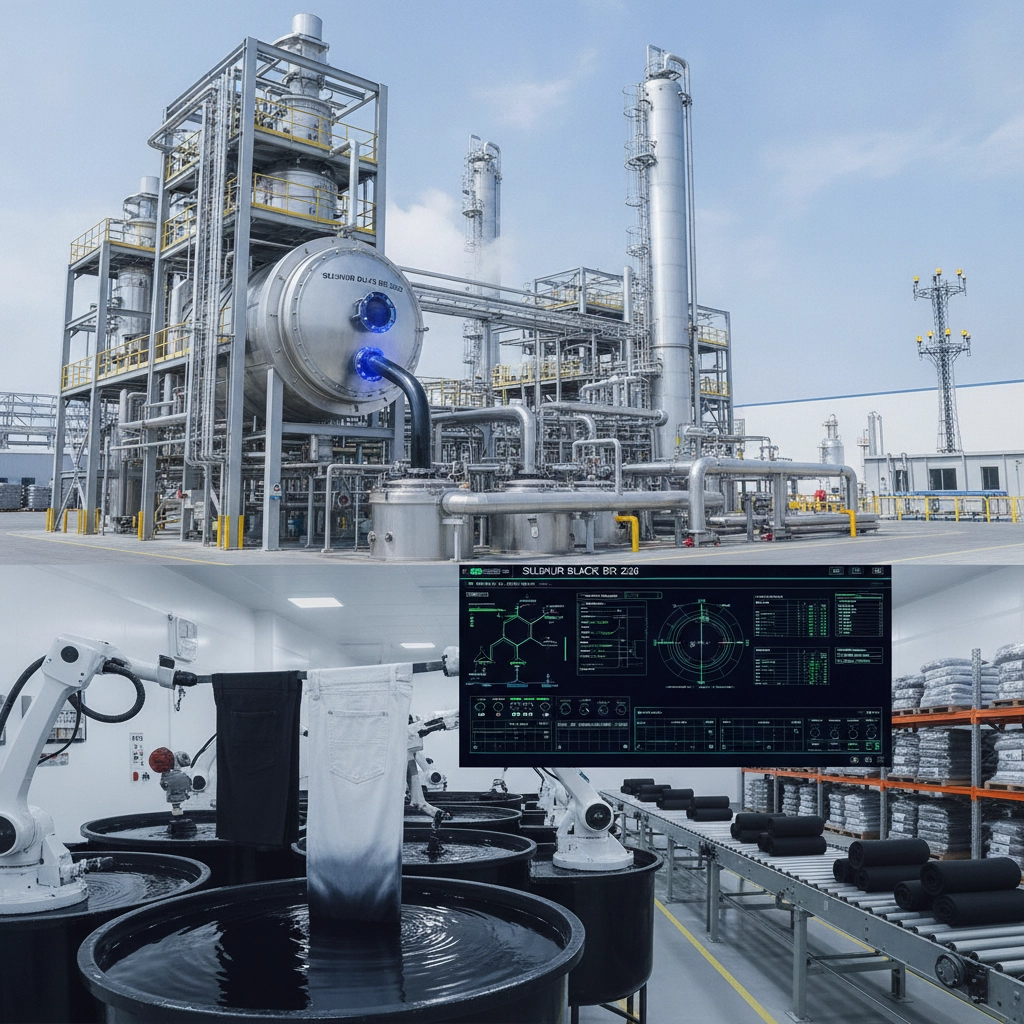
The versatility of an enzyme used in industry allows it to span multiple sectors. In the textile industry, cellulases are used for bio-polishing and creating "stone-washed" effects on denim without the need for pumice stones. In the food industry, amylases and proteases are essential for baking and brewing. Additionally, the pharmaceutical sector relies on enzymes for the synthesis of complex drug molecules with precise chirality, ensuring higher efficacy and fewer side effects.

Optimization and Product Specifications
To maximize the efficiency of an enzyme used in industry, manufacturers must focus on stabilization. Immobilization techniques—where enzymes are attached to a solid support—allow them to be reused across multiple batches, significantly lowering the cost per unit of product. Below is a typical specification table for high-grade industrial enzymes utilized in chemical processing.
Challenges in the Adoption of Industrial Enzymes
Despite the benefits, implementing an enzyme used in industry comes with challenges. The primary issue is sensitivity; enzymes can be easily denatured by sudden spikes in temperature or drastic pH shifts. Furthermore, the initial cost of developing a custom enzyme for a specific industrial process can be high. However, advances in protein engineering and directed evolution are allowing scientists to "design" enzymes that are more robust and tailored to harsh industrial conditions, bridging the gap between lab success and factory-scale viability.
The Future of Bio-catalysis and Green Industry
Looking ahead, the integration of AI and CRISPR technology is accelerating the discovery of novel enzymes from extremophiles—organisms that thrive in volcanic vents or arctic ice. This means the next generation of enzyme used in industry will likely be capable of operating in temperatures and pressures previously thought impossible for biological catalysts. As global regulations on chemical waste tighten, the transition to enzyme-based processing is no longer an option but a necessity for industrial survival and sustainability.
Conclusion: Embracing Biological Efficiency
The adoption of an enzyme used in industry represents a pivotal shift toward a cleaner, more efficient future. By leveraging the precision of nature, industries can reduce energy costs, eliminate toxic waste, and produce higher-quality products. Whether in textiles, food, or pharmaceuticals, enzymes are the key to balancing industrial growth with ecological preservation. Investing in bio-catalytic solutions today ensures a competitive and sustainable edge tomorrow.
Frequently Asked Questions (FAQs)
How do industrial enzymes reduce environmental impact?
Industrial enzymes reduce environmental impact primarily by lowering the energy requirements of chemical reactions. Because enzymes work at lower temperatures, they significantly reduce the carbon emissions associated with heating large industrial vats. Additionally, they are biodegradable and replace harsh inorganic acids or bases, meaning the wastewater generated by the factory is much easier to treat and less toxic to local ecosystems. This transition helps companies meet strict environmental regulations and move toward a circular economy.
Can an enzyme used in industry be reused?
Yes, through a process called immobilization. In their natural soluble state, enzymes are often lost after a single reaction batch. However, by anchoring the enzyme to a solid matrix—such as a ceramic bead or a polymer membrane—the catalyst can be easily recovered from the reaction mixture and reused for multiple cycles. This not only reduces the cost of purchasing new enzymes but also simplifies the purification process, as the enzyme does not remain as a contaminant in the final product.
What is the main difference between enzymes and traditional catalysts?
The primary difference lies in specificity and operating conditions. Traditional catalysts (like platinum or palladium) are often versatile but lack the "lock-and-key" precision of enzymes, which can lead to side reactions and waste. Furthermore, traditional catalysts often require extreme heat or pressure to activate, whereas enzymes are biological proteins evolved to function in mild, aqueous environments. This makes enzymes far more sustainable, though they are generally more sensitive to changes in temperature and pH.
Where can I find high-quality industrial enzymes for my business?
Finding a reliable supplier is critical for maintaining production consistency. You should look for suppliers that provide detailed activity certificates, purity reports, and technical support for integration. For professional-grade solutions tailored to chemical and textile applications, we recommend visiting the DyeingChem website, where you can explore a wide range of specialized chemical and biological agents designed to optimize industrial processes.