Sulphur Black Factory – Durable, Affordable, and Environmentally Responsible Dye Production
Sulphur Black Factory – Durable, Affordable, and Environmentally Responsible Dye Production
Understanding the Sulphur Black Factory: Why It Matters Globally
If you’ve ever been curious about what’s behind the deep, rich black color seen on textiles or certain industrial products, you might have stumbled upon the term "sulphur black factory." It’s one of those niche, industrial concepts that sounds technical but has surprisingly broad implications. In real terms, these factories produce sulphur black dye—a staple for industries ranging from textiles to leather goods. Why should you care? Well, this dye not only supports major global textile markets but also influences sustainability and chemical manufacturing practices worldwide. Understanding what a sulphur black factory entails offers us a glimpse into how raw chemical processes underpin daily life, commerce, and even social welfare in various industrial regions. ---The Global Landscape: Why Sulphur Black Factories Are So Important
The modern textile industry is a giant web of raw materials, chemicals, labor, and technology — and sulphur black factories sit right at one of these intersections. According to the International Textile Manufacturers Federation, nearly 30% of all fabric dyes globally are sulfur-based, and sulphur black remains one of the most used shades for dark garments. The demand especially spikes in regions like South and Southeast Asia, where textile production fuels millions of livelihoods. But here’s the catch: many sulphur black factories are in developing countries where regulation and environmental controls can be inconsistent. This poses challenges related to pollution and worker safety, which global bodies like the United Nations Environment Programme (UNEP) are keen to address. Still, these factories are vital economic engines — without them, the global fashion and garment supply chain would look very different. (Mini takeaway: Sulphur black factories are linchpins in global textile dyeing, balancing economic importance with environmental challenges.) ---What Exactly Is a Sulphur Black Factory?
At its core, a sulphur black factory is a plant specialized in producing sulphur black dye. This dye is a sulfur-based pigment commonly used for coloring cellulosic fibers like cotton. Unlike reactive or vat dyes, sulphur black is favored for its affordability and durability—it holds color well even after multiple washes. Chemically, it involves converting sulphur into thiosulfate compounds, which then react with organic materials to provide that characteristic deep black shade. These factories combine chemical synthesis with dye formulation, quality control, and sometimes textile finishing. More than just industrial sites, sulphur black factories also connect to humanitarian needs by supplying affordable and long-lasting textile dyes, essential for producing durable clothing in resource-limited settings. ---Key Factors Behind Sulphur Black Production
1. Durability and Colorfastness
Sulphur black dye excels at holding its deep black color against fading factors like UV rays and laundering. Many manufacturers highlight this advantage, especially for workwear or military-grade fabrics.2. Cost Efficiency
Compared to synthetic dye alternatives, sulphur black keeps costs low, making it the go-to choice in price-sensitive markets. This cost efficiency trickles down to affordable garments and products.3. Scalability and Volume Production
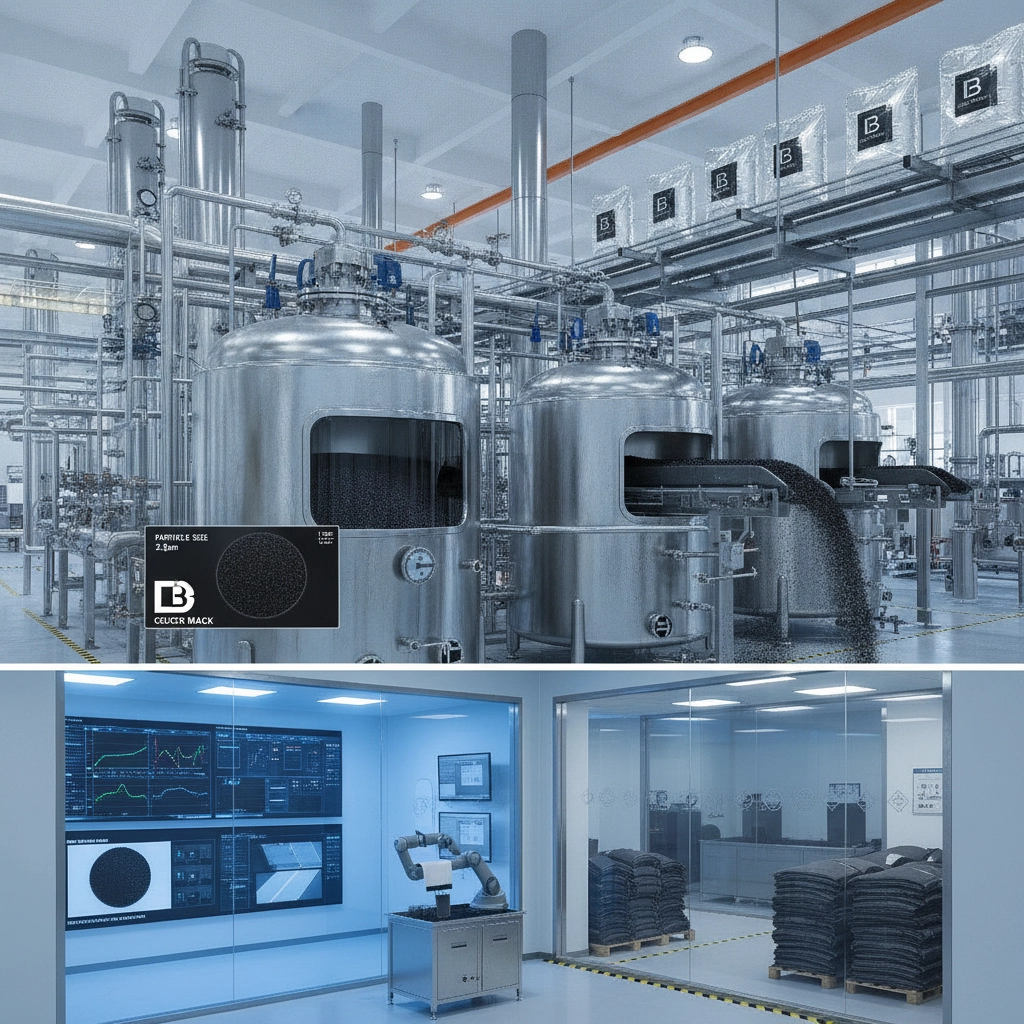
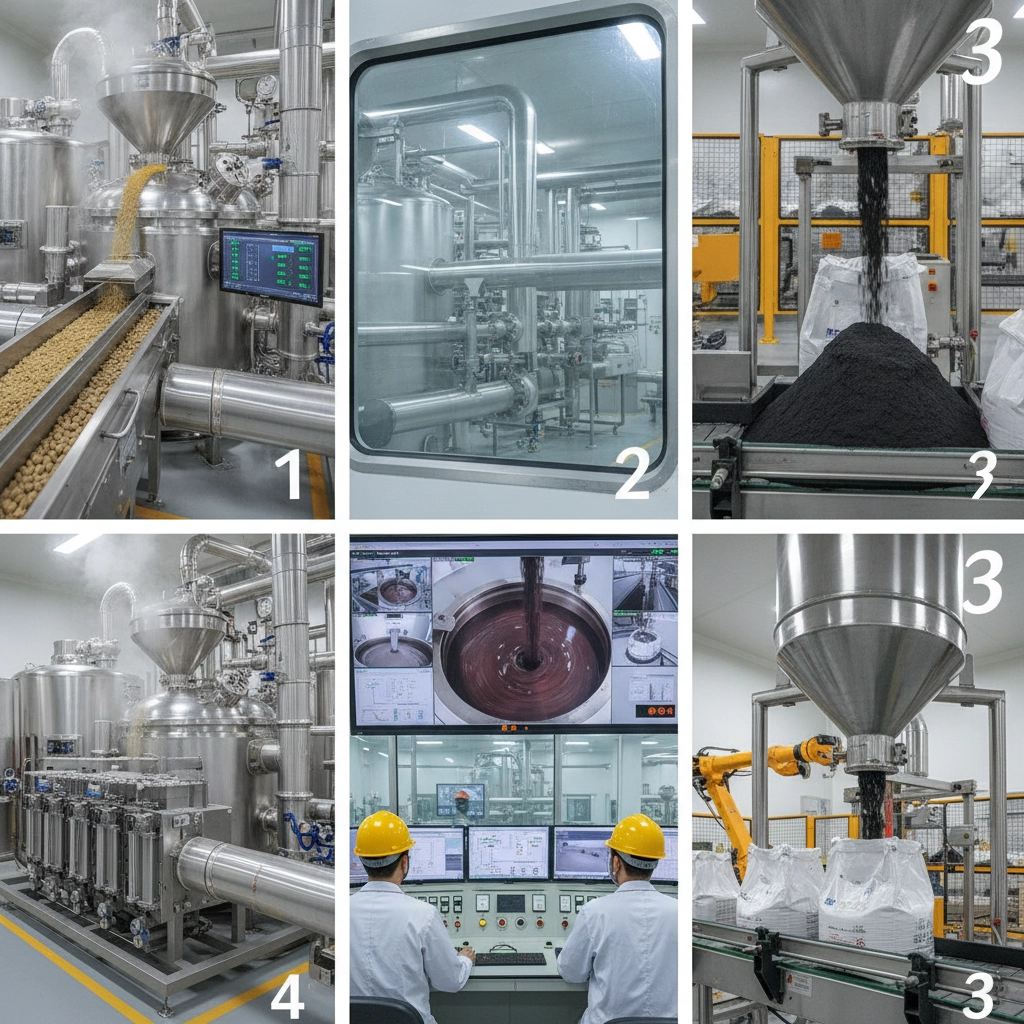
Sulphur black factories typically operate on large scales with continuous chemical reaction plants. This scalability means they can meet the enormous volume demands of global textiles.4. Environmental Considerations
Though cheaper and effective, sulphur black dye is notorious for generating wastewater with high chemical oxygen demand (COD). Thus, factories must invest in effective effluent treatment systems.5. Regulatory Compliance
The shifting landscape of chemical safety regulations, especially in Europe and North America, forces many sulphur black producers to adapt their methods or risk export bans. (Mini takeaway: Producing sulphur black dye isn’t just “mix and pour.” It balances chemistry, economics, and increasingly strict environmental demands.) ---How Sulphur Black Dye Is Used Worldwide
This dye’s applications go well beyond simple T-shirts or denim. Let’s unpack some real-world uses: - Textile Manufacturing Hubs: Countries like India, Bangladesh, and Vietnam extensively rely on sulphur black dye in garment factories. Its affordability supports massive export markets. - Leather and Footwear Industries: Sulphur black provides an economical way to dye leathers especially for boots, belts, and budget shoes. - Industrial Workwear: Companies in mining or construction sectors worldwide prefer sulphur black-dyed fabrics for their abrasion resistance. - Humanitarian Aid Clothing: NGOs sourcing mass-produced durable clothes for displaced populations often select sulphur black materials due to their longevity and cost-benefit balance. In post-disaster relief operations or remote industrial zones, having access to such reliably dyed textiles means workers and victims are clothed affordably yet durably—something many overlook when thinking about chemical dye factories. ---Advantages & Lasting Impact of Sulphur Black Factories
Why stick with sulphur black dye despite environmental concerns? Well, the benefits are compelling: - Economic Access: It keeps textile production costs down and indirectly supports millions of livelihoods. - Sustainability Potential: With smarter treatment processes, sulphur black factories can reduce pollution and adopt circular water use. - Cultural Significance: Numerous traditional textile crafts integrate sulphur black dye as a foundational color. - Reliability: The dye’s longevity translates to fewer discarded garments, indirectly lessening textile waste. Emotional side: There’s a certain pride and trust in wearing clothing that "just lasts"—workers, families, and consumers alike find value there. ---The Future — Is Green Sulphur Black on the Horizon?
The dye industry’s slowly shifting gears toward sustainability. Innovations include: - Bio-based Sulfur Sources: Research looks into deriving sulfur for dyes from renewable biomass. - Advanced Effluent Treatments: New filtration tech reduces chemical discharge drastically. - Digital Color Matching: Automation accelerates precision, lowering waste through exact formulations. - Policy Push: Increasingly strict global regulations pressure export-focused sulphur black factories to upgrade or innovate. Think about a world where sulphur black production meets modern environmental standards without sacrificing cost or quality—a pretty hopeful future. ---Challenges & How Industry Experts Are Meeting Them
The obvious hangup is pollution—the COD of wastewater from sulphur black plants can be up to 80 times the legal limits if untreated properly. Many smaller plants struggle with investment capacity for treatment technology. However, approaches like: - Phased installation of zero-liquid discharge (ZLD) systems, - Public-private partnerships funding modernization, - Capacity-building programs promoting best practice are working to transform traditional sulphur black factories into more responsible operators. ---FAQ: Your Top Questions About Sulphur Black Factory
Q1: How does sulphur black dye compare to reactive dyes?A1: Sulphur black is generally less expensive and more durable but offers limited color range and sheen compared to reactive dyes, which have brighter colors but often fade faster. Q2: Can sulphur black factories comply with modern environmental regulations?
A2: Yes, with investment in effluent treatment and cleaner production technology, many can meet stricter standards, especially if supported by local policies. Q3: Is sulphur black dye suitable for all fabric types?
A3: It primarily suits cellulosic fibers like cotton but is generally not recommended for synthetic fibers as it does not bond well. Q4: How do NGOs import sulphur black dyed textiles safely?
A4: NGOs should choose suppliers with transparent environmental compliance and certifications, ensuring that textiles meet local import and safety standards. ---
Product Specification Table: Sulphur Black Dye Attributes
| Specification | Typical Range | Unit |
|---|---|---|
| Color Intensity | Deep Black – Grade 1 | N/A |
| Water Solubility | Low | % |
| pH Range for Dye Bath | 9 – 11 | pH units |
| Fastness to Washing | 4 – 5 (ISO scale) | Grade (1-5) |
| Chemical Oxygen Demand (Untreated Effluent) | > 1000 | mg/L |
Comparing Leading Sulphur Black Factory Vendors
| Vendor | Production Capacity (tons/month) | Effluent Treatment | ISO Certification | Price Range (USD/kg) |
|---|---|---|---|---|
| SulphurDyne Co. | 1200 | Advanced Bio-treatment | ISO 14001 | 1.10 – 1.30 |
| BlackHues Ltd. | 950 | Conventional Chemical | ISO 9001 | 0.90 – 1.10 |
| EcoSul Black | 600 | Zero Liquid Discharge | ISO 14001 | 1.40 – 1.60 |
If you’re looking to source sulphur black dye or partner with a sulphur black factory that understands market needs and sustainability, these considerations can guide you towards better decisions.
---