Why Sulphur Dyes Matter in Today’s Textile and Industrial World
Sulphur dyes might sound like something tucked away in a niche chemistry lab, but the reality? They’re a global player with serious industrial muscle. As the textile world grows rapidly, developing countries churning out massive volumes of fabric, understanding sulphur dyes isn’t just useful—it’s essential. These dyes offer a cost-effective, colorfast way to color cotton and other cellulosic fibers at scale, without breaking the bank or the environment too badly.
If you’ve ever tossed on a deep navy or olive-green cotton shirt, chances are at least some of that color came from sulphur dyes. Their affordability and relative durability have made them a staple, especially in economies where economic textiles reign, from Southeast Asia to parts of Africa. But there’s a lot more beneath the surface, including sustainability angles, challenges in wastewater treatment, and shifting technological trends in dye manufacturing.
Mini Takeaway: Sulphur dyes are quietly powering the fabric of affordable fashion and industrial textiles worldwide, proving that sometimes the most unassuming chemicals pack a punch in global supply chains.
The Global Stage: Why Sulphur Dyes Are Still Relevant Today
The World Bank estimates global textile production to exceed $1 trillion annually, much of it cotton-based. Meanwhile, ISO standards acknowledge sulphur dyes’ prevalence, especially in large-scale dyehouses in emerging markets. But the big question is: how can such a traditional class of dyes hold their ground in an industry constantly searching for greener, faster, and more vibrant alternatives?
The answer is partly economic necessity. Sulphur dyes are cheap, efficient, and stable on cotton, making them attractive for mass-produced garments and industrial textiles aiming to minimize costs while maintaining decent durability. However, the environmental toll—especially the sulfur-containing wastewater—is a real challenge, fueling research into better effluent management and bio-treatment methods (1).
This environmental challenge is a key global hurdle. For instance, in South Asia, textile effluents are major contributors to river pollution, drawing attention from international watchdogs and local governments alike. So the challenge isn’t just about colorfastness; it’s about balancing industrial scale with sustainable practice: quite the tightrope walk.
Mini Takeaway: Though inexpensive and widely used, sulphur dyes sit at a crossroads — balancing global demand with rising environmental accountability.
What Exactly Are Sulphur Dyes?
Simply put, sulphur dyes are a class of dyes used mainly for coloring cotton and cellulosic fibers. Chemically, they are complex sulfur-containing compounds that are initially water-insoluble but become soluble when reduced in alkaline solutions, allowing them to penetrate fibers effectively.
They’re not quite “modern” in invention—discovered back in the late 19th century—but they carved a lasting niche because their process allows deep penetration and good fastness, ideal for heavy-duty or workwear textiles. Oddly enough, their relevance spreads beyond textiles—for example, some sulphur dye compounds assist in industrial fabric applications like upholstery, tarpaulins, and even canvas for humanitarian aid—think refugee tents, where durable, colored fabric is critical.
Mini Takeaway: Sulphur dyes use clever chemistry to color textiles efficiently and affordably, fueling industries from fashion to humanitarian supplies.
Key Characteristics That Make Sulphur Dyes Essential
Durability
Sulphur dyes offer strong chemical resistance and wash fastness, making them a choice pick for uniforms and industrial fabrics that withstand harsh conditions. Many engineers say this quality is what keeps sulphur dyes in use despite their color range being more muted than reactive dyes or vat dyes.
Cost Efficiency
Low-cost raw materials and simple processing mean sulphur dyes cost less than many alternatives. For bulk production, it’s roughly unbeatable — especially in markets where low price points drive consumer choices. If you’re working with tight margins, the economics add up swiftly.
Scalability
Their straightforward chemistry and well-established processes allow for massive production volumes. Plants in India, China, and Bangladesh churn out tonnes weekly, servicing global textile and technical fabric markets.
Color Range and Limitations
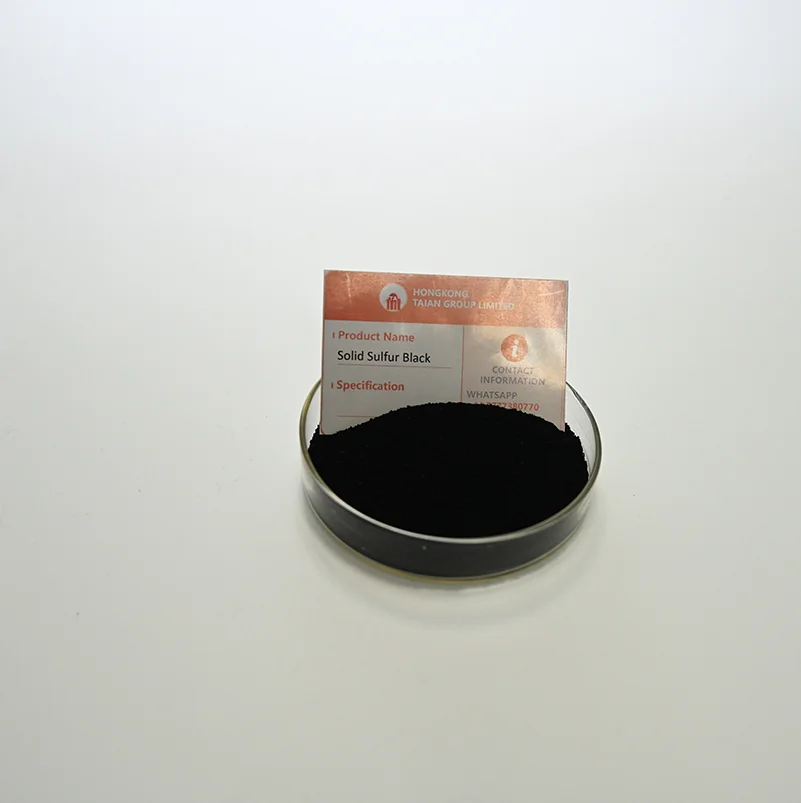
Mostly in dark green, brown, navy, and black shades, they’re not known for bright or pastel colors. But for many industrial uses, vividness isn’t the priority — it’s about how long the color lasts.
Environmental Impacts
The sulfur compounds released in effluent present treatment challenges. However, innovations in wastewater bio-treatment and proper management are slowly making the dyeing process cleaner.
Mini Takeaway: Economic and practical advantages keep sulphur dyes favored, but environmental pressure pushes for greener innovations soon.
Where Sulphur Dyes Make Their Mark Worldwide
- South and Southeast Asia: Nations like India and Bangladesh dominate sulphur dye production and use, mainly supporting cotton garments and home textiles.
- Africa and Latin America: Textile industries in these regions benefit from inexpensive dyeing options that support local production.
- Humanitarian Supply Chains: Durable colored canvases for tents, tarps, and protective coverings often rely on sulphur dyes for colorfastness and affordability.
- Industrial Applications: Workwear fabrics, upholstery, and agricultural textiles also commonly use sulphur-dyed materials.
Take Bangladesh, for example—a booming garment export hub. Manufacturers there often rely on sulphur dyes due to cost but are also adopting cleaner dyeing technologies, influenced by global buyers pushing for sustainability.
Mini Takeaway: Sulphur dyes really shine in places balancing high demand, affordability, and fast fabric turnaround — from garment hubs to humanitarian supply chains.
Product Specification Table: Typical Sulphur Dye Properties
| Specification |
Typical Values |
| Primary Color Shades |
Black, Navy Blue, Olive Green, Brown |
| Fiber Compatibility |
Cotton, Viscose |
| Wash Fastness (ISO 105-C06) |
4–5 (Good) |
| Light Fastness (ISO 105-B02) |
3–4 (Moderate) |
| Chemical Resistance |
High |
| Typical Cost per Kg (USD) |
$1.50–$3.00 |
Vendor Comparison: Leading Global Sulphur Dye Producers
| Vendor |
Production Scale |
Sustainability Initiatives |
Global Reach |
Price Range (USD/kg) |
| ChemDye Ltd (India) |
Large (500+ tons/month) |
Effluent Recovery Tech |
Asia, Africa, Middle East |
1.60–2.80 |
| SulphaDyes Corp (China) |
Very Large (1000+ tons/month) |
Water Recycling Systems |
Global |
1.50–3.00 |
| EcoSulfur Dyes (Bangladesh) |
Medium (200 tons/month) |
Biological Waste Treatment |
South Asia, Europe |
1.80–2.50 |
Long-Term Benefits and Social Impact of Sulphur Dyes
There’s an emotional side to sulphur dyes too — by keeping textiles affordable, they help millions access decent clothing and workwear. When a garment lasts longer and retains its deep colors, it means fewer purchases, less waste, and a bit more dignity in daily life.
On the sustainability front, the dyeing industry’s slow but steady pivot towards eco-friendly effluent treatments may someday give sulphur dyes a second wind, marrying tradition with modern green tech. Plus, the cost savings help small manufacturers remain competitive globally, sustaining local jobs and communities.
Mini Takeaway: Sulphur dyes combine economic sense with social value, provided we continue improving their ecological footprint.
Looking Ahead: Innovations and Future Trends
- Biotech Effluent Treatment: New biological reactors break down sulfur compounds faster and cleaner.
- Process Automation: Digital control in dyehouses improves repeatability and reduces chemical overuse.
- Hybrid Dyes: Research blends sulphur dyes with other classes to expand color range and reduce sulfur load.
- Sustainability Standards: Increasing certification demands are pushing suppliers towards cleaner formulations and transparent sourcing.
Technology may not make sulphur dyes “flashy,” but it will make them cleaner and more competitive. I noticed many mills experimenting quietly with these tech upgrades — slowly but surely.
Current Challenges and Practical Solutions
- Wastewater Pollution: High sulfur content can harm aquatic life if untreated.
- Limited Color Brightness: Sulphur dyes don’t offer vivid shades, limiting design options.
- Inconsistent Quality: Small producers sometimes struggle to maintain batch uniformity.
Solutions? Advanced wastewater bio-treatment plants help remove sulfur remarkably well; blending better dye classes can enhance color options; and improved quality control protocols borrowed from reactive dye sectors are becoming widespread.
FAQ: Frequently Asked Questions About Sulphur Dyes
- Q: Are sulphur dyes eco-friendly?
A: Traditional sulphur dyes can produce sulfur-rich effluent that harms aquatic environments if untreated. However, advances in wastewater treatment and effluent recovery systems have significantly improved their eco-profile in recent years.
- Q: Can sulphur dyes be used on fibers other than cotton?
A: Primarily, sulphur dyes are designed for cellulose fibers like cotton and viscose. They generally don’t adhere well to synthetic fibers like polyester without special treatment.
- Q: How colorfast are sulphur dyes in everyday use?
A: Sulphur dyes typically provide good wash and rub fastness, making them ideal for workwear and industrial textiles that experience frequent laundering and rough handling.
- Q: How do sulphur dyes compare price-wise to reactive dyes?
A: Sulphur dyes are usually cheaper due to simpler raw materials and processing, making them attractive for large-scale production with cost constraints.
In Conclusion: Why Pay Attention to Sulphur Dyes?
Sulphur dyes might not scream innovation, but their quiet efficiency powers much of the everyday textile world. They balance cost, durability, and practicality as few do. While environmental challenges persist, ongoing technological and sustainability-focused innovations promise to keep sulphur dyes relevant for decades to come.
For manufacturers or industry insiders curious to learn more about modern formulations and suppliers, I recommend visiting
our website for a treasure trove of updated info and product offerings.
Thanks for sticking with me through this deep-dive. Sometimes the simplest chemicals tell the richest stories.
---
References
- ISO 105-C06: Textiles - Colour fastness tests
- World Bank: Global Textile Industry Overview (2023 Report)
- Wikipedia: Sulphur dye (https://en.wikipedia.org/wiki/Sulfur_dye)