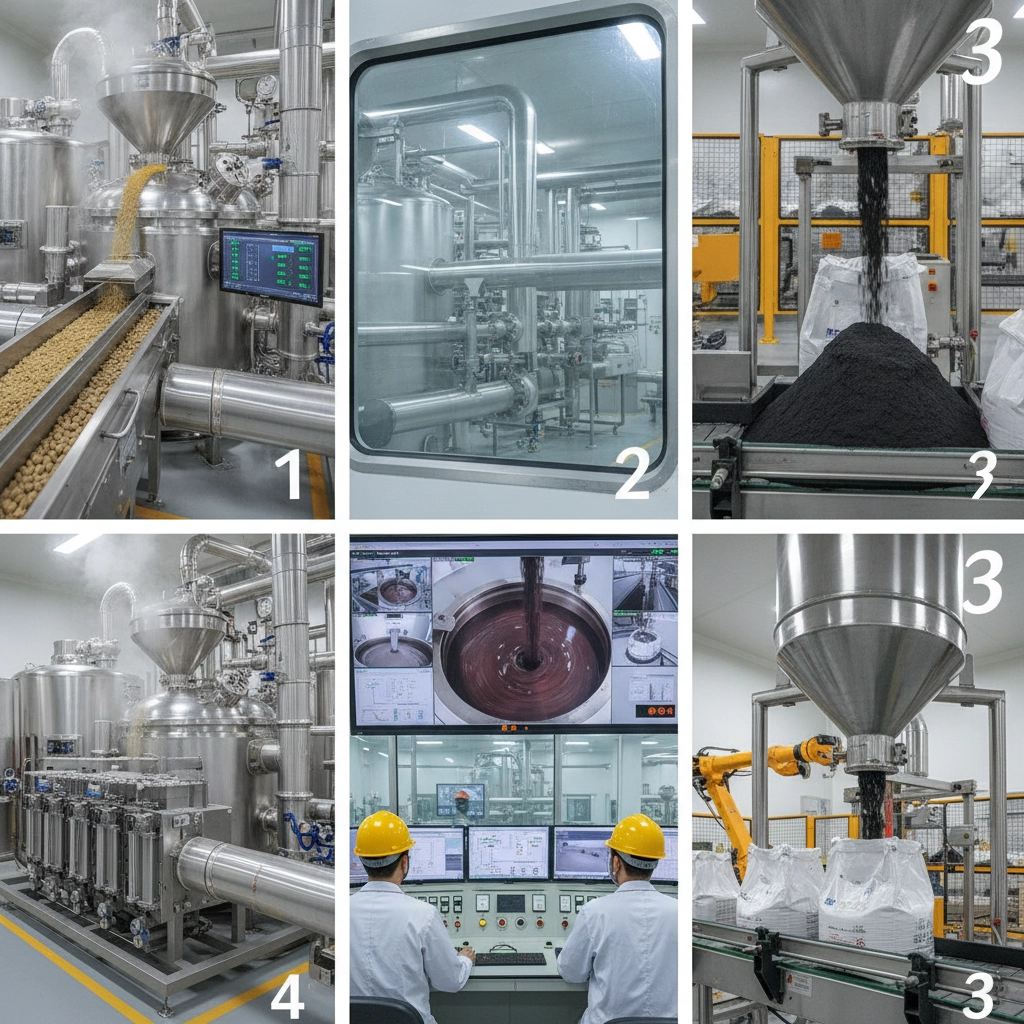
Comprehensive Guide to Uses of Protease in Industry: Applications, Advantages & Innovations
Comprehensive Guide to Uses of Protease in Industry: Applications, Advantages & Innovations
Understanding the Uses of Protease in Industry
Proteases—enzymes that break down proteins—have quietly transformed modern industry in ways that might surprise you. From detergents to food processing, they tackle practical challenges with precision and efficiency. Understanding the uses of protease in industry offers us insight into sustainable manufacturing, cost efficiencies, and even humanitarian aid. Oddly enough, these microscopic protein eaters hold massive sway over various sectors globally.
Global Context: Why Protease Enzymes Matter Worldwide
Globally, the enzyme market including proteases was valued at around $2 billion USD in 2021, according to the International Organization for Standardization, and is steadily growing. Industries demand cleaner, greener processes, especially with mounting regulatory pressures on chemical waste and energy consumption. Proteases help meet these demands by reducing harsh chemicals and boosting process efficiency. For instance, the detergent industry alone accounts for over 50% of protease enzyme usage worldwide.
Moreover, in sectors like food, leather, and pharmaceuticals, proteases streamline manufacturing and ensure product quality. Still, challenges remain—like sourcing stable enzymes that work efficiently under extreme conditions. Here lies the ongoing innovation challenge the industry faces.
Mini takeaway: The uses of protease in industry intersect with crucial global needs—sustainability, efficiency, and regulatory compliance.
What Are Proteases and Their Industrial Role?
Simply put, proteases are enzymes whose main job is to hydrolyze peptide bonds in proteins, breaking them into smaller peptides or amino acids. These enzymes exist naturally in organisms but have been harnessed on an industrial scale to carry out specific tasks—from softening animal hides in leather industries to enhancing protein digestion in food processing.
Modern industry depends on these enzymes not only because they speed up processes more cleanly than chemicals but because they're biodegradable and often work under mild conditions, which reduces energy consumption. This connection between enzyme function and industrial needs underscores both human ingenuity and ecological responsibility.
Key Factors Influencing Protease Applications
1. Stability Under Diverse Conditions
Most industrial processes operate under extreme pH, temperature, or salt concentrations. The protease enzyme must retain activity—some enzymes from extremophiles, for example, function well in alkaline detergents or acidic food processing lines.
2. Specificity and Efficiency
Proteases vary in how selectively they cleave proteins. A precise enzyme means fewer byproducts and cleaner operations—critical in pharmaceuticals or fine food manufacturing.
3. Scalability of Production
Leveraging microbes to produce proteases at high volume economically is key. Advances in fermentation have made large-scale, inexpensive enzyme preparation possible.
4. Cost Efficiency
Proteases need to balance high activity with affordable pricing. The enzyme's lifecycle—including storage, transport, and usage rates—affects overall cost savings.
5. Environmental Impact
Using proteases helps reduce harsh chemical usage and greenhouse gas emissions, aligning with global sustainability goals.
Mini takeaway: Choosing the right protease involves matching enzyme characteristics to the specific industrial challenge.
Global Applications & Use Cases of Protease
- Detergent Industry: Proteases break down protein stains like blood and food residues, making detergents more powerful at lower temperatures. Asia-Pacific sees significant demand growth here.
- Food Processing: Used for meat tenderizing, cheese production, and brewing—Europe’s artisanal and large-scale industries rely heavily on these enzymes.
- Leather Industry: Proteases replace toxic chemicals in dehairing and bating, especially in India and Brazil’s large leather export businesses.
- Pharmaceuticals: Enzymatic protein digestion aids drug manufacture and quality control.
- Waste Management: Proteases enhance biodegradation of proteinaceous waste in sewage treatment plants worldwide.
Learn more about the uses of protease in industry
Mini takeaway: Applications span continents and sectors—proteases are truly global workhorses.
Product Specification Table: Typical Industrial Protease Enzymes
| Feature | Alkaline Protease | Acid Protease | Neutral Protease |
|---|---|---|---|
| Optimal pH | 8.5–11 | 3–5 | 6–8 |
| Optimal Temp (°C) | 50–60 | 40–50 | 40–55 |
| Main Industry Usage | Detergents, Leather | Food, Pharmaceuticals | Food, Waste Management |
| Source | Bacteria (Bacillus) | Fungi (Aspergillus) | Bacteria and Fungi |
Vendor Comparison Table: Leading Protease Producers
| Vendor | Specialty | Sustainability Focus | Global Reach |
|---|---|---|---|
| EnzymeTech Inc. | Custom enzymes for pharma | High (biodegradable packaging) | Europe, Asia |
| BioCatalysts Ltd. | Industrial-scale detergent proteases | Medium (energy-efficient production) | Global (North America focus) |
| Green Enzymes Corp. | Eco-friendly leather and food enzymes | Very High (renewable feedstocks) | Asia, South America |
Advantages and Long-Term Value of Protease Use
Protease enzymes bring significant cost savings by reducing the need for harsh chemicals and lowering energy demand due to their ability to work at moderate temperatures. From a sustainability perspective, they drastically decrease chemical residues discharged into the environment.
There's an emotional element, too—safer work environments free from irritating chemicals improve worker health and safety. Consumers increasingly appreciate “green” products, which builds trust and brand loyalty. Innovation in protease technology therefore supports long-term social and economic benefits.
Future Trends and Innovations in Protease Applications
The industry is buzzing about enzyme engineering—tailoring proteases for ultra-specific tasks, improving activity under extreme and variable conditions, or reducing allergenicity for cosmetic and pharmaceutical applications. Green chemistry policies globally are pushing for wider adoption of enzyme technologies.
Digital transformation also helps optimize enzyme use with real-time process monitoring—maximizing yield and minimizing waste automatically. Automation and sustainable feedstock for enzyme production are next-level trends that promise exciting growth.
Challenges and Solutions in Industrial Protease Use
Proteases face some hurdles like instability at very high temperatures or pH levels, which limits their application range. Also, batch-to-batch variability with natural enzymes can affect product consistency.
Cutting-edge research addresses these through protein engineering for enhanced robustness and synthetic biology to produce consistent, custom-made proteases. Plus, combining enzymes with stabilizers or immobilization techniques extends their longevity during industrial processes.
FAQ: Frequently Asked Questions About Uses of Protease in Industry
- Q: What industries benefit most from protease enzymes?
- A: Major beneficiaries include detergents, food processing, leather tanning, pharmaceuticals, and waste management—they all rely on protease enzymes to improve efficiency and sustainability.
- Q: Are protease enzymes safe for the environment?
- A: Yes. Proteases are biodegradable and reduce reliance on harmful chemicals, significantly lowering environmental pollutant levels compared to traditional chemical processes.
- Q: How do proteases improve detergent performance?
- A: Proteases break down protein-based stains at lower temperatures, enabling effective cleaning while saving energy and protecting fabric quality.
- Q: Can protease enzymes be produced sustainably?
- A: Increasingly, yes. Microbial fermentation using renewable resources and waste byproducts helps produce proteases with a low carbon footprint.
- Q: How do companies ensure enzyme stability during shipping and storage?
- A: Formulating enzymes with protective agents and lyophilization (freeze-drying) techniques preserves activity over extended periods.
Conclusion
The uses of protease in industry represent a fascinating blend of science and sustainability. These enzymes are quietly enabling greener, more efficient industrial processes around the world—from cleaning clothes to producing food and medicine. As innovation continues, proteases will play an increasingly vital role in solving environmental and economic challenges. Want to explore further? Visit our website: https://www.dyeingchem.com.
Oddly enough, it’s often the tiny things—like protease enzymes—that leave the biggest marks on how we build and live sustainably.