Sulphur Dyes Factory: Global Importance and Sustainable Textile Solutions
Sulphur Dyes Factory: Global Importance and Sustainable Textile Solutions
Understanding the Role of a Sulphur Dyes Factory: Why It Matters Globally
When you think of dyes, you might picture vibrant textiles or fancy designer clothes, but behind those colors lies a fascinating world of chemical craftsmanship—like the dedicated sulphur dyes factory. These factories don't just play a role in fashion; they stitch together important aspects of the global textile industry, sustainability efforts, and cost-effective manufacturing.
The term sulphur dyes factory refers to specialized industrial plants that produce sulphur dyes, which are widely used to color cottons and other cellulose fibers. Globally, this matters because textile manufacturing is one of the biggest industries worldwide, with an estimated market value of over $1.2 trillion (World Bank, 2022). Sulphur dyes, in particular, provide an economical, durable, and lightfast coloring solution, essential for countless products from everyday wear to industrial fabrics.
Getting clarity on how a sulphur dyes factory operates and why these dyes are beneficial saves industries time, money, and environmental headaches. Plus, in resource-sensitive regions, these dyes offer a balance between performance and sustainability that’s hard to beat.
The Global Context: Why Sulphur Dyes Factories Are More Relevant Than Ever
Textile industries have shifted massively over the last two decades. Emerging economies in Asia (India, Bangladesh, Vietnam) have become powerhouses, and a sulphur dyes factory’s production is central to keeping costs low and quality predictable. According to the UN’s Industrial Development Report (2023), over 60% of global textile fiber production depends on synthetic or processed dyes, with sulphur dyes accounting for roughly 15–20% of all cotton dye consumption worldwide.
But here’s the rub—the textile sector struggles with environmental strain and pollutant controls. Sulphur dyes factories, known for generating sulphur-rich effluents if improperly managed, face mounting pressure to innovate greener processes. For manufacturers and brands trying to improve their sustainability profile, understanding this factory’s role offers a strategic advantage.
On the problem side, many regions still contend with inefficient chemical handling and outdated wastewater treatment. This is where modern factory upgrades or partnering with certified sulphur dyes factory suppliers make a genuine difference.
What Is a Sulphur Dyes Factory? Breaking It Down Simply
At its core, a sulphur dyes factory manufactures dyes primarily using sulphur as a key chemical element. The process involves synthesizing complex organic compounds that are water-insoluble but become soluble and color-fast after dyeing and oxidation on cellulose fibers.
Why is this important? Because sulphur dyes offer dark, deep shades (mostly black, brown, navy) which are highly wash and rub resistant. These characteristics mean clothes and industrial textiles last longer, reducing the need for replacements. In a world that’s wisely grappling with waste, that durability matters a lot.
These factories combine chemical engineering, quality control, and textile knowledge to produce consistent dyes that meet global standards (ISO 105-C06 for colorfastness, among others).
Core Components of a Sulphur Dyes Factory
1. Chemical Synthesis and Raw Materials
Raw materials like sulphur, sodium sulfide, copper salts, and organic precursors are carefully blended. Quality here sets the tone for the dye’s performance. Unreliable inputs can lead to weaker colors or higher pollutant outputs.
2. Production Technology and Equipment
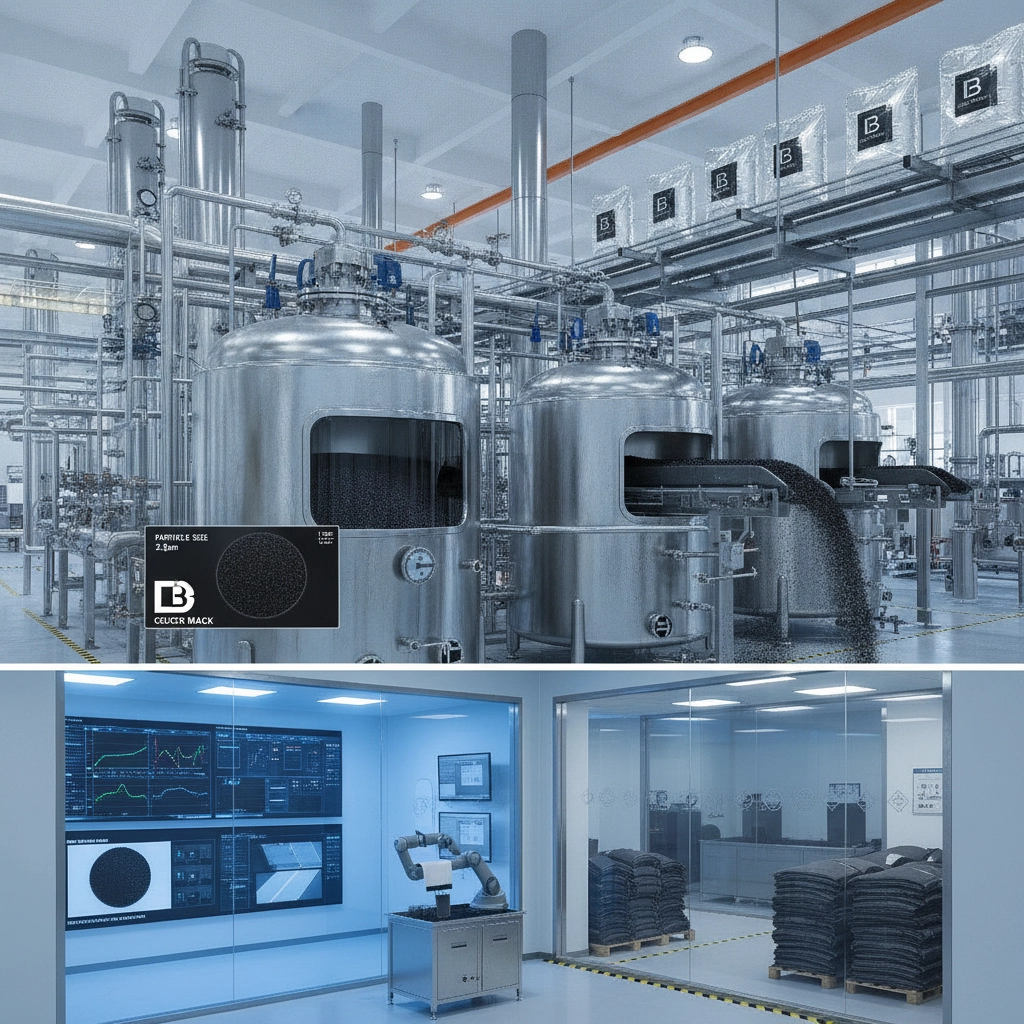
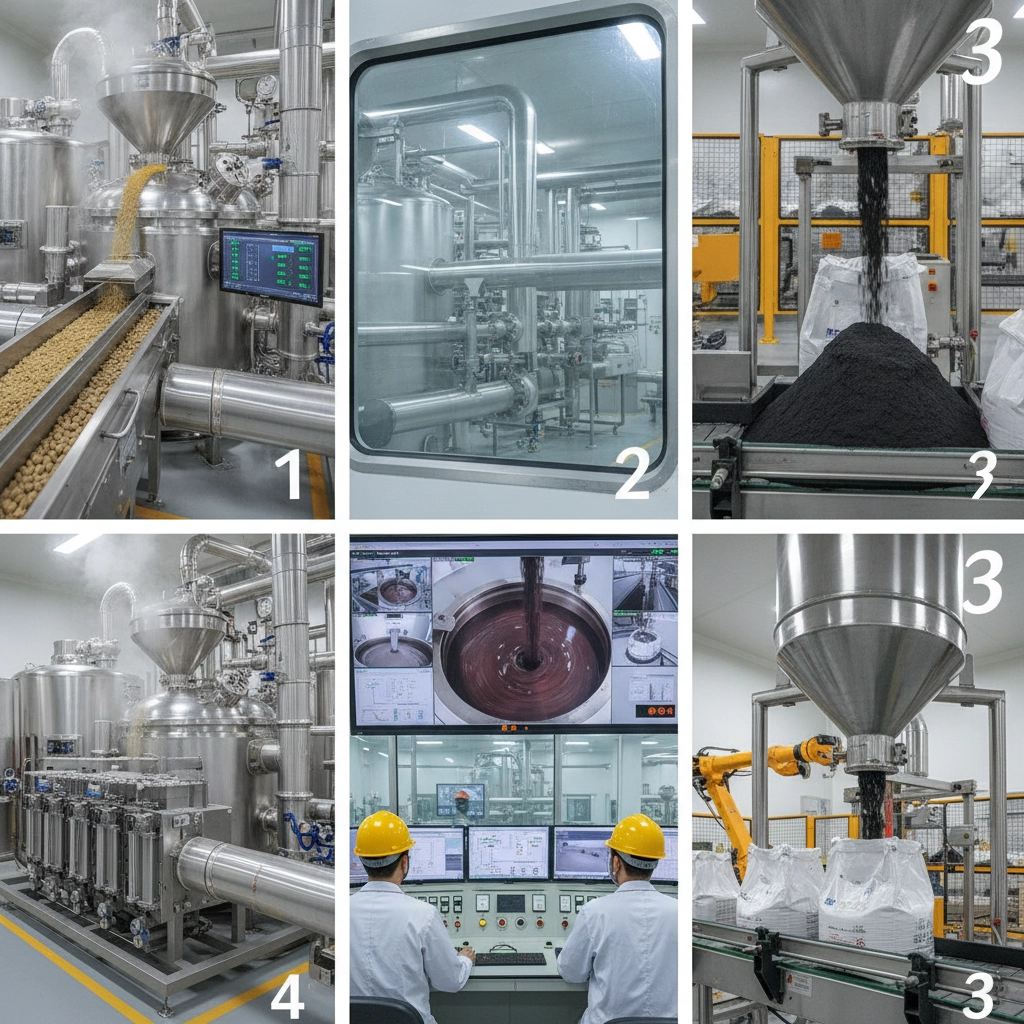
Modern factories use continuous reactors and automated mixing to guarantee batch-to-batch consistency. Older plants still operating with batch processes typically see higher variability in dye quality.
3. Quality and Environmental Controls
Given the potential environmental risks, robust effluent treatment systems are essential: biological treatments, chemical oxidation, or membrane filtrations help reduce sulphur compounds from waste discharge.
4. Scalability and Flexibility
Factories must adapt production sizes based on demand fluctuations—textile seasons, export contracts, etc.—so modular equipment and supply chain logistics are critical.
5. Compliance with Global Norms
ISO, GOTS, and REACH certifications signal adherence to safety, human health, and environmental standards, influencing purchasing decisions of garment brands worldwide.
Mini takeaway: Producing sulphur dyes isn’t just mixing chemicals; it’s a complex craft requiring precision, environmental care, and smart supply management.
Worldwide Uses and Real-World Applications of Sulphur Dyes
In Asia, sulphur dyes factories support booming garment export hubs by providing cost-effective dyes that withstand washing and rubbing during shipment and sale. In Africa and South America, where textile infrastructure varies widely, access to these dyes helps local manufacturers produce affordable workwear and everyday clothing.
Interestingly, sulphur dyes are also used in specialty industrial fabrics—like tarpaulins and upholstery—where durability is paramount. In disaster relief zones, sturdy tents and tarps dyed with sulphur dyes hold up better under harsh weather.
For example, a recent UNHCR report noted that shelters dyed with sulphur-based colors retained their appearance after extended exposure to sun and rain, improving the dignity and morale of displaced communities.
Advantages and Long-Term Value of Relying on Sulphur Dyes Factories
- Cost Efficiency: These dyes are among the cheapest to produce relative to their colorfastness.
- Durability: Wash and rub fastness means longer-lived textiles, reducing waste and consumer replacement costs.
- Environmental Impact: Though sulphur compounds require careful waste treatment, improved technology has reduced pollution significantly over the last decade.
- Social Benefits: Supporting reliable factories means jobs, better wages, and training in developing economies.
- Reliability: A well-run sulphur dyes factory reliably meets production deadlines and quality assurance needs, building trust through supply chains.
On a softer note, durability contributes to safety and dignity—imagine uniforms or workwear that doesn’t fade after weeks in the field. That counts for morale.
Product Specifications Table
| Specification | Typical Value | Unit | Notes |
|---|---|---|---|
| Color Range | Deep Black, Navy, Brown Shades | – | Mostly dark hues |
| Fastness to Washing | 4–5 | ISO scale (1–5) | Very good |
| Production Capacity | Up to 500 tons/month | tons | Varies by facility |
| pH Range of Dye Solution | 9–12 | pH | Alkaline conditions preferred |
| Sulphur Content | 25–35% | % weight | Key for color strength |
Vendor Comparison: Selecting the Right Sulphur Dyes Factory Partner
| Vendor | Annual Capacity | Eco Certifications | Lead Time | Price Range ($/kg) | Location |
|---|---|---|---|---|---|
| DyeMax Chemicals | 6000 tons | ISO 14001, GOTS | 3-4 weeks | 1.2 - 1.5 | India |
| EcoSulphur Dyes Ltd. | 4500 tons | REACH, Oeko-Tex | 4-5 weeks | 1.3 - 1.7 | Turkey |
| Sulphura Chemicals | 5500 tons | Only ISO 9001 | 2-3 weeks | 1.1 - 1.4 | China |
Looking Ahead: Trends and Innovations in Sulphur Dyes Manufacturing
Though sulphur dyes have been around for decades, factories are embracing automation for better consistency and safety. Digital monitoring systems now track effluent quality in real-time, preventing environmental mishaps before they start.
Eco-consciousness is also pushing research toward biodegradable dye precursors and processes that minimize sulphur waste. Some companies are blending green energy sources—solar-powered reactors, anyone? This leans nicely into global decarbonization efforts.
Lastly, notably tighter regulations in Europe and North America mean that there’s increasing demand for sulphur dyes produced in fully compliant environments or through innovative closed-loop systems that virtually eliminate sulphur emissions.
Challenges and The Ways Forward
Any sulphur dyes factory will tell you the toughest problem is balancing cost with environmental responsibility. Many plants in emerging markets struggle to invest in modern waste treatment, creating a patchwork of industry standards worldwide.
The good news is, international collaborations and funding from organizations like the UNIDO and the World Bank are helping to upgrade infrastructure. Plus, new catalytic oxidation methods can reduce sulphur discharge by up to 90%, a game-changer in effluent management.
Smart suppliers also build long-term client trust by sharing technical expertise and encouraging sustainable practices within their textile partners’ dyehouses. It’s a slow but meaningful progress story.
FAQ About Sulphur Dyes Factory
- Q1: How do sulphur dyes compare to reactive dyes in terms of environmental impact?
- While reactive dyes bond chemically with fibers and often require less energy and water, sulphur dyes can generate more sulphur-containing effluents. However, improved treatment methods and controlled factory processes have narrowed this gap considerably.
- Q2: What makes a sulphur dyes factory suitable for large scale textile production?
- Key factors include high-capacity continuous reactors, automated quality control, and certified environmental management systems. These ensure consistent batches and compliance with international textile supply chain standards.
- Q3: Can sulphur dyes factories customize color formulations for unique textile needs?
- Yes, many factories offer custom blends within the typical dark shade range, adjusting chemical ratios to meet special fastness or shade requirements without exceeding safety regulations.
- Q4: How long does it typically take to receive orders from sulphur dyes factories?
- Lead times generally range from 2 to 5 weeks depending on the factory location, production volume, and current demand, with expedited services available for urgent needs.
Wrapping Up: Why Investing Time in Understanding the Sulphur Dyes Factory Pays Off
The sulphur dyes factory is more than a chemical hub—it’s a linchpin that holds together affordability, durability, and sustainability in the global textile journey. As we advance toward greener industries and smarter production, knowing the nuances of these factories helps brands, suppliers, and consumers make better choices.
So, if you’re diving into textile production or sourcing, it’s worth checking out certified sulphur dyes factory options that combine tradition, innovation, and responsibility.
Visit our website for more insights and solutions: https://www.dyeingchem.com
References:
- United Nations Industrial Development Organization (UNIDO), Industrial Development Report, 2023
- World Bank, Textile Industry Overview, 2022
- ISO Standards for Colorfastness Testing - ISO 105-C06