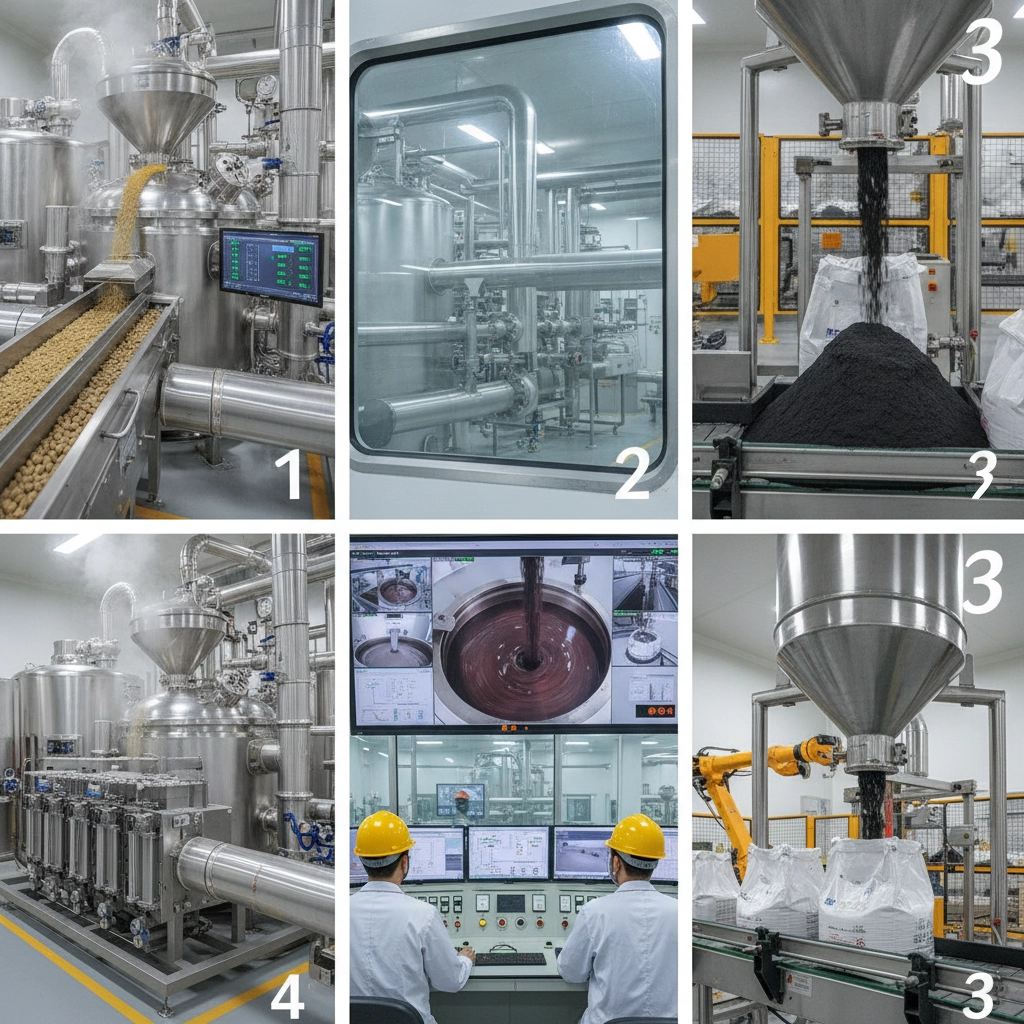
Optimizing Production Efficiency with Dairy Industry Enzymes
Optimizing Production Efficiency with Dairy Industry Enzymes
Optimizing Production with Dairy Industry Enzymes
The modern food processing landscape is constantly evolving, and the integration of dairy industry enzymes has become a cornerstone for enhancing efficiency and product quality. From cheese ripening to the production of lactose-free milk, these biological catalysts play a pivotal role in transforming raw milk into high-value consumer goods. By utilizing specific enzymatic reactions, manufacturers can reduce processing times, lower energy consumption, and create textures and flavors that meet contemporary consumer demands. Understanding the diverse applications of these enzymes is essential for any dairy professional aiming to optimize their yield and sustainability.

The Role of Proteases in Protein Modification
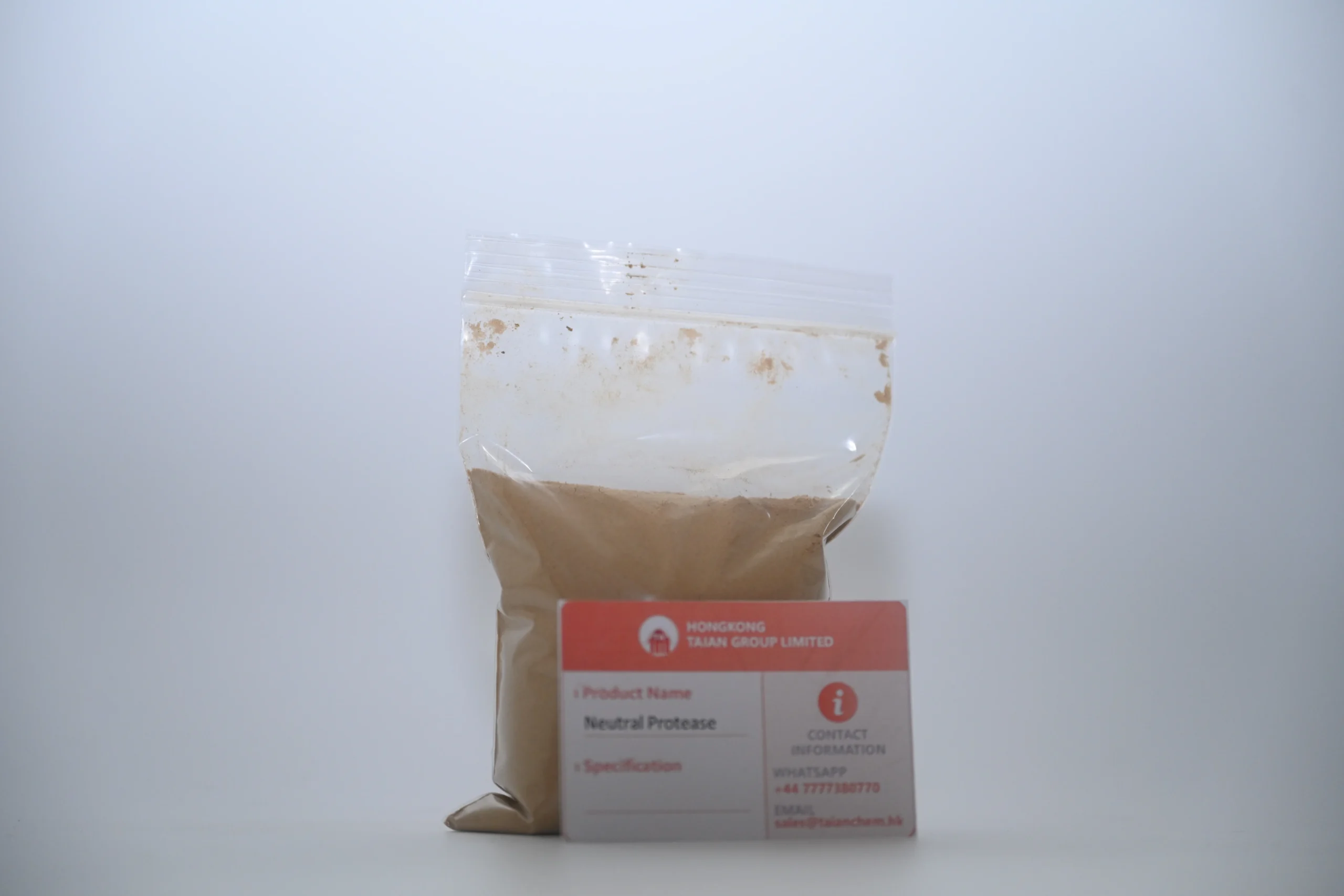
Proteases are among the most versatile dairy industry enzymes, primarily used to break down complex milk proteins into smaller peptides and amino acids. This process is critical in the production of hydrolyzed proteins for infant formula and specialized nutritional drinks. In cheese making, proteolysis is responsible for the development of characteristic flavors and the softening of the texture during the ripening phase. By precisely controlling the type and concentration of protease used, producers can ensure a consistent taste profile across different batches, effectively reducing waste and increasing marketability.
Industry Insight: Proteolytic enzymes not only improve flavor but also enhance the digestibility of dairy products, making them more accessible to consumers with sensitive digestive systems.
Lactase and the Demand for Lactose-Free Products
With the rising prevalence of lactose intolerance worldwide, the use of lactase—one of the most commercially significant dairy industry enzymes—has surged. Lactase hydrolyzes lactose into glucose and galactose, which are more easily absorbed by the human body. Beyond health benefits, the hydrolysis of lactose increases the perceived sweetness of the milk, often allowing manufacturers to reduce added sugars in flavored dairy beverages. This transition not only expands the customer base but also aligns with global health trends favoring low-sugar, high-functionality foods.
Comparing Efficiency: Traditional vs. Enzymatic Processing
When comparing traditional chemical processing to the use of dairy industry enzymes, the advantages of the latter are clear. Enzymes offer superior specificity, meaning they target only the desired molecules without affecting other components of the milk. This results in a cleaner label and a more natural product. Furthermore, enzymatic processes typically operate at lower temperatures and pH levels, which significantly reduces the carbon footprint of the manufacturing plant.
Lipases and Flavor Development in Dairy
Lipases are specialized dairy industry enzymes that target milk fats, releasing free fatty acids. This reaction is essential for producing the pungent, sharp flavors found in certain aged cheeses, such as Provolone or Roquefort. By carefully managing the lipolysis process, dairy scientists can create a wide array of flavor profiles without adding synthetic aromatic compounds. This organic approach to flavor enhancement is highly valued by gourmet food producers and health-conscious consumers alike.

Technical Specifications of Common Dairy Enzymes
To achieve optimal results, it is necessary to select dairy industry enzymes based on their operational parameters. Factors such as temperature stability, pH optimum, and activity units determine how an enzyme will perform in a large-scale industrial vat. For instance, thermophilic enzymes are preferred for processes involving heat, while acid-stable enzymes are required for yogurt and certain cheese types. Below is a specification table for the most commonly used enzymes in the sector.
Future Trends in Enzymatic Dairy Production
Looking forward, the evolution of dairy industry enzymes is moving toward biotechnology and precision fermentation. The development of immobilized enzymes is a major trend, allowing the enzymes to be reused multiple times, which drastically lowers the cost of production and minimizes biological waste. Additionally, there is a growing focus on "tailor-made" enzymes created via genetic engineering to operate under extreme conditions or to produce specific bioactive peptides that offer health benefits, such as blood-pressure-lowering properties. As the industry moves toward a more sustainable and personalized nutrition model, enzymes will remain at the heart of this innovation.
Conclusion: The Strategic Value of Dairy Enzymes
The strategic application of dairy industry enzymes is no longer just an option but a necessity for competitive manufacturers. By leveraging the power of proteases, lactases, and lipases, the industry can achieve unprecedented levels of product quality and operational efficiency. From catering to lactose-intolerant populations to crafting artisanal cheeses with precise flavor profiles, enzymes provide the versatility needed to thrive in a demanding market. Investing in high-purity, high-activity enzymatic solutions is the surest path toward a sustainable and profitable dairy production future.
Frequently Asked Questions (FAQs)
Are dairy industry enzymes safe for human consumption?
Yes, the enzymes used in the dairy industry are generally recognized as safe (GRAS) by global food safety authorities. Most are produced through controlled fermentation processes using non-pathogenic microorganisms. Since enzymes are biological catalysts, they often act as processing aids; in many cases, they are deactivated by heat during pasteurization, meaning they do not remain active in the final product but their beneficial effects (like the breakdown of lactose) persist.
How do enzymes help in reducing production costs?
Enzymes reduce costs primarily by optimizing resource use. They allow chemical reactions to occur at lower temperatures and pressures, which significantly lowers energy bills. Furthermore, because enzymes are highly specific, they increase the yield of the desired product and reduce the formation of unwanted by-products. This means less raw material is wasted and fewer purification steps are required, leading to a leaner and more cost-effective production line.
What is the difference between animal-derived and microbial enzymes?
Traditionally, enzymes like rennet were derived from animal stomachs. However, modern dairy industry enzymes are predominantly microbial or produced via Fermentation-Based recombinant DNA technology. Microbial enzymes are often preferred because they are more consistent in purity, more sustainable to produce at scale, and make the final product suitable for vegetarian and halal/kosher diets, expanding the reach of the product in global markets.
Can enzymes be used to extend the shelf life of dairy products?
While enzymes are primarily used for modification and flavor, some can indirectly extend shelf life. For example, by removing lactose or modifying proteins to prevent crystallization, enzymes can maintain the visual and textural quality of a product for a longer period. Additionally, certain enzymatic treatments can reduce the availability of substrates that spoilage bacteria feed on, thereby slowing down the degradation process and maintaining freshness without the need for excessive artificial preservatives.