The Essential Role of Enzymes in Meat Processing for Tenderness
The Essential Role of Enzymes in Meat Processing for Tenderness
The Essential Role of Enzymes in Meat Processing
In the modern food industry, achieving the perfect balance of texture, flavor, and tenderness is both a science and an art. The strategic application of enzymes in meat processing has revolutionized how we handle animal proteins, allowing producers to enhance product quality while maintaining efficiency. From naturally occurring proteases to specialized industrial additives, these biological catalysts break down complex muscle fibers and connective tissues. Understanding how to leverage these tools is key to meeting consumer demands for high-quality, tender meat products. In this guide, we will explore the various types of enzymes used and their specific impacts on the final product.

How Proteolytic Enzymes Improve Meat Tenderness
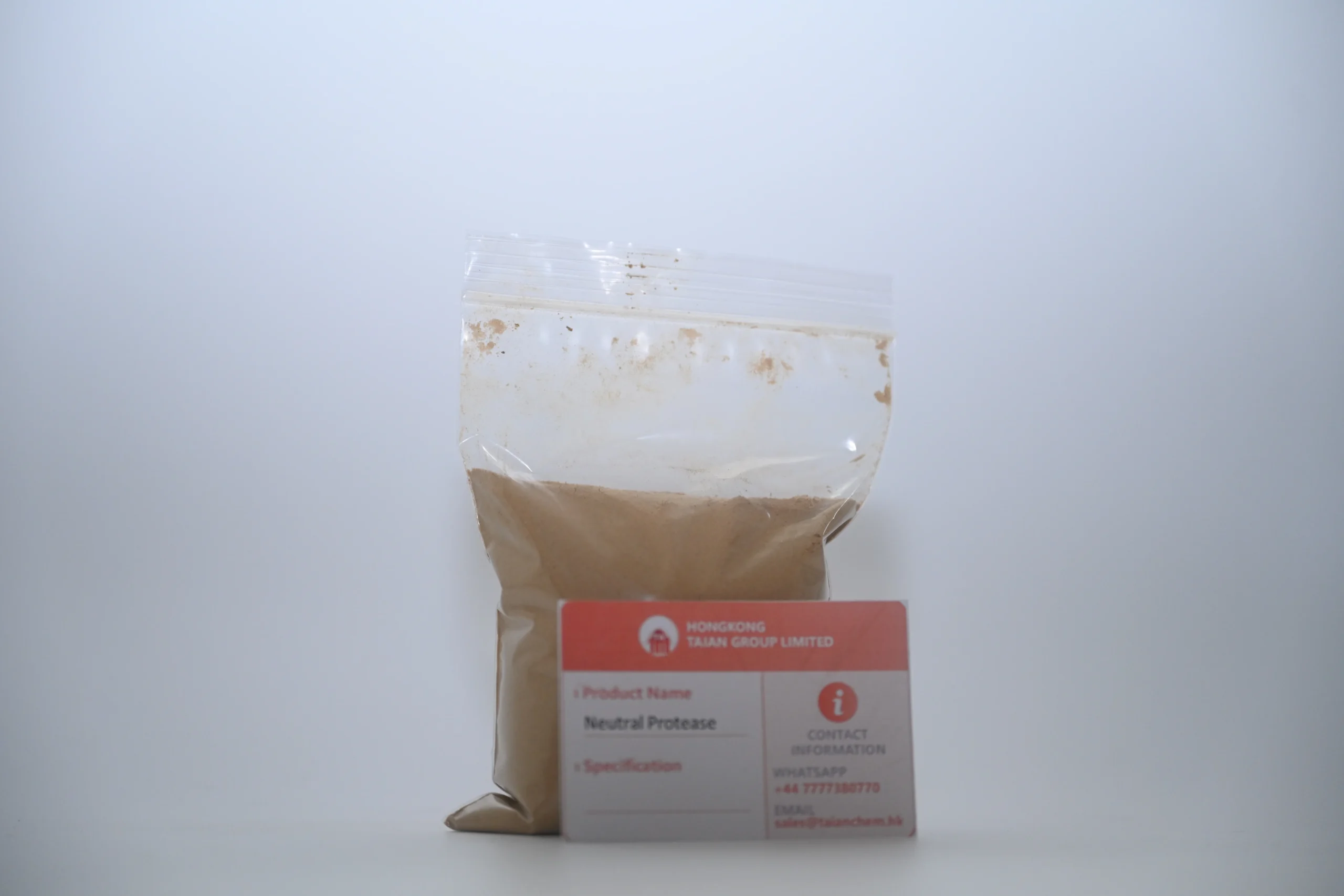
The primary goal of using enzymes in meat processing is often the degradation of myofibrillar proteins and collagen. Proteases, the enzymes responsible for protein breakdown, target the tough connective tissues that make certain cuts of meat difficult to chew. By carefully controlling the concentration and exposure time, processors can transform low-value, tough cuts into premium, tender steaks. This process not only improves the eating experience but also increases the commercial value of the carcass. The key is precision; over-processing can lead to a mushy texture, while under-processing leaves the meat tough.
Pro Tip: Temperature control is critical. Most industrial enzymes have an optimal temperature range; exceeding this can denature the enzyme, rendering it inactive, while too low a temperature slows the reaction significantly.
Comparing Natural and Industrial Enzymes in Meat Processing
Processors generally choose between endogenous enzymes (those naturally present in the meat) and exogenous enzymes (added from external sources like plants or microbes). While natural aging relies on calpains and cathepsins, industrial solutions offer faster results and higher consistency. The use of enzymes in meat processing allows for a tailored approach depending on the meat species and the desired end-result.
Applications of Specialized Enzymes in Meat Processing
Beyond simple tenderization, enzymes in meat processing are used to optimize water-holding capacity (WHC) and improve the texture of processed meats like sausages and hams. For instance, transglutaminase (often called "meat glue") is used to bind pieces of meat together, creating a uniform shape and reducing waste. This is particularly useful in the production of restructured steaks or high-end deli meats. By modifying the protein matrix, these enzymes ensure that the product remains juicy after cooking and possesses a desirable "snap" or bite.

Technical Specifications for Processing Enzymes
Selecting the right enzyme requires a deep dive into technical parameters. The efficacy of enzymes in meat processing depends on pH levels, substrate concentration, and thermal stability. For example, plant-derived enzymes like papain are highly active but can be overly aggressive, requiring precise dosing to avoid ruining the meat's structure. Below is a general specification table for common industrial enzymes used in the sector.
Safety and Regulatory Considerations for Enzymes
The integration of enzymes in meat processing must always comply with global food safety standards, such as FDA or EFSA regulations. Because enzymes are proteins, they are generally recognized as safe (GRAS), but the source must be clearly documented to avoid allergen contamination. Furthermore, the timing of enzyme inactivation—usually achieved through heat during the cooking process—is vital to ensure that the meat does not continue to break down during storage, which would compromise the shelf life and safety of the product.
Future Trends: Biotechnology in Meat Optimization
As we move toward more sustainable food systems, the role of enzymes in meat processing is expanding into the realm of lab-grown meats and plant-based alternatives. Biotechnology is allowing scientists to create highly specific enzymes that can mimic the mouthfeel of traditional animal fats and proteins. This precision fermentation approach ensures that the resulting "meat" has the same tenderness and juiciness as high-grade beef or pork, but with a significantly lower environmental footprint. The future lies in "smart enzymes" that can be triggered by specific conditions during the cooking process.
Conclusion: Optimizing Quality with Enzymes
The application of enzymes in meat processing is an indispensable tool for the modern food producer. By leveraging the power of proteases and binding agents, processors can enhance tenderness, improve yield, and create consistent products that satisfy the most demanding consumers. Whether through traditional aging or advanced industrial additives, the strategic use of enzymes ensures that meat is not only delicious but also commercially viable. Investing in the right enzymatic solutions is the path to superior quality and operational efficiency.
Frequently Asked Questions (FAQs)
Do enzymes change the taste of the meat?
Generally, when used in correct industrial concentrations, enzymes in meat processing do not alter the primary taste of the meat. Their role is to modify the structural proteins. However, some plant-based enzymes (like those from pineapple or papaya) can leave a slight flavor if used in excess or not properly rinsed. Industrial-grade, purified enzymes are designed to be flavor-neutral, ensuring that the natural taste of the beef, pork, or poultry remains the star of the dish.
Can I use these enzymes at home for tenderizing?
Yes, many home cooks use natural sources of enzymes, such as kiwi, papaya, or pineapple juice, to tenderize meat. However, home application is often less precise than industrial enzymes in meat processing. Without controlled temperature and timing, it is easy to over-tenderize the meat, resulting in a "mushy" exterior. For professional results, it is recommended to follow a specific marinating timeframe and avoid leaving the meat in enzyme-rich marinades for too long.
Is the use of "meat glue" (Transglutaminase) safe?
Transglutaminase is a protein-binding enzyme that is widely approved for use by food safety authorities globally, including the FDA. It is not "glue" in the synthetic sense, but a biological catalyst that creates covalent bonds between amino acids. When the meat is cooked, the enzyme is denatured and becomes a harmless protein. The primary concern is transparency; some regions require labeling when restructured meat is sold to ensure consumers are aware of the processing methods used.
How do enzymes affect the shelf life of meat?
The impact on shelf life depends on the enzyme type. While some enzymes in meat processing improve quality, excessive proteolysis can actually shorten shelf life by breaking down the meat's structure too far, making it more susceptible to microbial spoilage. This is why temperature control and the timing of enzyme inactivation are critical. Properly managed enzymatic treatment typically does not negatively affect the shelf life and can even improve the consistency of the product over time.