Sustainable Industrial Production Using Microbial Enzymes of Industrial Interest
Sustainable Industrial Production Using Microbial Enzymes of Industrial Interest
Exploring Microbial Enzymes of Industrial Interest: A Green Revolution
In the modern quest for sustainable manufacturing, microbial enzymes of industrial interest have emerged as powerful biocatalysts that are transforming how we produce chemicals, textiles, and food. Unlike traditional chemical catalysts, microbial enzymes operate under mild conditions, reducing energy consumption and minimizing toxic waste. By harnessing the metabolic diversity of bacteria, fungi, and yeast, industries can now achieve higher precision and efficiency in their production lines. This guide explores the diverse applications, technical advantages, and the future trajectory of these biological tools in global industry.

The Versatility of Microbial Enzymes of Industrial Interest
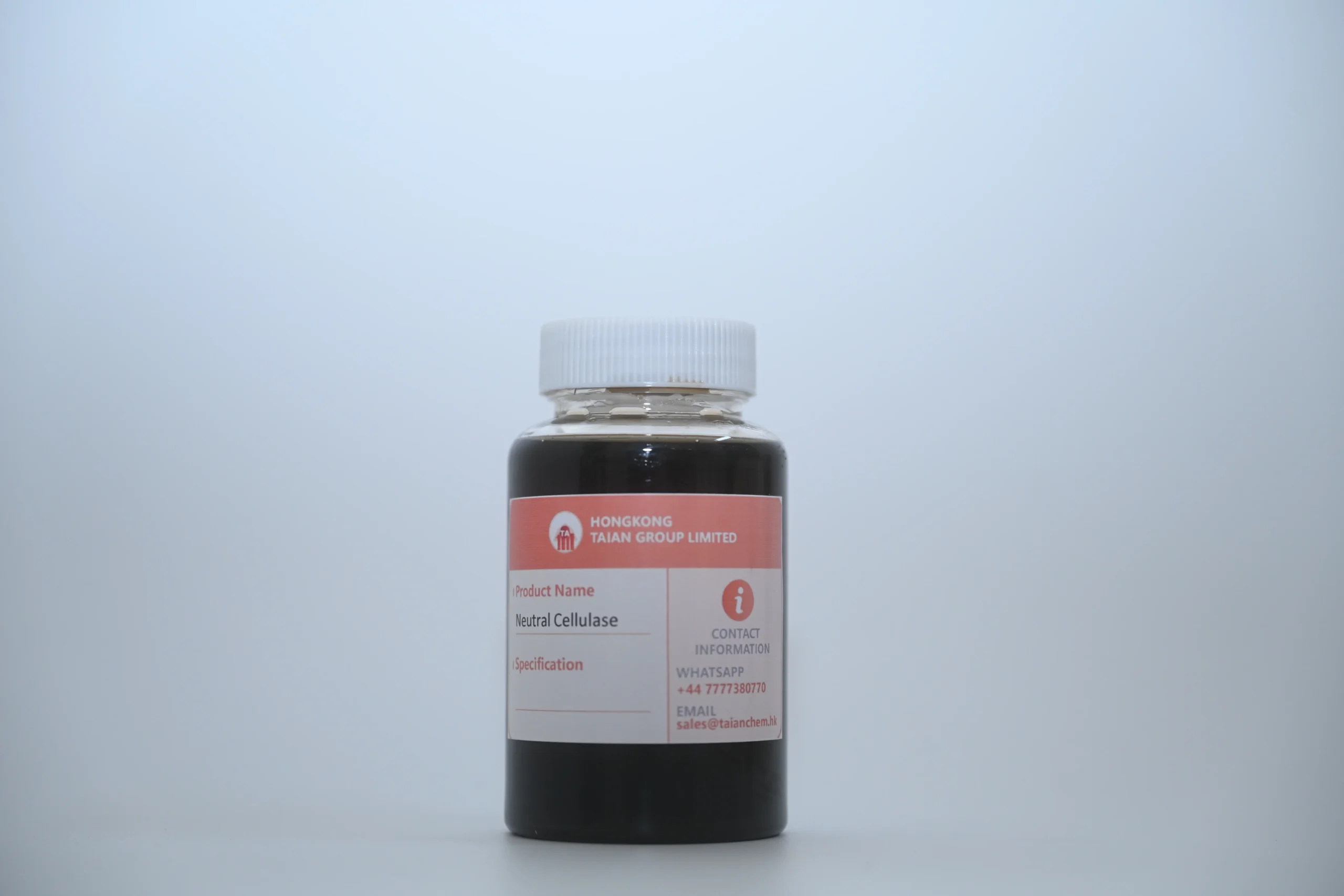
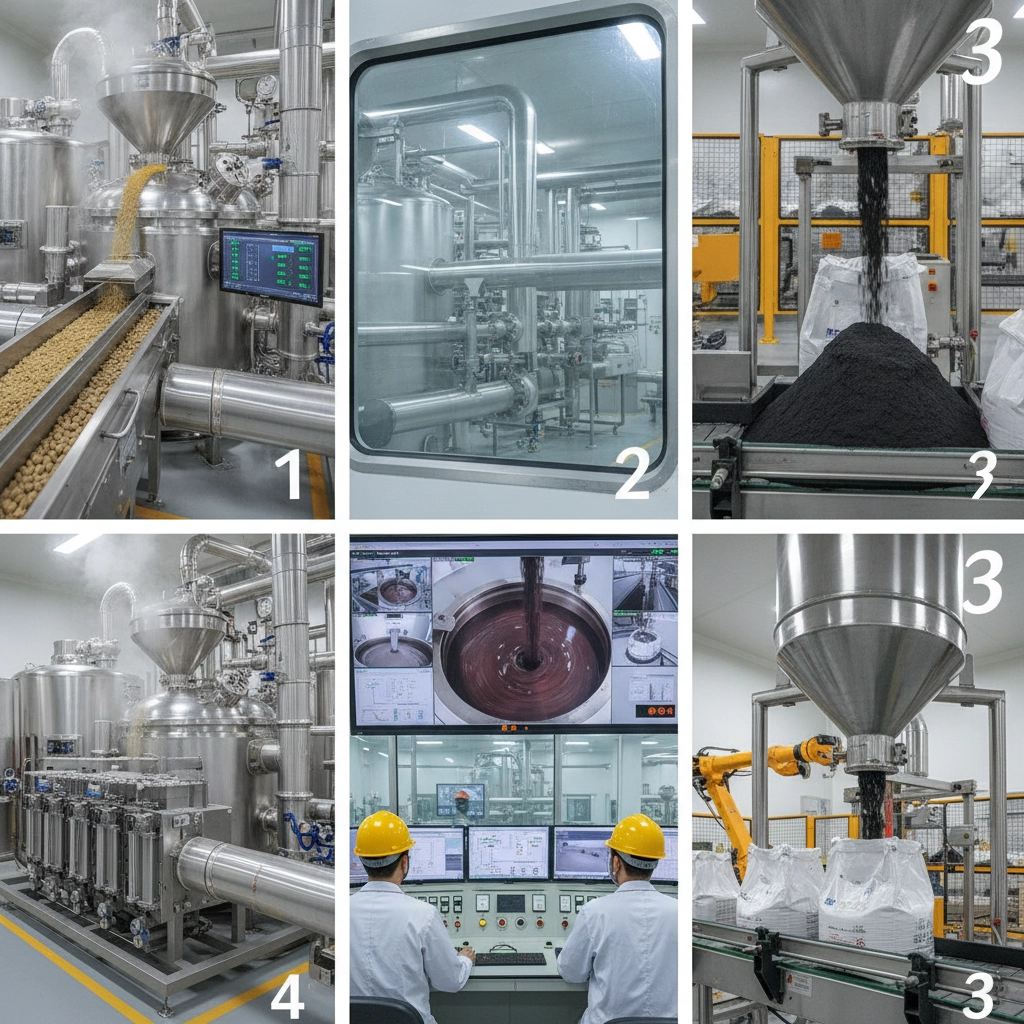
The industrial utility of microbial enzymes stems from their extreme specificity and catalytic efficiency. Whether it is the breakdown of complex polymers or the synthesis of fine chemicals, these enzymes provide a tailored approach to molecular transformation. In the textile industry, for instance, cellulases are used for bio-polishing and stone-washing effects, replacing harsh chemicals with a biological alternative. The ability to produce these enzymes via large-scale fermentation makes microbial enzymes of industrial interest commercially viable and scalable for global trade.
Key Advantage: Microbial enzymes reduce the "Environmental Factor" (E-factor) by decreasing the amount of waste generated per kilogram of product, aligning perfectly with Green Chemistry principles.
Comparative Analysis: Microbial vs. Chemical Catalysts
When evaluating microbial enzymes of industrial interest against traditional inorganic catalysts, the difference in operational sustainability is stark. Chemical catalysts often require high pressures and extreme temperatures, leading to significant carbon footprints. In contrast, biocatalysts function in aqueous environments at near-ambient temperatures. The following table illustrates the primary differences in performance and environmental impact.
Key Categories of Microbial Enzymes of Industrial Interest
Not all enzymes serve the same purpose. The industrial landscape is dominated by a few key classes of microbial enzymes of industrial interest, each categorized by the type of bond they cleave. Proteases are essential for detergents and leather processing, while Amylases are indispensable in the food and brewing industries for starch conversion. Lipases play a critical role in biodiesel production and lipid modification. Understanding these categories allows companies to select the precise biological tool for their specific chemical challenge.

Industrial Specifications for Microbial Enzyme Products
For procurement and application, the purity and activity levels of microbial enzymes of industrial interest are the most critical specifications. Industrial enzymes are typically supplied as concentrated liquid preparations or stabilized powders. The "Activity Unit" (U) is the standard measurement used to determine how much substrate the enzyme can process per minute. Ensuring the stability of the enzyme during transport and storage is paramount to maintaining these specifications.
The Future of Microbial Enzymes of Industrial Interest
The horizon for microbial enzymes of industrial interest is being expanded by synthetic biology and protein engineering. Techniques such as Directed Evolution allow scientists to "evolve" enzymes in the lab, creating variants that are more heat-stable or resistant to organic solvents. This means that enzymes can now be used in industrial processes that were previously considered too harsh for biological catalysts. As we move toward a circular economy, these bio-tools will be essential for recycling plastics and treating industrial wastewater.
Challenges in Scaling Microbial Biocatalysis
Despite their potential, implementing microbial enzymes of industrial interest is not without challenges. Enzyme inhibition—where the product of the reaction slows down the enzyme—can limit overall yield. Furthermore, the initial cost of developing a tailored enzyme can be high compared to using off-the-shelf chemicals. However, through the use of enzyme immobilization (attaching enzymes to a solid support), industries can reuse the biocatalyst multiple times, drastically reducing the long-term operational costs.
Conclusion: Embracing the Biocatalytic Era
The integration of microbial enzymes of industrial interest into mainstream manufacturing is no longer just an option—it is a necessity for any company aiming for sustainability. By replacing toxic chemicals with biodegradable catalysts, industries can lower their energy costs and protect the environment. Whether in textiles, pharmaceuticals, or energy, microbial enzymes provide the precision and efficiency required for the next generation of industrial production. The shift toward bio-based chemistry is the key to a cleaner, more efficient future.
Frequently Asked Questions (FAQs)
What makes microbial enzymes "of industrial interest"?
Microbial enzymes are of industrial interest because they can be produced in large quantities through fermentation using microorganisms like Bacillus or Aspergillus. Their ability to catalyze specific reactions with high efficiency, combined with their biodegradable nature, makes them ideal replacements for hazardous chemical catalysts. They are particularly valued for their ability to function in water-based systems and at lower temperatures, which saves energy and reduces the overall environmental impact of industrial processes.
How do enzymes improve the sustainability of textile dyeing?
In the textile sector, enzymes like cellulases and pectinases are used to replace caustic soda and other harsh chemicals during the bio-scouring and bio-polishing stages. This reduces the amount of salt and chemicals released into wastewater, lowering the Chemical Oxygen Demand (COD) and Biological Oxygen Demand (BOD) of the effluent. Consequently, factories can reduce their water consumption and wastewater treatment costs while achieving a high-quality finish on the fabric, making the process significantly more eco-friendly.
Can microbial enzymes be reused in a factory setting?
Yes, through a process called enzyme immobilization. In this method, the enzyme is physically or chemically attached to an inert, insoluble material (such as silica or polymer beads). This allows the enzyme to be easily separated from the reaction mixture and reused for multiple cycles. Immobilization not only reduces the cost per unit of product but also increases the stability of the enzyme against pH and temperature fluctuations, making the industrial application of microbial enzymes of industrial interest far more economical.
What are the main storage requirements for these enzymes?
Because enzymes are proteins, they are sensitive to heat and extreme pH levels, which can cause them to denature (unfold) and lose activity. Most industrial-grade microbial enzymes should be stored in a cool, dry place, typically between 4°C and 8°C. Premium or purified enzymes may require freezing at -20°C to maintain long-term stability. It is also critical to protect them from direct sunlight and avoid contamination, as microbial growth can degrade the enzyme's activity over time.